Are You Investigating Problems or Just Accepting Excuses?
The cribbing hasn’t shipped in two weeks. Everyone says the railroad can’t get cars. Most superintendents accept this excuse and keep waiting. But Charlie Bannon doesn’t accept it. He goes to Ledyard himself to investigate. Finds the lumber cut and stacked ready to ship. Visits the division superintendent who repeats the no-cars excuse. But Bannon doesn’t leave. He listens. And overhears a telegraph message revealing the railroad is deliberately blocking the shipment, not because they lack cars but because powerful interests want to delay the elevator’s completion. Most superintendents would have accepted the excuse and waited weeks. But Bannon investigated personally, discovered the real problem, and within 48 hours arranged steam barges to bypass the railroad entirely. The cribbing arrives despite the obstruction because Bannon refused to accept excuses without investigating their truth.
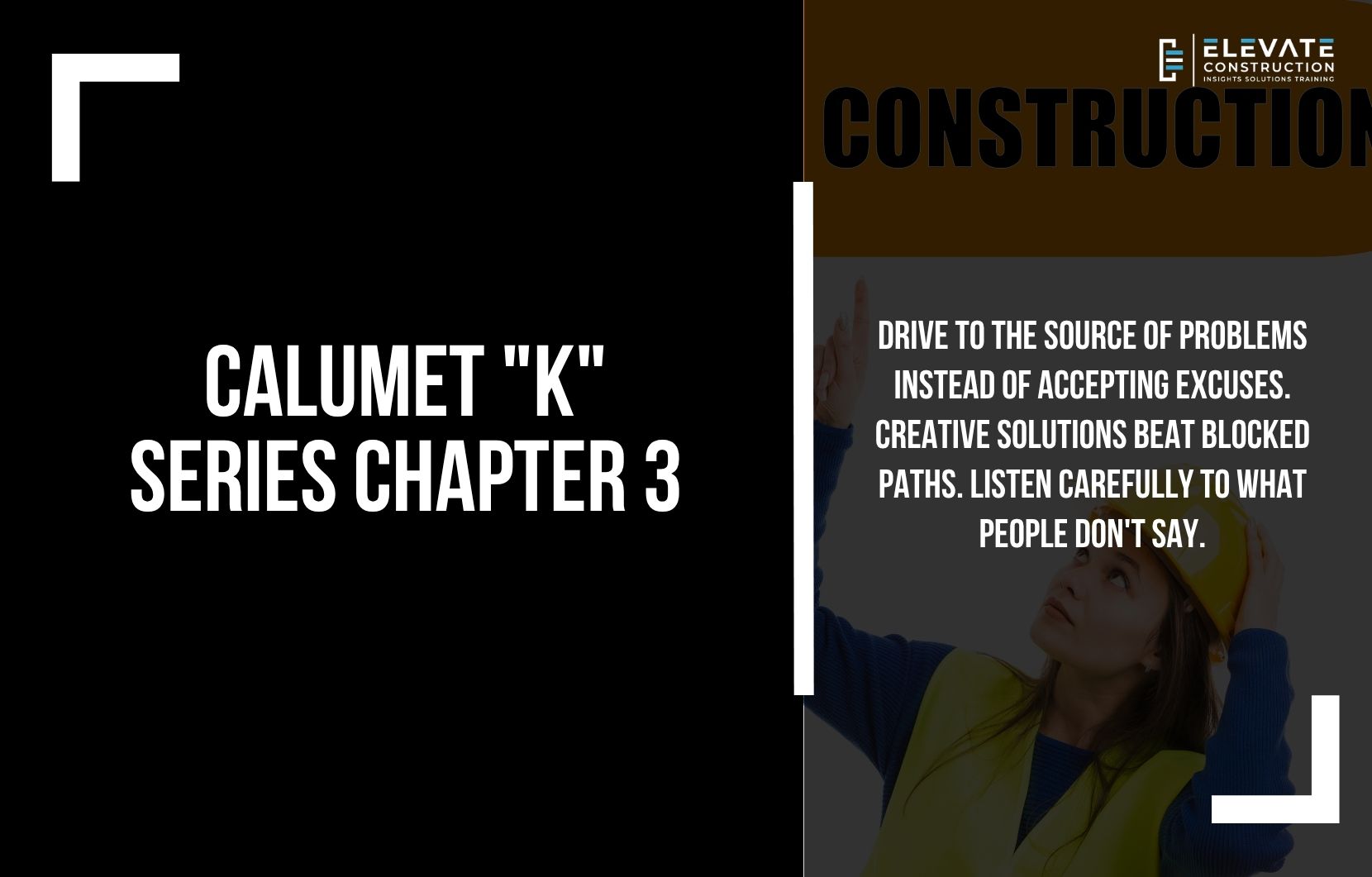
Here’s the principle Chapter 3 of Calumet K teaches. Drive to the source of problems instead of accepting excuses from a distance. Phone calls and letters let people give you prepared speeches and plausible lies. Personal investigation reveals the truth. When Bannon goes to Ledyard, he sees the cribbing stacked and ready, proving the delay isn’t about cutting lumber. When he visits the division superintendent, he doesn’t leave after getting the standard excuse. He stays. He listens. And he overhears the telegraph revealing deliberate obstruction. Personal investigation uncovers what remote communication hides. And uncovering the truth enables creative solutions that accepting excuses never would.
The deeper lesson is about creative problem-solving when primary paths are blocked. The railroad won’t ship the cribbing. Most superintendents would accept this as an insurmountable obstacle. The railroad controls freight. Without them, materials can’t move. But Bannon thinks creatively. If railroads won’t work, what else moves freight? Steam barges. Within 48 hours, he arranges barges to carry the cribbing from Manistique, bypassing the railroad entirely. The primary path was blocked. But creative thinking found an alternative path that accomplished the same goal. This is what urgent problem-solving looks like. Not accepting obstacles as permanent. Finding ways around them through creative alternatives that make blocked paths irrelevant.
The Real Pain: Accepting Excuses Without Investigation
Walk any delayed project and you’ll hear excuses. The materials haven’t shipped because the railroad can’t get cars. Most superintendents accept this and keep waiting. They call weekly asking for updates. Get the same excuse. And keep waiting because they never investigate whether the excuse is true. So they lose weeks accepting plausible lies that personal investigation would have exposed immediately. The cribbing sits ready to ship while the superintendent waits believing it’s still being cut or that cars genuinely aren’t available. And the project fails because accepting excuses without investigation guarantees you’re operating on false information.
The pain compounds when you don’t listen carefully to what people aren’t saying. The division superintendent says he can’t provide cars. Most superintendents would accept this and leave. But Bannon stays. He listens to the telegraph. And overhears the real message revealing deliberate obstruction, not inability. This careful listening uncovers what the superintendent was hiding. But superintendents who accept explanations at face value and leave quickly never discover the truth hidden beneath surface excuses. They operate blind, making decisions based on lies they never questioned.
The worst part is not thinking creatively about alternatives when primary paths are blocked. The railroad won’t ship the cribbing. Most superintendents see this as insurmountable because railroads control freight. But it’s not insurmountable. It’s just the primary path being blocked. Steam barges, trucks, alternative routes, different suppliers—creative thinking finds solutions that accepting obstacles as permanent never discovers. But superintendents trained to work within existing systems instead of creating new ones stay blocked when primary paths fail because they never consider that alternatives exist.
The Failure Pattern: Remote Communication and Passive Acceptance
Here’s what teams keep doing wrong. They accept excuses from a distance instead of investigating personally. The supplier says they can’t ship because the railroad won’t provide cars. Most superintendents accept this through phone calls and emails. They never visit to verify the excuse is true. So they operate on false information, making decisions based on lies they accepted without investigation. Personal investigation would reveal the cribbing is cut and ready, the railroad has cars available, and the delay is deliberate obstruction, not inability. But remote communication lets people give prepared speeches hiding the truth.
They also leave quickly after getting standard excuses instead of staying to observe. The division superintendent says he can’t provide cars. Most superintendents would accept this and leave. But Bannon stays. He listens to the telegraph. He observes the office operations. And he discovers the truth the superintendent was hiding. Careful observation and patient listening uncover what quick visits based on accepting surface explanations never reveal. But superintendents who get their answer and leave immediately miss the truth hiding beneath the excuse.
The failure deepens when they see blocked paths as permanent instead of thinking creatively about alternatives. The railroad won’t ship the cribbing. Most superintendents accept this as insurmountable. Railroads control freight. Without them, you’re stuck. But this thinking assumes the primary path is the only path. Creative thinking asks what else moves freight? Steam barges. Trucks. Alternative routes. Different suppliers. When you think creatively, blocked primary paths become opportunities to find better alternatives that make the obstruction irrelevant. But teams trained to work within existing systems never develop this creative problem-solving skill.
The System Failed You
Let’s be clear. When superintendents accept excuses without investigation, it’s not because they’re gullible or lazy. It’s because the system never taught them that excuses from a distance are often lies designed to avoid accountability. Phone calls and emails let people give prepared speeches. Personal investigation forces them to confront reality. The cribbing is cut and stacked. The railroad has cars available. The excuse was false. But you only discover this through personal investigation. Remote communication hides truth beneath plausible excuses. And superintendents never taught this accept lies as truth, operating blind while making critical decisions.
The system fails because it doesn’t teach the value of patient observation and careful listening. Bannon doesn’t leave after getting the standard excuse. He stays. He listens to the telegraph. He observes office operations. And he discovers deliberate obstruction the superintendent was hiding. This patient observation uncovered truth quick visits based on accepting surface explanations never would. But superintendents trained to get answers quickly and move on never develop the skill of staying, listening, and observing until the real truth emerges beneath the prepared speeches.
The system also fails by not teaching creative problem-solving when primary paths are blocked. If your project needs superintendent coaching, project support, or leadership development, Elevate Construction can help your field teams stabilize, schedule, and flow. The railroad won’t ship the cribbing. Most superintendents see this as insurmountable. But Bannon thinks creatively. Steam barges can move freight. Within 48 hours he arranges barges bypassing the railroad entirely. The primary path was blocked. But creative thinking found an alternative making the obstruction irrelevant. This is what urgent problem-solving looks like. Not accepting obstacles as permanent. Finding creative alternatives that accomplish the goal despite blocked paths.
What Chapter 3 Teaches About Investigation
Charlie Bannon doesn’t accept the railroad excuse from a distance. He goes to Ledyard personally. Visits Dennis at the lumber company discovering the cribbing is cut and ready, not still being processed as the excuse implied. Visits Sloane learning the railroad has been uncooperative but getting no clear explanation why. Goes to Blake City meeting the division superintendent who repeats the no-cars excuse. But instead of accepting it and leaving, Bannon stays.
He listens carefully to what people aren’t saying. The division superintendent claims no cars are available. But Bannon knows empties exist at Victory. When questioned, the superintendent gets defensive rather than cooperative. This signals the excuse is false. So Bannon stays instead of leaving. And overhears the telegraph message revealing deliberate obstruction: “Do not give Ledyard cars in any case. We don’t help put up any grain elevator in Chicago these days.” The truth emerges through patient observation, not quick acceptance of surface explanations.
He thinks creatively about alternatives when the primary path is blocked. The railroad deliberately obstructing means rail freight won’t work. Most superintendents would see this as insurmountable. But Bannon asks what else moves freight? Steam barges. He sends telegrams to Minneapolis getting approval and to Page & Company arranging barges. Within 48 hours, barges are leaving Milwaukee for Manistique to carry the cribbing. The railroad obstruction becomes irrelevant because creative thinking found an alternative path accomplishing the same goal.
He acts with urgency once he understands the situation. No waiting for approvals. No committee meetings. No lengthy deliberations. He investigates. Discovers the truth. Thinks creatively. Sends telegrams. Arranges solutions. All within hours. This is what urgent problem-solving looks like in practice.
How to Investigate Problems Instead of Accepting Excuses
Drive to the source of problems instead of accepting excuses remotely. Phone calls and emails let people give prepared speeches hiding truth. Personal investigation forces confrontation with reality. When materials don’t ship, visit the supplier. See the materials. Talk to the people. Observe the operations. Discover what excuses hide.
Stay and listen carefully instead of leaving after getting standard excuses. Don’t accept surface explanations and leave quickly. Stay. Listen. Observe. The division superintendent says no cars are available. But Bannon stays and overhears the telegraph revealing deliberate obstruction. Patient observation uncovers truth quick visits accepting surface explanations never reveal.
Think creatively about alternatives when primary paths are blocked. The railroad won’t ship. Most superintendents accept this as insurmountable. But creative thinking asks what else accomplishes the goal? Steam barges. Trucks. Alternative routes. Different suppliers. Blocked primary paths aren’t permanent obstacles. They’re opportunities to find better alternatives making the obstruction irrelevant.
Question defensiveness as a signal of false excuses. When questioned about cars at Victory, the division superintendent gets defensive rather than helpful. This signals the excuse is false and he’s hiding truth. Defensiveness reveals dishonesty. Cooperative people explain. Dishonest people deflect.
Act with urgency once you understand the situation. Don’t deliberate endlessly. Investigate. Discover truth. Think creatively. Arrange solutions. Execute. Bannon investigates in the morning, discovers obstruction by noon, arranges barges by evening. Urgency means compressing investigation, decision, and execution into hours, not weeks.
The Challenge
Here’s your assignment. Identify your biggest excuse-based delay. What’s not happening because someone gave you an excuse? Don’t accept it remotely. Investigate personally. Visit the source. See the reality. Discover whether the excuse is true.
Stay and observe instead of accepting surface explanations. Don’t get your excuse and leave quickly. Stay. Listen. Watch. Patient observation uncovers truth quick visits accepting prepared speeches never reveal.
Think creatively about alternatives to your blocked paths. What’s not working? What else accomplishes the same goal? When primary paths are blocked, creative thinking finds alternatives making obstructions irrelevant.
Question defensiveness as a signal of dishonesty. When people get defensive instead of helpful when questioned, they’re hiding truth. Investigate deeper. The truth is there beneath the deflection.
Act with urgency once you discover the truth. Don’t deliberate endlessly. Compress investigation, decision, and execution into hours. Bannon investigates, discovers, arranges, and executes all within one day. Urgency means rapid cycles from discovery to solution.
Stop accepting excuses without investigation. Drive to the source. Discover truth. Think creatively. Act urgently. Make obstacles irrelevant through creative problem-solving.
The cribbing arrives in 48 hours despite railroad obstruction. Because Bannon refused to accept excuses.
On we go.
FAQ
Why investigate personally instead of accepting excuses remotely?
Phone calls and emails let people give prepared speeches hiding truth. Personal investigation forces confrontation with reality. You see the cribbing cut and ready, proving the delay isn’t about processing. You observe defensive behavior revealing dishonesty. Remote communication enables plausible lies. Personal investigation exposes them.
How do you know when to stay and observe versus accepting explanations?
When explanations don’t match evidence or when people get defensive instead of helpful. Bannon knew empties existed at Victory, so the no-cars excuse didn’t match reality. The superintendent got defensive when questioned, signaling dishonesty. Stay when explanations conflict with evidence or defensiveness suggests hidden truth.
What makes creative problem-solving effective when paths are blocked?
Blocked primary paths aren’t permanent obstacles, just closed routes. Creative thinking asks what else accomplishes the goal? Railroads won’t ship, so steam barges become the alternative. The goal is moving cribbing, not using railroads specifically. Focus on goals, not paths. When paths are blocked, find new ones.
How do you compress investigation and execution into rapid cycles?
Investigate immediately without waiting. Travel personally instead of calling remotely. Discover truth through observation. Think creatively about alternatives. Execute immediately without lengthy approvals. Bannon investigates in morning, discovers obstruction by noon, arranges barges by evening. Urgency means hours, not weeks.
Why is patient listening more effective than quick visits?
Quick visits get prepared speeches. Patient listening uncovers hidden truth. The division superintendent gives the standard excuse. But Bannon stays and overhears the telegraph revealing deliberate obstruction. Truth emerges when you stay listening instead of accepting surface explanations and leaving quickly.
If you want to learn more we have:
-Takt Virtual Training: (Click here)
-Check out our Youtube channel for more info: (Click here)
-Listen to the Elevate Construction podcast: (Click here)
-Check out our training programs and certifications: (Click here)
-The Takt Book: (Click here)
Discover Jason’s Expertise:
Meet Jason Schroeder, the driving force behind Elevate Construction IST. As the company’s owner and principal consultant, he’s dedicated to taking construction to new heights. With a wealth of industry experience, he’s crafted the Field Engineer Boot Camp and Superintendent Boot Camp – intensive training programs engineered to cultivate top-tier leaders capable of steering their teams towards success. Jason’s vision? To expand his training initiatives across the nation, empowering construction firms to soar to unprecedented levels of excellence.
On we go