Why Construction Teams Need to Love Meetings (and How to Make Them Effective)
In construction, meetings can often feel like a waste of time. They can be long, unproductive, and seemingly endless. We’ve all been in meetings where the conversation goes in circles, and you leave wondering what was actually accomplished. And I get it sometimes you just want to be out on the site, doing the work, not sitting in another meeting. But here’s the hard truth: bad meetings almost always lead to bad decisions, and that’s the best recipe for mediocrity.
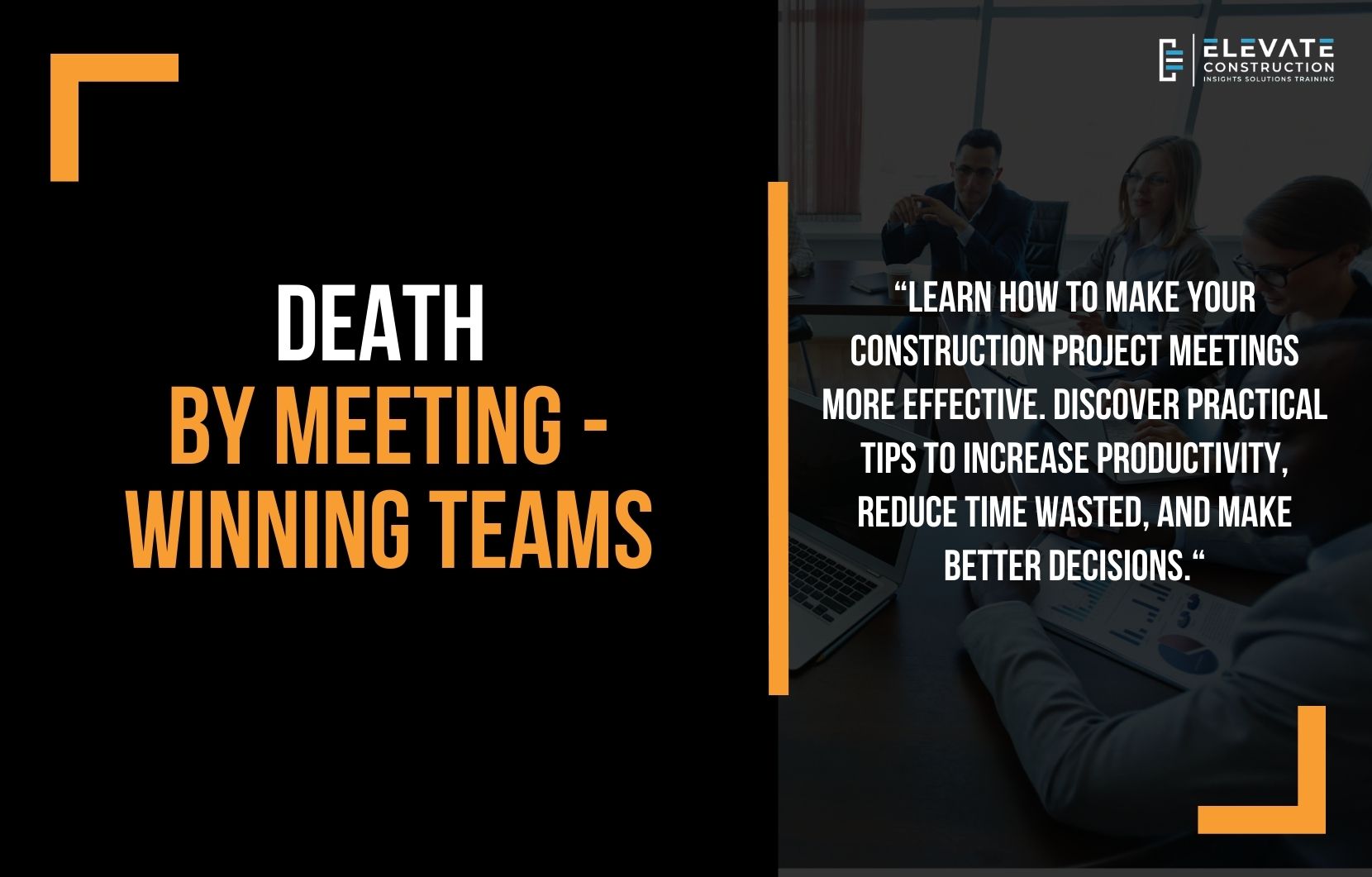
The reality is, if you want to build high-performing teams and successful projects, you need to start loving meetings and more importantly, running them effectively. The key to success on any project is making decisions that push the project forward, and the best decisions happen when the right people are in the right meetings, making clear and focused choices. In this blog, I’ll show you how to transform your meetings from time-wasters into productivity powerhouses that contribute directly to project success.
The Construction Pain: Meetings as a Time Sink
There’s no denying it meetings are often seen as a necessary evil in construction. Everyone has experienced those sessions that drag on forever with no clear outcomes. You sit there wondering, “Why am I even here?” Your mind starts to wander as the conversation goes off-track, and before you know it, you’ve wasted valuable time that could have been spent on the site.
The pain here is clear: ineffective meetings waste time, drain energy, and lead to poor decisions. And in construction, poor decisions lead to delays, mistakes, and increased costs. If meetings aren’t managed well, they can become a serious bottleneck in your project’s progress.
The Root Causes of Bad Meetings
So, why do we have so many bad meetings in construction? The failure pattern is often rooted in several key issues:
- Lack of Focus: When meetings don’t have a clear agenda or purpose, they tend to wander. Participants are unsure about what needs to be accomplished, and as a result, nothing gets done.
- Poor Planning: If the meeting isn’t structured in a way that drives towards a specific goal or decision, it’s easy for time to be wasted on irrelevant topics or back-and-forth discussions that don’t move the project forward.
- No Follow-up: Too often, meetings are held without clear action items or follow-up. People leave the meeting without knowing what they need to do next, and the cycle repeats. This lack of accountability makes it difficult for decisions to stick.
Understanding the Struggle of Ineffective Meetings
I’ve been there sitting through endless meetings, feeling like my time could be better spent out on the site. But here’s the thing: meetings are not inherently bad; it’s how we run them that makes the difference. I get that you’re busy, and I understand that it can feel like you’re being pulled in multiple directions. But when we fail to run effective meetings, we end up losing more time, making mistakes, and causing delays that could have been avoided.
We’ve all been frustrated with meetings that go nowhere, but it’s important to remember that the root cause isn’t the concept of the meeting it’s how it’s organized and executed. As a leader, you need to create meetings that are purposeful, organized, and productive. That’s the key to turning meetings from a waste of time into a valuable tool for your team’s success.
Transforming Meetings for Better Results
I remember a time on a high-profile project when the meetings were incredibly disorganized. People would show up, but it felt like no one was really on the same page. The conversations would go off-track, and at the end of the meeting, we weren’t any closer to solving the problems we faced on the site. It was frustrating.
So, we made a change. We decided to implement a more structured approach to meetings one with a clear agenda, a specific outcome, and actionable follow-up. The results were astounding. People came to the meetings with purpose, discussions were focused, and decisions were made more efficiently. We even started seeing improved productivity on the job site, because everyone was aligned on the same goals. It wasn’t just about having a meeting; it was about making the meeting serve a clear purpose and driving towards actionable outcomes.
Effective Meetings are the Backbone of a Successful Project
The emotional insight here is this: meetings can be a powerful tool if they’re used correctly. When meetings are run well, they can foster collaboration, clarity, and accountability. They ensure that everyone is on the same page, making decisions that drive the project forward.
The key to running effective meetings is understanding that they aren’t just time blocks on a schedule they are opportunities to align your team, make decisions, and solve problems. When everyone in the room knows what’s expected and what needs to happen next, meetings become a tool for success rather than a time sink.
How to Run Effective Meetings
So how can you ensure that your meetings are productive and drive results? There are three core principles that will help you turn your meetings around:
- Direct the Meeting with a Clear Agenda
The first step in any effective meeting is to have a clear agenda. Without one, meetings will inevitably lose focus. The agenda should outline the specific topics to be covered, the goals of the meeting, and the outcomes expected. Ensure that everyone in the room knows the purpose of the meeting and what is expected of them. This will help prevent tangents and keep the discussion on track. - Motivate the Team by Connecting the Meeting to the Bigger Picture
People need to feel that the meeting matters. They need to understand how the topics being discussed connect to the success of the project. If people don’t see how the meeting impacts the work they’re doing, they won’t engage. Make sure you’re clearly explaining how the decisions made in the meeting will affect the project and the team. This emotional connection will keep people motivated to contribute and stay focused. - Shape the Meeting Path with Actionable Follow-Up
Meetings aren’t effective unless they lead to action. At the end of every meeting, make sure there are clear next steps and accountable individuals. Assign action items and set deadlines. This ensures that the meeting doesn’t just become a talking session but results in tangible progress. By shaping the meeting path this way, you ensure that everyone knows what needs to be done and who is responsible for getting it done.
How to Implement These Ideas Today
If your project needs superintendent coaching, project support, or leadership development, Elevate Construction can help your field teams stabilize, schedule, and flow. But beyond that, the first step in improving your meetings is to put these principles into practice today.
Start by setting a clear agenda for your next meeting. Be intentional about the purpose and the outcomes you want to achieve. Engage your team by explaining how their participation matters. And finally, make sure that every meeting ends with clear, actionable follow-up. This is how you turn meetings into a productivity tool that moves your projects forward.
Connect to Elevate Construction’s Mission
At Elevate Construction, we believe that every aspect of your project should be focused on building a high-performance team. Effective meetings are an essential part of that process. By prioritizing clear communication, decision-making, and accountability, we help you create a culture of efficiency and alignment, ensuring your projects stay on track and your teams are empowered to succeed.
A Challenge for You
Meetings don’t have to be a waste of time. They can be a powerful tool for collaboration and decision-making when run effectively. As Jason Schroeder always says, “Meetings should work for you, not the other way around.” Start implementing these strategies today and transform your team’s approach to meetings. You’ll be amazed at the difference it can make in your project’s success.
FAQ
Why are meetings in construction so often ineffective?
Ineffective meetings in construction are usually a result of poor planning, lack of direction, and unclear follow-up. Without a structured agenda and clear goals, meetings can become a waste of time.
How can I make my meetings more productive?
To make meetings productive, start by setting a clear agenda, motivating your team by connecting the meeting to the bigger picture, and ending with actionable follow-up. Ensure that everyone knows their role and responsibilities.
What’s the key to a successful meeting in construction?
The key is clear direction, emotional connection, and a path to action. By making meetings purposeful and outcome-driven, you can transform them from time-wasters into productivity boosters.
If you want to learn more we have:
-Takt Virtual Training: (Click here)
-Check out our Youtube channel for more info: (Click here)
-Listen to the Elevate Construction podcast: (Click here)
-Check out our training programs and certifications: (Click here)
-The Takt Book: (Click here)
Discover Jason’s Expertise:
Meet Jason Schroeder, the driving force behind Elevate Construction IST. As the company’s owner and principal consultant, he’s dedicated to taking construction to new heights. With a wealth of industry experience, he’s crafted the Field Engineer Boot Camp and Superintendent Boot Camp – intensive training programs engineered to cultivate top-tier leaders capable of steering their teams towards success. Jason’s vision? To expand his training initiatives across the nation, empowering construction firms to soar to unprecedented levels of excellence.
On we go