The Role of Leadership in Fostering Team Success
In construction, teams are everything. Whether you’re overseeing a small project or leading a massive build, the strength of your team can make or break the outcome. A successful project isn’t just about managing deadlines and budgets it’s about managing the people who will ultimately bring that project to life.
As a leader, the challenge isn’t just about getting the job done; it’s about building the team that will get it done. This is where leadership comes in. Leadership isn’t just about giving orders it’s about understanding what makes your team tick, guiding them, and helping them achieve their full potential.
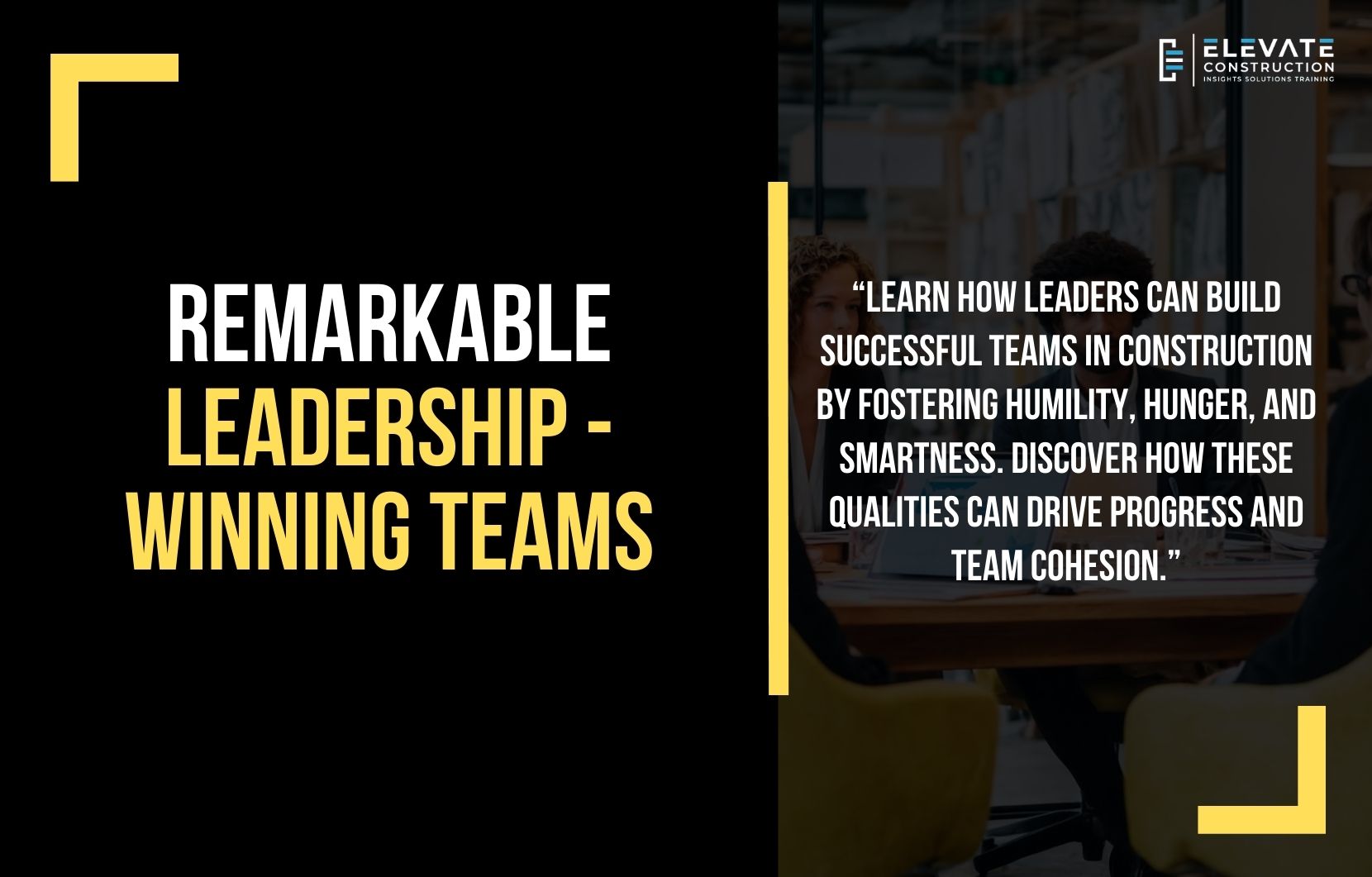
In today’s blog, we’ll explore how leaders in construction can positively influence their teams by fostering a culture based on humility, hunger, and people smarts key qualities of an ideal team player that ensure team success. These aren’t just nice-to-have traits; they’re essential for creating a cohesive, high-performing team capable of tackling any challenge.
Team Dysfunction and Lack of Leadership
There’s a common issue I’ve seen time and time again on construction sites dysfunctional teams. The frustration of watching a project stall because the team isn’t working together cohesively is one of the biggest pains any leader can face. Maybe there’s friction between team members, or someone isn’t pulling their weight, or worse, there’s a lack of clarity around roles and expectations. Whatever the cause, when teams are dysfunctional, projects suffer.
The issue is rarely about technical skills. It’s about how people work together or fail to. I’ve been on projects where the crew was full of capable, hardworking individuals, but their collective performance was less than the sum of their parts. Why? Because they lacked the cohesion that comes from mutual respect, shared values, and an understanding of the bigger picture.
Lack of Humility, Hunger, and Smartness
The core failure pattern behind team dysfunction often boils down to three key qualities or the lack of them: humility, hunger, and smartness. These traits are the foundation of a high-performing team. If any one of them is missing, it becomes an obstacle to team success. Let’s break it down:
- Humility: Without humility, team members focus on their own recognition and success rather than working together for the greater good. They become defensive, protective of their own turf, and unwilling to give credit where credit is due.
- Hunger: A lack of hunger means team members aren’t motivated to go above and beyond. They’ll do the bare minimum, but they won’t push for improvement, innovation, or growth. In construction, this means delays, missed opportunities for efficiency, and ultimately, a lack of progress.
- Smartness: Not everyone is “smart” in the traditional sense, but a lack of people smarts can quickly derail a team. Smart people understand group dynamics and know how to engage, listen, and collaborate effectively. Without people smarts, team members can create unnecessary tension, misunderstand each other, and fail to resolve conflicts productively.
These three qualities humility, hunger, and smartness are not just “nice-to-haves” for a team; they are the foundation of success.
Recognizing the Struggles of Team Members
I get it. The construction world is fast-paced, high-pressure, and sometimes, it feels like everyone is just trying to keep their heads above water. It’s easy for team members to become disengaged, especially when they’re not given the right leadership or guidance. They may not understand how their role fits into the bigger picture, or they might feel unappreciated, which leads to frustration.
But here’s the thing team dysfunction doesn’t have to be permanent. As a leader, you can turn things around by recognizing where the gaps are and taking action. By focusing on developing the qualities of humility, hunger, and smartness within your team, you can create a culture where everyone is engaged, aligned, and working toward a common goal.
Building the Right Team Culture
I remember a time on a project when we had a team of highly skilled individuals, but there was a lack of cohesion. There was no shared sense of purpose, and the team members weren’t communicating effectively. I knew the project was going to fail if we didn’t turn things around.
Instead of pointing fingers, we focused on building a better team culture. We held regular meetings to ensure everyone understood the project goals and how their individual contributions fit into the larger picture. We made a point to celebrate achievements, no matter how small, and gave credit to those who went above and beyond.
We also encouraged open communication, where people could voice concerns and suggest improvements. This helped build trust among the team and created a culture of collaboration rather than competition. Slowly but surely, the atmosphere on the job site shifted. People started taking ownership of their roles, collaborating more effectively, and the project began to move forward more smoothly.
Building the Right Team Culture Starts with Leadership
The emotional insight here is that building a high-performing team isn’t just about skills it’s about culture. When your team members feel valued, respected, and connected to the project, they perform better. They go above and beyond because they care about the success of the team, not just their own success.
As a leader, your job is to create an environment where these three qualities humility, hunger, and smartness are not just encouraged, but expected. When you create a culture where these qualities are the norm, your team will thrive. And when your team thrives, your projects succeed.
How to Cultivate Humble, Hungry, and Smart Team Players
So how do you cultivate these key qualities in your team? Here’s a framework for fostering a culture of humility, hunger, and smartness:
- Lead by Example with Humility
Humility starts with the leader. If you want your team to be humble, you need to model humility yourself. Show your team that you value their contributions and are willing to put the needs of the team above your own ego. Be open about your mistakes and seek feedback. When your team sees you act with humility, they will follow suit. - Encourage Hunger Through Opportunities
Hunger is about motivation and drive. To foster hunger, create opportunities for team members to take on new challenges and responsibilities. Give them the autonomy to own their work, and encourage them to seek out learning opportunities. Hungry team members are self-driven and are always looking for ways to improve, so provide the tools and resources they need to grow. - Develop Smartness in People Dynamics
People smartness is about emotional intelligence and understanding how to interact effectively with others. To build this quality in your team, encourage open communication, active listening, and healthy conflict. Provide training on communication and conflict resolution, and create an environment where people feel comfortable addressing issues directly with one another. Smart teams can resolve problems quickly and maintain positive relationships.
Implementing This Framework in Your Team
If your project needs superintendent coaching, project support, or leadership development, Elevate Construction can help your field teams stabilize, schedule, and flow. But beyond that, the real work starts with fostering these qualities within your team. Start by assessing where your team stands in terms of humility, hunger, and smartness. Identify any gaps and begin coaching them toward improvement.
Hold regular feedback sessions, encourage team-building activities, and be intentional about cultivating the right culture. Remember, a high-performing team isn’t built overnight. It takes time, effort, and consistent leadership. But with the right approach, you can create a team that’s capable of achieving anything.
Connect to Elevate Construction’s Mission
At Elevate Construction, we believe that the success of a project is determined by the strength of the team. That’s why we focus on developing leaders who can foster humility, hunger, and smartness within their teams. By building a culture based on these core qualities, we help our clients create high-performance teams that can achieve exceptional results on every project.
A Challenge for You
Creating a high-performing team requires intentional effort. Start by cultivating humility, hunger, and smartness in yourself and your team. As Jason Schroeder always says, “When your team understands the bigger picture and is aligned with your values, your project will thrive.” The question is: are you ready to take the first step in building a team that will set your projects up for success?
FAQ
What makes a team player ideal for construction projects?
An ideal team player in construction is humble, hungry, and smart. They are willing to put the team’s needs ahead of their own, they are motivated to go above and beyond, and they are able to communicate and collaborate effectively with others.
How do I foster humility, hunger, and smartness in my team?
Lead by example, create opportunities for growth, and encourage open communication. Model the behaviors you want to see in your team, and provide the resources and support they need to succeed.
Why is humility important for a successful construction team?
Humility ensures that team members prioritize collaboration over personal recognition. It fosters a culture where everyone’s contributions are valued, and the team can work together toward a shared goal.
If you want to learn more we have:
-Takt Virtual Training: (Click here)
-Check out our Youtube channel for more info: (Click here)
-Listen to the Elevate Construction podcast: (Click here)
-Check out our training programs and certifications: (Click here)
-The Takt Book: (Click here)
Discover Jason’s Expertise:
Meet Jason Schroeder, the driving force behind Elevate Construction IST. As the company’s owner and principal consultant, he’s dedicated to taking construction to new heights. With a wealth of industry experience, he’s crafted the Field Engineer Boot Camp and Superintendent Boot Camp – intensive training programs engineered to cultivate top-tier leaders capable of steering their teams towards success. Jason’s vision? To expand his training initiatives across the nation, empowering construction firms to soar to unprecedented levels of excellence.
On we go