
Takt Production System®
Build with Flow, Not Chaos
What is the Takt
Production System®?
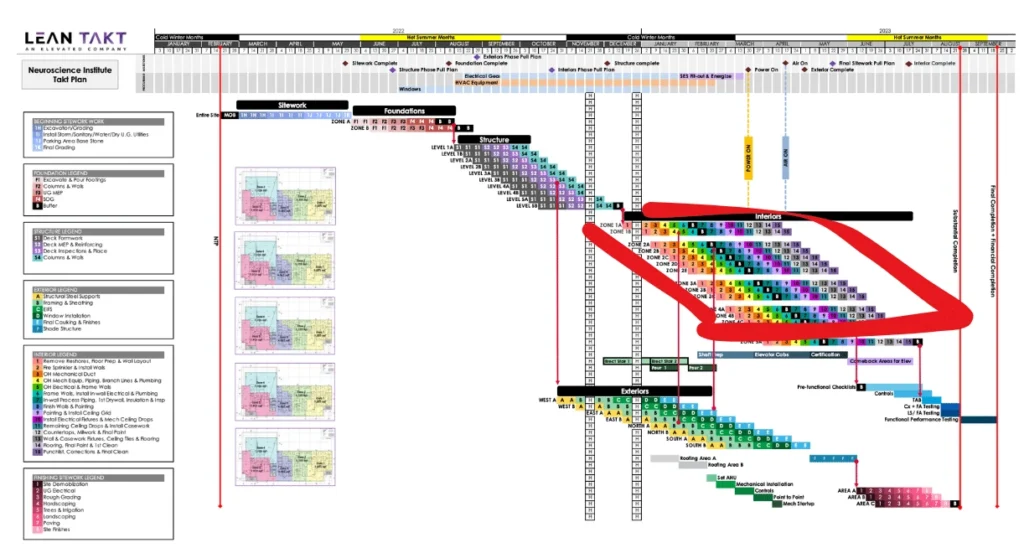
Takt Planning
- Organize the project into clear zones so work moves faster, handoffs are cleaner, and flow is easier to control.
- Establish a Takt rhythm so production moves predictably instead of randomly.
- Align trades in sequence so work flows without stacking or interference.
- Build buffers into the plan to absorb delays and protect workflow stability.
- Build the plan with trade input so it is realistic, trusted, and accountable.
- Manage the plan as a team so field decisions stay connected to the production flow.
Takt Steering & Control
- Manage constraints early so system issues do not become field delays.
- Remove roadblocks in real time so crews are not waiting on information, materials, access, or decisions.
- Control zone handoffs and trade coordination so crews can enter work areas without conflict or waiting.
- Makes problems visible early so teams can solve issues before they impact production.
- Support quality at the source so defects and rework are reduced.
- Enable continuous improvement so the project gets more stable, predictable, and efficient as the work progresses.

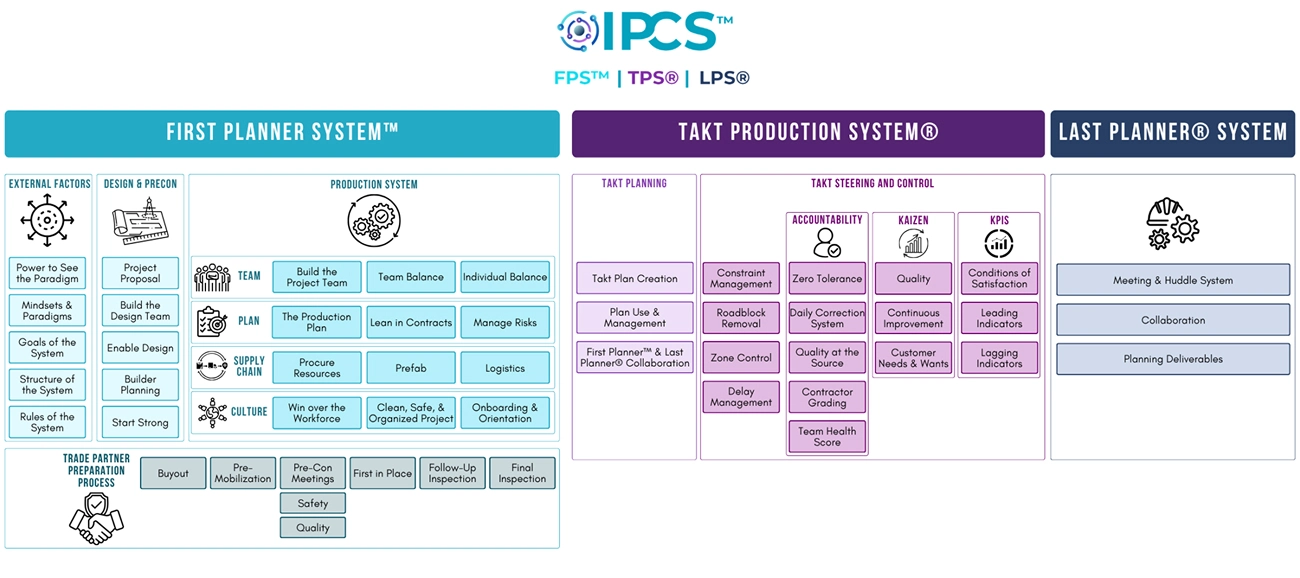
Takt Production System®
Takt Planning
Takt Steering and control
Accountability
Kaizen
Kpis
| Traditional Scheduling | TPS® Lean Production |
|---|---|
| Unrealistic schedules | Trade-built production plans |
| Reactive planning | Look-ahead planning to solve problems early |
| Push scheduling | Pull-based coordination |
| Trade stacking | Continuous flow |
| Firefighting / random starts and stops | Predictable rhythm |
| Hidden bottlenecks | Visual production control |
| Reactive management | Constraint management |
| Stop work waiting on roadblocks | Real-time roadblock removal |
| Delays collapse the schedule | Buffers protect production |
| Poor handoffs | Controlled zone handoffs |
| Rework and defects | Quality at the source |
Explore the system visually

How Takt Production System®
Helps Your Project Flow
01
1 Predictable Schedules
02
2 Faster Delivery
03
3 Stabilized Workflow
04
4 Higher Productivity
05
5 Improved Field Conditions
06
6 Real-Time Control
TPS® is Part of the IPCS™
First Planner System® →
Builds the System
- Defines the production strategy before construction begins.
- Aligns teams, logistics, and procurement before work starts.
- Identifies constraints and risks early.
- Creates the Macro-level plan and overall project direction.
How TPS Supports First Planner
- Converts strategy into zones and production flow.
- Aligns procurement and logistics with production timing.
- Builds buffers to protect workflow stability.
- Confirms plans are buildable before execution begins.
Last Planner® System →
Executes the work
- Engages foremen and trade partners in planning the work.
- Turns plans into weekly and daily commitments.
- Makes sure work is ready before crews begin by identifying roadblocks ahead.
- Communicates the plan clearly to the field.
How TPS Supports Last Planner
- Creates Look-Ahead Plans and Weekly Work Plans from the Takt Plan.
- Makes sure work is sequenced and ready before crews commit.
- Stabilizes workflow so trades can make reliable commitments.
- Shows zones, handoffs, and production status clearly for field execution.
Why This Integration Matters
How leantakt supports the system
Planning integration
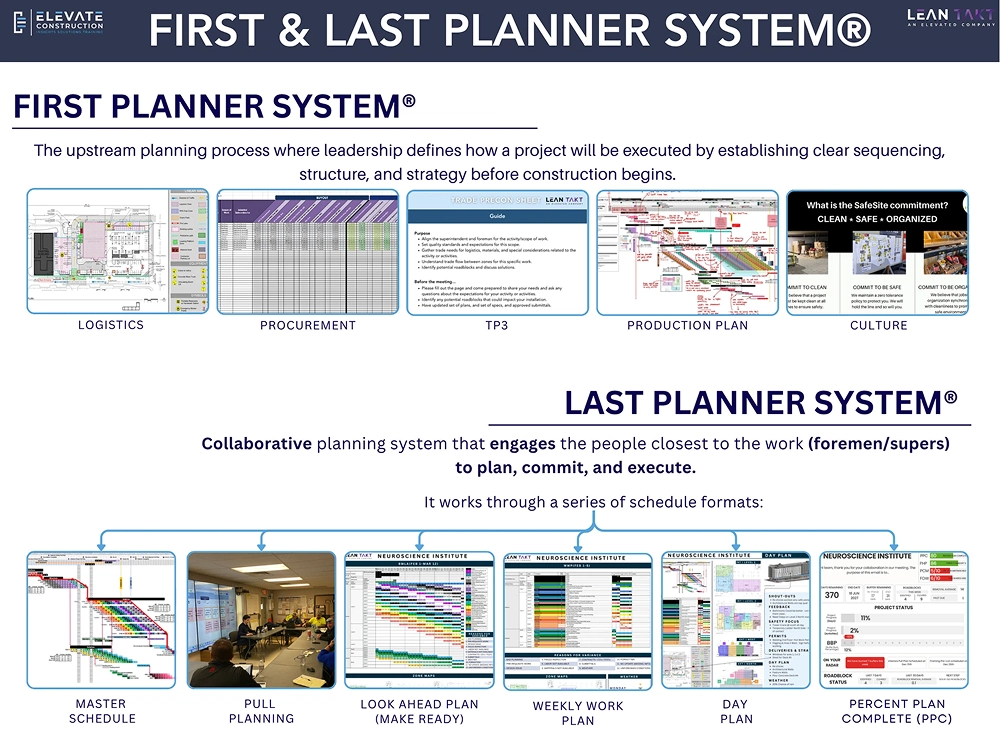
First Planner + Last Planner Integration
Flow protection
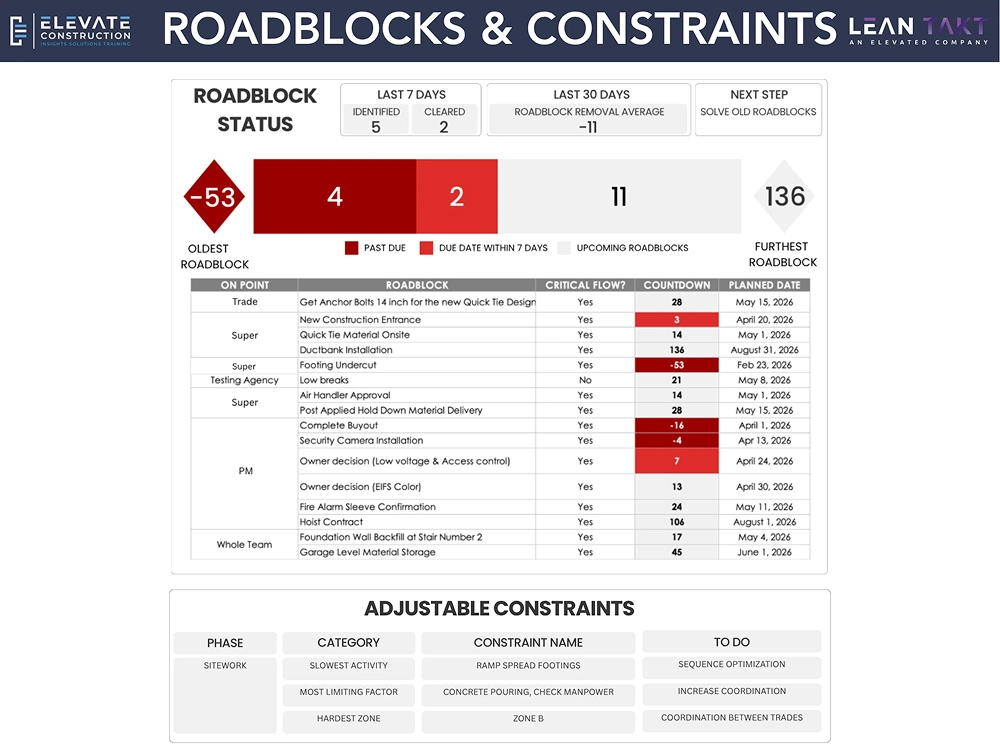
Constraint Management
Roadblock Removal
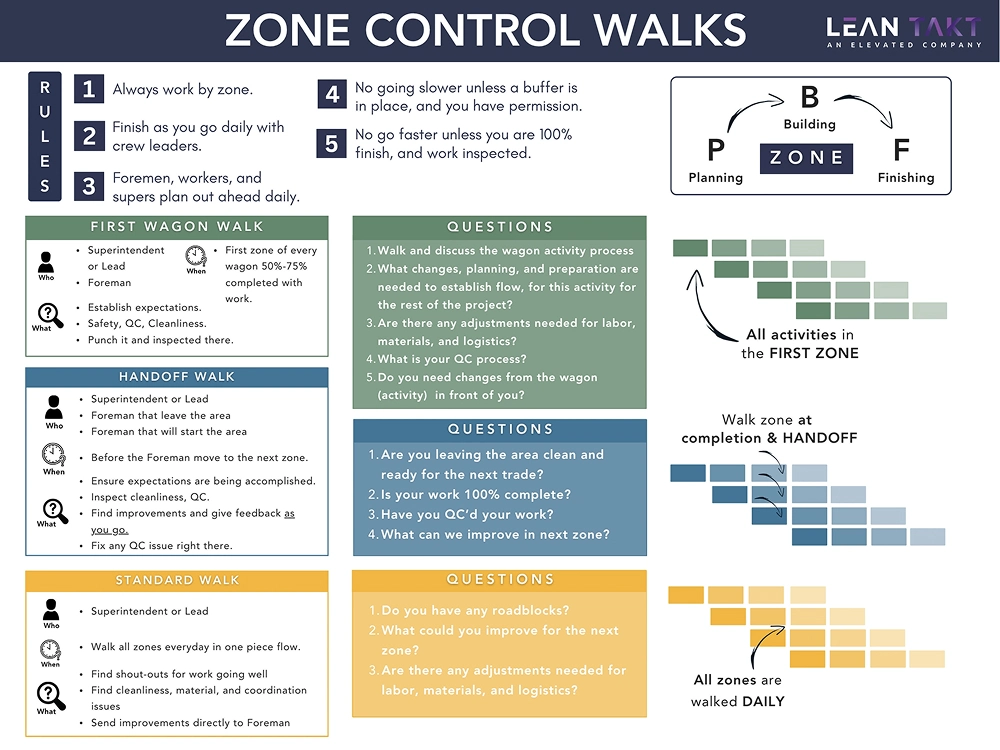
Zone Control
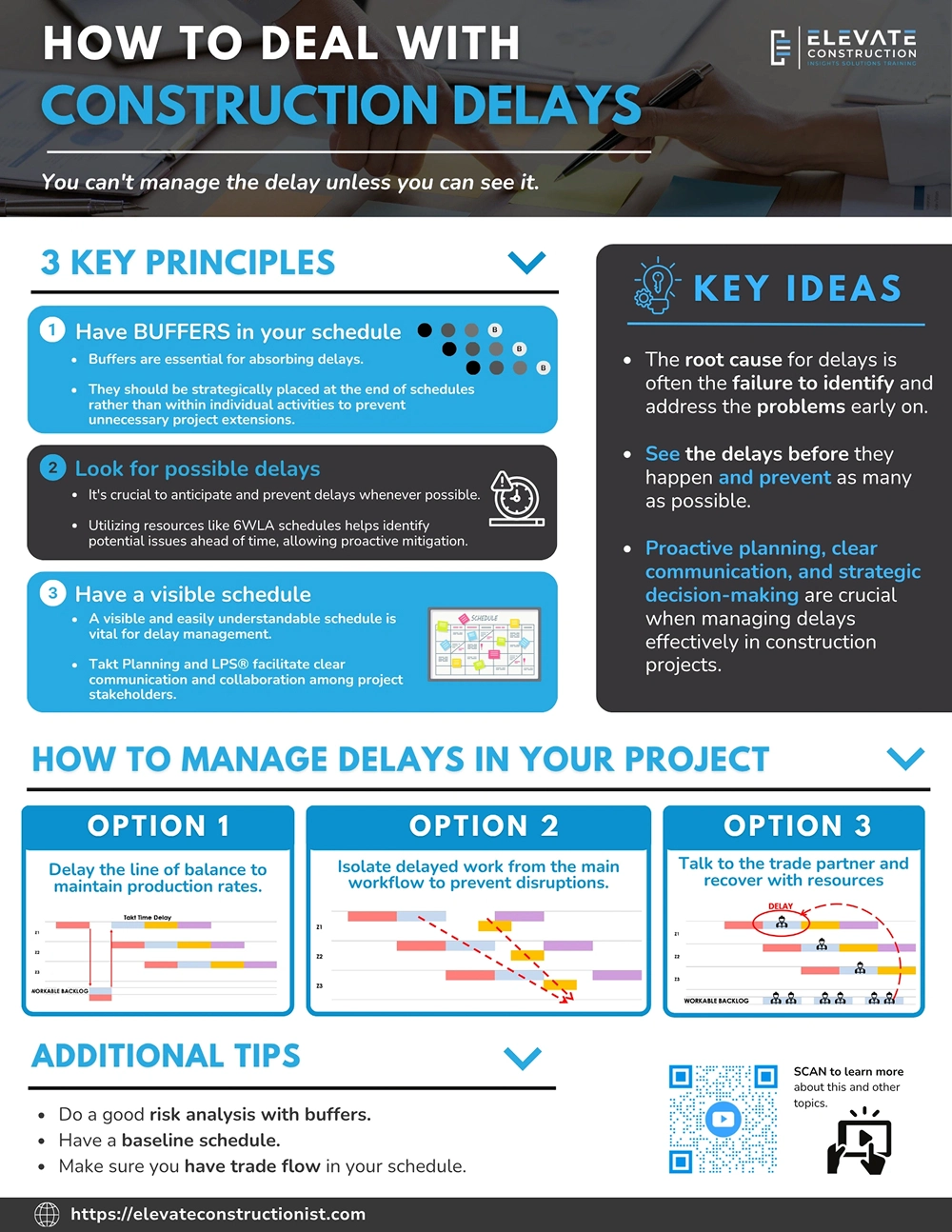
Delay Management
Quality and accountability
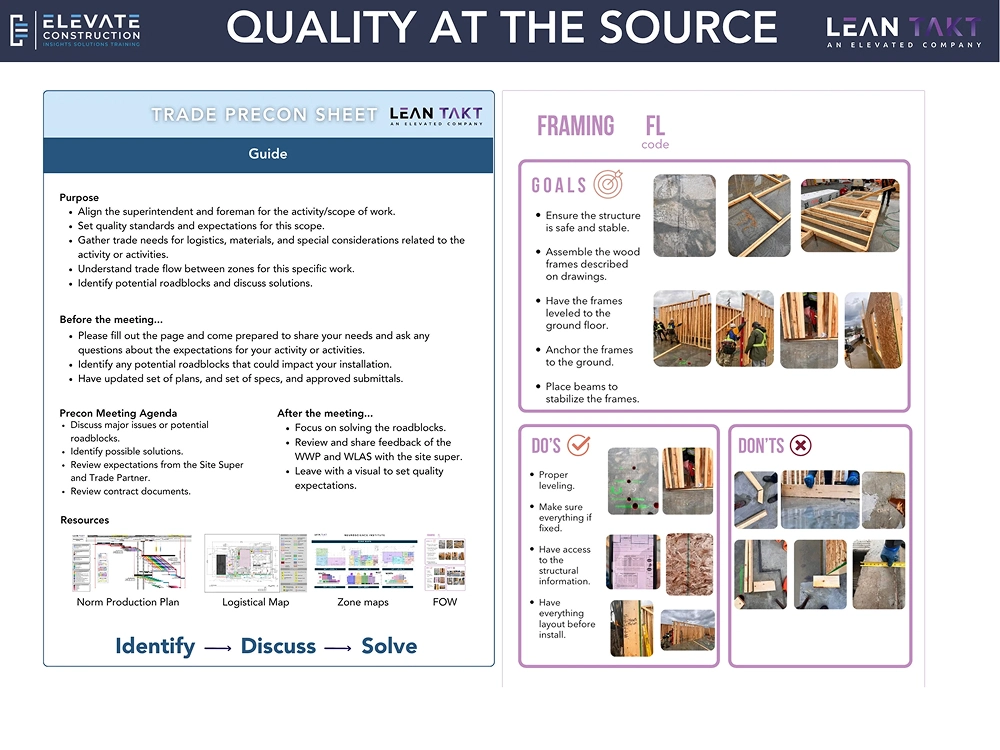
Quality at the Source
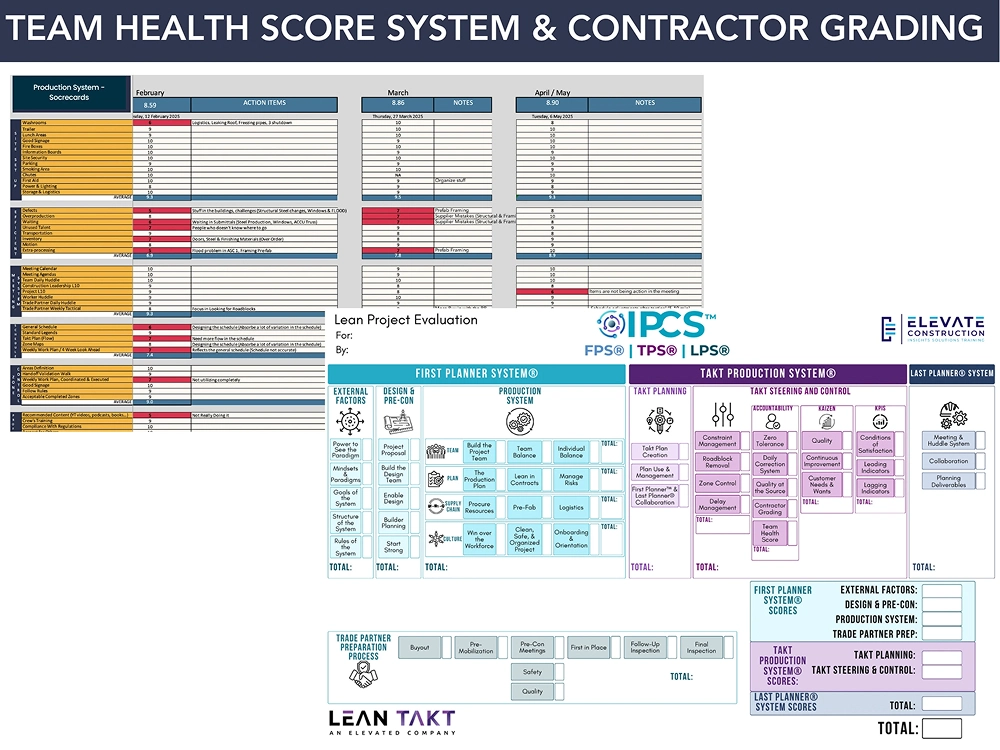
Contractor Grading
Team Health & Alignment
Performance tracking
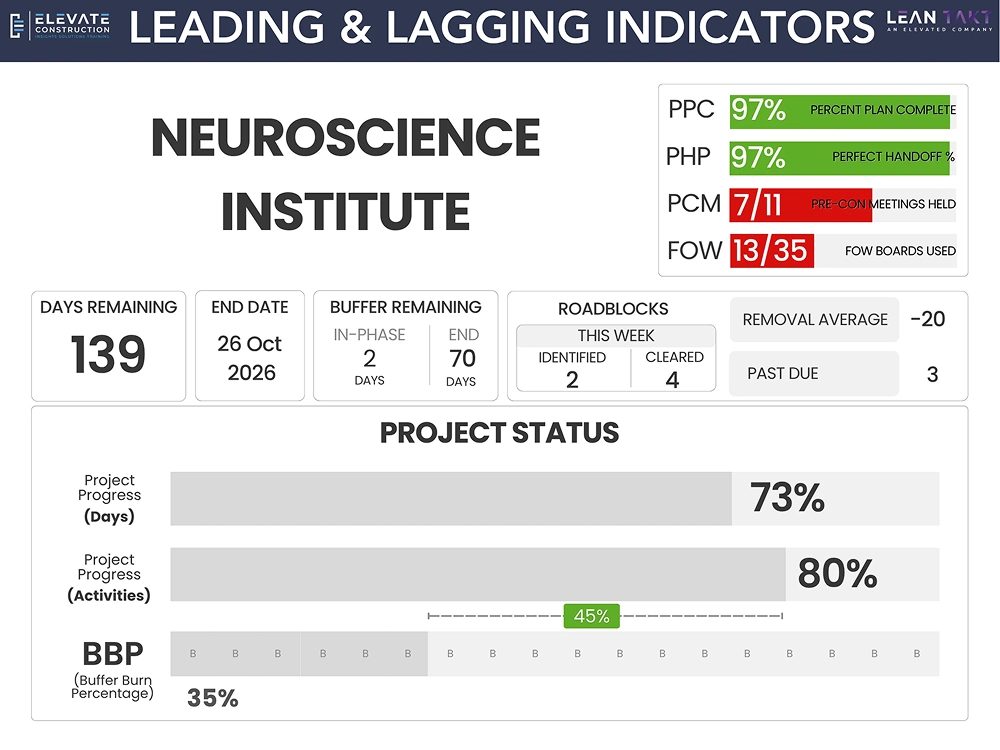
Leading Indicators
Lagging Indicators
Takt Production System® Training We train your team to understand, implement, and sustain TPS®.

Learn TPS®

Implement TPS®

Sustain TPS®
The TPS® connects early planning with field execution. It turns strategy into a clear flow-based plan, helps the field work in the right sequence, and keeps production under control when conditions change.
Build with Flow
- Stop firefighting and trade stacking.
- Build predictable, flow-based production systems.
- Implement the TPS® with planning, control, and field alignment.
FAQ
The Takt Production System® (TPS®) is a complete Lean operating system that creates flow in construction by aligning work with time and space, connecting early planning with field execution.
Takt Planning is a Lean scheduling method that divides work into zones and a steady rhythm (takt), so trades move through the project in sequence and work flows predictably.
Takt Steering & Control is how the plan is maintained in the field—using accountability, KPIs, and continuous improvement (Kaizen) to keep production on track as conditions change.
By making flow visible and sequencing trades deliberately, TPS® removes the bottlenecks, rushing, and rework common in traditional construction schedules.
Superintendents, project managers, schedulers, and trade partners who want reliable production, better coordination, and predictable delivery.
Teams typically see steadier production, fewer delays, better trade coordination, and greater schedule reliability—even when conditions shift.