Generating Energy!, Feat. Brandon Monter‪o‬

Read 23 min

The Missing Ingredient: Why Construction Teams Fail With Perfect Plans

Here’s the deal. You’ve got the Takt plan. You’ve got the Last Planner system dialed in. Your zones are leveled, your buffers are in place, and your roadblock tracker is color-coded and beautiful. You’re ready to flow. But nothing happens.

Your foremen nod in the morning meeting, then drift through the day like they’re walking through mud. Trades show up tired before they start. The superintendent has the knowledge but can’t summon the drive to enforce the standard. You’ve built the machine, but nobody’s turning the key. The problem isn’t your system. The problem is energy. And without it, every framework you’ve learned becomes a shelf full of tools nobody picks up.

The Real Pain: Systems That Don’t Move

Walk any jobsite in America and you’ll see this pattern. Crews with the right training standing in zones they don’t attack. Foremen with clear work packages who spend the day reacting instead of leading. Superintendents with production plans they can’t drive forward because the team has no momentum.

The pain shows up everywhere. Sites that should be clean stay messy because nobody has the drive to maintain the standard. Meetings that should remove roadblocks turn into status updates because the team lacks the energy to solve problems. Work that should flow through zones stacks and stalls because people are going through motions without intensity.

You see it in the morning. Low energy body language. Dragging feet. Eyes down. Teams that used to show up ready now show up defeated. The system didn’t break. The people didn’t quit. They just ran out of fuel.

The Failure Pattern: Relying on Systems Without the Energy to Run Them

Here’s what teams keep doing wrong. They implement Takt planning and expect the rhythm to create itself. They train foremen on Last Planner and assume commitment planning will automatically happen. They install scrum boards and roadblock trackers and wonder why nothing changes.

The assumption is that good systems run themselves. That if you design the flow correctly, people will naturally step into their roles and execute. That knowledge alone creates movement.

It doesn’t. Skills without energy are just concepts collecting dust. You can teach someone the perfect production plan, but if they don’t have the drive to protect it, the plan dies in the first week. You can show a crew how to maintain a clean zone, but if they don’t have the mindset to care, the zone stays chaotic.

Teams keep treating energy like it’s optional. Like motivation is a nice-to-have instead of the engine that powers everything. They focus on the what and the how, but they skip the fuel. And then they wonder why the job feels heavy, why progress stalls, why people burn out even when the plan is solid.

The System Failed Them

Let’s be clear. When teams show up with low energy, it’s not because they’re lazy. It’s because the environment didn’t create the conditions for high energy to exist.

Maybe the plan was dishonest from the start, so crews learned that effort doesn’t matter because the schedule was fiction anyway. Maybe leadership pushed instead of prepared, so people stopped believing that readiness would ever happen. Maybe heroics got celebrated while steady execution got ignored, so the culture trained people to save energy for the next crisis instead of investing it in daily flow.

Low energy is a system response. If the job rewards chaos over stability, people adapt by conserving energy for firefighting. If the plan changes every week, teams stop committing because commitment burns fuel they can’t afford to waste. If clean and organized sites aren’t protected by leadership, crews stop caring because caring costs energy.

The system created the energy problem. And only the system can solve it.

What High Energy Looks Like in the Field

Picture this. A superintendent walks the site every morning with intentional body language. Shoulders square. Eyes up. A genuine smile that signals clarity and confidence. He connects with every foreman, every trade partner, every crew lead. Not fake positivity, but real presence. Energy that says, “We know what we’re doing today, and we’re going to win.”

The foreman arrives at the zone with the same intensity. He’s not dragging. He’s not reacting. He’s leading. The work package is clear. The materials are staged. The crew has everything they need to install without fighting for basics. The foreman’s energy tells the crew, “This is ready. Let’s flow.”

The site reflects that energy. The trailer is clean and brings people joy when they walk in. The gang boxes are organized. The lay down areas are intentional. The fence line is maintained. Every detail says, “We care about this place, and we care about the people working here.” That’s what energy creates. Movement. Momentum. Production. Teams that don’t just survive the day but attack it with clarity and purpose.

Why Energy Matters More Than You Think

Energy determines whether your Takt plan stays alive or dies in the second week. It determines whether your foremen protect commitments or let them slide. It determines whether your site stays clean or becomes another chaotic mess that disrespects the people working there.

Energy protects families. When teams have the drive to execute stable systems, they finish on time without burning out. When they don’t, the plan collapses, overtime stacks, and evenings disappear. Chaos at work becomes chaos at home. Low energy at the start of the week turns into stolen weekends by the end.

Energy also protects quality. High-energy crews don’t rush. They attack the work with focus and intention. They care about the standard because they have the fuel to maintain it. Low-energy teams cut corners not because they don’t know better, but because they’re conserving what little drive they have left.

And energy enables change. Implementing new systems takes effort. Shifting from CPM to Takt planning requires momentum. Training foremen on Last Planner demands consistent follow-through. If the team has no energy, those changes never stick. The system reverts to old patterns because nobody has the drive to protect the new ones.

How to Build Energy: Practices That Work

Energy doesn’t happen by accident. You create it through intentional practices, both personal and systemic. Start with yourself. High-energy leadership creates high-energy teams. If you show up dragging, the site drags. If you show up with clarity and purpose, the team feels it.

Body language matters. Walk into the trailer with shoulders back and a genuine smile. Make eye contact with your people. Shake hands. Ask real questions and listen to real answers. Your physical presence sets the tone for the entire site. Confident body language creates confidence. Energetic body language creates energy.

Frame your work differently. Stop viewing your task list as burdens hanging over your head and start seeing them as opportunities you get to attack. The difference between “I have to plan this zone” and “I get to design flow for this crew” is everything. One drains energy. The other generates it.

Create waypavers. These are small actions that pave the path toward the mindset you want. If you want to be more approachable, smile at strangers on site. If you want to be more connected, greet every person you pass. If you want to care more, clean one thing that isn’t your responsibility. These small steps build momentum and make high energy the default instead of the exception.

Protect environments that bring joy. Clean trailers. Organized lay down areas. Swept pavement near the hoist. These aren’t luxuries. They’re signals that the team cares, and caring generates energy. A chaotic site drains people. A well-maintained site fuels them.

Build meeting systems that remove roadblocks instead of just updating status. Energy dies in meetings that waste time. It grows in meetings that solve problems and protect flow. If your team leaves the huddle with clarity and next steps, they’ll show up tomorrow ready to execute.

Train your foremen on mindset, not just process. Teach them how to reframe challenges. Teach them how to project confidence even when they’re uncertain. Teach them how to create energy in their crews through intentional presence and clear communication. Skills matter, but energy moves the skills.

Signals That Your Team Has High Energy

You’ll know energy is working when the site changes. Crews show up ready instead of reactive. Foremen attack the day instead of waiting for instructions. The trailer feels different when you walk in because people are engaged, not just present.

Watch for these markers:

  • Teams maintain clean zones without being reminded
  • Foremen protect commitments because they care about the standard
  • Roadblocks get solved quickly because people have the drive to remove friction
  • Meetings stay focused and productive because energy creates urgency
  • The site looks intentional, not chaotic, because the team has the fuel to maintain it

High energy doesn’t mean chaos. It means controlled intensity. It means flow. It means people who believe the plan will work because they have the drive to make it work.

Connect Energy to Respect for People

Energy is how you protect dignity. When you show up with high energy, you signal to your team that their time matters, that their effort matters, that they deserve a stable environment where they can win at work and at home.

Low energy disrespects people. It tells them their work doesn’t matter enough for you to care. It creates environments where they’re fighting for basics instead of installing with flow. It steals their evenings and weekends because the system has no momentum to finish on time.

High energy is a production strategy. It enables the systems that protect flow. It drives the behaviors that maintain standards. It creates the conditions where respect for people becomes real instead of theoretical. If your project needs superintendent coaching, project support, or leadership development, Elevate Construction can help your field teams stabilize, schedule, and flow.

We’re not just building buildings. We’re building people who build things. And that starts with the energy to show up every day with clarity, purpose, and the drive to execute.

The Challenge

Here’s your assignment. Pick one waypaver this week. One small action that paves the path toward the energy you want to create. Smile at every person you pass on site. Clean one area that isn’t your responsibility. Walk into the morning meeting with confident body language even if you don’t feel confident yet.

Energy follows action. Movement creates momentum. Small steps build the path toward the mindset that powers everything else. Don’t wait to feel motivated. Create the conditions that generate motivation, and let the energy follow.

The philosopher William James said, “Action seems to follow feeling, but really action and feeling go together; and by regulating the action, which is under the more direct control of the will, we can indirectly regulate the feeling, which is not.”

Start with the action. The energy will come.

On we go.


FAQ

What if I’m naturally low-energy? Can I still lead construction teams effectively?

Energy isn’t about personality. It’s about intentional practices. You don’t need charisma or extroversion. Start with small waypavers like confident body language and eye contact. Reframe tasks as opportunities instead of burdens. Build environments that bring you joy. Energy is a skill you develop through consistent action, not a personality trait you’re born with.

How do I maintain high energy when the project is behind schedule and everyone’s stressed?

Control what you can control. Remove roadblocks ahead of the work. Protect meeting systems that solve problems instead of just updating status. Be honest about buffers and capacity so the plan doesn’t demand heroics. High energy in difficult moments comes from clarity and stability, not fake positivity. Give your team a clear path forward and they’ll find the drive to execute.

What’s the difference between high energy and toxic hustle culture?

High energy protects people. Hustle culture burns them out. High energy means executing stable systems that let teams win at work and at home. Hustle culture means pushing without readiness and celebrating heroics. If your plan requires burnout to succeed, the plan is broken. Real energy flows from stable production, not chaos. Measure success by whether your team can repeat winning without sacrificing their families.

How do I get my foremen to bring more energy to their crews?

Train them on practices, not just theory. Teach them how body language creates confidence and how to reframe challenges. Give them clear work packages and reliable inputs so they have something worth protecting. Remove roadblocks ahead of their work. Celebrate steady execution, not heroic saves. When foremen see that high energy leads to stable flow, they’ll invest in it.

Can you implement Takt planning without high energy from the team?

No. Takt planning requires consistent execution. Without energy, the rhythm dies. Crews stop flowing through zones, foremen stop protecting commitments, and the plan becomes paperwork. You need energy to maintain Takt steering, remove roadblocks, protect buffers, and enforce standards. Skills matter, but energy moves the system. Build the energy first, then implement the plan, or do them together and let the plan create momentum.

If you want to learn more we have:

-Takt Virtual Training: (Click here)
-Check out our Youtube channel for more info: (Click here) 
-Listen to the Elevate Construction podcast: (Click here) 
-Check out our training programs and certifications: (Click here)
-The Takt Book: (Click here)

Discover Jason’s Expertise:

Meet Jason Schroeder, the driving force behind Elevate Construction IST. As the company’s owner and principal consultant, he’s dedicated to taking construction to new heights. With a wealth of industry experience, he’s crafted the Field Engineer Boot Camp and Superintendent Boot Camp – intensive training programs engineered to cultivate top-tier leaders capable of steering their teams towards success. Jason’s vision? To expand his training initiatives across the nation, empowering construction firms to soar to unprecedented levels of excellence.
How To Start A Lean Project: Team Formation And Kickoff

Read 18 min

How to Start a Lean Construction Project: Team Formation and Kickoff

There is a line I heard years ago that changed the way I think about everything: projects don’t go wrong, they start wrong. Bent Flyvbjerg and Dan Gardner wrote that in their book How Big Things Get Done, and I have not been able to shake it since. I’d add one more layer to it. When projects do go wrong, it is almost always rooted in the team. And if you don’t build that team correctly in pre-construction, no system, no schedule, and no amount of field heroics will save you downstream.

The Pain That Starts Before the First Shovel

You know the feeling. The project mobilizes with energy. The contract is signed. The schedule looks manageable. People are confident. And then slowly, almost invisibly, the cracks appear. Trade partners who were selected on price alone show up unprepared to collaborate. Nobody is quite sure who owns which decision. The owner’s expectations exist somewhere in someone’s head rather than on the wall where the whole team can see them. And the foreman closest to the actual work does not feel safe raising his hand and saying there is a problem. The result is a project that runs entirely on reaction instead of intention. People are working, but not necessarily the right work at the right time in the right sequence.

The Failure Pattern Is in the System, Not the People

The failure pattern on these projects is predictable. Trade partners were invited to bid, not to partner. Purpose was never made specific or shared with the whole team. Roles and communication channels were assumed rather than defined. Nobody created an environment where speaking hard truths was welcome, so problems went underground until they became expensive. These are not people failures. These are system failures. The moment you can see that, you can stop repeating them.

The System Failed Them

I want to be honest about something. When a project team underperforms, the instinct in our industry is to look at who was responsible. But that framing misses the point almost every time. The trades showed up to a system that did not give them what they needed to succeed. The foremen worked inside a communication structure that was never clearly defined. The owner’s expectations never made it to the people doing the daily work. The system failed them. They did not fail the system.

A Story From the Bioscience Lab

I was the project superintendent for a bioscience research laboratory with DPR Construction in Tucson. From day one, that project was built differently. DPR did not select the lowest bidder. They selected partners. Wilson Electric and Sun Mechanical came on board as collaborators. We built the plan together in pre-construction. We enforced Lean together. We were one team before we ever broke ground.

Nick Carrasco was the HVAC foreman for Wilson Electric and later became a senior project manager. He came to one of our Super PM Boot Camps years later, and when I referenced that project, he lit up. He said, “Yep, we did that. I was there.” That kind of validation does not come from a low-bid contract. It comes from starting right.

John Boore, the foreman on that job, is probably the best field leader I have ever worked with. He was blunt. He would tell me the hard truth, and he did it directly. We wanted that. We asked for it. We cleared every roadblock he surfaced. And because of that culture, even when 30 percent of the building was being reconfigured mid-construction by the researchers who were moving in, we still finished on time. That does not happen by accident. It happens because the team was built before the work started.

Why the Kickoff Is a Production Decision

Most project teams treat the kickoff as a formality. A room full of introductions, a slide deck, and a handshake. But the kickoff is one of the highest-leverage moments in the entire project. Every hour invested in getting it right saves days in the field. When a team leaves a kickoff without shared purpose, clear conditions of satisfaction, defined roles, and safe channels for honest communication, they mobilize into the fog. And fog in construction is expensive.

There is a concept worth understanding here. The ninth waste in Lean is not overproduction or defects or waiting. It is lack of alignment. Unhealthy conflict, miscommunication, and sub-optimization all flow from teams that are pulling in different directions. The kickoff is where you eliminate that ninth waste before it ever starts.

How to Start a Lean Project Right

The first move is to choose partners, not bidders. A true partner comes to pre-construction ready to plan together, commits to the production system before mobilizing, and stays invested in the success of the whole project. Price matters. But a right-fit trade partner at a fair price is almost always less expensive than a low bidder who was never aligned with how you build. Here are the signals that separate a genuine partner from a bidder in disguise:

  • They ask questions about the production system, not just the scope
  • They bring their foremen to planning sessions
  • They surface problems early rather than banking them into change orders
  • They stay engaged when the plan changes instead of retreating to the contract

The second move is to align on purpose before anything else gets designed. On the bioscience project, the team’s shared purpose was explicit: finish on time, on budget, with great quality and safety, and implement Lean to its fullest extent including Takt, Last Planner, the Kanban method. Everyone knew it. Everyone bought in. Purpose alignment is not a soft concept. It is a production strategy. Without it, teams optimize for their own scope and sub-optimize the whole.

The third move is to establish conditions of satisfaction in the kickoff and put them somewhere the entire team can see. The owner on the bioscience project said it plainly and repeatedly: keep it safe, don’t be on the news, keep it clean, and don’t mess with the waterproofing. I repeated those conditions in morning worker huddles two to three times a week. Every person on that site knew them. That level of clarity eliminates the guesswork that generates waste. Conditions of satisfaction are specific, measurable, and visible. They are the north star every decision gets measured against.

The fourth move is to create safety for speaking out. This is one of the most underrated disciplines in construction leadership. When people closest to the work do not feel safe raising problems, the problems do not disappear. They go underground and become schedule surprises, quality failures, and budget overruns. You build psychological safety by asking for honest input and then visibly responding to what you hear. When a foreman raises a roadblock in a huddle and the response is problem-solving and follow-through, the culture shifts. Over time, the team learns that honesty is welcome. That is when you start getting the real information you need to run the project well.

The fifth move is to define roles and communication channels before the project mobilizes. Who owns each decision? Who gets called when a trade hits a roadblock? How does the owner’s input reach the field? Without defined channels, information gets filtered, delayed, or lost entirely. Teams that define this in kickoff are teams that maintain alignment when the project gets complex.

The Human Side of Starting Right

Every Lean project that begins with the right team, the right purpose, and the right conditions is a statement about what construction can be. It is a statement that trade partners deserve to be selected as partners, not just bidders. That foremen deserve clear expectations. That the workers doing the daily work deserve flow, not chaos. If your project needs superintendent coaching, project support, or leadership development, Elevate Construction can help your field teams stabilize, schedule, and flow. When you start right, you protect the schedule. You also protect the people inside it. Flow is never an accident, and neither is a team that trusts each other.

A Challenge Before Your Next Kickoff

Before your next project mobilizes, ask yourself these questions honestly: Do we have the right partners? Have we aligned on shared purpose? Do our conditions of satisfaction live somewhere the whole team can see and repeat? Is there safety on this team to surface hard truths early? Are roles and communication channels defined clearly enough that no one has to guess?

W. Edwards Deming said it plainly: “A bad system will beat a good person every time.” The answer is not to find better people. The answer is to build a better system, starting at the very beginning. Projects don’t go wrong. They start wrong. That means they can also start right.

On we go.

Frequently Asked Questions

What does “choose partners, not bidders” actually mean in practice?

It means your trade selection criteria must include cultural fit, willingness to collaborate in pre-construction, and commitment to the production system, not just price. The right partner saves far more in field efficiency than a low bidder ever saves on paper.

Why do conditions of satisfaction matter so much in pre-construction?

Without them, the owner’s expectations live in someone’s head instead of on the wall where the whole team can see them. When conditions are specific, visible, and reinforced in huddles, every decision on the project gets measured against the same standard.

How do you build psychological safety on a construction project?

Ask for hard truths, then respond to them visibly with problem-solving. When a foreman raises a roadblock and sees action, not blame, the culture shifts. That loop repeated consistently is how trust gets built on a jobsite.

What should a Lean kickoff meeting actually accomplish?

It should produce shared purpose, documented conditions of satisfaction, defined roles, clear communication channels, and a team that leaves aligned rather than assuming. The kickoff is not a formality. It is the foundation.

Can these principles apply outside of IPD or Lean contracts?

Absolutely. Partner selection, purpose alignment, conditions of satisfaction, and psychological safety work on any project under any contract delivery method. They are people and systems principles, not contract provisions.

If you want to learn more we have:

-Takt Virtual Training: (Click here)
-Check out our Youtube channel for more info: (Click here) 
-Listen to the Elevate Construction podcast: (Click here) 
-Check out our training programs and certifications: (Click here)
-The Takt Book: (Click here)

Discover Jason’s Expertise:

Meet Jason Schroeder, the driving force behind Elevate Construction IST. As the company’s owner and principal consultant, he’s dedicated to taking construction to new heights. With a wealth of industry experience, he’s crafted the Field Engineer Boot Camp and Superintendent Boot Camp – intensive training programs engineered to cultivate top-tier leaders capable of steering their teams towards success. Jason’s vision? To expand his training initiatives across the nation, empowering construction firms to soar to unprecedented levels of excellence.
On we go

Anticipate Trade Arrival

Read 18 min

Trades Arriving Should Be a Big Deal (The Countdown Clock to the Next Trade Partner)

I have a really cool topic. This won’t take very long, but this is a really, really, really cool concept, in my opinion, and it’s really a mindset. I’ve been talking a lot about lately about how I would queue workers and equipment and vehicles and materials and wouldn’t let anything into the project site unless it was 5S’d and super Lean, and I stand by that. I would 100% do that.

Kate’s Rant: You’re Trapped in a Lean Culture in Japan

In fact, Kate was, and this is kind of fun, it’s not meant to be critical, but I’m trying everything I can to at home be as Lean as possible and to do a good job with my life and family and everything else like that, but she was kind of ranting at me a little bit, which she deserves to do.

She was like, “We’re not Lean, we’re not Lean, we’re not Lean. You can’t be Lean unless you’re in a culture where everybody’s participating, and it’s just, we’re focused on trying to be really open and loving and accepting of children and have a really safe place, and that means that sometimes it’s not as disciplined as maybe a Lean culture would on a construction site, right?”

She said this morning, “When you’re in Japan, you are trapped in a Lean culture. You’re trapped in a Lean culture.” She’s like, “I’m not criticizing the Japanese, but you literally, you’re not like forced into slavery or obedience or anything else like that, but the culture is so strong, you’re trapped. You have to be Lean.”

And I agree with her, and that’s why sometimes it’s hard. I’m constantly trying to fix the house and get things clean and just like trying to be Lean, but we’re not there because it’s not total participation.

Queuing Workers Forces Lean Culture (But Not in a Mean Way)

So queuing workers, equipment, and resources does force the Lean culture and the total participation, but not in a mean way, and this blog that I’m doing right now, it ties into that.

It should be a big deal when a trade is about to arrive on site. That means for the first time, and that means it’s kind of like a countdown clock. It’s like, here’s the countdown clock for the next milestone. Here’s the countdown clock for the overall project, but here’s the countdown clock to the next arriving new trade partner.

Why It Should Be a Big Deal: Receive, Instruct, Orient, Align

Why? Because when we get there, somebody’s got to be on point to receive and help them with their vehicles. Somebody’s got to be there on point to receive and instruct them, and this could be your water spider, but at least welcoming them, but like to receive their first shipment with them of their materials and show them how to kit and inspect the materials.

And somebody’s got to receive basically the crew in orientation and show them where to go. It’s literally the alignment phase, and so your water spider is going to do it, but maybe as a team, if your superintendent’s not there that day, then an assistant superintendent would cover. Maybe the PM would cover one day.

The Countdown Clock: Appreciate, Create Remarkable Experience, Align, Orient

But it should be a countdown clock, and it’d be a big deal that their trade’s coming:

A, because we appreciate them and want them.

B, because we want to create a remarkable experience for them.

C, because we need to align and orient.

And D, because we need to make sure that nothing workers, behaviors, materials, tools, equipment come on site until we are oriented and aligned in the Lean way, then they get past the second gate.

Implementation: Make Anticipation a Big Deal

So I don’t know exactly how that looks in implementation, but it’s an amazing concept that I think we should implement. Let’s make sure that the anticipation of trades is a big deal, noticed, anticipated, and that we create a remarkable experience for them first time out of the gate.

Here’s why trades arriving should be a big deal:

  • Countdown clock to next arriving trade partner: like countdown to next milestone – Should be big deal when trade about to arrive on site. Means for first time, and means it’s kind of like countdown clock. Here’s countdown clock for next milestone. Here’s countdown clock for overall project, but here’s countdown clock to next arriving new trade partner. Should be countdown clock, and be big deal that their trade’s coming.
  • Receive workers, vehicles, materials: show how to kit and inspect materials – When get there, somebody’s got to be on point to receive and help them with their vehicles. Somebody’s got to be there on point to receive and instruct them, and this could be your water spider, but at least welcoming them, but like to receive their first shipment with them of their materials and show them how to kit and inspect the materials. Somebody’s got to receive basically crew in orientation and show them where to go.
  • Alignment phase: water spider, assistant superintendent, or PM can cover – It’s literally alignment phase, and so your water spider is going to do it, but maybe as team, if your superintendent’s not there that day, then assistant superintendent would cover. Maybe PM would cover one day. Should be countdown clock, and be big deal that their trade’s coming.
  • Appreciate them, create remarkable experience, align and orient before second gate – Big deal that their trade’s coming, A, because we appreciate them and want them, B, because we want to create remarkable experience for them, C, because we need to align and orient, and D, because we need to make sure that nothing workers, behaviors, materials, tools, equipment come on site until we are oriented and aligned in Lean way, then they get past second gate.
  • Queuing forces Lean culture and total participation (but not in mean way) – Queuing workers, equipment, and resources does force Lean culture and total participation, but not in mean way. Kate said: “You can’t be Lean unless you’re in culture where everybody’s participating. When you’re in Japan, you are trapped in Lean culture. Culture is so strong, you’re trapped. You have to be Lean.” That’s why sometimes it’s hard. Trying to be Lean, but we’re not there because it’s not total participation.

If your project needs superintendent coaching, project support, or leadership development, Elevate Construction can help your field teams stabilize, schedule, and flow.

A Challenge for Superintendents

Here’s what I want you to do this week. Make it a big deal when a trade is about to arrive on site. Create countdown clock to next arriving new trade partner. Like countdown clock for next milestone, like countdown clock for overall project.

Have somebody on point to receive and help them with their vehicles. Somebody on point to receive and instruct them. This could be your water spider, but at least welcoming them. Receive their first shipment with them of their materials and show them how to kit and inspect the materials.

Receive crew in orientation and show them where to go. It’s literally alignment phase. Water spider going to do it, but maybe as team, if superintendent’s not there that day, then assistant superintendent would cover. Maybe PM would cover one day.

Make it big deal that their trade’s coming because: (A) we appreciate them and want them, (B) we want to create remarkable experience for them, (C) we need to align and orient, and (D) we need to make sure that nothing workers, behaviors, materials, tools, equipment come on site until we are oriented and aligned in Lean way, then they get past second gate.

Queue workers, equipment, and resources. This forces Lean culture and total participation, but not in mean way. Don’t let anything into project site unless it’s 5S’d and super Lean. Orientation and alignment before second gate.

Make sure anticipation of trades is big deal, noticed, anticipated, and that we create remarkable experience for them first time out of gate.

As we say at Elevate, trades arriving should be big deal: countdown clock, receive workers and materials, orientation, alignment. Create remarkable experience first time out gate.

On we go.

Frequently Asked Questions

Why should trades arriving be a big deal?

Should be countdown clock to next arriving new trade partner. Like countdown clock for next milestone, for overall project. Big deal because: (A) we appreciate them and want them, (B) we want to create remarkable experience for them, (C) we need to align and orient, and (D) we need to make sure nothing workers, behaviors, materials, tools, equipment come on site until oriented and aligned in Lean way, then get past second gate.

Who should receive trades when they arrive?

Somebody’s got to be on point to receive and help them with their vehicles. Somebody on point to receive and instruct them. This could be your water spider, but at least welcoming them. Receive their first shipment of materials and show them how to kit and inspect. Receive crew in orientation and show them where to go. Water spider going to do it, but if superintendent’s not there, assistant superintendent would cover. Maybe PM would cover one day.

What is the alignment phase?

It’s literally alignment phase. Receive workers, vehicles, materials. Show how to kit and inspect materials. Receive crew in orientation and show them where to go. Make sure nothing workers, behaviors, materials, tools, equipment come on site until oriented and aligned in Lean way, then get past second gate.

How does queuing force Lean culture?

Queuing workers, equipment, and resources does force Lean culture and total participation, but not in mean way. Can’t be Lean unless in culture where everybody’s participating. In Japan, trapped in Lean culture. Culture is so strong, you’re trapped. You have to be Lean. Queuing creates that total participation.

What should happen before trades get past the second gate?

Make sure that nothing workers, behaviors, materials, tools, equipment come on site until we are oriented and aligned in Lean way, then they get past second gate. Don’t let anything into project site unless it’s 5S’d and super Lean. Orientation and alignment first.

If you want to learn more we have:

-Takt Virtual Training: (Click here)
-Check out our Youtube channel for more info: (Click here) 
-Listen to the Elevate Construction podcast: (Click here) 
-Check out our training programs and certifications: (Click here)
-The Takt Book: (Click here)

Discover Jason’s Expertise:

Meet Jason Schroeder, the driving force behind Elevate Construction IST. As the company’s owner and principal consultant, he’s dedicated to taking construction to new heights. With a wealth of industry experience, he’s crafted the Field Engineer Boot Camp and Superintendent Boot Camp – intensive training programs engineered to cultivate top-tier leaders capable of steering their teams towards success. Jason’s vision? To expand his training initiatives across the nation, empowering construction firms to soar to unprecedented levels of excellence.
On we go

If Your’e Working Weekends, Something Is Broken

Read 19 min

If You’re Working Saturdays, Your System Is Broken (Why Lean Construction Eliminates Weekend Work)

Today I was observing a text chat. With our clients we set up WhatsApp chats with the job site so we can see how things are going.

And again, I just have to reiterate, things start to go well at every company, every job site where you have an operating manual, you provide training to the project delivery team members, and monthly field walks in the form of support. That’s just how it is. That’s just how life works in construction with Lean Systems.

The Text on Saturday: They’re Working Weekends

And I was looking at a text and I was on the weekend and the text on a Saturday, actually I think they even did a Sunday, they were talking about working. They’re working weekends.

And the company I’m talking about is a phenomenal company with phenomenal leadership. And this one job happens to be a one-off, but the company they used to work weekends all the time. And once they implemented theirs in our system, so I’m going to give them a lot of credit here, but specifically the Takt production system, they stopped working Saturdays, like wholesale. And they get their projects done early and it’s phenomenal.

One Superintendent Won’t Adapt: In a Sea of Success, Still Working Saturdays

And there’s this one job where the superintendent, and I’m not blaming people here, he’ll get it, but will not adapt to the systems and just will not do it. Like complains about meetings, complains about flowing on a rhythm, holds to old-timey thoughts of like, “Oh, just move here and do that and get ahead on that floor and blah, blah, blah.”

And it’s just not working. And it’s funny that the person, it’s so funny how human beings act, that he’s in a sea of successful projects with successful supers finishing early, and they’re following the system and he’s not. And he’s not on schedule and they’re working Saturdays.

My First Toxic Thought: Then the Loving Truth

And I just had the thought, just so you know, I’ll be super transparent and tell you my toxicity here. I first thought, “If you work Saturdays, you just don’t know what you’re doing.” And I’m like, “Whoa, whoa, whoa.”

I was out here thinking about this blog. I’m like, “Jason, how can you preach about respect for people and then come at it like that?”

Here’s the deal. If you’re having to work Saturdays, you don’t have a Lean system installed on your project site. That’s probably as loving and kind as I can get about it because there is a root cause to it. And every single time that you implement the system properly, you can get the work done unless there’s a like stupid milestone, but you can get the work done.

The Good News: We Can Fix It

But here’s the deal. If you don’t have a stupid milestone, you can get the work done in time and never have to work a Saturday. So instead of shaming people, I’m going to go at it like this: If you’re working Saturdays, that means a massive part of your system is broken. And that’s good news because we can go fix it.

And so like a lot of these things, it’s not just construction to have a dirty job site. It’s not just construction to have chaos. It’s not just construction to have like massive impacts. And it’s not just construction to have to work Saturdays and weekends.

It’s Not “Just Construction” It’s Poor Construction

And it’s not just construction to be stressed out all the time and be away from your families. That’s just poor construction. That means it’s not Lean. That means it’s classical business management. That means it’s ineffective. That means the person has room to grow.

And that’s great. So, if you’re working weekends, a massive part of your system is broken because you shouldn’t have to if you’re using Lean systems.

Here’s why working Saturdays means your system is broken:

  • Operating manual, training, monthly field walks: things go well at every job site – Things start to go well at every company, every job site where you have operating manual, you provide training to project delivery team members, and monthly field walks in form of support. That’s just how it is. That’s just how life works in construction with Lean Systems. Company used to work weekends all time. Once they implemented theirs in our system, specifically Takt production system, they stopped working Saturdays, like wholesale. And they get their projects done early and phenomenal.
  • Won’t adapt to systems: complains about meetings, flowing on rhythm, old-timey thoughts – One job where superintendent won’t adapt to systems and just will not do it. Complains about meetings, complains about flowing on rhythm, holds to old-timey thoughts of like, “Oh, just move here and do that and get ahead on that floor.” It’s just not working. Funny how human beings act: he’s in sea of successful projects with successful supers finishing early, and they’re following system and he’s not. He’s not on schedule and they’re working Saturdays.
  • Working Saturdays means massive part of system broken: root cause, can get work done – If you’re having to work Saturdays, you don’t have Lean system installed on your project site. That’s probably as loving and kind as I can get about it because there is root cause to it. Every single time that you implement system properly, you can get work done unless there’s stupid milestone, but you can get work done. If don’t have stupid milestone, can get work done in time and never have to work Saturday. If working Saturdays, means massive part of your system is broken. That’s good news because we can go fix it.
  • Not “just construction” it’s poor construction, classical business management, ineffective – It’s not just construction to have dirty job site. Not just construction to have chaos. Not just construction to have massive impacts. Not just construction to have to work Saturdays and weekends. Not just construction to be stressed out all time and be away from your families. That’s just poor construction. That means it’s not Lean. That means it’s classical business management. That means it’s ineffective. That means person has room to grow. And that’s great.
  • Lean systems eliminate weekend work: shouldn’t have to if using Lean systems – Company phenomenal company with phenomenal leadership. Used to work weekends all time. Once they implemented Takt production system, they stopped working Saturdays, like wholesale. Get their projects done early and phenomenal. If you’re working weekends, massive part of your system is broken because you shouldn’t have to if you’re using Lean systems.

If your project needs superintendent coaching, project support, or leadership development, Elevate Construction can help your field teams stabilize, schedule, and flow.

A Challenge for Construction Leaders

Here’s what I want you to do this week. Stop accepting that it’s “just construction” to work Saturdays and weekends. Stop accepting that it’s “just construction” to be stressed out all the time and be away from your families. That’s just poor construction. That means it’s not Lean. That means it’s classical business management. That means it’s ineffective.

If you’re having to work Saturdays, you don’t have Lean system installed on your project site. There is root cause to it. Every single time you implement system properly, you can get work done. If don’t have stupid milestone, can get work done in time and never have to work Saturday.

Instead of shaming people, understand this: If you’re working Saturdays, massive part of your system is broken. That’s good news because we can go fix it.

Get operating manual. Provide training to project delivery team members. Monthly field walks in form of support. That’s just how it is. That’s just how life works in construction with Lean Systems.

Stop complaining about meetings. Stop complaining about flowing on rhythm. Stop holding to old-timey thoughts of “just move here and do that and get ahead on that floor.” Look around. You’re in sea of successful projects with successful supers finishing early. They’re following system. Follow the system.

Company used to work weekends all time. Once they implemented Takt production system, they stopped working Saturdays, like wholesale. Get their projects done early and phenomenal. You can too. As we say at Elevate, working Saturdays means massive part of system is broken. Lean systems eliminate weekend work. Not just construction it’s poor construction. Fix the system.

On we go.

Frequently Asked Questions

Why does working Saturdays mean the system is broken?

If you’re having to work Saturdays, you don’t have Lean system installed on your project site. There is root cause to it. Every single time you implement system properly, you can get work done. If don’t have stupid milestone, can get work done in time and never have to work Saturday. Massive part of system is broken because shouldn’t have to if using Lean systems.

How did this company stop working weekends?

Company used to work weekends all time. Once they implemented Takt production system, they stopped working Saturdays, like wholesale. Get their projects done early and phenomenal. Things start to go well at every job site where have operating manual, provide training to project delivery team members, and monthly field walks in form of support.

What happens when superintendent won’t adapt to systems?

One job where superintendent won’t adapt to systems and just will not do it. Complains about meetings, complains about flowing on rhythm, holds to old-timey thoughts. It’s just not working. He’s in sea of successful projects with successful supers finishing early, and they’re following system and he’s not. He’s not on schedule and they’re working Saturdays.

Is working weekends “just construction”?

No. It’s not just construction to have dirty job site. Not just construction to have chaos. Not just construction to have to work Saturdays and weekends. Not just construction to be stressed out all time and be away from your families. That’s just poor construction. Means it’s not Lean. Means it’s classical business management. Means it’s ineffective.

What’s the good news about working Saturdays?

If you’re working Saturdays, means massive part of your system is broken. That’s good news because we can go fix it. Get operating manual, provide training, monthly field walks. Every single time implement system properly, can get work done in time and never have to work Saturday.

If you want to learn more we have:

-Takt Virtual Training: (Click here)
-Check out our Youtube channel for more info: (Click here) 
-Listen to the Elevate Construction podcast: (Click here) 
-Check out our training programs and certifications: (Click here)
-The Takt Book: (Click here)

Discover Jason’s Expertise:

Meet Jason Schroeder, the driving force behind Elevate Construction IST. As the company’s owner and principal consultant, he’s dedicated to taking construction to new heights. With a wealth of industry experience, he’s crafted the Field Engineer Boot Camp and Superintendent Boot Camp – intensive training programs engineered to cultivate top-tier leaders capable of steering their teams towards success. Jason’s vision? To expand his training initiatives across the nation, empowering construction firms to soar to unprecedented levels of excellence.
On we go

Getting Feedback from People Forced into a System

Read 16 min

Getting Feedback from People Forced Into a System (Why Implementation Matters More Than the System)

Let me tell you a little bit of a story for why I’m thinking about this topic. There’s a client that we work with that is not holding their superintendents accountable. Basically, superintendents in that company can kind of do whatever they want. There’s literally no accountability and they’re not implementing the system and nobody asked the superintendents if they wanted to implement this system.

And one of the big things is the system was forced on them. It wasn’t a scenario where they were given an operating manual and then training and then support on the project site. It was just, “Here, go do this and Lean Takt and Elevate, go figure this out.”

The Right Way: Operating Manual, Training, and Support

And we’ve been very clear ever since the beginning. And interestingly enough, this company has seen other companies have an operating system, which we helped them create. Seen the deployed training and also seen the field walks where you provide support because leadership is really about, in my opinion, clarity, training, and then support to get to that measurement, to get to where they need to be. And they’re not doing any of that. And it literally, it’s just like chucking it over the wall. Like it becomes like this flavor of the month thing that the company is doing and it’s really just not wise in my opinion.

The Survey Results: They’re Grading the Implementation, Not the System

And the kicker of it all is they ask, “Hey, how is it going?” And just so you know, I’m not really worried about it. Like this doesn’t offend me. We’ve got clients like everywhere. Like we work with hundreds of companies that just absolutely love our work. I’m not really worried about this from like an actual, is it accurate standpoint.

But I am worried about it from their standpoint. They’ve surveyed their people and they’re like, “How do you like working with Lean Takt and Elevate? And how do you like the Takt production system?” And it’s, “I don’t like it. It’s something new. My older systems were better. I find it frustrating. I don’t know how to use the software, blah, blah, blah.”

And it’s super interesting because what they’re not grading is us and they’re not grading the Takt production system. They’re grading the failure to follow the process of how scaling actually works.

If You Force a System, Expect Bad Scores

And so my point isn’t to complain, but my point is to make sure that everybody knows if you get asked for feedback from people forced into a system, be prepared to get a bad score over and over and over again. This changes tomorrow, well, not tomorrow, maybe in a month, next month, that’s a little bit dramatic. When we create an operating system, when we deploy training and when we provide monthly support, then the folks will be like, “Yeah, I like this. I see the results go well, I’ll never go back.” It happens every time when you follow that pattern.

Here’s why forcing systems fails:

  • System forced without operating manual, training, or field support: “go figure this out” – System was forced on them. Wasn’t scenario where given operating manual and then training and then support on project site. Was just, “Here, go do this and Lean Takt and Elevate, go figure this out.” We’ve been very clear ever since beginning. This company has seen other companies have operating system, which we helped them create. Seen deployed training and also seen field walks where provide support because leadership really about clarity, training, and then support to get to that measurement, to get to where need to be. They’re not doing any of that. Literally just like chucking it over wall. Becomes flavor of month thing company doing and really just not wise.
  • No accountability: superintendents can do whatever they want, not implementing system – Client not holding their superintendents accountable. Basically superintendents in that company can kind of do whatever they want. Literally no accountability and not implementing system and nobody asked superintendents if wanted to implement this system.
  • Survey results bad: grading failure to follow process, not grading the system itself – They’ve surveyed their people: “How do you like working with Lean Takt and Elevate? How do you like Takt production system?” And it’s, “I don’t like it. It’s something new. My older systems were better. I find it frustrating. I don’t know how to use software.” Super interesting because what they’re not grading is us and not grading Takt production system. They’re grading failure to follow process of how scaling actually works.
  • When follow pattern: operating system, deploy training, provide monthly support, results change – This changes maybe in month, next month. When we create operating system, when deploy training and when provide monthly support, then folks will be like, “Yeah, I like this. I see results go well, I’ll never go back.” Happens every time when follow that pattern.
  • Leadership is clarity, training, and support to get to measurement – Leadership really about, in my opinion, clarity, training, and then support to get to that measurement, to get to where they need to be. Not just chucking it over wall. Not flavor of month. Need operating manual, training, and field support.

If your project needs superintendent coaching, project support, or leadership development, Elevate Construction can help your field teams stabilize, schedule, and flow.

A Warning for Construction Leaders

So that’s just a little warning for me to everybody whom I love. If you get asked for feedback from people forced into a system, be prepared to get a bad score over and over and over again.

A Challenge for Construction Companies

Here’s what I want you to do this week. Stop forcing systems on your people. Stop chucking it over the wall. Stop making it flavor of the month. Give them operating manual. Deploy training. Provide monthly support on project site. Leadership is about clarity, training, and then support to get to that measurement, to get to where they need to be.

Hold superintendents accountable. Don’t let superintendents do whatever they want. Literally no accountability means not implementing system. When you create operating system, deploy training and provide monthly support, then folks will be like, “Yeah, I like this. I see results go well, I’ll never go back.” Happens every time when follow that pattern.

Don’t survey people forced into system and expect good results. What they’re grading is not the system itself. They’re grading failure to follow process of how scaling actually works. “I don’t like it. It’s something new. My older systems were better. I find it frustrating. I don’t know how to use software.” That’s grading implementation failure, not system failure. As we say at Elevate, feedback from people forced into system will be bad. Need operating manual, training, and field support. Without clarity, training, support, system fails.

On we go.

Frequently Asked Questions

Why do people give bad scores when forced into a system?

Because system forced without operating manual, training, or field support. Just, “Here, go do this and Lean Takt and Elevate, go figure this out.” Leadership about clarity, training, and support to get to measurement. They’re not doing any of that. Literally chucking it over wall. Becomes flavor of month thing. Not wise.

What are people actually grading when they say they don’t like the system?

Not grading us and not grading Takt production system. They’re grading failure to follow process of how scaling actually works. Survey results: “I don’t like it. Something new. My older systems were better. I find it frustrating. Don’t know how to use software.” That’s grading implementation failure, not system failure.

What’s the right way to implement a system?

Create operating system, deploy training, provide monthly support. Then folks will be like, “Yeah, I like this. I see results go well, I’ll never go back.” Happens every time when follow that pattern. Leadership is clarity, training, and support to get to measurement.

What happens when there’s no accountability?

Superintendents can do whatever they want. Literally no accountability and not implementing system. Nobody asked superintendents if wanted to implement system. System forced on them. Recipe for failure.

How does this change with proper implementation?

When create operating system, deploy training and provide monthly support, folks say, “Yeah, I like this. I see results go well, I’ll never go back.” Happens every time when follow that pattern. This is process of how scaling actually works.

If you want to learn more we have:

-Takt Virtual Training: (Click here)
-Check out our Youtube channel for more info: (Click here) 
-Listen to the Elevate Construction podcast: (Click here) 
-Check out our training programs and certifications: (Click here)
-The Takt Book: (Click here)

Discover Jason’s Expertise:

Meet Jason Schroeder, the driving force behind Elevate Construction IST. As the company’s owner and principal consultant, he’s dedicated to taking construction to new heights. With a wealth of industry experience, he’s crafted the Field Engineer Boot Camp and Superintendent Boot Camp – intensive training programs engineered to cultivate top-tier leaders capable of steering their teams towards success. Jason’s vision? To expand his training initiatives across the nation, empowering construction firms to soar to unprecedented levels of excellence.
On we go

The 10 Cs

Read 35 min

The 10 C’s for Superintendents Part 1 (Create, Communicate, Control, Clear, Collaborate)

In this blog, we have Joe Daugherty, who’s going to share with us the 10 C’s, and this is really what is expected in their company for field leaders, and it really provides a neat pattern. Joe is a general superintendent with a small GC in Spokane, Washington. He runs jobs but is essentially in charge of their field operations, and they do light commercial, convenience store gas stations, and a lot of tenant improvements.

This is a framework that he’s developed for how their superintendents should run their projects.

The Framework: Control, Calm, and Creating the Right Experience

The 10 C’s were designed to be a framework that will give a clear standard to superintendents on how to lead and execute from start to finish, but still allowing them the freedom to use their own style, leverage their own strengths, that type of thing.

But everything boils down to keeping the job from chaos. We want control, and we want calm. And everything is rooted in creating that type of experience for not only us, our self-performed guys, and our customer, but our trades as well. We want the trades to say, “Oh, it’s a Cornerstone project? Oh, yeah, yeah. I want to do that one. I want to be on that one.” That’s what we want.

C #1: Create the Plan

The first one is create the plan. Fundamentally, a superintendent needs to know how he’s going to get from start to finish. A lot of guys out there will just show up, and they’ll set up their trailer, and they’ll just start going without a plan.

And if I was going to get in my car and visit Jason, I wouldn’t just get on the freeway and start driving west and south. I would want to know where I’m going. And so, it’s really important for the superintendent to have a plan, understand how he doesn’t necessarily at the beginning have to have all those details. He doesn’t have to have it down to the micro level.

But he needs to understand that, for instance, if we’re talking about a fuel station, he needs to understand that, “OK, I’m getting my underground storage tanks in early, and I’m moving on to my building. Then I’m understanding when site work is going on, how I’m going to move into finishes, and understand that we’ve got a six-month time frame here to do this. How am I going to do that?”

Creating the plan is essential, because otherwise, if it’s not your plan, then you’re stuck just reacting to someone else’s version of it. So, this is about understanding the job, sequencing it correctly, and thinking ahead before the work actually starts.

C #2: Communicate the Plan

The second one is communicate the plan. We all know that if you could have the greatest plan in the world, but if you keep it in your head, it’s no plan at all. And that might seem basic, but I find myself falling into that pattern sometimes without realizing it. I’ve got a plan for the week, but then I’ll realize, how have I really told everybody what this plan is and what I want to get done?

So, it is a constant reminder that we need to use our voices. We need to talk. I like to call them, I don’t know why I started calling them, I don’t call them daily huddles. I just call them a muster. Just getting everybody together, set the expectations. So, everybody knows, nobody can say that I didn’t know I was supposed to do that.

But also, beyond that, they have to have the big picture. We had a superintendent work for the company who isn’t with us any longer, but he would always say things like, “I don’t like to give the guys the big picture because then they start thinking for themselves.” Like, yes. That’s a good thing.

But anyway, so it’s surprising how many people think like that, but communicate the plan. Because that’s where most of us struggle. We have the plan, but we don’t fully communicate it. And if the team doesn’t know the plan, then there isn’t one.

Clear is kind. Unclear is unkind. We use that at Cornerstone all the time.

The Best Tool for Communicating: Big Screen in the Trailer

What is your biggest trick for communicating the plan? A big screen in my trailer. And you can visualize everything right then and there. Our trailers aren’t real big. We don’t have double wides or anything like that. Our job trailers are generally like eight by 25 or something like that. So there’s not a lot of room for getting guys to assemble.

So, when you’re in the early phases of a project where it might be cold and wet and you’ve got no structure, a lot of times I’ll have to do these things over a Teams call or a Zoom call. But I always have a big screen on my trailer wall. And it’s usually connected to one of my monitors, it’s a mirror of one of my monitors.

And so, I could bring up the Takt plan. I use Intakt pretty much exclusively now, but you remember a point where I was using Bluebeam to kind of map out that plan. So, either or, just getting that thing up on the wall so people can see it in real time is probably the most important thing.

C #3: Control the Environment

Controlling the environment. People can feel when they walk on a job site if the job site’s calm or chaotic. You can just, you’ve been in those situations where you can feel tension in the air. And so, it’s very important for the superintendent—and this is why we talk about keeping a clean site and organized site, safety at the forefront. You want people to know when they step on the site, this job’s under control.

So controlling the environment is the third C. And the thing about these C’s is they’re all, they all dovetail with each other because another way that you can control your environment is by creating a plan and communicating the plan. So, they all kind of work together.

The Concert Analogy: Security Makes the Concert Fun

An analogy came to me. Let’s say you’re going to a concert. If you don’t have control of whether or not people bring in full cans of beer or phones or whatever, and one person in the audience throws their phone at the performer and then they cancel the concert, that’s not respectful to people.

But if those security lines are like, “Nope, you will open your sodas or your beer so that you can’t throw them on stage. No, we are locking up the phones. No, we are making sure there’s no weapons. No, we are making sure that it’s a safe, secure environment. Only people who have bought tickets are in here.” Then you go and you enjoy the concert and people have fun.

So, nobody would say, “Oh my gosh, I didn’t have any fun at the concert because I had to go through security.” No, security and the rules are what make the concert fun. It’s the same thing on our job sites. We have absolute control of the environment, the safety and the cleanliness because that is what allows human beings to have fun, enjoy their work and go home safe every night.

C #4: Clear the Path

Next C: clear the path. And so, this is a big thing for a superintendent. Superintendent is there to make sure that everybody has the tools and opportunity to succeed. If your electrician falls flat and you allowed the plumber to stack, or your civil contractor needs to know some drywall locations, you can’t, you have to make sure you get that done for them. You get it done on time.

One of the big things, when I do my job walks, I’ll just walk up. I’ll say, “Hey, Paul, how’s your world today? What can I do for you? Is there anything I could do?” The proverbial greasing of the wheels so that the machine can keep moving forward.

So, clearing the path. Every day, the superintendent’s looking: “OK. What could slow my team down? What could slow the plan down? What could become a roadblock or an obstacle if I let it? How do I eliminate this before it becomes a problem?”

I remember a long time ago, a superintendent said, “Yeah, I’ve only got two guys here. I really need to hold on to these guys in case any fires pop up. I gotta make sure I got a guy here.” And I’m just thinking, “You’re planning on fires.” We should plan on not having fires.

Leadership Is Clarity, Training, and Support

Before I went to Japan, I couldn’t really explain what leadership is. And in Japan, I learned it’s clarity, training, and support. If you’re a leader, if you are clear about where we’re going, you enable your people through training and capability, and you support them along their path. And that’s what you’re talking about: clear the path.

C #5: Collaborate with the Team

The fifth C is collaborating with the team. You’re not going to build it alone. All of the people on your project are professionals with skills. They should have say-so on what the best way for them to do their job is. But you have to communicate about these things. You have to talk about these things.

So ultimately, you’re not going to do what’s best for one person or self-optimize your schedule, but you’re coming up with a plan together on how you’re going to get this job complete. And you can’t just create your schedule and go out and tell your guys exactly what they’re going to do. Because you need their input. You need their expertise. You need their professional experience on how to get your project done efficiently with the quality the customer deserves.

I’ve heard superintendents who all they do is complain about their subs and how they’re not performing and they make it out that the trades are their enemies, and they’re going to get the job done in spite of them. But that’s just so sad to me when I see that type of attitude from a superintendent, because the first thing I want to do is make sure that guys are able to do the job and go home and feel like they accomplished something. Not stifled. Not put in a box.

When people feel like they’re part of the plan, they execute better.

Here are the first 5 C’s for superintendents:

  • Create the plan: understand job, sequence correctly, think ahead before work starts – Fundamentally, superintendent needs to know how going to get from start to finish. Lot of guys just show up, set up trailer, start going without plan. Wouldn’t just get on freeway and start driving. Want to know where going. Important for superintendent to have plan, understand how. Doesn’t necessarily have to have all details down to micro level. But needs to understand: getting underground storage tanks in early, moving on to building, understanding when site work going on, how moving into finishes, got six-month time frame. Creating plan essential, because otherwise, if not your plan, stuck reacting to someone else’s version of it. About understanding job, sequencing correctly, thinking ahead before work actually starts.
  • Communicate the plan: big screen in trailer, muster, give big picture – If could have greatest plan in world, but if keep in head, it’s no plan at all. Might seem basic, but find myself falling into that pattern without realizing it. Got plan for week, but realize how have I really told everybody what this plan is. Constant reminder need to use voices. Need to talk. Call them muster. Getting everybody together, set expectations. Everybody knows, nobody can say didn’t know supposed to do that. Also beyond that, have to have big picture. Clear is kind. Unclear is unkind. Use big screen in trailer. Always have big screen on trailer wall connected to monitors. Bring up Takt plan. Use Intakt exclusively now. Getting thing up on wall so people can see in real time most important thing.
  • Control the environment: clean site, organized site, safety at forefront – People can feel when walk on job site if job site’s calm or chaotic. Can feel tension in air. Very important for superintendent—this is why talk about keeping clean site and organized site, safety at forefront. Want people to know when step on site, this job’s under control. Controlling environment is third C. These C’s all dovetail with each other because another way control environment is by creating plan and communicating plan. All work together. Like concert: security and rules are what make concert fun. Same thing on job sites. Have absolute control of environment, safety and cleanliness because that is what allows human beings to have fun, enjoy work and go home safe every night.
  • Clear the path: grease wheels, eliminate roadblocks before they become problems – Superintendent there to make sure everybody has tools and opportunity to succeed. If electrician falls flat and allowed plumber to stack, or civil contractor needs to know drywall locations, have to make sure get that done for them. Get it done on time. When do job walks, walk up, say, “How’s your world today? What can I do for you?” Proverbial greasing of wheels so machine can keep moving forward. Every day, superintendent looking: “What could slow my team down? What could slow plan down? What could become roadblock or obstacle? How eliminate this before becomes problem?” Leadership is clarity, training, and support. Clear the path.
  • Collaborate with the team: need their input, expertise, professional experience – Not going to build it alone. All people on project are professionals with skills. Should have say-so on what best way for them to do their job is. Have to communicate about these things. Talk about these things. Not going to do what’s best for one person or self-optimize schedule. Coming up with plan together on how going to get job complete. Can’t just create schedule and go out and tell guys exactly what going to do. Need their input. Need their expertise. Need their professional experience on how to get project done efficiently with quality customer deserves. When people feel like they’re part of plan, they execute better.

If your project needs superintendent coaching, project support, or leadership development, Elevate Construction can help your field teams stabilize, schedule, and flow.

The Concrete Paving Example: All 5 C’s Wrapped Up

Recent project, we had to do a bunch of concrete paving. So, we ended up changing from asphalt to concrete for the site paving. It was a diesel island addition. And so, because of the time of year in the Northwest, you can’t pave at all times of the year. So, in order to get the project open so the customer could begin their return on investment, they decided to go ahead and pave the site in concrete.

So, we had a week plus to get this done. So, I broke the project into zones, but first thing I have to do is I have to talk to my concrete guy. “What’s a reasonable number of yards you think you could pour?” This was six-inch paving. “What’s the reasonable amount of concrete you can pour in a day with your crew?” I need to ask him that. I can’t just come up with it on my own.

So, in order to create my zone size, I kept it at or below a hundred yards what we decided. And so now I ask him, “OK, how should we break these zones up?” And I started to realize later on, I wouldn’t have even thought of that. He’s thinking about how wide of an area can I finish, what can I send my boat float across? So, he was like, “I need narrow zones.”

So, he tells me, so I come up with this plan, color coded in Bluebeam. And I assign it later so we can pick, this is what we’re going to do Monday, then Tuesday, then Wednesday. And that guy, his crew worked so hard. I bought him lunch twice. They were just working their tails off and they got it done. They got every day done like we planned.

But if it was my plan to begin with and only my plan, it wouldn’t happen. I needed to work with him and come up with that plan. I created a visual so we could communicate that plan. I could print it. Not all the guys spoke English on the concrete crew, but amazing concrete guys. But a picture: “Here’s what we’re pouring today.”

So, it was like all five C’s wrapped up into one scope.

The Theme of the First 5 C’s: Execute Our Day-to-Day

What is the theme of those five? This is how we execute our day-to-day.

A Challenge for Superintendents

Here’s what I want you to do this week. Create the plan. Fundamentally, know how you’re going to get from start to finish. Don’t just show up, set up trailer, start going without plan. Understand job, sequence correctly, think ahead before work starts.

Communicate the plan. If you have greatest plan in world but keep in head, it’s no plan at all. Use your voices. Get everybody together, set expectations. Give big picture. Clear is kind. Unclear is unkind. Use big screen in trailer. Bring up Takt plan. Get thing up on wall so people can see in real time.

Control the environment. People can feel when walk on job site if job site’s calm or chaotic. Keep clean site and organized site, safety at forefront. Want people to know when step on site, this job’s under control. Like concert: security and rules make concert fun. Have absolute control of environment, safety and cleanliness. Clear the path. Make sure everybody has tools and opportunity to succeed. When do job walks, ask, “What can I do for you?” Grease wheels so machine can keep moving forward. Look: “What could slow team down? How eliminate before becomes problem?” Leadership is clarity, training, and support.

Collaborate with the team. Not going to build it alone. All people on project are professionals with skills. Have to communicate. Come up with plan together. Need their input, expertise, professional experience. When people feel like they’re part of plan, they execute better. As we say at Elevate, 10 C’s for superintendents by Joe Daugherty: create plan, communicate plan, control environment, clear path, collaborate with team. Execute day-to-day.

On we go.

Frequently Asked Questions

What is the framework of the 10 C’s?

Framework gives clear standard to superintendents on how to lead and execute from start to finish, but still allowing freedom to use own style, leverage own strengths. Everything boils down to keeping job from chaos. Want control and calm. Everything rooted in creating that type of experience for us, self-performed guys, customer, and trades. Want trades to say, “It’s Cornerstone project? I want to be on that one.”

What does “create the plan” mean?

Fundamentally, superintendent needs to know how going to get from start to finish. Don’t just show up, set up trailer, start going without plan. Important to have plan, understand job. Doesn’t have to have all details down to micro level. But needs to understand: getting underground storage tanks in early, moving on to building, when site work going on, how moving into finishes. Creating plan essential because otherwise stuck reacting to someone else’s version.

How do you communicate the plan?

Big screen in trailer. Always have big screen on trailer wall connected to monitors. Bring up Takt plan. Use Intakt exclusively. Get thing up on wall so people can see in real time. Call them muster. Get everybody together, set expectations. Give big picture. Clear is kind. Unclear is unkind.

What does “control the environment” mean?

People can feel when walk on job site if calm or chaotic. Important for superintendent to keep clean site and organized site, safety at forefront. Want people to know when step on site, this job’s under control. Like concert: security and rules make concert fun. Same on job sites. Have absolute control of environment, safety and cleanliness allows human beings have fun, enjoy work, go home safe.

If you want to learn more we have:

-Takt Virtual Training: (Click here)
-Check out our Youtube channel for more info: (Click here) 
-Listen to the Elevate Construction podcast: (Click here) 
-Check out our training programs and certifications: (Click here)
-The Takt Book: (Click here)

Discover Jason’s Expertise:

Meet Jason Schroeder, the driving force behind Elevate Construction IST. As the company’s owner and principal consultant, he’s dedicated to taking construction to new heights. With a wealth of industry experience, he’s crafted the Field Engineer Boot Camp and Superintendent Boot Camp – intensive training programs engineered to cultivate top-tier leaders capable of steering their teams towards success. Jason’s vision? To expand his training initiatives across the nation, empowering construction firms to soar to unprecedented levels of excellence.
On we go

Why Lean Construction Works: The Real Value Proposition

Read 24 min

Why Lean Construction Works (The Real Value Proposition)

If you have heard a lot about Lean, and I hope you have, and you’re like, “Well, how does this benefit me?” Let me explain it to you. I’m so excited because there’s a huge benefit to you and trade partners and general contractors and to you personally and everybody in between. So let me go through these one by one right now.

The Most Important Benefit: Living a Remarkable Life

Actually, let me cover the most important one right now. The key benefit is you and me living a remarkable life. One. Second, being able to live a remarkable life with our loved ones and our family. Three, us being able to bless the lives of people everywhere we go.

Lean implemented properly for respect for people. Doing what’s best for our folks and our clients and respecting people along the way is the most beautiful way to live. And there’s so much opportunity here that we could bless more people in construction, in our day jobs, than we could do in any nonprofit or church organization or any other place in the world.

Literally, there are tens of thousands of people that we will meet and have a direct effect on in the span of 5 years. It’s absolutely incredible the impact that we can have.

What Really Matters: We Would Still Do It for Our People

But let me tell you from a benefit standpoint outside of the people aspect. Actually, I can shout him out. Scott Butler with High Street. He said, “If you take away all of the productivity gains, the schedule gains, how well our job sites look, the efficiency, everything else, we would still do it because of what it has meant for our people.”

That’s really a massive statement. But let’s get into some of the other benefits.

Gross Profit Increases: 20-25% for Trades, 0.5-1.5% for GCs

Let me just tell you, in construction, we’re seeing clients that have taken their gross profit targets for trade partners from 8 to 10% all the way to 20% and climbing, and 20–25% and more.

We have seen general contractors increase their gross profit on a project by a half a percent, which for a general contractor is big, all the way up to 1.5%.

We have seen projects start to finish not only on time but anywhere between 1 to 5% earlier, which sometimes amounts to anywhere between 2 to 6 weeks easy. We’re even seeing clients finish 2 months early.

We’re seeing the amount of productivity double, and literally we track them very intensely for construction projects.

Cost Per Square Foot Decreases: $248 Down to Under $200

And here’s a really one that we just saw. The cost per square foot price for certain types of buildings go from 248 and climbing all the way down to an achievable target of under $200 Canadian.

So like the benefits are real, but I don’t ever want to start with that because it’s the right thing to do no matter what.

Less Rework and More Reliable Schedules

Next, less rework. If you are doing it the Lean way, you will have less rework.

Four, more reliable schedules. You’ll at least be able to finish at least close to on time, if not on time, or like I said, we’re tracking 1 to 5% earlier with Takt Last Planner and the Kanban method.

Better Leveling for Labor: 85 Persons vs. 15 Persons

Five, better leveling for labor. We don’t have a lot of labor running around. There’s a huge labor shortage when it comes to training. There’s people, but there’s not training. And we don’t have the same amount of product delivery team members and craft workers that we used to have.

And so, if you take a traditional push project with CPM and compare that to a Takt Last Planner and Kanban method project, you’re looking at like, let’s just say, one crew of the electricians, 85 persons on this crew, 15, and this one’s on schedule.

Fewer Disputes: Fix the Root Cause, Don’t Prepare for Court

Six, fewer disputes. And this is a huge one because a lot of times folks will say, “Oh, I have to do CPM. I have to do CPM.” Which is the worst thing that’s ever happened in construction. And they’re like, “We have to do CPM so that we can fight this out in court.”

No, no, no, no, no. Let’s eliminate the root cause. The root cause of you having to go to court and not finishing on time is a bad system and CPM. Let’s fix that and start using Lean construction scheduling methods and actually build the project right so you have fewer disputes with Lean.

Higher Retention: People Are Dying to Work for Lean Companies

Number seven, higher retention. People want, in fact, I get asked all the time, this doesn’t sound like a lot, but it’s a lot for me, two or three times a week of like really great professionals that don’t have any problem keeping a job, that are very loyal to their company. They’re like, “Jason, if I could find a company doing this in real life, like the real way, I would move there.”

So if you’re like, “I can’t hire anybody in the industry because like literally they all have jobs.” Then go the Lean route and you will get good folks. They are dying to come work for a company like that.

Better Client Experience: “Feels Like Coming to Disneyland”

And lastly, better client experience. This has been proven over and over and over. I’ll leave you with a comment that the vice president of construction left us with at the bioscience research laboratory. He said, “This is the best project I’ve ever seen, and coming here feels like coming to Disneyland.”

Literally, your clients are going to love it. That doesn’t mean that you won’t get outbid by low bid and some kind of nasty contractor, but it does mean that you’ll have a better client experience. And who wants to do work for owners that want the lowest bid anyway? And who wants to be mediocre in the first place?

Lean will change everything for you.

Here are the benefits of Lean construction:

  • Live remarkable life, bless people everywhere, tens of thousands of direct impacts in 5 years – Key benefit is you and me living remarkable life. Being able to live remarkable life with our loved ones and our family. Us being able to bless lives of people everywhere we go. Lean implemented properly for respect for people. Doing what’s best for our folks and our clients and respecting people along the way is most beautiful way to live. So much opportunity that we could bless more people in construction, in our day jobs, than we could do in any nonprofit or church organization or any other place in world. Literally, there are tens of thousands of people that we will meet and have direct effect on in span of 5 years. Absolutely incredible impact that we can have.
  • Gross profit increases: trades 20-25%, GCs 0.5-1.5%, finish 1-5% earlier (2-6 weeks) – Seeing clients taken their gross profit targets for trade partners from 8 to 10% all way to 20% and climbing, and 20–25% and more. Seen general contractors increase their gross profit on project by half percent, which for general contractor is big, all way up to 1.5%. Seen projects start to finish not only on time but anywhere between 1 to 5% earlier, which sometimes amounts to anywhere between 2 to 6 weeks easy. Even seeing clients finish 2 months early. Seeing amount of productivity double, literally track them very intensely for construction projects.
  • Cost per square foot decreases: $248 down to under $200 Canadian – Cost per square foot price for certain types of buildings go from 248 and climbing all way down to achievable target of under $200 Canadian. Benefits are real, but don’t ever want to start with that because it’s right thing to do no matter what.
  • Less rework, more reliable schedules, better labor leveling: 85 persons vs. 15 persons – If doing it Lean way, will have less rework. More reliable schedules. At least be able to finish at least close to on time, if not on time, tracking 1 to 5% earlier with Takt Last Planner and Kanban method. Better leveling for labor. Don’t have lot of labor running around. If take traditional push project with CPM and compare to Takt Last Planner and Kanban method project, looking at one crew of electricians, 85 persons on this crew, 15, and this one’s on schedule.
  • Fewer disputes, higher retention, better client experience: “feels like Disneyland” – Lot of times folks say, “Have to do CPM so can fight this out in court.” No. Let’s eliminate root cause. Root cause of having to go to court and not finishing on time is bad system and CPM. Fix that and start using Lean construction scheduling methods and actually build project right so have fewer disputes. Higher retention: really great professionals dying to work for company doing this in real life. Better client experience: VP of construction at bioscience research laboratory said, “This is best project I’ve ever seen, and coming here feels like coming to Disneyland.” Clients going to love it.

If your project needs superintendent coaching, project support, or leadership development, Elevate Construction can help your field teams stabilize, schedule, and flow.

A Challenge for Construction Professionals

Here’s what I want you to do this week. Focus on the most important benefit first: living a remarkable life. Being able to live remarkable life with your loved ones and your family. Being able to bless lives of people everywhere you go.

Implement Lean properly for respect for people. Do what’s best for your folks and your clients and respect people along the way. This is most beautiful way to live. You could bless more people in construction, in your day job, than you could do in any nonprofit or church organization or any other place in world. Tens of thousands of people you will meet and have direct effect on in span of 5 years.

But also recognize the other benefits. Trade partners going from 8-10% gross profit to 20-25%. General contractors increasing gross profit by 0.5-1.5%. Projects finishing 1-5% earlier (2-6 weeks easy, some 2 months early). Productivity doubling. Cost per square foot going from $248 down to under $200 Canadian. Less rework if doing it Lean way. More reliable schedules, finishing close to on time or 1-5% earlier with Takt Last Planner and Kanban method. Better labor leveling: traditional push project with CPM might have 85 persons on crew, Takt Last Planner and Kanban method project has 15 and on schedule.

Fewer disputes. Root cause of going to court and not finishing on time is bad system and CPM. Fix that and start using Lean construction scheduling methods. Build project right. Higher retention. Really great professionals dying to work for company doing this in real life. If can’t hire anybody in industry because literally they all have jobs, go Lean route and will get good folks.

Better client experience. VP of construction: “This is best project I’ve ever seen, and coming here feels like coming to Disneyland.” Clients going to love it. As we say at Elevate, Lean construction benefits: live remarkable life, respect people, 20-25% gross profit for trades, 1-5% earlier finish, less rework, fewer disputes, higher retention.

On we go.

Frequently Asked Questions

What’s the most important benefit of Lean construction?

You and me living remarkable life. Being able to live remarkable life with our loved ones and our family. Us being able to bless lives of people everywhere we go. Lean implemented properly for respect for people. Most beautiful way to live. Could bless more people in construction than in any nonprofit or church organization. Tens of thousands of people direct effect on in 5 years.

How much can gross profit increase with Lean?

Seeing clients taken gross profit targets for trade partners from 8-10% all way to 20% and climbing, 20–25% and more. Seen general contractors increase gross profit on project by half percent all way up to 1.5%. Seen projects finish 1-5% earlier, 2-6 weeks easy, some 2 months early. Productivity double.

How does Lean construction reduce labor needs?

Better leveling for labor. Don’t have lot of labor running around. If take traditional push project with CPM and compare to Takt Last Planner and Kanban method project, looking at one crew of electricians, 85 persons on this crew, 15, and this one’s on schedule.

Why does Lean construction lead to fewer disputes?

Lot of times folks say, “Have to do CPM so can fight out in court.” No. Let’s eliminate root cause. Root cause of having to go to court and not finishing on time is bad system and CPM. Fix that and start using Lean construction scheduling methods and actually build project right so have fewer disputes.

How does Lean construction improve retention?

Really great professionals, two or three times week, saying, “Jason, if I could find company doing this in real life, like real way, I would move there.” If can’t hire anybody in industry because literally they all have jobs, go Lean route and will get good folks. They are dying to work for company like that.

If you want to learn more we have:

-Takt Virtual Training: (Click here)
-Check out our Youtube channel for more info: (Click here) 
-Listen to the Elevate Construction podcast: (Click here) 
-Check out our training programs and certifications: (Click here)
-The Takt Book: (Click here)

Discover Jason’s Expertise:

Meet Jason Schroeder, the driving force behind Elevate Construction IST. As the company’s owner and principal consultant, he’s dedicated to taking construction to new heights. With a wealth of industry experience, he’s crafted the Field Engineer Boot Camp and Superintendent Boot Camp – intensive training programs engineered to cultivate top-tier leaders capable of steering their teams towards success. Jason’s vision? To expand his training initiatives across the nation, empowering construction firms to soar to unprecedented levels of excellence.
On we go

Do You Offer Takt Planning Training for PMs, Superintendents, and Engineers?

Read 17 min

Do You Offer Takt Planning Training for PMs, Superintendents, and Engineers?

The short answer is yes. But the better answer is this: We don’t just offer training we build builders. Because Takt Planning isn’t a tool you install. It’s a system you live. And if your PMs, Superintendents, and Engineers aren’t aligned around flow, stability, and respect for people, then no schedule no matter how advanced will save the project.

Let me explain how we approach this.

Why Takt Training Matters (And Why Most Training Fails)

Most construction training today is fragmented. PMs learn contracts and cost control. Superintendents learn scheduling and logistics. Engineers learn documentation and coordination. But nobody is taught how to create flow as a team. That’s the gap. Takt Planning closes that gap by aligning the entire project team around rhythm, sequence, capacity, stability, and ultimately, flow.

But here’s the key: you can’t just teach Takt in theory. You have to experience it, simulate it, and apply it in the field. That’s exactly how we’ve structured our training.

LeanTakt Takt Production System Virtual Course: The Foundation

This is the foundation. Our LeanTakt Takt Production System® virtual course is where teams learn the why, what, and how behind Takt. We don’t just show people how to build a Takt plan we teach them how to think differently about construction. In this course, your team will learn how to break a project into zones and wagons, how to sequence work for trade flow instead of trade stacking, how to level production and eliminate chaos, how to create predictable repeatable operations, and how to connect Takt with Last Planner, pull planning, and field execution. This course is ideal for PMs who need control and visibility, Superintendents who need stability in the field, and Engineers who need clarity in execution. It creates a shared language across the entire team.

Takt Simulations: Where It Clicks

If the course is the foundation, simulations are the breakthrough. This is where people stop hearing about flow and start feeling it. In our simulations, teams experience what it feels like to work in chaos vs. flow, the impact of variability and overloading, the power of leveling and proper sequencing, and how small disruptions affect the entire system. And here’s what happens every time: The lightbulb goes on. Superintendents see how to protect the plan. PMs see how to support flow instead of disrupt it. Engineers see how their decisions affect production. You cannot replicate this with a PowerPoint. Simulations create belief and belief is what drives behavior change.

Super/PM Boot Camp: Where Leaders Are Built

This is where everything comes together. Our Superintendent/Project Manager Boot Camp is designed to transform how leaders run projects. Because here’s the truth “Takt Planning doesn’t fail because of bad math”. It fails because of inconsistent leadership. In Boot Camp, we train leaders to run daily huddles that actually matter, maintain zone control and trade flow, use visual systems to manage the project, identify and remove constraints early, and lead with stability, not reaction. We also focus heavily on field presence, communication rhythms, team alignment, and respect for people. This is where your leaders become builders of systems not just managers of problems.

What Makes Our Approach Different

We don’t just train individuals we align teams. We don’t just teach tools we build systems. And we don’t just talk about Lean we operationalize it in the field. Our approach combines Education (Virtual Course), Experience (Simulations), and Leadership Development (Boot Camp). So, your PMs, Superintendents, and Engineers don’t just understand Takt they can actually run a project with it.

Here’s our three-part training approach:

  • Virtual course: break into zones and wagons, sequence for trade flow, level production, connect with Last Planner – LeanTakt Takt Production System® virtual course is foundation. Where teams learn why, what, and how behind Takt. Don’t just show people how to build Takt plan teach them how to think differently about construction. Learn: break project into zones and wagons, sequence work for trade flow instead of trade stacking, level production and eliminate chaos, create predictable repeatable operations, connect Takt with Last Planner pull planning field execution. Ideal for PMs who need control and visibility, Superintendents who need stability in field, Engineers who need clarity in execution. Creates shared language across entire team.
  • Simulations: experience chaos vs. flow, see impact of variability, feel power of leveling – If course is foundation, simulations are breakthrough. Where people stop hearing about flow and start feeling it. Teams experience: what it feels like to work in chaos vs. flow, impact of variability and overloading, power of leveling and proper sequencing, how small disruptions affect entire system. What happens every time: lightbulb goes on. Superintendents see how to protect plan. PMs see how to support flow instead of disrupt it. Engineers see how their decisions affect production. Cannot replicate with PowerPoint. Simulations create belief and belief is what drives behavior change.
  • Boot Camp: run daily huddles, maintain zone control, use visual systems, lead with stability not reaction – Where everything comes together. Superintendent/Project Manager Boot Camp designed to transform how leaders run projects. Takt Planning doesn’t fail because of bad math. Fails because of inconsistent leadership. Train leaders to: run daily huddles that actually matter, maintain zone control and trade flow, use visual systems to manage project, identify and remove constraints early, lead with stability not reaction. Also focus heavily on: field presence, communication rhythms, team alignment, respect for people. Where leaders become builders of systems not just managers of problems.

If your project needs superintendent coaching, project support, or leadership development, Elevate Construction can help your field teams stabilize, schedule, and flow.

Final Thought: Create Flow, Not Chaos

If you’re asking whether we offer Takt Planning training, you’re already on the right track. But the real question is this: Do you want a team that manages chaos or a team that creates flow? Because once your people experience Takt the right way, they won’t go back. And neither will your projects.

A Challenge for Construction Teams

Here’s what I want you to do this week. Stop accepting fragmented training. PMs learning contracts and cost control. Superintendents learning scheduling and logistics. Engineers learning documentation and coordination. But nobody taught how to create flow as a team. That’s the gap. Close the gap with Takt Planning. Align entire project team around rhythm, sequence, capacity, stability, and ultimately, flow. Can’t just teach Takt in theory. Have to experience it, simulate it, and apply it in field.

Start with the virtual course. Learn why, what, and how behind Takt. Break project into zones and wagons. Sequence work for trade flow instead of trade stacking. Level production and eliminate chaos. Create predictable repeatable operations. Connect Takt with Last Planner, pull planning, field execution. Create shared language across entire team.

Experience simulations. Stop hearing about flow and start feeling it. Experience chaos vs. flow. Impact of variability and overloading. Power of leveling and proper sequencing. How small disruptions affect entire system. Lightbulb goes on. Superintendents see how to protect plan. PMs see how to support flow. Engineers see how decisions affect production. Simulations create belief and belief is what drives behavior change.

Complete Boot Camp. Transform how leaders run projects. Takt Planning doesn’t fail because of bad math. Fails because of inconsistent leadership. Run daily huddles that actually matter. Maintain zone control and trade flow. Use visual systems to manage project. Identify and remove constraints early. Lead with stability not reaction. Become builders of systems not just managers of problems.

Don’t just train individuals align teams. Don’t just teach tools build systems. Don’t just talk about Lean operationalize it in field. Combine Education (Virtual Course), Experience (Simulations), Leadership Development (Boot Camp). So, PMs, Superintendents, Engineers don’t just understand Takt they can actually run project with it. As we say at Elevate, Takt planning training builds builders not just trains. Virtual course foundation, simulations breakthrough, boot camp transforms leaders. Create flow not chaos.

On we go.

Frequently Asked Questions

Why does most construction training fail?

Most construction training fragmented. PMs learn contracts and cost control. Superintendents learn scheduling and logistics. Engineers learn documentation and coordination. But nobody taught how to create flow as team. That’s the gap. Can’t just teach Takt in theory. Have to experience it, simulate it, apply it in field.

What is the LeanTakt Takt Production System virtual course?

Foundation. Where teams learn why, what, and how behind Takt. Don’t just show how to build Takt plan teach how to think differently about construction. Break project into zones and wagons, sequence work for trade flow, level production, create predictable operations, connect Takt with Last Planner. Creates shared language across entire team.

Why are Takt simulations important?

If course is foundation, simulations are breakthrough. Where people stop hearing about flow and start feeling it. Experience chaos vs. flow, impact of variability, power of leveling. Lightbulb goes on. Superintendents see how to protect plan. PMs see how to support flow. Engineers see how decisions affect production. Cannot replicate with PowerPoint. Simulations create belief.

What happens in Super/PM Boot Camp?

Where everything comes together. Transform how leaders run projects. Takt Planning doesn’t fail because of bad math. Fails because of inconsistent leadership. Train leaders to: run daily huddles that actually matter, maintain zone control, use visual systems, remove constraints early, lead with stability not reaction. Become builders of systems not just managers of problems.

What makes Elevate’s training approach different?

Don’t just train individuals align teams. Don’t just teach tools build systems. Don’t just talk about Lean operationalize it in field. Combine Education (Virtual Course), Experience (Simulations), Leadership Development (Boot Camp). So PMs, Superintendents, Engineers don’t just understand Takt can actually run project with it.

If you want to learn more we have:

-Takt Virtual Training: (Click here)
-Check out our Youtube channel for more info: (Click here) 
-Listen to the Elevate Construction podcast: (Click here) 
-Check out our training programs and certifications: (Click here)
-The Takt Book: (Click here)

Discover Jason’s Expertise:

Meet Jason Schroeder, the driving force behind Elevate Construction IST. As the company’s owner and principal consultant, he’s dedicated to taking construction to new heights. With a wealth of industry experience, he’s crafted the Field Engineer Boot Camp and Superintendent Boot Camp – intensive training programs engineered to cultivate top-tier leaders capable of steering their teams towards success. Jason’s vision? To expand his training initiatives across the nation, empowering construction firms to soar to unprecedented levels of excellence.
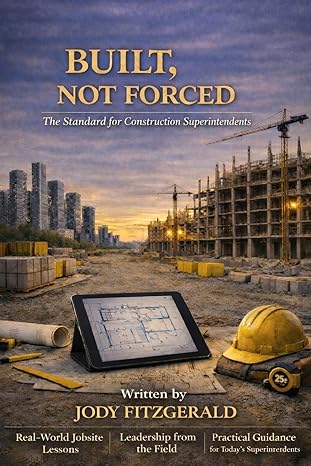
On we go

Built, Not Forced (The Standard for Construction Superintendents)

Read 17 min

Built, Not Forced by Jody Fitzgerald (The Standard for Construction Superintendents)

Built, Not Forced: The Standard for Construction Superintendents by Jody Fitzgerald is a leadership-focused field guide that challenges traditional construction management habits and replaces them with a more intentional, people-centered, and system-driven approach. The book argues that great projects are not pushed into completion through pressure, chaos, or constant firefighting they are built through preparation, trust, standards, and flow.

The Core Message: Shifting from Force to Structure

At its core, Built, Not Forced is about shifting from a reactive, force-driven mindset to a structured, proactive, and leadership-driven system. Fitzgerald emphasizes that many construction projects fail not because people are incompetent, but because systems are broken, expectations are unclear, and leadership is inconsistent.

The title itself captures the philosophy:

Forced = rushed schedules, constant pressure, confusion, rework, burnout

Built = planned work, stable flow, clear expectations, empowered teams

A superintendent’s role is to build the environment where success becomes the natural outcome, not something achieved through stress and last-minute effort.

From Chaos to Stability: Chaos Is Not Inevitable

The book strongly critiques the industry norm of chaos being accepted as “just how construction works.” Fitzgerald argues that chaos is not inevitable it is the result of poor planning, lack of standards, and weak leadership systems. Instead, the goal is stability: predictable workflows, reliable schedules, and clear communication. When stability is achieved, productivity increases and stress decreases.

Systems Over Heroics: If Your Project Relies on Heroes, Your System Is Broken

One of the most powerful ideas in the book is that projects should not rely on “heroic effort.” In many jobsites, success depends on last-minute problem solving, individuals working overtime to fix issues, and constant firefighting. Fitzgerald rejects this model and promotes systems thinking: standard processes for planning and execution, repeatable workflows, and clear roles and responsibilities. The idea is simple: If your project only works when people go above and beyond constantly, your system is broken.

The Superintendent as a Builder of Systems

The superintendent is not just managing work they are designing the system in which work happens. This includes creating structured schedules, establishing daily and weekly planning routines, ensuring trade partners are aligned, and removing constraints before work begins. The superintendent becomes a system architect, not just a problem solver.

Clarity Creates Performance: When People Know What to Do, They Perform Better

A major cause of inefficiency on jobsites is lack of clarity. Fitzgerald emphasizes clear scopes of work, defined expectations, transparent schedules, and visual planning tools. When people know exactly what to do, when to do it, and how it connects to others, they perform better with less supervision.

Flow Over Busyness: A Well-Flowing Jobsite Looks Calm, Not Chaotic

Similar to Lean principles, the book highlights that keeping people busy is not the goal keeping work flowing is. Problems with “busy work”: trades working out of sequence, congestion on site, and increased rework. Instead, superintendents should focus on proper sequencing, balanced workloads, and smooth handoffs between trades. A well-flowing jobsite looks calm, not chaotic.

Respect for Trade Partners: Collaborators, Not Subordinates

The book places strong emphasis on treating trade partners as collaborators, not subordinates. This includes involving them in planning, listening to their expertise, and providing what they need to succeed. When trades are respected, accountability increases, quality improves, and conflicts decrease.

Discipline and Standards: Consistent Standards, Not Occasional Effort

Fitzgerald introduces the idea that success comes from consistent standards, not occasional effort. This includes daily routines (walks, check-ins, planning sessions), clean and organized sites, structured meetings, and clear documentation. Discipline creates predictability, and predictability creates success.

Leadership Through Behavior: The Team Mirrors the Superintendent

Leadership is not defined by position it is defined by actions. Superintendents must show up prepared, stay calm under pressure, communicate clearly, and follow through on commitments. The team mirrors the behavior of the superintendent. If leadership is disorganized, the project will be too.

Here are the core values from Built, Not Forced:

  • Intentionality over reaction: planning replaces panic, preparation replaces reaction – Every action on jobsite should be intentional. Planning replaces panic, and preparation replaces reaction. Shift from reactive, force-driven mindset to structured, proactive, and leadership-driven system. Many construction projects fail not because people are incompetent, but because systems are broken, expectations are unclear, and leadership is inconsistent. Superintendent’s role is to build environment where success becomes natural outcome, not something achieved through stress and last-minute effort.
  • Systems thinking: success built on strong systems, not individual heroic effort – Projects should not rely on “heroic effort.” In many jobsites, success depends on last-minute problem solving, individuals working overtime to fix issues, constant firefighting. Fitzgerald rejects this model and promotes systems thinking: standard processes for planning and execution, repeatable workflows, clear roles and responsibilities. If your project only works when people go above and beyond constantly, your system is broken. Superintendent not just managing work designing system in which work happens.
  • Flow over busyness: proper sequencing, balanced workloads, smooth handoffs between trades – Keeping people busy is not goal keeping work flowing is. Problems with “busy work”: trades working out of sequence, congestion on site, increased rework. Instead, superintendents should focus on proper sequencing, balanced workloads, smooth handoffs between trades. Well-flowing jobsite looks calm, not chaotic. When stability achieved, productivity increases and stress decreases.
  • Clarity creates performance: clear scopes, defined expectations, visual planning tools – Major cause of inefficiency on jobsites is lack of clarity. Fitzgerald emphasizes clear scopes of work, defined expectations, transparent schedules, visual planning tools. When people know exactly what to do, when to do it, how it connects to others, they perform better with less supervision. Clear communication eliminates confusion. Everyone should understand plan and their role in it.
  • Respect for trade partners: involve in planning, listen to expertise, provide what they need – Strong emphasis on treating trade partners as collaborators, not subordinates. This includes involving them in planning, listening to their expertise, providing what they need to succeed. When trades are respected, accountability increases, quality improves, conflicts decrease. People perform best when they are respected, heard, and supported. Applies to every level of jobsite.

If your project needs superintendent coaching, project support, or leadership development, Elevate Construction can help your field teams stabilize, schedule, and flow.

Practical Takeaways from the Book

Some of the most actionable lessons from the book include: Plan work in detail before it reaches the field. Never allow crews to start without proper preparation. Use consistent planning rhythms (daily and weekly). Focus on removing constraints early. Keep the jobsite organized and clean. Build strong relationships with trade partners from day one. Avoid overloading the site with too many crews at once. Measure success by flow and predictability, not activity.

A Challenge for Superintendents

Here’s what I want you to do this week. Read Built, Not Forced by Jody Fitzgerald. Shift from reactive, force-driven mindset to structured, proactive, and leadership-driven system. Your role is to build environment where success becomes natural outcome, not something achieved through stress and last-minute effort.

Stop relying on heroic effort. If your project only works when people go above and beyond constantly, your system is broken. Promote systems thinking: standard processes for planning and execution, repeatable workflows, clear roles and responsibilities. You’re not just managing work you’re designing system in which work happens.

Focus on flow over busyness. Keeping people busy is not goal keeping work flowing is. Proper sequencing, balanced workloads, smooth handoffs between trades. Well-flowing jobsite looks calm, not chaotic. Create clarity. Clear scopes of work, defined expectations, transparent schedules, visual planning tools. When people know exactly what to do, when to do it, how it connects to others, they perform better with less supervision.

Treat trade partners as collaborators, not subordinates. Involve them in planning. Listen to their expertise. Provide what they need to succeed. When trades are respected, accountability increases, quality improves, conflicts decrease. Build discipline and standards. Daily routines (walks, check-ins, planning sessions). Clean and organized sites. Structured meetings. Clear documentation. Discipline creates predictability, and predictability creates success.

Remember: the team mirrors your behavior. Show up prepared. Stay calm under pressure. Communicate clearly. Follow through on commitments. If leadership is disorganized, the project will be too.

On we go.

Frequently Asked Questions

What is the main message of Built, Not Forced?

Great projects not pushed into completion through pressure, chaos, or constant firefighting built through preparation, trust, standards, and flow. Shift from reactive, force-driven mindset to structured, proactive, and leadership-driven system. Superintendent’s role is to build environment where success becomes natural outcome, not something achieved through stress and last-minute effort.

What does “systems over heroics” mean?

Projects should not rely on “heroic effort.” If your project only works when people go above and beyond constantly, your system is broken. Promote systems thinking: standard processes for planning and execution, repeatable workflows, clear roles and responsibilities. Superintendent not just managing work designing system in which work happens.

Why is flow more important than busyness?

Keeping people busy is not goal keeping work flowing is. Problems with “busy work”: trades working out of sequence, congestion on site, increased rework. Instead, focus on proper sequencing, balanced workloads, smooth handoffs between trades. Well-flowing jobsite looks calm, not chaotic.

How does clarity create performance?

Major cause of inefficiency is lack of clarity. Clear scopes of work, defined expectations, transparent schedules, visual planning tools. When people know exactly what to do, when to do it, how it connects to others, they perform better with less supervision.

How should superintendents treat trade partners?

As collaborators, not subordinates. Involve them in planning. Listen to their expertise. Provide what they need to succeed. When trades are respected, accountability increases, quality improves, conflicts decrease.

If you want to learn more we have:

-Takt Virtual Training: (Click here)
-Check out our Youtube channel for more info: (Click here) 
-Listen to the Elevate Construction podcast: (Click here) 
-Check out our training programs and certifications: (Click here)
-The Takt Book: (Click here)

Discover Jason’s Expertise:

Meet Jason Schroeder, the driving force behind Elevate Construction IST. As the company’s owner and principal consultant, he’s dedicated to taking construction to new heights. With a wealth of industry experience, he’s crafted the Field Engineer Boot Camp and Superintendent Boot Camp – intensive training programs engineered to cultivate top-tier leaders capable of steering their teams towards success. Jason’s vision? To expand his training initiatives across the nation, empowering construction firms to soar to unprecedented levels of excellence.
On we go

THE SUPERINTENDENT’S PLAYBOOK (A Field Guide for New Construction Supers)

Read 16 min

The Superintendent’s Playbook by Trenton Miller (A Field Guide for New Construction Supers)

At its core, the book reframes what it means to be a superintendent. It emphasizes that the role is not about control, authority, or being the “boss”, it’s about serving the project, enabling others, and creating an environment where work can flow efficiently and safely.

A superintendent is positioned as the central nervous system of the jobsite, connecting people, processes, and production. Success comes from clarity, preparation, communication, and respect for the people doing the work.

The Role of a Superintendent: Facilitator, Not Boss

Miller defines the superintendent as a facilitator of success. Instead of micromanaging, the superintendent’s job is to remove obstacles, coordinate trades, ensure work is ready before it starts, and maintain flow on the jobsite. This shift from control to enablement is one of the most important mindset changes for new supers.

Planning and Preparation: Most Problems Come from Poor Planning

A major emphasis is placed on preparation before execution. The book stresses that most jobsite problems come from poor planning, not poor performance. Key planning responsibilities include reviewing drawings thoroughly, identifying constraints early, ensuring materials, tools, and information are ready (often referred to as having a “full kit”), and creating realistic schedules that reflect actual field conditions. Good supers don’t react to problems they anticipate and prevent them.

Flow and Production Thinking: Keep Work Moving, Not Just People Busy

The book aligns closely with Lean construction principles, especially the idea of flow. Instead of focusing on keeping everyone busy, the goal is to keep work moving smoothly from one trade to the next, avoid bottlenecks, and maintain consistent progress. This requires clear sequencing, balanced workloads, and reliable handoffs between trades. A chaotic jobsite is usually a sign of broken flow.

Communication and Coordination: Miscommunication Causes Delays and Rework

Communication is presented as one of the superintendent’s most critical tools. Effective supers communicate expectations clearly, hold consistent meetings (daily huddles, coordination meetings), ensure everyone understands the plan, and listen actively to field crews. The book emphasizes that miscommunication is one of the biggest causes of delays, rework, and conflict.

Leadership and Culture: Influence and Trust, Not Authority

Leadership in the field is not about authority it’s about influence and trust. Miller highlights that great superintendents lead by example, stay calm under pressure, treat workers with respect, and build strong relationships with trade partners. Culture on a jobsite is shaped by the superintendent. A positive culture leads to better productivity, higher morale, and fewer safety incidents.

Safety as a Core Responsibility: Proactive, Not Reactive

Safety is not treated as a checklist or compliance task it’s a fundamental part of leadership. Key ideas include: safety is proactive, not reactive. Planning reduces risk. A clean, organized site is a safer site. Workers must feel comfortable speaking up. The superintendent sets the tone for safety through daily actions, not just policies.

Time Management: Focus on Planning, Coordinating, Supporting

Superintendents deal with constant pressure and competing priorities. The book teaches how to focus on high-impact activities, avoid getting lost in minor issues, and stay organized despite chaos. The best supers spend their time on planning ahead, coordinating work, and supporting crews. Not firefighting every small problem.

Problem-Solving and Adaptability: Stay Solution-Focused, Avoid Blame

Construction is unpredictable, and problems are inevitable. What matters is how they are handled. Effective superintendents stay solution-focused, avoid blame, involve the right people quickly, and learn from mistakes. Adaptability is key plans will change, and supers must adjust without losing control of the project.

Here are the core values from The Superintendent’s Playbook:

  • Service over authority: super serves team and project, builds trust and performance – Superintendent is there to serve team and project, not to dominate it. This mindset builds trust and improves performance across board. Role not about control, authority, or being “boss” about serving project, enabling others, creating environment where work can flow efficiently and safely. Superintendent positioned as central nervous system of jobsite, connecting people, processes, production. Success comes from clarity, preparation, communication, respect for people doing work.
  • Preparation over reaction: well-prepared jobsite runs smoother with fewer disruptions – Success comes from planning ahead, not reacting to problems after they occur. Well-prepared jobsite runs smoother and experiences fewer disruptions. Most jobsite problems come from poor planning, not poor performance. Key planning responsibilities: reviewing drawings thoroughly, identifying constraints early, ensuring materials tools information ready (having “full kit”), creating realistic schedules that reflect actual field conditions. Good supers don’t react to problems anticipate and prevent them.
  • Respect for people: every worker critical, treating with respect leads to better collaboration – Every worker on-site plays critical role. Treating people with respect leads to better collaboration, higher quality work, stronger relationships. Great superintendents lead by example, stay calm under pressure, treat workers with respect, build strong relationships with trade partners. Culture on jobsite shaped by superintendent. Positive culture leads to better productivity, higher morale, fewer safety incidents.
  • Clarity and communication: clear expectations eliminate confusion, miscommunication causes delays – Clear expectations eliminate confusion. Communication must be frequent, simple, direct. Without clarity, even skilled teams will struggle. Communication presented as one of superintendent’s most critical tools. Effective supers communicate expectations clearly, hold consistent meetings (daily huddles, coordination meetings), ensure everyone understands plan, listen actively to field crews. Miscommunication one of biggest causes of delays, rework, conflict.
  • Flow and efficiency: keep work moving smoothly, avoid bottlenecks, reliable handoffs – Book aligns closely with Lean construction principles, especially idea of flow. Instead of focusing on keeping everyone busy, goal is keep work moving smoothly from one trade to next, avoid bottlenecks, maintain consistent progress. Requires clear sequencing, balanced workloads, reliable handoffs between trades. Chaotic jobsite usually signs of broken flow. Keeping work moving smoothly more important than keeping people busy. Efficiency comes from proper sequencing, eliminating waste, reducing delays.

If your project needs superintendent coaching, project support, or leadership development, Elevate Construction can help your field teams stabilize, schedule, and flow.

Practical Takeaways from the Book

Some of the most actionable lessons from the book include: Always ensure crews have a full kit before starting work. Walk the site daily with intention, not just habit. Plan at least one step ahead of the work. Build strong relationships with trade partners early. Keep meetings short, focused, and consistent. Document issues clearly and communicate them early. Stay visible and accessible on the jobsite.

A Challenge for Superintendents

Here’s what I want you to do this week. Read The Superintendent’s Playbook by Trenton Miller. Embrace the shift from control to enablement. Your job is to remove obstacles, coordinate trades, ensure work is ready before it starts, and maintain flow on the jobsite. Focus on planning and preparation. Most jobsite problems come from poor planning, not poor performance. Review drawings thoroughly. Identify constraints early. Ensure materials, tools, and information are ready (have a “full kit”). Create realistic schedules that reflect actual field conditions. Don’t react to problems anticipate and prevent them.

Keep work moving smoothly from one trade to next. Avoid bottlenecks. Maintain consistent progress. Clear sequencing. Balanced workloads. Reliable handoffs between trades. Chaotic jobsite is sign of broken flow. Communicate expectations clearly. Hold consistent meetings. Ensure everyone understands plan. Listen actively to field crews. Miscommunication one of biggest causes of delays, rework, conflict. Lead by example. Stay calm under pressure. Treat workers with respect. Build strong relationships with trade partners. Culture on jobsite shaped by you. Positive culture leads to better productivity, higher morale, fewer safety incidents.

Make safety proactive, not reactive. Planning reduces risk. Clean, organized site is safer site. Workers must feel comfortable speaking up. You set tone for safety through daily actions, not just policies.

On we go.

Frequently Asked Questions

What is the main message of The Superintendent’s Playbook?

Role not about control, authority, or being “boss” about serving project, enabling others, creating environment where work can flow efficiently and safely. Superintendent positioned as central nervous system of jobsite, connecting people, processes, production. Success comes from clarity, preparation, communication, respect for people doing work.

What’s the superintendent’s job according to Trenton Miller?

Facilitator of success. Instead of micromanaging, job is to remove obstacles, coordinate trades, ensure work is ready before it starts, maintain flow on jobsite. Shift from control to enablement is one of most important mindset changes for new supers.

Where do most jobsite problems come from?

Most jobsite problems come from poor planning, not poor performance. Good supers don’t react to problems anticipate and prevent them. Key planning responsibilities: reviewing drawings thoroughly, identifying constraints early, ensuring materials tools information ready (having “full kit”), creating realistic schedules that reflect actual field conditions.

What does flow mean for superintendents?

Instead of focusing on keeping everyone busy, goal is keep work moving smoothly from one trade to next, avoid bottlenecks, maintain consistent progress. Requires clear sequencing, balanced workloads, reliable handoffs between trades. Chaotic jobsite usually sign of broken flow.

How should superintendents approach safety?

Safety not treated as checklist or compliance task fundamental part of leadership. Safety is proactive, not reactive. Planning reduces risk. Clean, organized site is safer site. Workers must feel comfortable speaking up. Superintendent sets tone for safety through daily actions, not just policies.

If you want to learn more we have:

-Takt Virtual Training: (Click here)
-Check out our Youtube channel for more info: (Click here) 
-Listen to the Elevate Construction podcast: (Click here) 
-Check out our training programs and certifications: (Click here)
-The Takt Book: (Click here)

Discover Jason’s Expertise:

Meet Jason Schroeder, the driving force behind Elevate Construction IST. As the company’s owner and principal consultant, he’s dedicated to taking construction to new heights. With a wealth of industry experience, he’s crafted the Field Engineer Boot Camp and Superintendent Boot Camp – intensive training programs engineered to cultivate top-tier leaders capable of steering their teams towards success. Jason’s vision? To expand his training initiatives across the nation, empowering construction firms to soar to unprecedented levels of excellence.
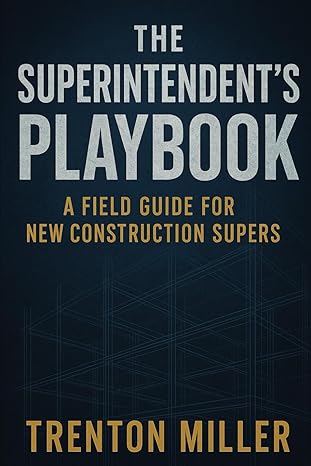
On we go

    Scam Alert

    Important Scam Alert: Fake Elevate Construction Job Emails

    We have been made aware that scammers are impersonating Kate Schroeder and Elevate Construction and advertising a fake Regional Sales Manager position.
    These emails are not from our team. Elevate Construction will never ask job applicants to download software or install an application to schedule an interview.
    Please do not click any links, download anything, or share personal information. Report the email as phishing and verify any job opportunity directly through our official website or social media channels.
    Please share this notice to help protect others.

    Related Books

    The First Planner System: The Project Planning System for Executives, Project Managers, and Superintendents in Pre-construction - Book 2
    Pull Planning For Builders: How to Pull Plan Right, Respect People, and Gain Time (The Art of the Builder)
    The Ten Improvements to Production Planning: What Lean Builders Can Do To Improve Short Interval Planning (The Art of the Builder)

    Related Books

    The First Planner System: The Project Planning System for Executives, Project Managers, and Superintendents in Pre-construction - Book 2
    Built to Fail: Why Construction Projects Take So Long, Cost Too Much, And How to Fix It

    Related Books

    The First Planner System: The Project Planning System for Executives, Project Managers, and Superintendents in Pre-construction - Book 2
    The 10 Myths of CPM: How The Critical Path Method Systematizes Disrespect for People
    Calumet "K"

    faq

    General Training Overview

    What construction leadership training programs does LeanTakt offer?
    LeanTakt offers Superintendent/PM Boot Camps, Virtual Takt Production System® Training, Onsite Takt Simulations, and Foreman & Field Engineer Training. Each program is tailored to different leadership levels in construction.
    Who should attend LeanTakt’s training programs?
    Superintendents, Project Managers, Foremen, Field Engineers, and trade partners who want to improve planning, communication, and execution on projects.
    How do these training programs improve project performance?
    They provide proven Lean and Takt systems that reduce chaos, improve reliability, strengthen collaboration, and accelerate project delivery.
    What makes LeanTakt’s training different from other construction courses?
    Our programs are hands-on, field-tested, and focused on practical application—not just classroom theory.
    Do I need prior Lean or takt planning experience to attend?
    No. Our programs cover foundational principles before moving into advanced applications.
    How quickly can I apply what I learn on real projects?
    Most participants begin applying new skills immediately, often the same week they complete the program.
    Are these trainings designed for both office and field leaders?
    Yes. We equip both project managers and superintendents with tools that connect field and office operations.
    What industries benefit most from LeanTakt training?
    Commercial, multifamily, residential, industrial, and infrastructure projects all benefit from flow-based planning.
    Do participants receive certificates after completing training?
    Yes. Every participant receives a LeanTakt Certificate of Completion.
    Is LeanTakt training recognized in the construction industry?
    Yes. Our programs are widely respected among leading GCs, subcontractors, and construction professionals.

    Superintendent / PM Boot Camp

    What is the Superintendent & Project Manager Boot Camp?
    It’s a 5-day immersive training for superintendents and PMs to master Lean leadership, takt planning, and project flow.
    How long does the Superintendent/PM Boot Camp last?
    Five full days of hands-on training.
    What topics are covered in the Boot Camp curriculum?
    Lean leadership, Takt Planning, logistics, daily planning, field-office communication, and team health.
    How does the Boot Camp improve leadership and scheduling skills?
    Yes. You’ll learn how to run day huddles, team meetings, worker huddles, and Lean coordination processes.
    Who is the Boot Camp best suited for?
    Construction leaders responsible for delivering projects, including Superintendents, PMs, and Field Leaders.
    What real-world challenges are simulated during the Boot Camp?
    Schedule breakdowns, trade conflicts, logistics issues, and communication gaps.
    Will I learn Takt Planning at the Boot Camp?
    Yes. Takt Planning is a core focus of the Boot Camp.
    How does this Boot Camp compare to traditional PM certification?
    It’s practical and execution-based rather than exam-based. You learn by doing, not just studying theory.
    Can my entire project team attend the Boot Camp together?
    Yes. Teams attending together often see the greatest results.
    What kind of real-world challenges do we simulate?
    Improved project flow, fewer delays, better team communication, and stronger leadership confidence.

    Takt Production System® Virtual Training

    What is the Virtual Takt Production System® Training?
    It’s an expert-led online program that teaches Lean construction teams how to implement takt planning.
    How does virtual takt training work?
    Delivered online via live sessions, interactive discussions, and digital tools.
    What are the benefits of online takt planning training?
    Convenience, global accessibility, real-time learning, and immediate application.
    Can I access the virtual training from anywhere?
    Yes. It’s fully web-based and accessible worldwide.
    Can I access the virtual training from anywhere?
    Yes. It’s fully web-based and accessible worldwide.
    What skills will I gain from the Virtual TPS® Training?
    Macro and micro Takt planning, weekly updates, flow management, and CPM integration.
    How long does the virtual training program take?
    The program is typically completed in multiple live sessions across several days.
    Can I watch recordings if I miss a session?
    Yes. Recordings are available to all participants.
    Do you offer group access or company licenses for the virtual training?
    Yes. Teams and companies can enroll together at discounted rates.
    How does the Virtual TPS® Training integrate with CPM tools?
    We show how to align Takt with CPM schedules like Primavera P6 or MS Project.

    Onsite Takt Simulation

    What is a Takt Simulation in construction training?
    It’s a live, interactive workshop that demonstrates takt planning on-site.
    How does the Takt Simulation workshop work?
    Teams participate in hands-on exercises to learn the flow and rhythm of a Takt-based project.
    Can I choose between a 1-day or 2-day Takt Simulation?
    Yes. We offer flexible formats to fit your team’s schedule and needs.
    Who should participate in the Takt Simulation workshop?
    Superintendents, PMs, site supervisors, contractors, and engineers.
    How does a Takt Simulation improve project planning?
    It shows teams how to structure zones, manage flow, and coordinate trades in real time.
    What will my team learn from the onsite simulation?
    How to build and maintain takt plans, manage buffers, and align trade partners.
    Is the simulation tailored to my specific project type?
    Yes. Scenarios can be customized to match your project.
    How do Takt Simulations improve trade partner coordination?
    They strengthen collaboration by making handoffs visible and predictable.
    What results can I expect from an onsite Takt Simulation?
    Improved schedule reliability, better trade collaboration, and reduced rework.
    How many people can join a Takt Simulation session?
    Group sizes are flexible, but typically 15–30 participants per session.

    Foreman & Field Engineer Training

    What is Foreman & Field Engineer Training?
    It’s an on-demand, practical program that equips foremen and engineers with leadership and planning skills.
    How does this training prepare emerging leaders?
    By teaching communication, crew management, and execution strategies.
    Is the training on-demand or scheduled?
    On-demand, tailored to your team’s timing and needs.
    What skills do foremen and engineers gain from this training?
    Planning, safety leadership, coordination, and communication.
    How does the training improve communication between field and office?
    It builds shared systems that align superintendents, engineers, and managers.
    Can the training be customized for my team’s needs?
    Yes. Programs are tailored for your project or company.
    What makes this program different from generic leadership courses?
    It’s construction-specific, field-tested, and focused on real project application.
    How do foremen and field engineers apply this training immediately?
    They can use new systems for planning, coordination, and daily crew management right away.
    Is the training suitable for small construction companies?
    Yes. Small and large teams alike benefit from building flow-based leadership skills.

    Testimonials

    Testimonials

    "The bootcamp I was apart of was amazing. Its was great while it was happening but also had a very profound long-term motivation that is still pushing me to do more, be more. It sounds a little strange to say that a construction bootcamp changed my life, but it has. It has opened my eyes to many possibilities on how a project can be successfully run. It’s also provided some very positive ideas on how people can and should be treated in construction.

    I am a hungry person by nature, so it doesn’t take a lot to get to participate. I loved the way it was not just about participating, it was also about doing it with conviction, passion, humility and if it wasn’t portrayed that way you had to do it again."

    "It's great to be a part of a company that has similar values to my own, especially regarding how we treat our trade partners. The idea of "you gotta make them feel worse to make them do better" has been preached at me for years. I struggled with this as you will not find a single psychology textbook stating these beliefs. In fact it is quite the opposite, and causing conflict is a recipe for disaster. I'm still honestly in shock I have found a company that has based its values on scientific facts based on human nature. That along with the Takt scheduling system makes everything even better. I am happy to be a part of a change that has been long overdue in our industry!"

    "Wicked team building, so valuable for the forehumans of the sub trades to know the how and why. Great tools and resources. Even though I am involved and use the tools every day, I feel like everything is fresh and at the forefront to use"

    "Jason and his team did an incredible job passing on the overall theory of what they do. After 3 days of running through the course I cannot see any holes in their concept. It works. it's proven to work and I am on board!"

    "Loved the pull planning, Takt planning, and logistic model planning. Well thought out and professional"

    "The Super/PM Boot Camp was an excellent experience that furthered my understanding of Lean Practices. The collaboration, group involvement, passion about real project site experiences, and POSITIVE ENERGY. There are no dull moments when you head into this training. Jason and Mr. Montero were always on point and available to help in the break outs sessions. Easily approachable to talk too during breaks and YES, it was fun. I recommend this training for any PM or Superintendent that wants to further their career."

    agenda

    Day 1

    Foundations & Macro Planning

    day2

    Norm Planning & Flow Optimization

    day3

    Advanced Tools & Comparisons

    day4

    Buffers, Controls & Finalization

    day5

    Control Systems & Presentations

    faq

    UNDERSTANDING THE TRAINING

    What is the Virtual Takt Production System® Training by LeanTakt?
    It’s an expert-led online program designed to teach construction professionals how to implement Takt Planning to create flow, eliminate chaos, and align teams across the project lifecycle.
    Who should take the LeanTakt virtual training?
    This training is ideal for Superintendents, Project Managers, Engineers, Schedulers, Trade Partners, and Lean Champions looking to improve planning and execution.
    What topics are covered in the online Takt Production System® course?
    The course covers macro and micro Takt planning, zone creation, buffers, weekly updates, flow management, trade coordination, and integration with CPM tools.
    What makes LeanTakt’s virtual training different from other Lean construction courses?
    Unlike theory-based courses, this training is hands-on, practical, field-tested, and includes live coaching tailored to your actual projects.
    Do I get a certificate after completing the online training?
    Yes. Upon successful completion, participants receive a LeanTakt Certificate of Completion, which validates your knowledge and readiness to implement Takt.

    VALUE AND RESULTS

    What are the benefits of Takt Production System® training for my team?
    It helps teams eliminate bottlenecks, improve planning reliability, align trades, and reduce the chaos typically seen in traditional construction schedules.
    How much time and money can I save with Takt Planning?
    Many projects using Takt see 15–30% reductions in time and cost due to better coordination, fewer delays, and increased team accountability.
    What’s the ROI of virtual Takt training for construction teams?
    The ROI comes from faster project delivery, reduced rework, improved communication, and better resource utilization — often 10x the investment.
    Will this training reduce project delays or rework?
    Yes. By visualizing flow and aligning trades, Takt Planning reduces miscommunication and late handoffs — major causes of delay and rework.
    How soon can I expect to see results on my projects?
    Most teams report seeing improvement in coordination and productivity within the first 2–4 weeks of implementation.

    PLANNING AND SCHEDULING TOPICS

    What is Takt Planning and how is it used in construction?
    Takt Planning is a Lean scheduling method that creates flow by aligning work with time and space, using rhythm-based planning to coordinate teams and reduce waste.
    What’s the difference between macro and micro Takt plans?
    Macro Takt plans focus on the overall project flow and phase durations, while micro Takt plans break down detailed weekly tasks by zone and crew.
    Will I learn how to build a complete Takt plan from scratch?
    Yes. The training teaches you how to build both macro and micro Takt plans tailored to your project, including workflows, buffers, and sequencing.
    How do I update and maintain a Takt schedule each week?
    You’ll learn how to conduct weekly updates using lookaheads, trade feedback, zone progress, and digital tools to maintain schedule reliability.
    Can I integrate Takt Planning with CPM or Primavera P6?
    Yes. The training includes guidance on aligning Takt plans with CPM logic, showing how both systems can work together effectively.
    Will I have access to the instructors during the training?
    Yes. You’ll have opportunities to ask questions, share challenges, and get real-time feedback from LeanTakt coaches.
    Can I ask questions specific to my current project?
    Absolutely. In fact, we encourage it — the training is designed to help you apply Takt to your active jobs.
    Is support available after the training ends?
    Yes. You can access follow-up support, coaching, and community forums to help reinforce implementation.
    Can your tools be customized to my project or team?
    Yes. We offer customizable templates and implementation options to fit different project types, teams, and tech stacks.
    When is the best time in a project lifecycle to take this training?
    Ideally before or during preconstruction, but teams have seen success implementing it mid-project as well.

    APPLICATION & TEAM ADOPTION

    What changes does my team need to adopt Takt Planning?
    Teams must shift from reactive scheduling to proactive, flow-based planning with clear commitments, reliable handoffs, and a visual management mindset.
    Do I need any prior Lean or scheduling experience?
    No prior Lean experience is required. The course is structured to take you from foundational principles to advanced application.
    How long does it take for teams to adapt to Takt Planning?
    Most teams adapt within 2–6 weeks, depending on project size and how fully the system is adopted across roles.
    Can this training work for smaller companies or projects?
    Absolutely. Takt is scalable and especially powerful for small teams seeking better structure and predictability.
    What role do trade partners play in using Takt successfully?
    Trade partners are key collaborators. They help shape realistic flow, manage buffers, and provide feedback during weekly updates.

    VIRTUAL FORMAT & ACCESSIBILITY

    Can I access the virtual training from anywhere?
    Yes. The training is fully accessible online, making it ideal for distributed teams across regions or countries.
    Is this training available internationally?
    Yes. LeanTakt trains teams around the world and supports global implementations.
    Can I watch recordings if I miss a session?
    Yes. All sessions are recorded and made available for later viewing through your training portal.
    Do you offer group access or company licenses?
    Yes. Teams can enroll together at discounted rates, and we offer licenses for enterprise rollouts.
    What technology or setup do I need to join the virtual training?
    A reliable internet connection, webcam, Miro, Spreadsheets, and access to Zoom.

    faq

    GENERAL FAQS

    What is the Superintendent / PM Boot Camp?
    It’s a hands-on leadership training for Superintendents and Project Managers in the construction industry focused on Lean systems, planning, and communication.
    Who is this Boot Camp for?
    Construction professionals including Superintendents, Project Managers, Field Engineers, and Foremen looking to improve planning, leadership, and project flow.
    What makes this construction boot camp different?
    Real-world project simulations, expert coaching, Lean principles, team-based learning, and post-camp support — all built for field leaders.
    Is this just a seminar or classroom training?
    No. It’s a hands-on, immersive experience. You’ll plan, simulate, collaborate, and get feedback — not sit through lectures.
    What is the focus of the training?
    Leadership, project planning, communication, Lean systems, and integrating office-field coordination.

    CURRICULUM & OUTCOMES

    What topics are covered in the Boot Camp?
    Takt planning, day planning, logistics, pre-construction, team health, communication systems, and more.
    What is Takt Planning and why is it taught?
    Takt is a Lean planning method that creates flow and removes chaos. It helps teams deliver projects on time with less stress.
    Will I learn how to lead field teams more effectively?
    Yes. This boot camp focuses on real leadership challenges and gives you systems and strategies to lead high-performing teams.
    Do you cover daily huddles and meeting systems?
    Yes. You’ll learn how to run day huddles, team meetings, worker huddles, and Lean coordination processes.
    What kind of real-world challenges do we simulate?
    You’ll work through real project schedules, logistical constraints, leadership decisions, and field-office communication breakdowns.

    LOGISTICS & FORMAT

    Is the training in-person or virtual?
    It’s 100% in-person to maximize learning, feedback, and team-based interaction.
    How long is the Boot Camp?
    It runs for 5 full days.
    Where is the Boot Camp held?
    Locations vary — typically hosted in a professional training center or project setting. Contact us for the next available city/date.
    Do you offer follow-up coaching after the Boot Camp?
    Yes. Post-camp support is included so you can apply what you’ve learned on your projects.
    Can I ask questions about my actual project?
    Absolutely. That’s encouraged — bring your current challenges.

    PRICING & VALUE

    How much does the Boot Camp cost?
    $5,000 per person.
    Are there any group discounts?
    Yes — get 10% off when 4 or more people from the same company attend.
    What’s the ROI for sending my team?
    Better planning = fewer delays, smoother coordination, and higher team morale — all of which boost productivity and reduce costs.
    Will I see results immediately?
    Most participants apply what they’ve learned as soon as they return to the jobsite — especially with follow-up support.
    Can this replace other leadership training?
    In many cases, yes. This Boot Camp is tailored to construction professionals, unlike generic leadership seminars.

    SEO-BASED / HIGH-INTENT SEARCH QUESTIONS

    What is the best leadership training for construction Superintendents?
    Our Boot Camp offers real-world, field-focused leadership training tailored for construction leaders.
    What’s included in a Superintendent Boot Camp?
    Takt planning, day planning, logistics, pre-construction systems, huddles, simulations, and more.
    Where can I find Lean construction training near me?
    Check our upcoming in-person sessions or request a private boot camp in your city.
    How can I improve field and office communication on a project?
    This Boot Camp teaches you tools and systems to connect field and office workflows seamlessly.
    Is there a training to help reduce chaos on construction sites?
    Yes — this program is built specifically to turn project chaos into flow through structured leadership.