Advanced Logistics Queuing

Read 20 min

Why Logistics Kitting Is the Most Underused Productivity System in Construction

Walk onto most construction projects and within five minutes you’ll see it. Cardboard scattered across hallways. Materials piled near the stairwell that nobody ordered moved. A journeyman wandering two floors looking for a fitting that arrived three days ago but nobody knows where it went. The job is moving, but it’s grinding. And the crew doing the actual installing is burning time and energy on work that should have been solved before they ever picked up a tool.

That’s not a people problem. That’s a logistics problem. And it’s costing projects more than most teams realize.

What Most Projects Call Logistics

Here’s the honest picture on most job sites. A truck shows up. Someone calls the foreman. A couple of laborers get pulled off their work to help unload. The materials land in the nearest open space. The packaging stays on because no one has time to deal with it. The pallet gets broken down by whoever needs a piece first. And by the end of the day, what arrived as a complete delivery has been scattered across three floors, half of it still in cardboard, half of it missing from the count because nobody verified the delivery in the first place.

That pattern repeats every delivery day, on every project, until the site is a maze of material piles and packaging waste. Crews adapt by spending twenty minutes at the start of each task finding what they need. Leaders adapt by calling it normal. And the schedule absorbs the invisible hours as if they simply don’t exist.

They do exist. They show up as overtime, rework, and frustrated trades who feel like the project is working against them instead of for them. The system failed them. They didn’t fail the system.

A Different Way to See the Problem

Early in my career, I remember standing on a large federal project watching a crew stop installing mid-morning because the materials they needed for the next run were somewhere in the building but nobody could say exactly where. The foreman started walking. Twenty minutes later he came back with the wrong size. That’s a full-time tradesman fully loaded cost on the payrol burning half an hour on a logistics problem that a well-designed system could have solved the day before.

That moment crystallized something for me. The material delivery problem in construction is not a purchasing problem or a coordination problem in the traditional sense. It’s a system design problem. We have never intentionally designed how materials move from the truck to the hands of the worker. We just let it happen and then manage the chaos. That has to change.

What Advanced Logistics Queuing Actually Is

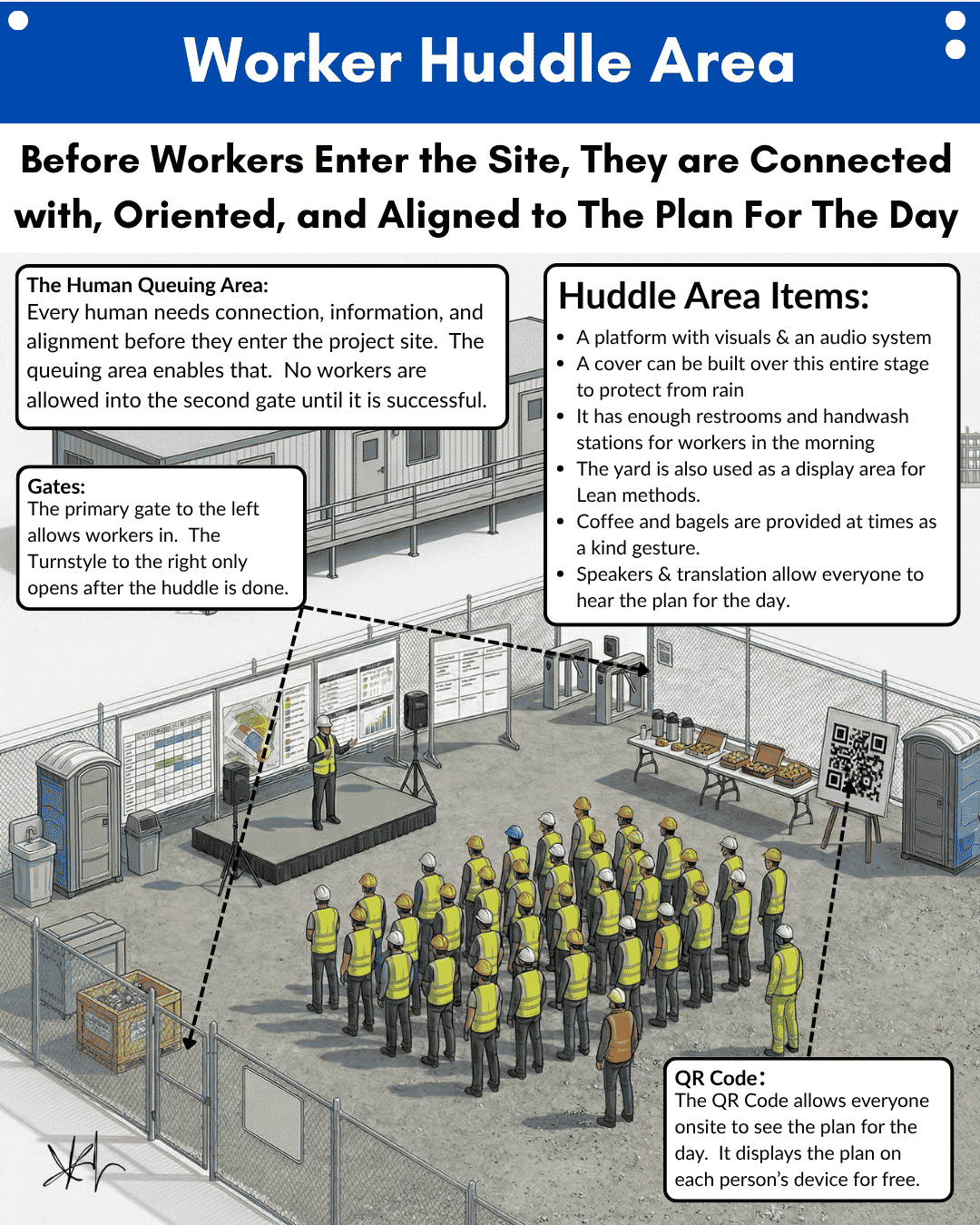
The concept is called advanced logistics queuing, and it treats the movement of materials from the delivery truck to the zone of install as a deliberate production system not an afterthought. The image at the top of this post maps it out clearly. Every element has a role and a location. Nothing is random.

It starts at the gate. Delivery trucks enter the project site and route directly past the project management trailer so that field engineers can perform materials inspections before anything moves. This is not a bureaucratic step. It’s a quality gate. Verifying materials at the point of entry checking counts, checking specs, identifying damage takes fifteen minutes and prevents three days of downstream problems. One project I worked on routed deliveries so they queued near the deck of the trailer, making it seamless for the office team to inspect before anything touched the yard. That one design decision eliminated weeks of RFI delays that used to come from wrong materials reaching the zone.

From there, materials move into the unpacking and kitting logistics area. This is where the real work happens outside the building. A yard forklift unloads the truck onto unpacking stations where the team removes all packaging, cardboard, and shipping materials. Debris removal dumpsters are staged in the yard for immediate disposal, compacting, and recycling. Nothing goes into the building wrapped in cardboard. Nothing carries packaging waste onto a finished floor. This is “nothing hits the floor” thinking applied to logistics the work area stays clean, and materials arrive in the condition they’ll be used, not the condition they were shipped in.

Here is where most projects stop and where great projects are just getting started.

Watch for these signals that logistics has not been designed on your project:

  • Crews are breaking down pallets in hallways and stairwells
  • Packaging and cardboard waste is accumulating inside the building
  • Foremen are making unscheduled trips to staging areas mid-task
  • Materials are staged by delivery date rather than by zone and crew need
  • Workers are searching for materials that are somewhere on site but unlocated

Kitting: Putting the Right Materials in the Right Place Before Work Starts

After unpacking, materials are sorted and loaded onto kitting pallets. Each pallet is built for a specific zone. Zone 1 gets exactly what Zone 1 needs for the Takt window. Zone 2 gets exactly what Zone 2 needs. Nothing extra goes into the zone. Nothing gets sent early just because it arrived. The pallet is built the way a kit gets built completely, intentionally, in advance.

This is Point-of-Use Storage and Kitting in practice. Jason Schroeder teaches this as a core Lean principle: eliminate walking, searching, and re-handling by delivering complete work packages to the place of install. When kitting works, the crew doesn’t become the supply chain. The supply chain has already done its job before the crew touches a tool.

Once the kitting pallets are staged, telehandlers deliver them directly to the work area. Visual indicators on the pallets or the zone board communicate readiness, so trades know exactly what has arrived and where it sits before they walk to the zone. There is no guessing, no hunting, no forty-five-minute material chase to start the morning.

The Water Spider Role

The people who operate this logistics system are called Water Spiders. This is a formal role, not an informal assignment. Water Spiders are logistics specialists whose entire job is to feed crews what they need, just in time, at the place of work. They shake out materials, manage the kitting area, coordinate delivery sequencing, and keep the zones supplied so the trade workers can focus entirely on installing.

The principle behind the Water Spider is simple and powerful. Value-adding workers should be adding value. Installers should be installing. When an electrician, pipefitter, or carpenter spends a meaningful portion of the day doing logistics work moving materials, breaking down deliveries, searching for parts the system is robbing the project of its most expensive resource. The Water Spider absorbs that burden and returns it to where it belongs: a specialized logistics role that costs far less than the value it protects.

This is how Lean projects eliminate material chaos and create real installation flow. The procurement feeds production. The supply chain is zoned. Just-in-time means the crew has exactly what they need at the place of work when they need it. When logistics flows, production flows. When logistics breaks down, everything breaks down not because the trades failed, but because the system failed to feed them.

Why This Connects to Dignity and Flow

There is a human dimension to all of this that gets lost in the logistics conversation. When a skilled tradesperson spends hours every day searching for materials, waiting for deliveries, or working around packaging waste, that is not just inefficiency. It is disrespect. It says the system doesn’t value their time. It says their craft matters less than the chaos that surrounds them. It burns people out quietly, day by day, until they either check out or leave the trade entirely.

Protecting logistics is protecting people. When the system delivers exactly what the zone needs, when the zone needs it, crews can perform at the level they were trained for. They can take pride in the installation. They can finish the zone completely before moving to the next one. They can go home at a reasonable hour because the day wasn’t eaten by supply chain problems. If your project needs superintendent coaching, project support, or leadership development, Elevate Construction can help your field teams stabilize, schedule, and flow. That work starts with designing the system right from the gate to the zone.

Build the System That Feeds Your Crews

Here is the challenge I want to leave you with. Look at your next project during preconstruction and ask one question: have we designed how materials will move from the delivery truck to the hands of the installer? Not “where is the laydown yard?” That’s a location decision. The design question is: how does a material get inspected, unpacked, kitted by zone, and delivered to the place of work without a tradesperson ever having to leave the zone to find it?

If you can answer that question clearly before the project mobilizes, your crews will feel the difference on day one. LeanTakt and Elevate Construction have seen what happens when logistics is treated as a production system rather than an afterthought. The zones stay clean. The crews stay in flow. The schedule holds. Taiichi Ohno, the father of the Toyota Production System, said it best: “All we are doing is looking at the timeline from the moment the customer gives us an order to the point when we collect the cash. And we are reducing that timeline by removing the non-value-added wastes.” In construction, logistics waste is one of the biggest wastes we have. And it’s one of the most fixable.

On we go.

Frequently Asked Questions

What is advanced logistics queuing in construction?

Advanced logistics queuing is a deliberate system for moving materials from the delivery truck through inspection, unpacking, kitting, and zone delivery without bringing packaging waste or unorganized material into the building. It treats material flow as a designed production process, not a random site activity.

What is kitting and why does it matter?

Kitting is the process of sorting and staging materials onto zone-specific pallets before they enter the building. Each zone receives exactly what it needs for its Takt window. Kitting eliminates searching, re-handling, and crew downtime caused by missing or misplaced materials at the point of install.

What is a Water Spider in Lean construction?

A Water Spider is a dedicated logistics support role whose job is to supply crews with what they need, just in time, at the place of work. The role exists so that value-adding trade workers stay installing rather than doing logistics tasks. It’s a structural advantage that protects production pace and crew focus.

How does logistics kitting support the Takt Production System?

Takt requires trades to move through zones on a steady rhythm. If materials aren’t ready in the zone when the trade arrives, the rhythm breaks. Kitting by zone ensures the supply chain matches the Takt plan, so each zone is fed in the right quantity at the right time and the train of trades stays moving.

Where do material inspections happen in this system?

Inspections happen at the delivery entry point, before materials reach the unpacking area. Routing trucks past the project management trailer gives field engineers the opportunity to verify counts, check specifications, and identify damage before anything moves deeper into the site preventing downstream quality and schedule problems.

If you want to learn more we have:

-Takt Virtual Training: (Click here)
-Check out our Youtube channel for more info: (Click here) 
-Listen to the Elevate Construction podcast: (Click here) 
-Check out our training programs and certifications: (Click here)
-The Takt Book: (Click here)

Discover Jason’s Expertise:

Meet Jason Schroeder, the driving force behind Elevate Construction IST. As the company’s owner and principal consultant, he’s dedicated to taking construction to new heights. With a wealth of industry experience, he’s crafted the Field Engineer Boot Camp and Superintendent Boot Camp – intensive training programs engineered to cultivate top-tier leaders capable of steering their teams towards success. Jason’s vision? To expand his training initiatives across the nation, empowering construction firms to soar to unprecedented levels of excellence.
On we go

The Crew Preparation Huddle

Read 20 min

What the Crew Preparation Huddle Actually Does And Why It Changes Everything

Here’s the deal: all that planning you did the pull plan, the look-ahead, the weekly work plan, the preconstruction meeting none of it matters if the person actually doing the work cannot see it. That’s the hard truth. And most job sites are built in a way that guarantees the worker never gets there.

Walk any large project and ask a journeyman what the plan is for today. Not what the foreman mentioned in the parking lot the actual plan, the sequence, the quality standard, the coordination handoff with the trade coming behind. Most of the time, the answer is a shrug. Not because the worker doesn’t care. Because the system was never designed to tell him.

The plan lives in someone’s laptop. The schedule is a 76-page PDF that no one in the field can read. The quality standard is in a binder in the trailer. The zone map is on a screen three floors above the work. The information exists. It’s just completely inaccessible to the person who needs it most. And that single failure cascades into rework, stacking trades, safety pressure, and exhausted crews pushing to the finish line every single week.

The Pattern That Created This Problem

Construction has been designed, for decades, as a top-down information system. Leadership creates the plan. Management communicates the plan. Workers execute the plan. And somewhere in that chain, the plan gets filtered, simplified, and eventually reduced to “just start over there and work your way down.”

The people closest to the work have the least access to the information about the work. And then we wonder why quality fails. Why coordination breaks down. Why the same problems repeat zone after zone, floor after floor. The system produced those outcomes, not the workers. A bad system will beat a good person every time. The workers showed up ready. The system wasn’t ready for them.

The System Failed Them

The workers on your projects are skilled professionals electricians, pipefitters, carpenters, ironworkers. People who have spent years mastering their craft. They show up every day ready to produce. The problem is the system keeps them in the dark. It filters, fragments, and delays the information they need, then holds them accountable for outcomes the system made impossible. The system failed them. They didn’t fail the system.

Early in my career, I was a field engineer at a project at Whole Foods world headquarters. Two rod-busting crews, same size, same experience, same tools and materials. One was always ahead. The other was always behind. I asked the foreman of the crew that was consistently ahead what was going on. He said, “Jason, look at that other foreman. What’s he doing?” The other foreman was tying rebar head down, working right alongside his crew. The foreman next to me said, “That’s the problem. He’s working his time bar. When he hits a roadblock, his crew hits a roadblock. I bring materials and information to my crew all day long. I get out ahead of them.” That stuck with me for my entire career. The foreman’s job is not to be the hardest worker in the crew. It’s to be the best preparer. And preparation only works when the information is right there visible, accessible, in the zone, before the work starts.

Why This Matters Beyond Productivity

When workers can’t see the plan, they guess. Guessing in construction leads to rework. Rework leads to schedule compression. Schedule compression leads to stacking trades. Stacking trades leads to safety incidents and exhausted crews. Every one of those outcomes has a human cost. Schedules compress and families lose evenings. Trades stack and workers cut corners under pressure.

This is not just a productivity issue. It’s a respect issue. A family issue. A dignity issue. If we are serious about protecting workers and protecting the families that depend on those workers coming home whole then getting the right information into the field, every single day, is the whole game. Flow over busyness. Clarity over chaos. The plan has to reach the crew.

What the Crew Preparation Huddle Is and How It Works

The Crew Preparation Huddle is a short, structured daily meeting where the crew gathers in the zone, around a visual crew board and prepares for the work together. Not a safety toolbox talk in a parking lot. Not a general announcement with no connection to the crew’s specific scope. An actual, practical, plan-the-day session that involves the people doing the work, built around information they can see and act on immediately.

The crew board is the anchor of the entire system. It moves with the crew. On the front sits the look-ahead plan, the weekly work plan, production visuals, and zone maps that crews can mark up with magnets or dry-erase markers. This is not information buried in a schedule it’s in the zone, readable by the workers who are about to do the work. On the back sit Installation Work Packages, crew prep meeting guides, feature-of-work expectations, and visual quality standards for how the work should be done. The quality checklist built in the preconstruction meeting three weeks ago? Right there. The visual standard for a proper installation? On the board that travels with the crew.

Watch for these signals that the Crew Preparation Huddle is missing or broken on your project:

  • Workers are unclear on today’s scope and sequence when the day starts
  • Quality failures are discovered after the work is complete, not before it begins
  • The same coordination breakdowns repeat week after week in different zones
  • Foremen are working alongside crews instead of planning ahead of them
  • Lean habits like 5S and waste identification feel like GC programs, not crew practices

The huddle agenda is deliberate from start to finish: shout-outs, safety training, a review of the last day or zone, a reflection and improvement session, day planning, a Lean training topic, stretch and flex, a walk of the work area, filling out the pre-task plan, and a 5S check with a look for the eight wastes. Each step serves a purpose. The review of yesterday builds a culture of continuous improvement. The Lean training topic even two minutes builds a crew that understands the system they’re working inside. The walk of the work area creates shared situational awareness before a single tool is picked up. In a Takt production system, this daily crew-level visibility is what keeps zones flowing on rhythm and handoffs clean.

What Total Participation Actually Looks Like

Jason Schroeder teaches that visual systems exist for one reason: total participation. Visual management is a core Lean principle a work environment that is self-explaining and self-improving because the right information is visible to everyone who needs it. The Crew Preparation Huddle is that principle made operational at the crew level. The board doesn’t just display information. It creates a daily ritual where the crew engages with the plan, improves the plan, and owns the plan.

Total participation in practice means leaders come to the board instead of workers going to the trailer. Problems get raised by the crew before they become roadblocks. Zones finish completely because handoff expectations are visible and understood by everyone. The plan gets better every day because the people doing the work are the ones improving it. Lean is impossible without standard work at the crew level and standard work is impossible without visibility. If workers cannot see the plan, reflect on it, and improve it, there is no total participation. There is only managed execution from a distance. As Jason teaches, everything visual so that we have total participation that’s not a nice-to-have. It is one of the six foundational pillars of Lean in construction.

Dignity, Respect, and the Reason All of This Matters

The Crew Preparation Huddle is ultimately about respect respect for the worker’s skill, judgment, and intelligence. Respect for the crew’s ability to improve a process when given the right tools and information. Respect for the families who depend on stable, predictable work.

When we design systems that bring the plan to the worker visually, accessibly, every morning we are not just improving production metrics. We are saying to every person on that crew: you deserve to know what we’re building today, and your opinion on how to build it better matters. If your project needs superintendent coaching, project support, or leadership development, Elevate Construction can help your field teams stabilize, schedule, and flow. That mission is simple: we’re building people who build things.

A Challenge for Builders

Here’s what I want you to do next week. Walk up to a journeyman on your project and ask: “What are you building today, and how does it connect to what the next trade needs from you?” If the answer is confident and clear, your system is working. If the answer is a shrug, you know exactly what to fix. Run the Crew Preparation Huddle consistently. Bring leaders to the board. Train the crew every day even for two minutes. Reflect, improve, and plan again tomorrow. Do that for thirty days and watch what happens to your project, your quality numbers, and the energy of your crews. W. Edwards Deming said it plainly: “A bad system will beat a good person every time.” The Crew Preparation Huddle is how you fix the system one crew, one zone, one day at a time.

On we go.

Frequently Asked Questions

What is the Crew Preparation Huddle, and how is it different from a safety meeting?

The Crew Preparation Huddle is a structured daily meeting where a crew gathers in their work zone to review yesterday, improve the process, plan the day, cover safety, walk the area, and look for waste. It is specific to that crew’s work package and zone not a general announcement. The purpose is preparation, not compliance.

What is on the crew board, and why does it move with the crew?

The front holds the look-ahead, weekly work plan, production visuals, and markable zone maps. The back holds Installation Work Packages, meeting guides, and visual quality standards. The board moves with the crew because the plan needs to be where the work is not in a trailer three floors away.

How does the Crew Preparation Huddle support Lean construction?

Lean requires visual systems for total participation, and the Crew Preparation Huddle makes that real at the crew level. Lean is impossible without standard work and visibility at the crew level. If workers cannot see, reflect on, and improve the plan, total participation doesn’t exist.

What role does the foreman play during and after the huddle?

The foreman facilitates the huddle, then spends the rest of the day planning and preparing work ahead of the crew not working alongside them. A foreman who gets ahead of the crew ensures they never stop. The huddle sets the crew up for a full, uninterrupted day of production.

What are the 8 wastes and why do crews look for them daily?

The 8 wastes in Lean construction are defects, overproduction, waiting, non-utilized talent, transportation, inventory, motion, and extra processing. Looking for them daily builds the habit of continuous improvement at the field level, turning workers into active problem-solvers not passive executors.

If you want to learn more we have:

-Takt Virtual Training: (Click here)
-Check out our Youtube channel for more info: (Click here) 
-Listen to the Elevate Construction podcast: (Click here) 
-Check out our training programs and certifications: (Click here)
-The Takt Book: (Click here)

Discover Jason’s Expertise:

Meet Jason Schroeder, the driving force behind Elevate Construction IST. As the company’s owner and principal consultant, he’s dedicated to taking construction to new heights. With a wealth of industry experience, he’s crafted the Field Engineer Boot Camp and Superintendent Boot Camp – intensive training programs engineered to cultivate top-tier leaders capable of steering their teams towards success. Jason’s vision? To expand his training initiatives across the nation, empowering construction firms to soar to unprecedented levels of excellence.
On we go

Respect for People: The Foundation That Makes Lean Construction Work

Read 16 min

Respect for People: The Foundation That Makes Lean Construction Work

Most construction companies say they value people. Walk the average jobsite for one day and you will see the truth. Not because the people are bad. Not because the leaders do not care. But because the system they inherited was designed around a different assumption entirely that people are costs to control, not capacities to develop. And until that assumption changes, every Lean tool you implement is building on sand.

The Pain That Lives on Every Jobsite

Here is the pattern that plays out on projects running under the old command-and-control mindset. Labor gets tracked obsessively as a cost rather than as a capacity. Workers get measured instead of the waste in the system getting measured. People are caught failing rather than being set up to succeed. Leadership shows up through pressure, criticism, and stress. And the results are predictable. Turnover is high. Quality suffers. Schedules slip. People disengage. The team stops bringing problems to the surface because the surface is not safe.

The painful part is that this is not a malicious system. Most of the leaders perpetuating it were trained inside it. They were told that tight control and high pressure are what drive results. Nobody ever stopped to ask what the workers were experiencing on the receiving end of that philosophy, or what it was doing to the quality of their thinking, their commitment, and their willingness to give the project their best.

The Failure Is in the System, Not the People

When turnover is high, the instinct is to ask what is wrong with the people leaving. When quality suffers, the instinct is to ask who made the mistake. When schedules slip, the instinct is to push harder. Every one of those instincts is pointing in the wrong direction. The correct question is always: what in the system made this outcome inevitable? The workers showed up to an environment built around catching them failing instead of helping them succeed. The foremen operated in a culture that punished problems instead of surfacing and solving them. The system failed them. They did not fail the system.

A Story That Changed How I See Leadership

I have been on jobsites where the morning worker huddle was the most respected fifteen minutes of the day. Where workers knew what was happening, knew the safety focus, knew the plan, and knew that if they had a problem, raising it would result in action not blame. On those projects, something remarkable happens. Workers start improving things without being asked. Foremen start surfacing roadblocks before they become crises. The team begins to function as one social group instead of a collection of separate subcultures waiting for the shift to end.

I have also been on jobsites where none of that was true. Where workers felt expendable, where feedback loops ran in one direction only, and where the only leading indicator anyone measured was labor cost per hour. On those sites, you could feel the tension from the parking lot. The system was telling people every single day that they did not matter, and those people responded exactly the way you would expect anyone to respond to that message.

The difference between those two experiences is not the workers. It is not even the schedule. It is whether respect for people is structural on that project, embedded in the environment, the meetings, the coaching, and the expectations or whether it is a laminated value statement on the trailer wall that nobody takes seriously.

What the Lean Mindset Actually Looks Like

The shift from command-and-control to Lean leadership is not about being softer or lowering expectations. It is about understanding what actually produces results. The Lean mindset develops capability instead of demanding output. It treats accountability as an act of care setting clear expectations, following through consistently, and doing it with dignity rather than humiliation. It guides instead of corrects, meaning the goal is to improve the process, not to shame the person. And critically, it fixes systems rather than blaming people, because in a healthy Lean environment, when something goes wrong, the first question is always what in the system allowed that to happen.

Here is what changes when this mindset takes hold on a project:

  • Trust between trades and leadership rises measurably
  • Stress levels drop because people are not hiding problems
  • Flow improves because roadblocks surface early when they can still be solved
  • Quality rises because workers bring their best thinking instead of just their hands

These are not soft outcomes. They are production outcomes. They show up in the schedule health, the punch list count, the safety record, and the morale of the team as they carry it across the finish line. Respect for people is not a values statement. It is a production strategy.

Why Tools Fail Without This Foundation

Takt Planning, Last Planner, and the Kanban Method are powerful systems. I believe in them deeply and have seen them transform projects. But here is something I want every builder reading this to understand clearly: those tools only work when the people within them feel respected. A Takt plan on a project where workers do not trust leadership becomes a schedule that trades quietly ignore. A Last Planner pull session on a project where foremen are afraid to surface constraints becomes a room full of optimistic commitments that nobody intends to keep. The tool is only as strong as the cultural foundation it sits on.

Lean tools require honest input, real commitment, and the willingness of every person on the project to surface what is actually happening in the field. None of that is possible in a command-and-control environment. You will not get people’s best thinking when they do not feel safe giving it. And without their thinking, you do not have continuous improvement. You have compliance and compliance produces mediocrity, not excellence.

Connecting to the Mission

At Elevate Construction, the phrase we come back to is this: we build remarkable people who build remarkable things. That is not a slogan about construction. It is a belief about the sequence. You build the person first. The person builds the project. When people are developed, respected, and given systems that support them, quality and flow are the natural consequence. Families are protected because the workers building the project are protected. Schedules hold because the teams running them are stable. Safety improves because people feel safe enough to stop and say something when something is wrong.

This is what the image at the top of this post is really saying. Clean environments, shoulder-to-shoulder coaching, systems designed for human success, an empowered and smiling workforce those are not perks. They are the foundation that everything else stands on. If your project needs superintendent coaching, project support, or leadership development, Elevate Construction can help your field teams stabilize, schedule, and flow.

A Challenge Before Your Next Project Meeting

Walk your project today and ask yourself the honest question. Not the version you would say in a leadership meeting. The real one: do the people on this site feel respected? Not just employed. Not just managed. Respected. Do they have clean facilities? Do they know the plan? Do they feel safe raising a problem? Does leadership show up shoulder to shoulder, or does it show up to inspect and correct?

When we put people before the product or the profit, the product and profit take care of themselves. That is not idealism. That is the most practical truth in construction. Build the foundation right, and everything you stack on top of it will hold.

On we go.

Frequently Asked Questions

What does “respect for people” actually mean on a construction site?

It means creating an environment where workers have clean facilities, clear plans, and a leadership team that develops capability rather than just demanding output. Respect is structural it shows up in how the site is run every single day.

How is accountability compatible with a respect-for-people culture?

Accountability in a Lean culture is an act of care, not punishment. It means setting clear expectations and addressing performance with dignity, because treating people as capable adults who deserve clarity is the most respectful thing a leader can do.

Why do Lean tools fail when the culture is command-and-control?

Because tools like Takt Planning and Last Planner depend on honest input from the field. When people do not feel safe surfacing problems, the tools become theater instead of production control.

What is the difference between guiding and correcting?

Guiding focuses on improving the process so the same mistake does not repeat. Correcting focuses on the individual who made it. The first produces learning and loyalty. The second produces defensiveness.

How do you know if respect for people is actually embedded in your project culture?

Watch the leading indicators: do foremen surface problems proactively, is the site clean, and does the team move together as one group? When those things are true, respect is structural not just a value on a poster.

If you want to learn more we have:

-Takt Virtual Training: (Click here)
-Check out our Youtube channel for more info: (Click here) 
-Listen to the Elevate Construction podcast: (Click here) 
-Check out our training programs and certifications: (Click here)
-The Takt Book: (Click here)

Discover Jason’s Expertise:

Meet Jason Schroeder, the driving force behind Elevate Construction IST. As the company’s owner and principal consultant, he’s dedicated to taking construction to new heights. With a wealth of industry experience, he’s crafted the Field Engineer Boot Camp and Superintendent Boot Camp – intensive training programs engineered to cultivate top-tier leaders capable of steering their teams towards success. Jason’s vision? To expand his training initiatives across the nation, empowering construction firms to soar to unprecedented levels of excellence.
On we go

Estimating Deadlines

Read 29 min

Are You Setting Realistic Deadlines or Just Telling People What They Want to Hear?

You’re in schematic design and the owner asks how long the project will take. Your instinct says 14 months based on similar projects. But you know they want to hear something faster. So you say 11 months. You tell yourself you’ll make it work. You’ll push harder. You’ll find efficiencies. You’ll figure it out. Then reality hits in construction. The project takes 13 months. The owner is furious because you missed your commitment. Your team is burned out because you spent months in crisis mode trying to achieve a deadline that was never realistic. And you wasted everyone’s time and money crash landing a project that could have flowed smoothly if you’d just told the truth upfront.

Here’s what actually happened. You lied. Not maliciously, but you lied. You committed to a deadline you knew you couldn’t hit because saying 14 months felt uncomfortable. And that lie guaranteed failure before the project even started. Contractors undercut budgets, team sizes, and durations by 15 to 20 percent routinely. We call it competitive pricing. We call it aggressive scheduling. But it’s lying to customers, then scrambling to get back the time we never had in the first place. And the scramble destroys people, quality, and profit while delivering projects late anyway because unrealistic deadlines create the very delays they’re meant to prevent.

The deeper problem is that humans are horrible at estimating time and deadlines. Studies show we can be four times off in early planning phases and two times off even in detailed design. We’re better at estimating effort than duration. But we keep using CPM schedules built on time guesses instead of Takt planning built on effort estimates and flow analysis. So we stay bad at deadlines while pretending we’re getting better. The solution is not trying harder to guess. It’s admitting we’re terrible at it and using systems that estimate what we can actually estimate, which is effort, not time.

The Real Pain: Deadlines Nobody Can Hit

Walk into any project struggling with schedule and you’ll see the pattern. Leadership committed to a deadline they knew was aggressive. They told themselves they’d make it work through efficiency and hustle. Then reality hit. The deadline was impossible. But they’d already committed to the owner. So instead of renegotiating, they pushed. They threw more people at the work. They extended hours. They crashed the schedule. And the project still finished late. But now it also finished over budget with burned-out people and quality problems because pushing doesn’t create time. It creates waste.

The pain compounds when teams realize the deadline was always unrealistic. The project executive guessed durations based on gut feel. Foundations three months. Superstructure four and a half. Finishes five. Closeout two. Total 14 and a half months. But we’ll fit it in 13 because that’s what the owner wants. No flow analysis. No Takt planning. No trade input. Just guessing based on similar projects and aggressive hoping. Then six weeks into construction someone does the actual analysis and discovers the project needs 15 months minimum just for procurement alone. But leadership already committed to 13. So the team suffers trying to achieve the impossible while leadership blames execution instead of admitting the deadline was broken from the start.

The worst part is the culture this creates. When missing deadlines becomes routine, deadlines lose meaning. People stop trusting commitments. They assume every deadline will slip so they don’t take them seriously. And leadership loses credibility because everyone knows the schedules are fiction. You can’t build a culture of discipline when deadlines are negotiable. Real discipline means refusing to commit to deadlines you can’t hit, then hitting the deadlines you do commit to 100 percent of the time. But most construction companies do the opposite. They commit to impossible deadlines, then normalize slippage. And that destroys trust with owners and teams.

The Failure Pattern: Guessing Time Instead of Estimating Effort

Here’s what teams keep doing wrong. They estimate time when they should estimate effort. Time estimation is terrible. Studies show we can be two to four times off depending on project phase. But effort estimation is much better. Within about 25 percent error, you can consistently estimate effort if you anchor it properly. So when you use CPM schedules built on time guesses, you’re optimizing for the thing humans are worst at. When you use Takt planning built on effort estimates and flow analysis, you’re optimizing for what we can actually predict. The tool determines whether you fail or succeed before you start.

They also create deadlines based on what people want to hear instead of what’s actually achievable. The owner wants 11 months. Your analysis says 14. But you commit to 11 anyway because saying 14 feels like losing the job. So you lie to get the work, then spend the entire project in crisis trying to make up time that never existed. This is not competitive. This is dishonest. And it guarantees failure. A realistic 14-month deadline that you hit on time with quality work builds more trust than an aggressive 11-month deadline you miss while delivering poor quality and burning people out.

The failure deepens when they don’t use intermediate milestones to track progress. They commit to a final completion date months or years away. Then they drift. No mini marches. No intermediate deadlines forcing accountability. Just a vague target in the distant future that everyone knows will slip. When you break projects into shorter milestones, completion dates you can actually see and commit to, you create accountability. You know immediately when you’re off track. You can course correct before the problem compounds. But when your only deadline is 18 months away, you drift for 12 months before realizing you’re six months behind. And by then recovery is impossible.

The System Failed You

Let’s be clear. When teams commit to unrealistic deadlines, it’s not because they’re dishonest or incompetent. It’s because the system rewards aggressive bidding over realistic planning. The contractor who says 11 months gets the job. The contractor who says 14 months loses to the competition. So everyone lies. Everyone underbids. Everyone commits to deadlines they can’t hit. And everyone scrambles through projects in permanent crisis mode pretending this is normal. The system created this by rewarding optimistic lies over realistic truth.

The system fails because it never taught people to estimate effort instead of time. We learned to build CPM schedules with duration guesses. Three months for foundations. Five months for finishes. Numbers pulled from gut feel and adjusted to fit what owners want to hear. But we never learned that humans are terrible at time estimation and much better at effort estimation. We never learned about Takt planning that estimates the effort for each work package, simulates flow, and produces schedules dramatically more accurate than CPM even in early design phases. So we keep using tools that guarantee failure while wondering why our deadlines are always wrong.

The system also fails because it treats deadline slippage as normal. When missing deadlines becomes routine, deadlines lose power. They become suggestions instead of commitments. And that destroys the culture of discipline required for real performance. Jim Collins teaches that a culture of discipline is about freedom in a framework, not about disciplining people. It’s about finding self-disciplined people who always fulfill commitments. But you can’t build that when deadlines are flexible. You need zero tolerance for missing deadlines, which means zero tolerance for committing to deadlines you can’t hit. The discipline is in the refusal to make unrealistic commitments, not in the heroics of trying to achieve them.

What Realistic Deadlines Look Like

Picture this. A contractor is asked for a completion date. His gut says October 31st feels aggressive but achievable. He offers that date. The owner pushes back. That deadline is too aggressive. We both know there’s almost no chance you hit October 31st, which makes it useless. Come back with a deadline you can 100 percent commit to hitting with perfect work, absolutely complete, absolutely on time, no matter what happens with weather and unexpected problems. The contractor reconsiders. March 31st at 5 PM. Now that’s a deadline. Can you 100 percent commit? Yes. No problem.

The owner clarifies: it’s not my deadline, it’s your deadline. The pace quickens. The team hits the deadline at 4:45 PM on March 31st with 15 minutes to spare. This is how deadlines work when they’re realistic commitments instead of aggressive wishes. The deadline was achievable. The commitment was 100 percent. And the team delivered because the deadline wasn’t fiction. It was truth.

The project also uses Takt planning instead of CPM guessing:

  • Estimate effort for each work package based on crew size, production rates, and historical data, not time guesses.
  • Simulate flow using Takt wagons and trains that show how work moves through the building in a repeatable rhythm.
  • Involve trades early so durations come from the people who’ll do the work, not from gut feel in a conference room.
  • Build intermediate milestones every few weeks so the team stays on mini marches with clear short-term targets they can actually see and commit to.

This produces schedules dramatically more accurate than CPM even in schematic design because it estimates what humans can estimate, which is effort and flow, not abstract time in a vacuum.

The team also builds a culture where missing deadlines is not an option. There are only two acceptable ways to miss a deadline. First, the person you committed to changes the deadline without you asking. Second, you’re truly incapacitated by something that happened to you or your loved ones and it would be inhumane to hold you to it. Otherwise, you hit your deadline. Period. And that means refusing to commit to deadlines you can’t hit. Self-disciplined people crave wide latitude to do their best work, but they refuse to accept impossible constraints that guarantee failure. If your project needs superintendent coaching, project support, or leadership development, Elevate Construction can help your field teams stabilize, schedule, and flow.

Why Realistic Deadlines Matter

Realistic deadlines enable flow. When you commit to achievable durations, you can plan work properly. Make-ready happens. Constraints get removed. Work flows. But when you commit to impossible durations, you skip planning and start pushing. You throw more people at the work. You extend hours. You crash the schedule. All of which creates more waste than it eliminates. Counterintuitively, realistic deadlines that feel slower produce faster results because they enable flow instead of forcing chaos.

Realistic deadlines also protect people. When you commit to 11 months knowing you need 14, you guarantee your team will burn out trying to achieve the impossible. They’ll sacrifice their families. They’ll work 80-hour weeks. They’ll grind through months of crisis. And they’ll still miss the deadline because it was never achievable. But they paid the price in their health, their relationships, and their well-being. Realistic deadlines mean people can succeed without destroying themselves. That’s not soft. That’s strategic. You can’t build a sustainable business on burning people out project after project.

Most importantly, realistic deadlines build trust. When you commit to 14 months and deliver in 14 months with perfect work, owners trust you. When you commit to 11 months, deliver in 13 months with quality problems and cost overruns, owners never trust you again. One realistic commitment kept builds more business than ten aggressive commitments missed. Trust is the foundation of repeat work and referrals. And you can’t build trust with lies, even optimistic ones.

How to Set Realistic Deadlines

Start by admitting you’re terrible at estimating time. Stop using CPM schedules built on duration guesses. Start using Takt planning built on effort estimates and flow simulation. Estimate the effort for each work package based on crew sizes and production rates. Build Takt wagons showing how work moves through the building. Simulate flow. Involve trades so durations come from people who’ll do the work. This produces schedules dramatically more accurate than CPM because it estimates effort, which humans can predict, instead of time, which we can’t.

Set intermediate milestones. Don’t just commit to a completion date 18 months away. Break the project into mini marches with milestones every few weeks. Substantial completion of this phase. Closeout of that area. Clear short-term targets the team can see and commit to. This creates accountability. You know immediately when you’re off track. You can course correct before problems compound. And you build momentum through small wins instead of drifting toward a distant deadline you’ll probably miss.

Build a culture of discipline where missing deadlines is not an option. Not by disciplining people who miss deadlines, but by refusing to commit to deadlines you can’t hit. Ask for proposed deadlines from your team. Navigate to realistic dates with zero tolerance for missing them. Make it clear that there are only two acceptable ways to miss: the person you committed to changes it, or you’re truly incapacitated and it would be inhumane to hold you. Otherwise, you hit your deadline 100 percent of the time with perfect work. That’s discipline. And it starts with realistic commitments, not aggressive wishes.

The Challenge

Here’s your assignment. Look at your current project commitments. Are they realistic or aggressive wishes? If you committed to durations you knew were optimistic, you set your team up to fail. Stop doing that. Go back to the owner. Show them the Takt plan. Explain that the realistic duration is longer than you originally said. Renegotiate now before you miss the deadline and destroy trust. Honesty upfront builds more credibility than lies that lead to slippage.

Start using Takt planning instead of CPM guessing. Estimate effort, not time. Simulate flow. Involve trades. Build schedules based on what humans can actually predict. And refuse to commit to deadlines you can’t hit. If the owner wants 11 months and you need 14, say 14. If they go with the competitor who says 11, let them. You’ll get the call when that competitor misses the deadline. And your reputation for realistic commitments that you actually keep will build a business that lasts.

Build intermediate milestones. Break your project into mini marches with clear short-term targets every few weeks. Create accountability. Track progress. Course correct immediately when you drift. Don’t wait until you’re six months behind to realize the deadline was fiction. Know immediately and fix it fast.

Stop lying to get work. Start telling the truth to build trust. Realistic deadlines that you hit build more business than aggressive deadlines you miss.

Jim Collins said deadlines stimulate progress, but only if they are commitments. To hit a deadline means achieving the objective with absolutely A-level work, absolutely complete, absolutely on time, absolutely without complaint.

On we go.

FAQ

How do you convince owners to accept realistic deadlines instead of aggressive ones?

Show them the data. Build a Takt plan that estimates effort and simulates flow. Make it visual so they can see exactly why the project needs the duration you’re proposing. Explain that realistic deadlines you hit build more trust than aggressive deadlines you miss. Most owners would rather have truth upfront than optimistic lies that lead to slippage and conflict later.

What if your competitor bids 11 months and you bid 14 months?

Let them have it. When they miss the deadline and deliver poor quality, the owner will remember you told the truth. Your reputation for realistic commitments builds long-term business even if you lose some short-term jobs. Trust is worth more than winning every bid with lies.

How do you estimate effort instead of time?

Use historical production rates, crew sizes, and work package analysis. In Takt planning, estimate how much effort each work package requires, then simulate how that flows through the building in a repeatable rhythm. This estimates what humans can predict, which is effort and flow, instead of abstract time durations we’re terrible at guessing.

What if your team committed to an unrealistic deadline already?

Renegotiate now. Go to the owner with a Takt plan showing the realistic duration. Explain that the original commitment was based on incomplete information. Ask to reset the deadline to something achievable. Some will say yes. Some won’t. But honesty now is better than slippage later that destroys trust completely.

How do you build a culture where missing deadlines is not acceptable?

Start by refusing to commit to deadlines you can’t hit. Make it clear that the only acceptable reasons to miss are if the person you committed to changes the deadline, or you’re truly incapacitated. Otherwise, you hit your commitment 100 percent of the time. This requires self-disciplined people who refuse impossible constraints instead of accepting them and failing heroically.


If you want to learn more we have:

-Takt Virtual Training: (Click here)
-Check out our Youtube channel for more info: (Click here) 
-Listen to the Elevate Construction podcast: (Click here) 
-Check out our training programs and certifications: (Click here)
-The Takt Book: (Click here)

Discover Jason’s Expertise:

Meet Jason Schroeder, the driving force behind Elevate Construction IST. As the company’s owner and principal consultant, he’s dedicated to taking construction to new heights. With a wealth of industry experience, he’s crafted the Field Engineer Boot Camp and Superintendent Boot Camp – intensive training programs engineered to cultivate top-tier leaders capable of steering their teams towards success. Jason’s vision? To expand his training initiatives across the nation, empowering construction firms to soar to unprecedented levels of excellence.
Don’t Assume It’s a, “No!

Read 31 min

Are You Leaving Good Decisions on the Table by Not Asking?

You know your project needs three more weeks. The duration you promised in schematic design was based on incomplete information and CPM guessing, not actual Takt planning with trade input. But you don’t ask the owner for more time because you assume they’ll say no. You know your team needs another field engineer to prevent the quality disasters piling up. But you don’t ask your company for the hire because budgets are tight and you assume they’ll reject it. You know a change order is warranted because the scope actually changed. But you don’t submit it because you assume the owner will fight it. So you eat the cost, extend your team’s hours, and watch people burn out while the project suffers. All because you assumed no without ever asking the question.

Here’s what you’re missing. Most people will say yes more than you think the first time you ask for something that’s actually needed. Studies show 80 percent approval rates for reasonable requests backed by data. Owners want their projects to succeed. Companies want their teams supported. People want to do the right thing. But they can’t say yes to requests you never make. You’re leaving good decisions on the table. Resources that would protect people. Time that would preserve quality. Budget that would prevent disasters. All available if you’d just ask. But you won’t ask because you’ve convinced yourself the answer is no before you tried.

The catch is the second yes. Most people will say yes the first time when you ask for what’s needed and show them the data. But when you come back asking again because you didn’t do your due diligence the first time, that’s when they get angry. When you tell an owner the project is 11 months in schematic design, then come back in CDs asking for 13 months because you finally did real planning, they feel manipulated. When you ask for budget, get it, then ask for more because your original estimate was sloppy, they lose trust. The first yes is easy if you’ve done your homework. The second yes is nearly impossible because it proves you didn’t.

The Real Pain: Needs That Go Unmet Because You Won’t Ask

Walk any struggling project and you’ll see the pattern. Superintendents who need help but won’t ask for it because they think asking proves weakness. Project managers who know the schedule is impossible but won’t go to the owner because they assume pushback means no. Teams that need training, resources, or support but never request them because the culture says figure it out yourself. And everyone suffers. Quality drops. Safety incidents increase. People burn out. Families pay the price. All because nobody asked for what was needed to prevent the disaster.

The pain compounds when you finally do ask but you ask wrong. You go to the owner without data. Just a request for more time or more money without showing them why. They say no because you didn’t make it visual. You didn’t show them what the is is. You just asked for more without proving you need it. Or worse, you ask after you already got a yes once. You told them 11 months. They planned around it. They made commitments. Then you come back asking for 13 months because you didn’t do Takt planning upfront and your original estimate was garbage. That second ask destroys trust even when the request is legitimate. Because it proves you didn’t do your homework the first time.

The worst part is the three types of yes you don’t recognize. Chris Voss teaches in Never Split the Difference that not all yeses are the same. There’s the counterfeit yes, where someone plans to say no but uses yes as an escape route or to get more information from you. There’s the confirmation yes, just simple affirmation with no promise of action. And there’s the commitment yes, the real deal that leads to action. Most people confuse these. They get a confirmation yes or even a counterfeit yes and think they have commitment. Then they’re shocked when nothing happens. You need commitment yes. But you won’t get it if you don’t know how to ask for it properly.

The Failure Pattern: Assuming No Without Ever Asking

Here’s what teams keep doing wrong. They assume no before they ask. They need resources. They need time. They need support. But they’ve internalized a culture that says don’t ask, just make it work. So they don’t ask. They grind. They extend hours. They burn people out. They accept quality failures. They watch projects struggle. All while the resources they need sit available, waiting for someone to request them with data that shows why they’re needed. But nobody asks. So nobody gets. And everyone suffers.

They also ask without doing their homework. When they finally do ask, they show up unprepared. No data. No visual schedule showing the constraint. No budget breakdown showing the cost. Just a request for more without proving why. And leadership or owners say no because the request looks like guessing or complaining, not legitimate need. If you’d done Takt planning in preconstruction instead of CPM estimating, you’d know the real duration. If you’d involved trades early, you’d have real pricing. If you’d made the constraint visual, you could show exactly why you need what you’re asking for. But you didn’t. So your ask looks like incompetence instead of legitimate need.

The failure deepens when they get a first yes then come back for a second. You told the owner 11 months. You got buy-in. They planned their financing, their occupancy, their commitments around that number. Then you come back asking for 13 months because you finally did real planning and discovered your original estimate was wrong. They’re furious. Not because 13 months is unreasonable. Because you wasted their first yes on bad information. You proved you didn’t do your due diligence. And now they can’t trust anything you say. The second yes is nearly impossible to get because it reveals the first yes was built on incompetence or dishonesty.

The System Failed You

Let’s be clear. When people don’t ask for what they need, it’s not because they’re weak or incompetent. It’s because the system taught them that asking is losing. The culture celebrates grinding through impossible situations instead of questioning whether the situation should be impossible in the first place. Heroes who work 80-hour weeks get praised while people who ask for support get labeled as complainers. So people stop asking. They internalize the message that real professionals figure it out themselves. And that message destroys people while leaving resources on the table that would have prevented the destruction.

The system fails because it doesn’t teach people how to ask effectively. Asking for what you need is not complaining. It’s leadership. But you have to ask right. Make it visual. Know what the is is. Show the data. Present the constraint on a schedule everyone can see. Break down the cost so leadership understands exactly what they’re approving. Use Takt planning in preconstruction so your first ask is based on real data from trades, not CPM guessing. When you ask with data, 80 percent of reasonable requests get approved. But when you ask without data, most get rejected because they look like guessing.

The system also fails because it doesn’t teach the difference between the three types of yes. Most people think yes means commitment. But Chris Voss shows that counterfeit yes and confirmation yes sound identical to commitment yes. The difference is follow-through. If someone says yes but takes no action, you got confirmation or counterfeit, not commitment. Real negotiation means getting to know first. What are the nos? What won’t work? What constraints exist? When you clarify the nos, the yes that emerges is more likely to be commitment because you’ve eliminated the counterfeit and confirmation options through clear communication about boundaries.

What Asking Right Looks Like

Picture this. A superintendent knows the project needs three more weeks. Instead of assuming no, he does his homework. He creates a Takt plan showing exactly where the constraint exists. He involves trades in validating the durations. He makes it visual so anyone looking at the plan can see why 11 months won’t work and 14 months will. Then he goes to the owner. He doesn’t ask for more time without context. He shows them the data. Here’s the constraint. Here’s what happens if we compress it. Here’s what we gain by addressing it properly. The owner looks at the visual plan, asks questions, and says yes. Because the request is backed by data, not guessing.

The team also understands the three types of yes:

  • Counterfeit yes happens when someone wants to escape the conversation or gather more information without committing. They say yes but plan to say no later.
  • Confirmation yes is simple affirmation with no promise of action. They’re agreeing you asked a question correctly, not committing to do something about it.
  • Commitment yes is the real deal. True agreement that leads to action. This is what you want, but you only get it by clarifying the nos first so the yes that emerges is genuine.

When you understand these distinctions, you ask better questions. You don’t start with yes. You start with no. What won’t work? What constraints exist? What boundaries matter? Then when you get to yes, it’s commitment because you’ve eliminated the counterfeit and confirmation options through clear communication.

Most importantly, they protect the first yes by doing their homework upfront. They don’t tell the owner 11 months based on CPM guessing in schematic design, then come back asking for 13 months in CDs when they finally do real planning. They do Takt planning in preconstruction. They involve trades. They validate durations. They know what the is is before they ask. So when they get the first yes, it’s based on real data. And they don’t need a second yes because they got it right the first time. If your project needs superintendent coaching, project support, or leadership development, Elevate Construction can help your field teams stabilize, schedule, and flow.

Why Asking Matters

Asking for what you need protects people. When you don’t ask for the field engineer your team needs, quality suffers. When you don’t ask for the realistic schedule, people burn out trying to achieve the impossible. When you don’t ask for warranted change orders, your company eats costs that destroy profit and force layoffs. Every time you leave a good decision on the table by not asking, people pay the price. Asking is not weakness. It’s leadership. It’s protecting the humans doing the work by getting them what they need to succeed.

Asking also builds trust when you do it right. When you ask with data, make everything visual, and show people what the is is, they respect the request even if they can’t approve it. They see you did your homework. They trust your judgment. And next time you ask, they listen because you’ve proven you don’t ask frivolously. But when you ask without data or come back for a second yes because you didn’t do your homework the first time, you destroy trust. People assume future requests are equally sloppy. The quality of your ask determines whether people trust you.

Most importantly, asking gets you what you need 80 percent of the time when you ask right. Studies show reasonable requests backed by data get approved at remarkably high rates. Owners want projects to succeed. Companies want teams supported. People want to do the right thing. But they can’t say yes to requests you never make. Stop assuming no. Start asking with data. And watch how often the answer is yes when you ask for what’s actually needed to protect people and deliver quality.

How to Ask for What You Need

Start by doing your homework before you ask. Don’t go to owners or leadership with requests based on guessing. Use Takt planning in preconstruction to know real durations. Involve trades in validating estimates. Make constraints visual so everyone can see exactly what you’re asking for and why. Know what the is is. When you show data, not opinions, 80 percent of reasonable requests get approved. When you show up unprepared, most get rejected because they look like complaining instead of legitimate need.

Understand the three types of yes. Counterfeit, confirmation, and commitment. Don’t start by pushing for yes. Start by clarifying the nos. What won’t work? What constraints exist? What boundaries matter? When you eliminate what doesn’t work, the yes that emerges is more likely commitment because you’ve built it on clear communication about reality. And watch for follow-through. If someone says yes but takes no action, you got confirmation or counterfeit, not commitment. Real commitment leads to action.

Protect the first yes by getting it right. Don’t tell owners 11 months in schematic design based on CPM guessing, then come back asking for 13 months in CDs. Do real planning upfront. Involve trades. Validate durations. Know the real number before you ask. When you get the first yes, make it count. Because the second yes is nearly impossible to get. It reveals you didn’t do your homework the first time. And that destroys trust even when the second request is legitimate.

Ask for what you need to protect people and deliver quality. More time. More resources. More support. Warranted change orders. Realistic schedules. Whatever’s needed to prevent burning people out or delivering poor quality. Stop assuming the answer is no. Start asking with data. And trust that 80 percent of the time, when you ask for what’s actually needed and show people why, the answer is yes.

The Challenge

Here’s your assignment. Identify what you need right now on your project to protect people and deliver quality. More time? More resources? Support? Training? A warranted change order? Write it down. Then do your homework. Create the visual schedule showing the constraint. Build the budget breakdown showing the cost. Make it factual so anyone looking can see what the is is. Then ask. Don’t assume no. Ask with data. And watch how often the answer is yes when you ask right.

Understand the three types of yes. Counterfeit. Confirmation. Commitment. Start by clarifying the nos instead of pushing for yes. What won’t work? What constraints exist? Build the yes on clear communication about reality. And watch for follow-through. If someone says yes but takes no action, you got confirmation or counterfeit. Push for commitment by making the ask specific and action-oriented.

Protect your first yes by doing your homework upfront. Use Takt planning in preconstruction. Involve trades. Validate durations. Know the real number before you ask. Don’t waste your first yes on bad data. Because the second yes is nearly impossible to get and destroys trust even when legitimate. Get it right the first time. And stop leaving good decisions on the table by not asking.

Most people will say yes more than you think the first time. But only if you ask with data and do your homework. Stop assuming no. Start asking right.

Chris Voss said there are three kinds of yeses: counterfeit, confirmation, and commitment. Only commitment leads to action. Get commitment by clarifying the nos first, then building the yes on reality.

On we go.

FAQ

How do you know if you got a commitment yes versus confirmation or counterfeit?

Watch for follow-through. Commitment yes leads to action. Someone approves your request and then schedules the resource, adjusts the timeline, or processes the change order. Confirmation yes is just affirmation with no action. Counterfeit yes means they’re planning to say no later or gathering information. If you get yes but nothing happens, you got confirmation or counterfeit. Push for commitment by making asks specific and action-oriented with clear next steps.

What if you already wasted your first yes and need a second?

Own it. Don’t make excuses. Show them exactly what you got wrong the first time and what you did to fix it. Present data that proves the second ask is legitimate, not more guessing. Acknowledge you should have done this homework upfront. Then ask if they’ll give you another chance despite the mistake. Some will. Some won’t. But honesty gives you better odds than pretending you didn’t mess up the first ask.

How do you ask for something when company culture says don’t ask, just grind?

Change the culture by being the example. Ask with data. Make it visual. Show what the is is. When your ask gets approved and the project improves, others notice. They see that asking with data works better than grinding through impossible situations. Culture changes when better methods produce better results. Be the proof that asking right is leadership, not weakness.

What’s the best way to make requests visual so people can see what the is is?

Use Takt plans that show constraints in the flow. Use budget breakdowns that show exactly where costs come from. Use graphs that show trend data proving the problem exists. Use photos that show the physical constraint. Make it impossible for someone to look at your request and not understand exactly what you’re asking for and why. Visual data eliminates debate about whether the need is real.

How do you do your homework in preconstruction to avoid needing a second yes?

Use Takt planning instead of CPM guessing. Involve trades in validating durations and costs. Build the plan with the people who’ll execute it. Test assumptions. Make constraints visible early. Ask hard questions before you commit to owners. When you do real planning upfront with trade input, your first ask is based on data. You don’t need a second yes because you got it right the first time.


If you want to learn more we have:

-Takt Virtual Training: (Click here)
-Check out our Youtube channel for more info: (Click here) 
-Listen to the Elevate Construction podcast: (Click here) 
-Check out our training programs and certifications: (Click here)
-The Takt Book: (Click here)

Discover Jason’s Expertise:

Meet Jason Schroeder, the driving force behind Elevate Construction IST. As the company’s owner and principal consultant, he’s dedicated to taking construction to new heights. With a wealth of industry experience, he’s crafted the Field Engineer Boot Camp and Superintendent Boot Camp – intensive training programs engineered to cultivate top-tier leaders capable of steering their teams towards success. Jason’s vision? To expand his training initiatives across the nation, empowering construction firms to soar to unprecedented levels of excellence.
Quality & Continuous Improvement

Read 30 min

Are You Lean? It’s Hard to Say Because I Wasn’t Here Yesterday

Your company sent everyone to Lean training. You implemented Last Planner. You created visual management boards. You do pull planning on sticky notes. Leadership congratulates themselves for being Lean. Then you ask whether anything actually got better from yesterday to today. Whether quality improved. Whether waste decreased. Whether crews asked someone to check their work before moving on. And the answer is no. Nothing changed except the tools you use. The work is the same. The problems are the same. The quality is the same. You implemented Lean theater, not Lean thinking.

Here’s the truth most companies miss. Lean is not a set of tools. It’s continuous improvement. The question is not whether you use Last Planner or visual boards or Takt planning. The question is whether you got better from yesterday to today. A consultant once visited a company that asked if they were Lean. He kept saying it’s hard to say. After the tenth time, they got frustrated and demanded an answer. He said I can’t tell you because I wasn’t here yesterday. If you’re not improving daily, you’re not Lean. Period. You might use Lean tools, but you’re not practicing Lean thinking.

The deeper problem is that construction doesn’t understand what quality and continuous improvement actually mean yet. We claim to care about quality, but we don’t train crews to stop, call, and wait when they find defects. We claim to pursue continuous improvement, but we do things the same way we did them 100 years ago. Airport toilets still splash urine back on people because nobody questioned whether we could design them better. That’s construction’s relationship with improvement. We accept broken systems because that’s how we’ve always done it. And until we treat every day like day one, questioning everything and improving relentlessly, we’ll never become Lean no matter how many tools we implement.

The Real Pain: Tools Without Improvement

Walk into a company that claims to be Lean and look closely. They have visual boards on every project. They do pull planning sessions. They track PPC. Leadership talks about respect for people and continuous improvement. But ask what improved this week and nobody knows. Ask whether crews check their work before moving on and they look confused. Ask whether anyone questioned a wasteful process and changed it and you get blank stares. The tools are there but the thinking is absent. They implemented Lean as a program, not as a culture of relentless daily improvement.

The pain shows up in quality failures that repeat project after project. Crews install work wrong. Inspectors catch it later. Crews rework it. Then the same mistake happens on the next project because nobody asked why it happened or how to prevent it. Japanese manufacturing plants train workers for a month on one principle: stop, call, wait. If you see a problem, stop working. Call for help. Wait until someone addresses it. That prevents defects from moving downstream. But construction crews move on even when they know something’s wrong because stopping feels like failure and nobody trained them that catching problems early is success.

The worst part is that we don’t even know we’re failing at continuous improvement because we’ve normalized stagnation. Airport toilets have splashed urine on people for 100 years. Architects still specify them. Manufacturers still sell them. Nobody questions it because that’s how it’s always been. That same acceptance of broken systems pervades construction. Schedules that require miracles. Coordination that depends on heroes. RFI processes that waste weeks. Trade stacking that creates chaos. We know these systems are broken but we don’t fix them because fixing them would require admitting we’ve been doing it wrong for decades. So we just keep doing it, calling ourselves Lean while improving nothing.

The Failure Pattern: Implementing Tools Instead of Building Culture

Here’s what companies keep doing wrong. They treat Lean like a recipe. Send people to training. Implement the tools they saw. Visual boards. Pull planning. Daily huddles. PPC tracking. Check the boxes. Declare victory. Call yourself Lean. But Lean is not about tools. It’s about culture. A culture where everyone from laborers to executives questions waste daily. Where crews stop work when they find defects instead of covering them up. Where teams experiment with improvements instead of accepting how things have always been. You can’t buy that culture at a workshop. You build it through relentless daily practice of continuous improvement.

They also confuse being Lean with using Lean tools. A company implements Last Planner perfectly. They track constraints. They measure PPC. They do pull planning sessions. And they think they’re Lean. But if they’re doing all that and nothing improved from last week to this week, they’re not Lean. They’re performing Lean theater. Real Lean means measurable improvement from yesterday to today. Did quality get better? Did waste decrease? Did flow improve? Did workers’ lives get easier? If the answer is no, you’re not Lean no matter how many tools you implemented. The tools are meant to enable improvement, not replace it.

The failure deepens when companies don’t understand flow efficiency versus resource efficiency. Most construction companies optimize for resource efficiency. Keep everyone busy. Maximize utilization. Fill every hour with activity. But that creates waste. Work waits in queues. Coordination fails. Rework multiplies. Flow efficiency means optimizing for how fast work moves through the system from start to finish with quality. Sometimes that means people wait because waiting prevents rework. Sometimes it means slowing down because speed without quality creates more waste than it eliminates. But construction culture celebrates busyness over flow, so we optimize the wrong thing and call ourselves Lean while destroying value.

The System Failed You

Let’s be clear. When companies implement Lean tools without building Lean culture, it’s not because people are lazy or resistant. It’s not because crews don’t care about quality or teams refuse to improve. It’s because the system never taught them what continuous improvement actually means. Nobody modeled questioning waste daily. Nobody trained crews to stop, call, and wait when they find problems. Nobody created environments where experimentation is celebrated and failure is learning. The system taught people that Lean is a program you implement, not a way of thinking you practice every day. And programs fade while culture persists.

The system fails because Western thinking wants recipes and Eastern thinking that created Lean is holistic. We want five steps to Lean success. Do this, get that. But Lean is not a recipe. It’s a mindset. Are we treating every day like day one, questioning everything and improving relentlessly? Are we respecting people and resources by eliminating waste that makes work harder? Are we creating stable environments that flow and bring problems to the surface? Are we engaging everyone in total participation using visual systems? Are we continuously improving standards instead of accepting how things have always been? Those are not steps. They’re principles that guide thinking. And thinking cannot be reduced to recipes.

The system also fails because we don’t know what quality and continuous improvement really mean yet in construction. We claim to care about quality but we don’t train it. We claim to pursue continuous improvement but we accept airport toilets that have splashed urine on people for 100 years without questioning whether we could design them better. We’re so far from real quality and continuous improvement that we don’t even know how far we have to go. And that ignorance prevents progress because you can’t pursue what you don’t understand. We need to experiment. Start with one crew. One project. Train them like Lexus trains plant workers. Stop, call, wait. Check your work before moving on. Fix defects at the source. And measure whether they improve from yesterday to today.

What Real Continuous Improvement Looks Like

Picture this. A crew installs work. Before moving on, they ask someone to check it. Not an inspector days later. Someone right now. They catch a defect. Instead of covering it up or blaming someone, they stop. Call for help. Wait until it’s addressed. They fix it at the source instead of letting it move downstream where it’s ten times more expensive to correct. This becomes habit. Check before moving on. Stop when you find problems. Fix them now. Quality at the source becomes culture, not theater.

The team also treats every day like day one. They question everything. Why do we coordinate this way? Why does this process take three days when it could take three hours? Why do we accept this waste? They experiment with improvements. Small changes tested daily. Some work. Some don’t. But the ones that work become new standards that everyone follows. Then they improve those standards. Continuous improvement is not a program that starts and stops. It’s a daily practice that never ends. Are we better today than yesterday? That’s the only question that matters.

Leadership measures what actually matters:

  • Did quality improve from last week to this week? Track defect rates, rework hours, and whether crews catch problems before inspectors do.
  • Did waste decrease? Measure time spent waiting, coordination failures, and activities that don’t add value to the customer.
  • Did flow get better? Track cycle time from start to finish and whether work moves smoothly without queuing or stopping.
  • Did workers’ lives get easier? Ask the people doing the work whether their day improved, not whether utilization increased.

The tools enable improvement but they don’t create it. Culture creates it. And culture is built through daily practice of questioning waste, stopping for quality, and improving relentlessly. If your project needs superintendent coaching, project support, or leadership development, Elevate Construction can help your field teams stabilize, schedule, and flow.

Most importantly, companies create anchor projects where they experiment with quality and continuous improvement at levels construction hasn’t seen yet. They pick one crew. One project. And they train that crew like Lexus trains plant workers. Stop, call, wait. Check your work before moving on. Fix defects at the source. Continuous improvement as core culture. They don’t try to transform the whole company at once. They create one example of what’s possible. Then they scale what works. That anchor project proves the concept and creates believers who spread the culture. Without anchor projects, improvement stays theoretical. With them, it becomes real.

Why Continuous Improvement Matters

Continuous improvement is what separates Lean thinking from Lean theater. You can implement every tool perfectly and still fail if nothing improves from yesterday to today. The tools are scaffolding. Improvement is the product. When you focus on tools, you get temporary compliance that fades when the champion leaves. When you focus on improvement, you build capability that persists because people learned to think differently. That thinking multiplies across projects and over time. Tool implementation creates activity. Continuous improvement creates results.

Continuous improvement also protects quality at the source instead of inspecting it in later. When crews check their work before moving on, defects get caught when they’re cheap to fix. When they stop, call, and wait upon finding problems, issues get resolved before they cascade downstream. When they fix defects at the source, rework drops dramatically. That saves money and time. But more importantly, it respects people by not forcing them to redo work that should have been right the first time. Quality at the source is respect for people made tangible through systems that prevent waste.

Most importantly, continuous improvement keeps you from accepting broken systems just because that’s how they’ve always been. Airport toilets splash urine on people. We’ve known this for 100 years. We have better designs. But we keep specifying the bad ones because nobody questions it. That same acceptance of broken systems pervades construction. We keep doing things that waste time, money, and people’s lives because that’s how we’ve always done it. Continuous improvement culture means questioning everything and fixing what’s broken. Not someday. Today. Every day. Until we’re truly Lean.

How to Build Continuous Improvement Culture

Start by understanding that Lean is not tools. It’s continuous improvement. The question is not whether you use Last Planner or visual boards. The question is whether you improved from yesterday to today. Measure that. Track it. Make it visible. Did quality improve? Did waste decrease? Did flow get better? Did workers’ lives get easier? If yes, you’re practicing Lean thinking. If no, you’re performing Lean theater regardless of what tools you use.

Train crews on quality at the source. Not quality inspection after the fact. Quality built into work from the start. Teach stop, call, wait. If you see a problem, stop working. Call for help. Wait until someone addresses it. Train crews to check their work before moving on. Not days later through inspection. Right now through peer review. Make catching defects early a success metric, not a failure indicator. Quality at the source requires cultural change, not just process change. Build that culture through training and daily practice.

Treat every day like day one. Question everything. Why do we do it this way? Why does this take so long? Why do we accept this waste? Experiment with improvements. Small changes tested daily. Measure whether they work. Keep what improves things. Discard what doesn’t. Create new standards from what works. Then improve those standards. Continuous improvement is not a program with a start and end date. It’s daily practice that never stops. Make it part of how you think, not something extra you do when you have time.

Create anchor projects where you experiment with quality and continuous improvement at levels construction hasn’t seen yet:

  • Pick one crew and one project where you can control the experiment without company-wide resistance.
  • Train them like Lexus trains plant workers: stop, call, wait principles practiced until they become instinct, not just policy.
  • Build quality at source into every task by having peers check work before it advances to the next step.
  • Make continuous improvement part of daily huddles where the team identifies one thing to improve and tests it that day.
  • Measure results obsessively so you can prove the concept works and show skeptics the data.

Don’t try to transform everything at once. Create one example. Prove the concept. Then scale what works. Anchor projects turn theory into reality and create believers who spread the culture.

The Challenge

Here’s your assignment. Ask whether you improved from yesterday to today. Not whether you used Lean tools. Whether things actually got better. Quality. Waste. Flow. Workers’ lives. If the answer is no, you’re not Lean regardless of what tools you implemented. Start practicing continuous improvement as culture, not just using it as program.

Train one crew on quality at the source. Stop, call, wait. Check work before moving on. Fix defects now instead of letting them move downstream. Make quality at the source core culture, not inspection theater. Create one anchor project. One example of what’s possible. Prove that construction can achieve quality and continuous improvement at levels we haven’t seen yet. Then scale what works.

Stop accepting broken systems because that’s how we’ve always done it. Airport toilets have splashed urine on people for 100 years. We know better designs exist. But we keep specifying the bad ones. That same acceptance pervades construction. Question it. Fix it. Improve it. Every day. Are you Lean? It’s hard to say because the real question is whether you improved from yesterday to today.

Nicholas Modig’s question about whether a company is Lean deserves repeating: “It’s hard to say because I wasn’t here yesterday.” Lean is not about the tools you use. It’s about whether you improved from yesterday to today.

On we go.

FAQ

How do you measure whether you improved from yesterday to today?

Track quality metrics. Defect rates. Rework hours. Track waste. Time spent waiting. Coordination failures. Track flow. Cycle time from start to finish. Track whether workers say their lives got easier. Make improvements visible. Graph them. Review them daily. Real improvement shows up in measurable results, not just tool adoption.

What does stop, call, wait actually mean in practice?

When a crew member finds a defect or problem, they stop working immediately instead of covering it up or moving on. They call for help from a supervisor or quality lead. They wait until someone addresses the issue before continuing. This prevents defects from moving downstream where they’re ten times more expensive to fix.

How do you train quality at the source when inspection happens later anyway?

Change the culture so peers check work before moving on, not inspectors days later. Make catching defects early a success metric. Train crews that quality is their responsibility, not something inspection does for them. Build systems where work doesn’t advance until it’s verified correct at the source.

What if treating every day like day one feels exhausting?

Continuous improvement should energize, not exhaust. The exhaustion comes from accepting broken systems that make work harder. When you question waste and fix it daily, work gets easier over time. The joy is in the journey of improvement, not just the destination. Small wins daily create momentum, not burnout.

How do you create an anchor project without executive support?

Start with one crew you control. Train them on quality at source and continuous improvement. Measure results. Prove the concept. Show that it works. Then use that evidence to get support for scaling. You don’t need company-wide buy-in to experiment with one team. Prove it works small before asking for big investment.

If you want to learn more we have:

-Takt Virtual Training: (Click here)
-Check out our Youtube channel for more info: (Click here) 
-Listen to the Elevate Construction podcast: (Click here) 
-Check out our training programs and certifications: (Click here)
-The Takt Book: (Click here)

Discover Jason’s Expertise:

Meet Jason Schroeder, the driving force behind Elevate Construction IST. As the company’s owner and principal consultant, he’s dedicated to taking construction to new heights. With a wealth of industry experience, he’s crafted the Field Engineer Boot Camp and Superintendent Boot Camp – intensive training programs engineered to cultivate top-tier leaders capable of steering their teams towards success. Jason’s vision? To expand his training initiatives across the nation, empowering construction firms to soar to unprecedented levels of excellence.
Helping a Struggling Team!

Read 29 min

How to Keep Your Team’s Head Up When Projects Go Sideways

Your project is in trouble. The schedule slipped. Costs are climbing. The owner is frustrated. And your response is to focus on production control or schedule recovery or trade partner coordination. You bring in consultants who analyze the critical path. You implement new reporting systems. You buy software. And nothing changes because you’re treating symptoms instead of diagnosing the disease. The real problem isn’t the schedule or the production system. It’s that your team’s head is down.

Here’s what that means. When you ride horses up steep mountains, you keep the horse’s head up with the reins. Head down and the horse stumbles. Head up and it stays on its feet even on dangerous terrain. Teams work the same way. When their heads are down, they can’t see where they’re going. They stumble over problems they should have anticipated. They lose focus. They fight each other instead of the work. And all your schedule recovery efforts fail because the team isn’t functional enough to execute them. But most project recovery attempts ignore team dynamics completely. They focus on technical fixes while the leadership is broken, trust doesn’t exist, and nobody has a clear performance goal. You can’t recover a project with a dysfunctional team no matter how good your technical solutions are.

The real recovery happens when you fix three things: leadership, team behaviors, and performance goals. The project manager and superintendent must be cohesive and working together. The team must embrace the five crucial behaviors of trust, healthy conflict, commitment to goals, mutual accountability, and focus on results. And everyone needs a strenuous but achievable performance goal that keeps their eyes focused on what they can control instead of what they can’t. Fix those three components and projects recover. Ignore them and your technical interventions accomplish nothing because the team can’t execute.

The Real Pain: Heads Down While Everything Falls Apart

Walk onto a troubled project and you’ll see it immediately. The PM and superintendent don’t talk unless they have to. When they do talk, it’s tense. The team senses the division and takes sides. Office hates field. Field hates office. Nobody trusts anyone. Meetings are theater where people pretend to agree then do whatever they were going to do anyway. There’s no healthy conflict because conflict just means fighting, not problem solving. Goals exist on paper but nobody’s committed to them. Accountability means blame, so people hide problems instead of surfacing them. And results suffer because the team is too dysfunctional to execute even good plans.

The pain compounds when leadership tries to fix it with technical solutions. They bring in schedulers to fix the schedule. They implement new production control systems. They hire consultants to analyze the critical path. And all of it fails because a dysfunctional team can’t execute functional plans. You can have the best schedule in the world, but if the PM and superintendent aren’t talking, nobody’s coordinating the work that schedule describes. You can implement Last Planner perfectly on paper, but if the team doesn’t trust each other, they won’t surface constraints or hold each other accountable for make-ready. Technical excellence means nothing without team functionality.

The worst part is the negativity spiral. When teams have their heads down, they focus on what they can’t control. Change orders. Owner delays. Designer mistakes. Weather. And the more they focus on things outside their control, the more powerless they feel. That powerlessness creates negativity. The negativity destroys morale. And low morale guarantees poor performance. Meanwhile, nobody’s focusing on what they can control because everyone’s too busy complaining about what they can’t. The team needs their head up, focused on strenuous but achievable goals within their control. But leadership keeps letting them spiral on things that don’t matter.

The Failure Pattern: Treating Symptoms Instead of the Disease

Here’s what companies keep doing wrong. They diagnose project problems as technical failures. Schedule failure. Cost overrun. Production breakdown. Then they apply technical solutions. New software. Better tracking. More meetings. Tighter controls. But they never look at team dysfunction. They never ask whether the PM and superintendent are cohesive. They never assess whether trust exists or whether the team can engage in healthy conflict. They never check whether people are committed to goals or just pretending. And they wonder why their technical fixes don’t work when the team is too broken to implement them.

They also tolerate leadership dysfunction because changing leaders mid-project feels destructive. The PM and superintendent hate each other. Everyone knows it. But leadership hopes they’ll figure it out. They encourage them to work together. They suggest lunch meetings. And when that doesn’t work, they just live with the dysfunction because removing a leader feels like admitting failure. So they leave broken leaders in place, watching the project sink while hoping things improve. Sometimes they do. Sixty percent of the time, you can get a PM and superintendent working together through proximity, personality profiles, and team building. But forty percent of the time, someone needs to be replaced. And avoiding that decision just extends the suffering.

The failure deepens when teams have no clear performance goal. They know they’re supposed to finish on time and on budget. But those are outcomes, not goals. A strenuous performance goal is immediate, specific, and within the team’s control. Finish the next two months of work without missing a single daily commitment. Eliminate all outstanding RFIs within 30 days. Get every trade to green on make-ready for the next phase. Those are goals that focus attention and create momentum. But most teams just drift, reacting to problems instead of pursuing clear wins. And without that magnetizing goal pulling everyone forward, the team fragments and loses direction.

The System Failed You

Let’s be clear. When project teams are dysfunctional, it’s not because individuals are bad people. It’s not because the PM is incompetent or the superintendent is difficult. It’s because nobody taught them how to function as a team. Nobody facilitated trust building. Nobody showed them how to engage in healthy conflict instead of fighting or avoiding. Nobody helped them commit to goals or hold each other accountable. The system assumed that putting smart people together would automatically create a functional team. And that assumption is wrong. Teams need leadership that knows how to build cohesion, vocabulary to discuss team health, and systems that reinforce the five crucial behaviors.

The system fails because it treats team building as soft skills that don’t matter. Leadership focuses on technical execution, scheduling systems, cost controls, and production metrics. Team dynamics get ignored because they seem touchy-feely compared to hard data. But team dysfunction kills projects faster than any technical problem. A cohesive team with mediocre technical systems outperforms a dysfunctional team with excellent technical systems every time. Because execution depends on people working together, not just on having the right processes documented.

The system also fails because it doesn’t give teams clear performance goals that keep their heads up. Companies set outcome goals like finish on time and on budget. But those don’t direct daily behavior. A strenuous performance goal is something the team can pursue this month that’s challenging but achievable. It focuses attention on what they can control instead of what they can’t. It creates momentum through wins. And it keeps heads up instead of down. But most companies never create these goals because they’re focused on outcomes, not on the process of getting there.

What Keeping Heads Up Looks Like

Picture this. A project is struggling. Office and field are fighting. The PM and superintendent barely talk. So leadership intervenes. They require the PM and superintendent to go to lunch twice a week. No phones. No work talk. Just proximity. Getting to know each other. They visit each other’s homes. They go camping. They create isolation like two enemies stuck on an island who become friends because they have to. And sixty percent of the time, this works. The relationship improves. Trust builds. The team senses the cohesion and follows.

For the other forty percent where proximity doesn’t work, leadership makes the hard call. They remove the leader who can’t or won’t change. Not because that person is bad, but because the team can’t recover with broken leadership. Sometimes it’s the superintendent eight months from retirement with no motivation to adapt. Sometimes it’s the project manager stuck in 1980s corporate management who won’t let the team hold each other accountable. Either way, leadership acts instead of hoping things improve. They bring in someone new, teach them the systems, and watch the team transform.

The team goes through the Patrick Lencioni books together:

  • The Motive teaches leaders why they lead and whether they’re serving the team or themselves.
  • The Five Dysfunctions of a Team builds vocabulary for trust, conflict, commitment, accountability, and results.
  • Death by Meeting transforms meetings from time-wasting theater into productive sessions that drive decisions.
  • The Advantage creates organizational health by aligning everyone around the same clarity, reinforcing behaviors, and over-communicating priorities.

They read, reflect, and implement through facilitation. This gives them language to discuss trust, conflict, commitment, accountability, and results. It creates vocabulary for team health instead of pretending dysfunction doesn’t exist. And it builds systems that reinforce the five behaviors instead of just hoping people figure it out.

Most importantly, leadership gives the team a strenuous performance goal. Not finish on time, that’s an outcome. Something immediate and achievable. Stabilize the project using Last Planner. Implement Takt planning so everyone can see the strategic plan together. Eliminate all open RFIs within 30 days. Finish the next phase without a single safety incident. Something challenging but possible that focuses attention on what the team controls. That goal magnetizes everyone toward higher performance. It keeps heads up instead of down. And it creates momentum through wins instead of spiraling on problems.

Why Keeping Heads Up Matters

Keeping heads up enables execution. You can have perfect technical systems, but if the team is dysfunctional, nothing executes. A cohesive team with trust, healthy conflict, commitment, accountability, and results focus can execute mediocre plans better than a broken team can execute perfect plans. Team functionality multiplies every other capability. Dysfunction divides it. This is why projects with the best people and worst team dynamics still fail while projects with average people and great team dynamics succeed.

Keeping heads up also protects morale. When teams focus on what they can’t control, change orders, owner delays, designer mistakes, they feel powerless. Powerlessness creates negativity. Negativity destroys morale. And low morale guarantees poor performance. But when teams focus on strenuous goals within their control, they feel capable. Capability creates optimism. Optimism builds morale. And high morale enables performance. The difference is where you point their attention. Down at problems they can’t solve or up at goals they can achieve. If your project needs superintendent coaching, project support, or leadership development, Elevate Construction can help your field teams stabilize, schedule, and flow.

Most importantly, keeping heads up enables recovery. Projects get in trouble for many reasons. But they recover when teams become functional. The right leadership, multiplier leaders who believe in people and work through people instead of controlling them. The five crucial behaviors of trust, conflict, commitment, accountability, and results. And strenuous performance goals that focus attention on what teams control. Fix those three components and technical problems become solvable. Ignore them and technical interventions fail because the team can’t execute.

How to Keep Your Team’s Head Up

Start with leadership cohesion. If the PM and superintendent aren’t working together, nothing else works. Require them to have lunch twice a week. No phones. No work talk. Just proximity and relationship building. Have them visit each other’s homes. Go camping. Create isolation where they have to become friends or at least functional partners. Sixty percent of the time, this works. For the other forty percent, make the hard call. Remove the leader who can’t or won’t change. Yes, it’s disruptive. But a broken leader guarantees project failure. A leadership change at least gives you a chance.

Implement the five crucial behaviors systematically:

  • Build trust through vulnerability and follow-through, not team building exercises that feel forced and fake.
  • Practice healthy conflict by surfacing disagreements constructively instead of avoiding them or letting them turn into fights.
  • Commit to goals publicly so everyone knows what success looks like and can hold each other accountable.
  • Hold each other accountable without blame by creating clarity around expectations and following through on commitments.
  • Focus on results, not politics or looking good, by measuring what actually matters to project success.

Read the Patrick Lencioni books as a team. The Motive. The Five Dysfunctions of a Team. Death by Meeting. The Advantage. Read, reflect, and implement through facilitation. Learn the vocabulary of trust, healthy conflict, commitment, accountability, and results. Practice these behaviors systematically. Use personality profiles to help people understand each other. Create proximity through regular interaction.

Give the team a strenuous performance goal. Not an outcome like finish on time. Something immediate, specific, and within their control. Stabilize the project. Implement Last Planner. Implement Takt planning. Eliminate all open RFIs in 30 days. Finish the next two months without missing a single daily commitment. Something challenging but achievable that magnetizes everyone toward higher performance. Focus attention on what the team can control, not what they can’t. Stop letting them spiral on change orders and owner delays. Point them at wins they can pursue this month. That goal keeps heads up instead of down.

The Challenge

Here’s your assignment. Assess your project against three criteria. Do you have cohesive leadership where the PM and superintendent work together? Do you have a team engaging in the five behaviors of trust, conflict, commitment, accountability, and results? Do you have a strenuous performance goal that’s immediate, specific, and within the team’s control? If any of those three are missing, you can’t recover the project with technical fixes alone. Fix the team first.

If leadership is broken, act. Require proximity between the PM and superintendent. If that doesn’t work within a month, make the hard call and change leadership. If team behaviors are missing, read the Lencioni books together. Build vocabulary. Practice the five behaviors. If you don’t have a strenuous performance goal, create one this week. Something the team can pursue this month that’s challenging but achievable. Point their attention at what they control instead of what they can’t.

Stop treating project recovery as a technical problem when it’s a team problem. You covet what you see. You go where you’re looking. Keep your team’s head up by focusing them on goals within their control. Build cohesive leadership. Implement the five behaviors. Create momentum through wins. And watch dysfunctional projects transform.

Keep the horse’s head up and it stays on its feet even on dangerous terrain. Keep your team’s head up and they recover even troubled projects.

On we go.

FAQ

How do you get a PM and superintendent to work together when they hate each other?

Require lunch twice a week with no phones or work talk. Proximity builds relationships. Have them visit each other’s homes. Go camping. Create isolation where they must become functional partners. This works sixty percent of the time. For the other forty percent, remove the leader who won’t change.

What if removing a leader mid-project feels too disruptive?

Leaving broken leadership in place is more disruptive than changing it. A dysfunctional leader guarantees project failure. A leadership change gives you a chance to recover. Yes, transitions are hard. But they’re less destructive than months of continued dysfunction while you hope things improve.

How do you create a strenuous performance goal?

Make it immediate, specific, and within the team’s control. Not finish on time, that’s an outcome. Something like eliminate all open RFIs in 30 days. Implement Last Planner system. Finish next two months without missing daily commitments. Challenging but achievable. Focuses attention on wins the team can pursue this month.

What if the team resists reading books and doing facilitation?

Frame it as systems work, not soft skills. Team dysfunction kills projects faster than technical problems. The five behaviors are infrastructure for execution. Without them, technical excellence means nothing. If people still resist, leadership must require participation or replace resisters.

Can you recover a project without fixing team dynamics?

No. Technical solutions fail when teams are dysfunctional. You can have perfect schedules, but if the PM and superintendent don’t talk, nobody coordinates the work. You can implement Last Planner, but if trust doesn’t exist, people hide constraints. Fix the team first. Then technical solutions work.

Word Count: 1,999 words


If you want to learn more we have:

-Takt Virtual Training: (Click here)
-Check out our Youtube channel for more info: (Click here) 
-Listen to the Elevate Construction podcast: (Click here) 
-Check out our training programs and certifications: (Click here)
-The Takt Book: (Click here)

Discover Jason’s Expertise:

Meet Jason Schroeder, the driving force behind Elevate Construction IST. As the company’s owner and principal consultant, he’s dedicated to taking construction to new heights. With a wealth of industry experience, he’s crafted the Field Engineer Boot Camp and Superintendent Boot Camp – intensive training programs engineered to cultivate top-tier leaders capable of steering their teams towards success. Jason’s vision? To expand his training initiatives across the nation, empowering construction firms to soar to unprecedented levels of excellence.
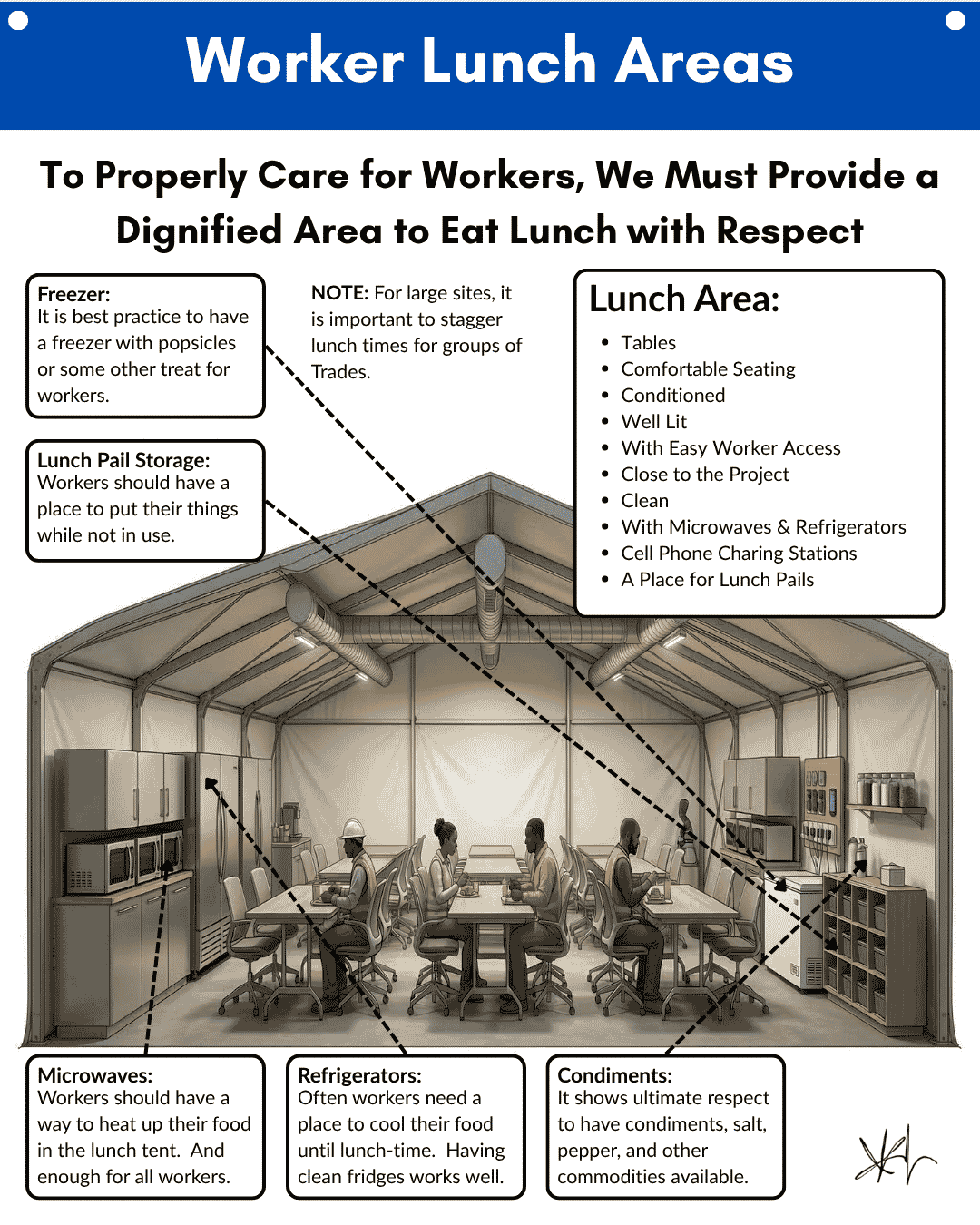
Creating Lean, not Implementing It, Feat. Dean Reed

Read 26 min

Stop Implementing Cookbook Lean and Start Creating Solutions

Your company sent everyone to a Last Planner workshop. You came back energized. You tried to implement what you learned. Then you hit the wall. Leadership says they support Lean but won’t fund the changes you need. They say yes to philosophy but no to practice. They want results without resources. And when you push, they tell you to figure it out within existing constraints because budgets are tight and this isn’t the right time.

Here’s what’s actually happening. Your executives are in the “some support” category. They like the idea of Lean when it sounds good in presentations. But they’re not committed. Committed means providing resources, removing barriers, and accepting that real improvement requires investment. Supportive means nodding at concepts while blocking implementation. And most companies are stuck in some support, wondering why their Lean initiatives die six months after the consultant leaves.

The deeper problem is that you’re trying to implement cookbook Lean instead of creating solutions for your specific problems. You went to a workshop. You saw tools. You tried to copy what someone else did on a different project in a different company with different people. And it didn’t work because you’re not solving your problems. You’re implementing someone else’s solutions to problems you don’t have. Real Lean isn’t about tools. It’s about becoming world-class problem solvers who make frontline workers’ lives better. And that requires creating, not implementing.

The Real Pain: Support Without Commitment

Walk into any company attempting Lean and ask what leadership provides. They’ll tell you philosophical support. They approve training budgets. They let people attend conferences. They nod when you present ideas. But when you ask for the resources to actually implement those ideas, the answer is maybe next year. Or work within existing budgets. Or prove ROI first. That’s not commitment. That’s conditional interest that evaporates the moment it costs anything.

The pain shows up everywhere. Teams attend Last Planner training, come back excited, and try to implement daily huddles and constraint tracking. Leadership says that’s great but we can’t change the schedule format because the owner requires CPM. Teams learn about visual management and want to create boards showing flow and constraints. Leadership says that’s interesting but we don’t have budget for printing or materials so use what you have. Teams identify that the real problem is broken make-ready processes and want to hire someone to coordinate upstream work. Leadership says we’ll consider it next quarter. Then next quarter becomes next year. And next year never comes. Eventually people stop trying because support without commitment is just permission to fail.

The worst part is the cookbook implementation trap. Companies send people to workshops where they see tools that worked for someone else. Pull planning sticky notes on walls. PPC tracking spreadsheets. Visual boards with specific layouts. Morning huddle formats. Then they come back and try to copy those tools exactly, wondering why they don’t work. The tools worked somewhere else because they solved specific problems for specific people in specific contexts. But you don’t have those problems. You have different problems. And implementing someone else’s solutions to problems you don’t have creates theater, not improvement. Real Lean means understanding your problems deeply, then creating solutions that actually fix them. Not copying tools from workshops and hoping they transfer.

The Failure Pattern: Implementing Tools Instead of Solving Problems

Here’s what teams keep doing wrong. They treat Lean like a recipe. Go to workshop. Learn tools. Implement tools. Expect results. But Lean isn’t a recipe. It’s a way of thinking about problems and creating solutions. When you implement cookbook Lean, you get cookbook results. Temporary improvements that fade when the person who learned the tool leaves. No institutional capability. No problem-solving culture. Just a collection of tools that worked somewhere else but don’t fit your reality.

They also confuse support with commitment. Executives say they support Lean because it sounds good. They want the results. Better flow. Lower costs. Happier teams. But they’re not willing to invest in getting there. They want Lean to be free. Or cheap. Or something people do in addition to their real work without any additional resources. That’s not how improvement happens. Real improvement requires committed leadership that provides resources, removes barriers, and accepts short-term investment for long-term gain. Support without commitment is permission to struggle, not permission to succeed.

The failure deepens when teams don’t understand that Lean is about respect for people, not efficiency. Most executives want Lean because they think it means working faster. Doing more with less. Speeding up production. But that’s wrong. Toyota doesn’t focus on speeding up work. They focus on making workers’ lives better by solving the problems that make work hard. When you remove waste and create flow, speed happens as a byproduct. But if you chase speed instead of solving problems, you just create burnout. And people resist because they know you’re using Lean to squeeze more out of them instead of making their lives better.

The System Failed You

Let’s be clear. When Lean initiatives fail, it’s not because frontline people resisted or middle managers didn’t try hard enough. It’s because executives gave support without commitment. They wanted results without investment. They approved training but blocked implementation. They said yes to philosophy but no to practice. And that guaranteed failure before anyone tried because you can’t improve without resources, time, and leadership commitment to remove barriers.

The system fails because Western thinking treats Lean like a tool instead of a way of thinking. We want cookbook recipes. Do this, get that. Five steps to success. But Eastern thinking, the foundation of Toyota’s approach, is holistic. It’s about understanding problems deeply before jumping to solutions. It’s about spending nine tenths of your time at the top of the funnel, understanding what’s actually wrong, before narrowing down to solutions. Western thinkers want to jump straight to solutions. We think we’re good problem solvers because we solve problems every day. But we often solve the wrong problems because we never took time to understand what was actually broken.

The system also fails because companies don’t listen to frontline workers. The people doing the work are closest to the problems. They’re in the problem. They’re part of the problem. And they have the insights that matter. But executives make decisions from offices without asking the people in the field what’s actually broken. Then they wonder why their solutions don’t work. Real problem solving starts with Gemba walks. Going to where the work happens. Watching. Listening. Understanding. Not theorizing from conference rooms about what might be wrong. If you don’t start with frontline reality, you solve the wrong problems with the wrong solutions.

What Creating Lean Looks Like

Picture this. A company commits to Lean. Not supports it. Commits to it. The CEO allocates budget for improvement. Not someday. Now. Leadership removes barriers when teams identify problems that need solving. They don’t say work within existing constraints. They say what do you need to fix this and how do we get it. Frontline workers get asked what makes their lives hard. Not in surveys. In real conversations. Leaders walk the Gemba, watch work happen, and listen to the people doing it. Then teams identify the most pressing problems. The ones that make the biggest difference to frontline workers’ lives. And they spend time understanding those problems before jumping to solutions.

They don’t implement cookbook tools from workshops. They create solutions for their specific problems. Maybe that includes pull planning. Maybe it doesn’t. Maybe visual boards help. Maybe a different format works better. The tools emerge from understanding problems, not from copying what worked somewhere else. And when they create solutions, they measure whether those solutions actually make frontline workers’ lives better. Not just whether they improve efficiency metrics. Because Lean is about respect for people, not squeezing more productivity. When you make work easier, better, safer, and more predictable, productivity improves as a byproduct. But if you chase productivity without making work better, people resist because they know you’re using Lean to exploit them.

This company also becomes world-class at problem solving. They train people on how to actually solve problems, not just how to work faster. They teach teams to spend time understanding problems before proposing solutions. They create a culture where solving the right problem matters more than solving problems quickly. And they measure success by whether frontline workers say their lives got better, not just whether metrics improved. If your project needs superintendent coaching, project support, or leadership development, Elevate Construction can help your field teams stabilize, schedule, and flow. Real Lean creates environments where continuous improvement becomes the way people live, not a program leadership imposed.

Why Creating Matters More Than Implementing

Creating Lean instead of implementing it builds institutional capability. When you teach people to solve problems instead of copy tools, they can solve new problems as they emerge. When the consultant leaves, improvement continues because the capability stayed. When people move to new projects, they bring problem-solving thinking instead of specific tools that might not transfer. You build a culture of improvement instead of a collection of temporary fixes.

Creating also ensures solutions actually fit your problems. Cookbook Lean fails because your problems aren’t the same as the workshop presenter’s problems. Your constraints are different. Your people are different. Your customers are different. Solutions that worked there won’t work here unless you adapt them to your reality. And the only way to adapt is to understand your problems first, then create solutions that fit. Implementing tools without understanding problems is guesswork. Creating solutions from deep problem understanding is engineering.

Most importantly, creating Lean instead of implementing it changes what leadership provides. Support without commitment kills initiatives. Commitment means resources, barrier removal, and acceptance that improvement requires investment. When executives commit instead of just support, they allocate budget for change. They remove obstacles when teams identify problems worth solving. They give frontline workers voice in what gets fixed. And they measure success by whether work got better for the people doing it, not just whether costs dropped. That’s the difference between theater and transformation.

How to Create Instead of Implement

Start by getting real commitment from leadership, not just support. Ask executives directly whether they’ll provide resources, remove barriers, and invest in improvement or whether they’re just philosophically interested. If they’re in the some support category, be honest about what that means. You can still improve within your team even without executive commitment. But don’t pretend you’re transforming the company when leadership only gave permission to struggle. Acknowledge reality and work within it.

Become world-class problem solvers. Train your team on how to actually solve problems. Spend nine tenths of your time at the top of the funnel understanding what’s broken before narrowing to solutions. Read books like Gemba Walks by Jim Womack. Learn to go where work happens, watch, listen, and understand before theorizing. Ask frontline workers what makes their lives hard. Don’t survey them. Talk to them. Watch them work. See what’s broken through their eyes. Then identify the most pressing problems. The ones worth the effort. The ones that will make the biggest difference to the people doing the work.

Create solutions for your specific problems instead of implementing cookbook tools from workshops. Maybe visual boards help. Maybe they don’t. Maybe pull planning fits your workflow. Maybe a different approach works better. Let solutions emerge from understanding your problems, not from copying what worked somewhere else. Measure whether solutions make frontline workers’ lives better, not just whether they improve efficiency. Lean is about respect for people. If your solutions don’t make work easier, safer, more predictable, and more enjoyable, you’re doing it wrong. When work gets better, productivity improves as a byproduct. Chase productivity directly and people resist because they know you’re squeezing them.

The Challenge

Here’s your assignment. Stop implementing cookbook Lean. Start creating solutions for your specific problems. Identify one pressing problem that makes frontline workers’ lives hard. Spend time understanding that problem deeply before proposing solutions. Talk to the people in the problem. Watch work happen. Ask what’s broken. Then create a solution that actually fits your reality instead of copying what worked somewhere else.

If you’re in leadership, decide whether you’re committed or just supportive. Committed means providing resources, removing barriers, and investing in improvement. Supportive means nodding at philosophy while blocking practice. If you’re only supportive, be honest. Let people know what that means so they can work within reality instead of expecting transformation you won’t fund. And if you’re frontline, improve your team’s work even if executives aren’t committed. Become great problem solvers. Make your teammates’ lives better. Prove what’s possible. Culture changes when people see results.

Lean isn’t a recipe. It’s a way of thinking. Stop implementing tools. Start solving problems. Create instead of copy. And make work better for the people doing it.

Dean Reed said respect for people isn’t a concept Toyota thinks about. It’s so fundamental to their thinking they don’t have to articulate it. It’s just how they see the world. Make that your foundation. Not efficiency. Not productivity. Respect for people. And let everything else follow.

On we go.

FAQ

How do you get executive commitment instead of just support?

Ask directly whether they’ll provide resources and remove barriers or just approve training. If they hesitate, they’re in some support, not commitment. Work within that reality. You can still improve your team even without executive commitment. Be honest about what’s possible without resources.

What if you don’t know how to solve problems properly?

Train yourself. Read Gemba Walks by Jim Womack. Learn to spend time understanding problems before jumping to solutions. Go where work happens. Watch. Listen. Ask frontline workers what’s broken. Spend nine tenths of your time at the top of the funnel understanding the problem, not rushing to solutions.

How do you know if you’re implementing cookbook Lean or creating solutions?

Ask whether you’re copying tools from workshops or solving your specific problems. If you’re implementing pull planning because you saw it work somewhere else, that’s cookbook. If you identified a specific coordination problem and created a solution that fits your workflow, that’s creating.

What if frontline workers don’t know what problems to solve?

They know what makes their work hard. Ask them. Watch them work. The problems are visible when you go to the Gemba. They might not articulate it as waste or flow issues, but they know what’s frustrating, inefficient, or unsafe. Your job is translating their reality into solvable problems.

Can you improve without executive commitment?

Yes. Make your team’s work better. Solve problems within your control. Build capability. Prove results. Culture changes when people see what’s possible. But be realistic about scale. You can transform your team without executive commitment. You can’t transform the company.


If you want to learn more we have:

-Takt Virtual Training: (Click here)
-Check out our Youtube channel for more info: (Click here) 
-Listen to the Elevate Construction podcast: (Click here) 
-Check out our training programs and certifications: (Click here)
-The Takt Book: (Click here)

Discover Jason’s Expertise:

Meet Jason Schroeder, the driving force behind Elevate Construction IST. As the company’s owner and principal consultant, he’s dedicated to taking construction to new heights. With a wealth of industry experience, he’s crafted the Field Engineer Boot Camp and Superintendent Boot Camp – intensive training programs engineered to cultivate top-tier leaders capable of steering their teams towards success. Jason’s vision? To expand his training initiatives across the nation, empowering construction firms to soar to unprecedented levels of excellence.
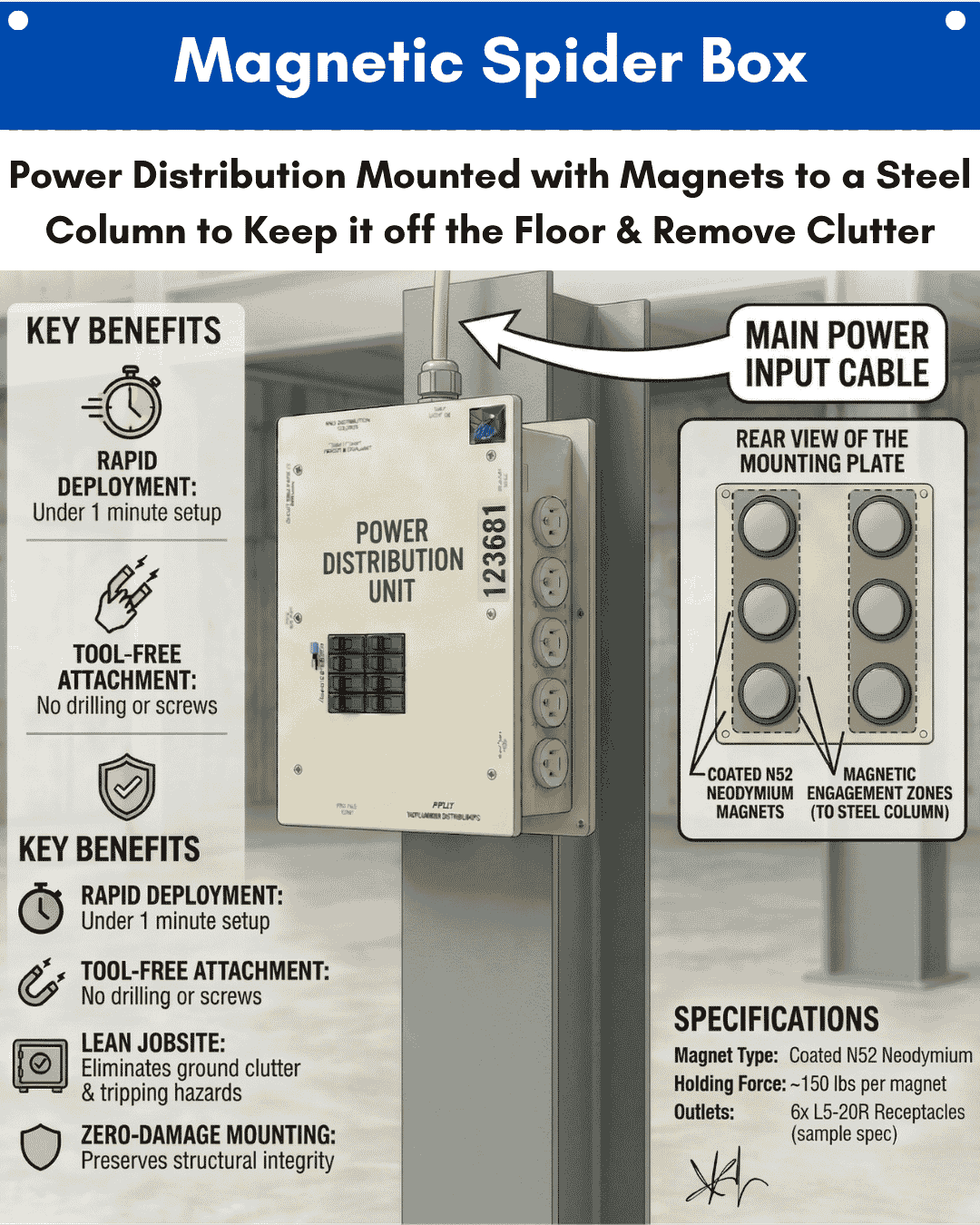
Replacing Busyness with Progress!

Read 24 min

Stop Masking Ineffectiveness With Wasted Hours

You’re working 65 hours a week. Your spouse tolerates it. Your family adjusts. And you tell yourself it’s what superintendents do. You’re busy from 6 AM to 7 PM, managing fires, babysitting people, fighting through ineffective meetings, and doing reports nobody reads. You collapse at night too tired to think about improvement, too drained to advance your career, too burned out to question whether all those hours were necessary.

Here’s the truth. Most superintendents have about 30 hours of productive work per week. The other 25 to 40 hours are waste. Context switching. Unnecessary reports. Ineffective meetings. Fighting fires that better systems would prevent. Babysitting people who should be self-sufficient. Transferring information between systems that should talk to each other. If you constrain your time to 50 or 55 hours and force yourself to eliminate waste, you’d discover how much of your day accomplishes nothing. But you won’t ask those hard questions as long as you can mask ineffectiveness with extra hours. Working a lot is not a virtue when most of those hours advance nothing. You need to drive yourself forward, your job forward, and your company forward. And that requires effectiveness, not just effort.

The Real Pain: Long Hours That Don’t Build Anything

Walk any jobsite at 6 PM and you’ll see superintendents still there. They arrived at 5:30 AM. They’ve been moving all day. Meetings. Coordination. RFIs. Layout checks. Trade conversations. Reports. And they’re exhausted. But if you ask what they accomplished that actually moved the project forward, the list is short. Most of the day was scaffolding. Necessary activity that supports the work but doesn’t create it. Or worse, unnecessary activity that supports nothing. Reports nobody reads. Meetings that could have been emails. Fire drills caused by poor planning weeks ago. Context switching between six different tasks that destroys focus and wastes hours recovering mental space.

The pain shows up everywhere. Superintendents who work 70 hours a week but never advance their careers because they have no time for learning. Projects that finish on time but destroy the people running them because effectiveness was never prioritized over effort. Families who adjust to absent parents because construction culture celebrates long hours instead of smart work. And superintendents who burn out at 45 thinking this is what the job requires, never realizing that better systems would have cut their workload in half while producing better results.

The worst part is the missed opportunity. If you had 30 hours of productive work and eliminated the rest of the waste, you’d have 15 to 25 hours per week for continuous improvement. Reading. Learning. Advancing your career. Implementing Lean systems. Building relationships with other superintendents. Touring projects. Teaching. Whatever your passion is. But you’ll never get there as long as you’re allowed to work 70 hours. The constraint forces the question. Without the constraint, you just keep working longer without asking why.

The Failure Pattern: Confusing Hours With Effectiveness

Here’s what teams keep doing wrong. They measure hours instead of outcomes. They celebrate superintendents who arrive first and leave last. They tolerate ineffective meetings because everyone’s busy and nobody has time to fix them. They accept unnecessary reports because that’s how it’s always been done. They let context switching destroy productivity because everyone’s juggling six projects and that’s just construction. And they wonder why people burn out when the culture rewards effort without questioning whether that effort accomplishes anything.

They also treat lone wolves as the ideal. Superintendents work in isolation. They don’t call each other for advice. They don’t tour each other’s projects. They don’t share solutions. They reinvent systems instead of learning from others. And when they struggle, they work longer hours instead of asking someone who’s already solved the problem. This prevents knowledge from scaling. Every superintendent fights the same battles independently. And the company never builds institutional capability because nothing transfers between people.

The failure deepens when companies don’t create the infrastructure for effectiveness. No leader standard work to protect high-value time. No time tracking to reveal waste. No expectation that superintendents will constrain their hours and improve their systems. Just a culture that says work harder when you should be saying work smarter. And people comply because they don’t know any other way. They think 70-hour weeks are proof of commitment instead of evidence of broken systems.

The System Failed You

Let’s be clear. When superintendents work 70 hours a week, it’s not because they’re dedicated. It’s because the system never taught them to question waste. Nobody showed them how to eliminate context switching. Nobody trained them on leader standard work. Nobody constrained their hours and forced them to ask which activities actually matter. The culture rewards busyness, not results. So people optimize for looking busy instead of being effective. And 70-hour weeks become proof of effort instead of a symptom of failure.

The system fails because it treats long hours as inevitable instead of solvable. Construction has always required long hours, so people assume it always will. But that’s wrong. Superintendents work long hours because they’re doing unnecessary work, fighting fires that better planning would prevent, and reinventing solutions others already discovered. Fix those problems and hours drop while results improve. But companies don’t invest in fixing them because the culture celebrates grinding through chaos instead of designing systems that work.

The system also fails because it isolates superintendents instead of connecting them. When you saw a network of superintendents who camp together, share solutions, text and call each other about crew allocation and self-perform coordination, and have the proximity to develop real friendships, you saw something rare. Most companies treat superintendents like competitors instead of collaborators. They don’t create opportunities for connection. They don’t build wolf packs. They celebrate lone wolves grinding alone. And that isolation prevents the knowledge sharing that would cut everyone’s workload while improving everyone’s results.

What Effectiveness Looks Like

Picture this. A superintendent works 50 to 55 hours per week. Not 70. He’s constrained. That constraint forces him to ask hard questions. Which reports actually get read? Which meetings could be emails? Which activities advance the project versus just create the appearance of progress? He eliminates waste ruthlessly. He implements one-piece flow so project visits get documented immediately instead of creating context switching nightmares later. He stops doing elaborate daily reports when a simple app would suffice. He questions why he’s transferring information between systems instead of using one integrated tool.

He also uses leader standard work to protect high-value time. Every week he time blocks the 20 percent of activities that create 80 percent of results. Planning. Constraint removal. Trade coordination. Quality walks. Those get protected time. Everything else fits around them. He tracks his hours weekly and graphs his progress. When hours creep up, he investigates why and eliminates the waste. And the time he saves, 15 to 25 hours per week, goes to continuous improvement. Reading. Learning. Networking with other superintendents. Implementing Lean systems. Advancing his career. The constraint creates effectiveness. Without it, he’d just work longer.

He’s also part of a wolf pack, not a lone wolf. He texts and calls other superintendents. They share solutions. They tour each other’s projects. They have healthy conflict. They hold each other accountable. They camp together. Their kids play sports together. They’ve built proximity and connection over time. And that network makes everyone more effective because nobody’s solving problems alone. Knowledge scales. Questions get answered. Solutions get shared. The whole group advances faster than any individual could alone.

Why Effectiveness Matters

Effectiveness protects health. Peter Kiewit wrote in 1981 that good health is the most essential requirement for individual success. Without it, little else has significant meaning. And working 70-hour weeks destroys health. Excess weight. Lack of exercise. Poor sleep. Stress. All caused by schedules that leave no time for self-care. When you constrain your hours and force effectiveness, you create space for health. Exercise. Sleep. Moderation. The things that extend your useful life and enable long-term performance instead of short-term grinding that destroys you by 45.

Effectiveness also protects families. Chaos at work becomes chaos at home. When you’re working 70 hours and coming home exhausted, you’re absent even when present. Your family adjusts but they shouldn’t have to. When you work 50 to 55 effective hours, you have capacity for family. Evenings. Weekends. Presence. The life you’re supposedly working to provide gets lived instead of sacrificed. If your project needs superintendent coaching, project support, or leadership development, Elevate Construction can help your field teams stabilize, schedule, and flow.

Most importantly, effectiveness enables advancement. You can’t advance your career when you have no time to learn. You can’t implement continuous improvement when you’re too exhausted to think. You can’t build the wolf pack connections that make everyone better when you’re grinding alone. Effectiveness creates the space for growth. And growth is what separates superintendents who plateau at 40 from those who keep advancing into senior roles, general superintendent positions, and leadership. Working 70 hours keeps you stuck. Working 50 effective hours lets you grow.

How to Drive Effectiveness Forward

Start tracking your time honestly. For two weeks, log everything. Meetings. Reports. Coordination. Fire drills. Email. All of it. Then categorize each activity. Productive work that advances the project. Necessary scaffolding that supports the work. Waste that accomplishes nothing. You’ll discover you have about 30 hours of productive work and 25 to 40 hours of everything else. That’s your baseline. Now you know where to improve.

Implement leader standard work and time blocking. Protect the 20 percent of activities that create 80 percent of results. Planning. Constraint removal. Trade coordination. Quality walks. Those get scheduled first every week. Everything else fits around them. If you’re still listening to this podcast and you don’t plan your weeks with leader standard work, shame on you. You’re killing yourself. You’re not protecting the high-value time that creates results. Get it done.

Eliminate context switching. Stop doing project visits and delaying reports. Implement one-piece flow where you schedule enough time to visit and document immediately. Stop juggling six projects without boundaries. Create focus blocks where you work on one thing completely before switching. Context switching wastes hours. One-piece flow saves them. Question unnecessary work. If you’re doing elaborate reports nobody reads, stop. If you’re writing meeting minutes nobody uses, stop. If you’re transferring information between systems, consolidate. Ask the hard question: why am I doing this? If there’s no good answer, eliminate it.

Build your wolf pack. Find other superintendents. Start texting and calling about solutions. Tour each other’s projects. Share what works. Create proximity. Build relationships. Stop being a lone wolf grinding alone. Join or create a network where knowledge scales and everyone advances faster together. Constrain your hours. Set a limit. Fifty to fifty-five max. The constraint forces better questions. Without it, you’ll just keep working longer.

The Challenge

Here’s your assignment. Track your time for two weeks. Log everything. Categorize it. Find your 30 hours of productive work and your 25 to 40 hours of waste. Then pick one category of waste and eliminate it this month. Unnecessary reports. Ineffective meetings. Context switching. Whatever wastes the most time. Cut it. Use the time you save for continuous improvement.

Implement leader standard work if you haven’t already. Time block your weeks. Protect high-value activities. Track your hours. Graph your progress. Drive them down while driving results up. And find your wolf pack. Connect with other superintendents. Share solutions. Build relationships. Stop grinding alone. You’ll work less and accomplish more when knowledge scales through networks instead of isolation.

Working a lot is not a virtue. Effectiveness is. Stop masking ineffectiveness with wasted hours. Constrain your time. Eliminate waste. Build systems. Join wolf packs. And drive yourself forward, your job forward, and your company forward.

Peter Kiewit said good health is the most essential requirement for individual success because without it, little else has significant meaning. Protect your health by protecting your time. Effectiveness enables everything else.

On we go.

FAQ

How do you convince leadership that 50-hour weeks are enough?

Prove it with results. Track your time. Show that 30 hours are productive and 25 are waste. Demonstrate that eliminating waste improves outcomes while reducing hours. Leadership rewards results, not hours. Deliver better results in less time and they’ll support the change.

What if the culture demands long hours as proof of commitment?

Change the culture by being the example. Work 50 to 55 effective hours. Deliver better results than people working 70. Track and share your effectiveness improvements. Culture changes when better methods produce better results. Be the proof.

How do you eliminate context switching when managing multiple projects?

Create focus blocks. Dedicate specific days or half-days to each project. Implement one-piece flow where you complete tasks immediately instead of batching and switching. Use tools that consolidate information instead of forcing transfers between systems. Boundaries reduce switching.

What if there genuinely is 70 hours of necessary work?

Question that assumption. Most 70-hour workloads include unnecessary reports, ineffective meetings, fire drills from poor planning, and waste from broken systems. Fix the systems and the workload drops. If 70 hours are truly necessary, the project is understaffed or poorly planned.

How do you build a wolf pack when superintendents work in isolation?

Start small. Text one other superintendent about a problem you’re facing. Tour their project. Share a solution. Build one relationship. Then another. Proximity helps so look for people in your region. Camping trips and kid sports create natural connection. Don’t wait for company programs. Just start connecting.

If you want to learn more we have:

-Takt Virtual Training: (Click here)
-Check out our Youtube channel for more info: (Click here) 
-Listen to the Elevate Construction podcast: (Click here) 
-Check out our training programs and certifications: (Click here)
-The Takt Book: (Click here)

Discover Jason’s Expertise:

Meet Jason Schroeder, the driving force behind Elevate Construction IST. As the company’s owner and principal consultant, he’s dedicated to taking construction to new heights. With a wealth of industry experience, he’s crafted the Field Engineer Boot Camp and Superintendent Boot Camp – intensive training programs engineered to cultivate top-tier leaders capable of steering their teams towards success. Jason’s vision? To expand his training initiatives across the nation, empowering construction firms to soar to unprecedented levels of excellence.

Strengthening Field Operations

Read 26 min

Why Companies With Strong Offices and Weak Fields Never Win

Your leadership team has finance represented. Legal has a seat. Marketing gets a voice. Office operations weighs in on every decision. But the people who build your product, the field operations team that creates the only thing you actually sell to owners, they’re not in the room. They don’t get asked for input on policies that affect them. They don’t influence decisions about technology or scheduling or self-perform work. And when projects fail, you blame superintendents for not executing strategies they never helped design.

Here’s the truth. If you have a strong project management wing but a weak field operations wing, you’re an eagle trying to fly with one broken wing. You’ll spin in circles or crash. The product you sell isn’t the financing or the submittals or the cash flow management. Those are scaffolding. The product is what gets built in the field and the journey you give the owner. And if your field operations team is weak, your product is weak. No amount of office strength compensates for that. You need balanced wings to fly straight. And right now, most companies are so lopsided toward office operations that they can’t understand why their projects keep struggling.

The Real Pain: Weak Fields That Can’t Deliver Strong Products

Walk into a company with weak field operations and you’ll see the pattern. Superintendents who don’t know what winning looks like because position levels were never defined. Pay structures hidden or unclear, so people don’t understand their career path or future earning potential. No monthly superintendent meetings where leaders train others and get asked for input. Executive teams making field operations decisions without consulting the people who actually do the work. Training happens sporadically if at all. There’s no craft progression program turning field engineers and craft workers into future superintendents. And field representation on the leadership team doesn’t exist because nobody thought the people building the product deserved a voice where strategy gets decided.

The consequences show up on every project. Superintendents feel unsupported because nobody asked what they need to succeed before holding them accountable for metrics. Field engineers get hired but never trained, so they reinvent systems instead of implementing standards. Foremen and craft workers have no path to advancement, so the best ones leave for companies that invest in development. Projects fail not because people aren’t trying but because the infrastructure to support field success was never built. And leadership blames execution without recognizing that weak systems guaranteed weak results.

The worst part is the missed opportunity. Superintendents can make total package compensation of $240,000 to $260,000 per year at senior or general levels. Some reach $300,000 or more with stock and retirement benefits. Millionaires exist in field operations at high-profile companies. But most superintendents don’t know this path exists because pay structures are hidden and career progression is unclear. So talented people leave construction for other industries, thinking they can’t build wealth here. Meanwhile, companies struggle to fill positions they could have filled from within if they’d invested in developing their own people.

The Failure Pattern: Investing in Everything Except What You Sell

Here’s what companies keep doing wrong. They build strong finance departments. They hire marketing teams. They invest in legal support and office operations. They create leadership teams with every function represented except the one that builds the product. Then they wonder why projects struggle when the people executing in the field feel unsupported, untrained, and excluded from decisions that determine their success or failure.

They also treat field operations like something that takes care of itself. They hire superintendents and assume industry experience is enough. No position level definitions. No clear expectations. No training programs. No standardized systems. Just throw people at projects and hope they figure it out. When someone succeeds, they celebrate the individual without asking what made them successful or how to replicate it across the company. When someone fails, they blame the person without examining whether the system set them up to fail. And they never build the infrastructure that would make field operations a competitive advantage instead of a constant struggle.

The failure deepens when companies make field operations decisions without field input. Executive teams decide on new scheduling software without asking superintendents what they need. They implement safety policies without consulting the people who enforce them daily. They choose self-perform strategies without getting feedback from the field leaders who manage those crews. Then they act surprised when adoption is poor and resistance is high. People don’t resist good ideas. They resist ideas imposed on them without their input. And when field operations never gets a voice, every decision feels like an imposition instead of a collaboration.

The System Failed You

Let’s be clear. When field operations are weak, it’s not because superintendents are incompetent or field engineers are lazy. It’s because the company never invested in building the systems that make field success possible. They invested in office infrastructure, finance systems, marketing capabilities, and legal support. But they treated field operations as a cost to minimize instead of a capability to develop. And you can’t build a strong product with a weak team that nobody trained or supported.

The system fails because companies don’t understand that field operations are the product. Everything else is scaffolding. Finance enables the work but doesn’t create it. Marketing attracts clients but doesn’t deliver projects. Legal protects the company but doesn’t build anything. The field operations team creates the only thing owners actually pay for. The building. The journey. The experience. And if that team is weak, the product is weak. Period. No amount of office strength compensates for weak execution in the field.

The system also fails because leadership teams don’t include field representation. When every department gets a voice except the one building the product, what does that say? It says the company values support functions more than the core product. It says decisions get made by people who don’t understand the work. And it guarantees that policies, technology, and strategies will miss the mark because the people who execute them never had input. Field representation on leadership isn’t optional. It’s essential. And companies without it are flying blind, making decisions about work they don’t understand for people they don’t consult.

What Strong Field Operations Look Like

Picture this. A company defines clear position levels for every field role. Superintendents, field engineers, and survey teams know exactly what winning looks like at each level. Pay structures are transparent so everyone understands their career path and earning potential. People see that superintendent roles can reach $240,000 to $260,000 total compensation at senior levels, with some reaching $300,000 or more through stock and benefits. Suddenly construction becomes a career people pursue instead of a job they tolerate until something better comes along.

The company runs monthly superintendent meetings where top leaders train others and field personnel get asked for input on policies, technology, safety programs, and scheduling systems. Before executive leadership makes decisions about field operations, they consult the field leadership group. This creates buy-in instead of resistance because people support what they help create. The group becomes a steering committee that shapes the direction of field operations, ensuring that decisions align with reality instead of theory. Bi-monthly training happens for craft workers, foremen, field engineers, and superintendents. The training flywheel spins continuously. A craft progression program turns field engineers and craft workers into future superintendents. The company home-grows talent instead of being held hostage by external hires who may or may not fit the culture.

Standardization happens but with autonomy. The field leadership group establishes minimum standards for processes, systems, office layouts, signage, checklists, scheduling, and quality. But they allow people to exceed those standards using their own abilities. This creates consistency without killing creativity. Field engineer and superintendent boot camps run annually, creating a cohesive, culture-driven team. The company designates general superintendents who are bought into systems, good with people, cultural fits, and fanatical learners. And field operations gets representation on the leadership team because the product deserves a voice where strategy gets decided. This is what balanced wings look like. Office operations and field operations working together to create excellence.

Why Strong Field Operations Matter

Strong field operations create strong products. When superintendents know what winning looks like, they can pursue it. When pay structures are clear, people commit to long-term careers instead of job-hopping. When training happens continuously, capability improves instead of stagnating. When field personnel get asked for input, they buy into decisions instead of resisting them. And when field representation exists on leadership teams, strategies align with execution realities instead of missing the mark. All of this translates directly into project success. Better planning. Stronger execution. Higher quality. Safer sites. Owners who get remarkable experiences instead of chaotic struggles.

Strong field operations also solve the talent crisis. Construction can’t find enough superintendents because companies aren’t developing them. But when you build craft progression programs that turn field engineers and craft workers into future superintendents, you create your own pipeline. You’re not competing for scarce external talent. You’re growing your own. And homegrown talent fits your culture better, stays longer, and costs less to develop than constant external hiring. If your project needs superintendent coaching, project support, or leadership development, Elevate Construction can help your field teams stabilize, schedule, and flow.

Most importantly, strong field operations turn lone wolves into wolf packs. The best thing you can have is superintendents calling each other, touring jobs, asking for advice, and being cohesive, transparent, and vulnerable. When that exists, knowledge scales. Problems get solved faster. Excellence replicates. But most companies don’t have this because they never invested in creating it. They treat superintendents as isolated executors instead of connected leaders. And that isolation prevents the sharing and collaboration that accelerates improvement across the entire organization.

How to Build Strong Field Operations

Start with position level alignment. Define clear expectations for every field role: superintendent levels, field engineer levels, survey positions. Make sure every employee has connection, relevance, and measurement so they know what winning looks like. Use resources like FMI or company historicals or guides like Elevating Construction Superintendents to create these definitions. Then communicate pay structures transparently so people understand their career path and earning potential. When people know they can reach $240,000 to $260,000 total compensation at senior superintendent levels, construction becomes a destination career instead of a stepping stone.

Create a monthly superintendent meeting where top leaders train others and field personnel get asked for their opinions. Don’t make field operations decisions without consulting the people who execute them. Turn this group into a field leadership team that steers safety, self-perform, planning, scheduling, survey, and quality initiatives. Start bi-monthly training for craft workers, foremen, field engineers, and superintendents. Build a craft progression program that turns field engineers and craft into future superintendents. This creates your own talent pipeline instead of relying on external hires.

Standardize minimum processes and systems but allow people to exceed those standards with their own autonomy. Deploy field engineer and superintendent boot camps annually to create cohesive, culture-driven teams. Designate general superintendents who are bought into your systems, good with people, cultural fits, and fanatical learners. Never promote someone into general superintendent roles if they’re stuck in their ways and won’t learn. Add field representation to your leadership team because the product you sell deserves a voice where strategy gets decided. Then implement organizational health and team building using the Patrick Lencioni method, followed by continuous improvement using the Paul Akers two-second Lean approach. These create the foundation for sustainable excellence.

The Challenge

Here’s your assignment. Look at your leadership team composition. Does field operations have representation? If not, add it. Look at your field operations infrastructure. Do you have clear position levels, transparent pay structures, monthly superintendent meetings, continuous training, and standardized systems? If not, start building them. Pick one element and implement it this quarter. Then add another. Don’t wait for perfection. Start now.

If you’re a field operations leader, demand a voice. Ask to be included in decisions that affect your team. Offer to lead monthly superintendent meetings. Start building the infrastructure your team needs to succeed. Culture changes when field leaders stop accepting exclusion and start demanding inclusion. You’re not asking for special treatment. You’re asking for the same representation every other function gets. The product you build deserves that.

Strong field operations create strong products. Weak field operations guarantee weak products. Office strength doesn’t compensate for field weakness. You need balanced wings to fly straight. Stop investing everything in support functions while neglecting the team that builds what you sell. Turn lone wolves into wolf packs. Give field operations the infrastructure, training, representation, and support they need to deliver excellence. And watch your projects transform.

Lencioni said, “If you could get all the people in an organization rowing in the same direction, you could dominate any industry, in any market, against any competition, at any time.” Get your field operations rowing with your office operations. Build balanced wings. And fly.

On we go.

FAQ

How do you define position levels for field operations roles?

Use FMI resources, company historicals, or guides like Elevating Construction Superintendents as starting points. Define expectations for each level: field engineer I through III, superintendent levels, survey positions. Make sure every role has clear connection, relevance, and measurement. Involve field leaders in creating these definitions so they reflect reality.

Should pay structures really be transparent to field teams?

Yes. When people understand their career path and earning potential, they commit long-term instead of job-hopping. Superintendents can reach $240,000 to $260,000 total compensation at senior levels. Some exceed $300,000 with stock and benefits. Hiding this information prevents talented people from seeing construction as a wealth-building career.

How do you get field representation on leadership teams that don’t want it?

Make the case that field operations build the product you sell. Ask what it says about the company when finance, legal, and marketing have voices but the team building the product doesn’t. Offer to start with a trial period. Prove the value through better decisions that align with execution realities.

What if superintendents resist monthly meetings and training?

Resistance usually means they don’t see value because meetings waste time without creating change. Make meetings productive by training leaders, asking for input on real decisions, and acting on feedback. When people see their input shapes policy and strategy, resistance turns to engagement.

How do you build craft progression programs that turn field engineers into superintendents?

Create structured training with boot camps, mentorship from experienced superintendents, and rotation through different project types. Define clear progression paths with expectations at each level. Invest in development instead of hoping people figure it out. Homegrown talent fits culture better and stays longer than external hires.


If you want to learn more we have:

-Takt Virtual Training: (Click here)
-Check out our Youtube channel for more info: (Click here) 
-Listen to the Elevate Construction podcast: (Click here) 
-Check out our training programs and certifications: (Click here)
-The Takt Book: (Click here)

Discover Jason’s Expertise:

Meet Jason Schroeder, the driving force behind Elevate Construction IST. As the company’s owner and principal consultant, he’s dedicated to taking construction to new heights. With a wealth of industry experience, he’s crafted the Field Engineer Boot Camp and Superintendent Boot Camp – intensive training programs engineered to cultivate top-tier leaders capable of steering their teams towards success. Jason’s vision? To expand his training initiatives across the nation, empowering construction firms to soar to unprecedented levels of excellence.

    Related Books

    The First Planner System: The Project Planning System for Executives, Project Managers, and Superintendents in Pre-construction - Book 2
    Pull Planning For Builders: How to Pull Plan Right, Respect People, and Gain Time (The Art of the Builder)
    The Ten Improvements to Production Planning: What Lean Builders Can Do To Improve Short Interval Planning (The Art of the Builder)

    Related Books

    The First Planner System: The Project Planning System for Executives, Project Managers, and Superintendents in Pre-construction - Book 2
    Built to Fail: Why Construction Projects Take So Long, Cost Too Much, And How to Fix It

    Related Books

    The First Planner System: The Project Planning System for Executives, Project Managers, and Superintendents in Pre-construction - Book 2
    The 10 Myths of CPM: How The Critical Path Method Systematizes Disrespect for People
    Calumet "K"

    faq

    General Training Overview

    What construction leadership training programs does LeanTakt offer?
    LeanTakt offers Superintendent/PM Boot Camps, Virtual Takt Production System® Training, Onsite Takt Simulations, and Foreman & Field Engineer Training. Each program is tailored to different leadership levels in construction.
    Who should attend LeanTakt’s training programs?
    Superintendents, Project Managers, Foremen, Field Engineers, and trade partners who want to improve planning, communication, and execution on projects.
    How do these training programs improve project performance?
    They provide proven Lean and Takt systems that reduce chaos, improve reliability, strengthen collaboration, and accelerate project delivery.
    What makes LeanTakt’s training different from other construction courses?
    Our programs are hands-on, field-tested, and focused on practical application—not just classroom theory.
    Do I need prior Lean or takt planning experience to attend?
    No. Our programs cover foundational principles before moving into advanced applications.
    How quickly can I apply what I learn on real projects?
    Most participants begin applying new skills immediately, often the same week they complete the program.
    Are these trainings designed for both office and field leaders?
    Yes. We equip both project managers and superintendents with tools that connect field and office operations.
    What industries benefit most from LeanTakt training?
    Commercial, multifamily, residential, industrial, and infrastructure projects all benefit from flow-based planning.
    Do participants receive certificates after completing training?
    Yes. Every participant receives a LeanTakt Certificate of Completion.
    Is LeanTakt training recognized in the construction industry?
    Yes. Our programs are widely respected among leading GCs, subcontractors, and construction professionals.

    Superintendent / PM Boot Camp

    What is the Superintendent & Project Manager Boot Camp?
    It’s a 5-day immersive training for superintendents and PMs to master Lean leadership, takt planning, and project flow.
    How long does the Superintendent/PM Boot Camp last?
    Five full days of hands-on training.
    What topics are covered in the Boot Camp curriculum?
    Lean leadership, Takt Planning, logistics, daily planning, field-office communication, and team health.
    How does the Boot Camp improve leadership and scheduling skills?
    Yes. You’ll learn how to run day huddles, team meetings, worker huddles, and Lean coordination processes.
    Who is the Boot Camp best suited for?
    Construction leaders responsible for delivering projects, including Superintendents, PMs, and Field Leaders.
    What real-world challenges are simulated during the Boot Camp?
    Schedule breakdowns, trade conflicts, logistics issues, and communication gaps.
    Will I learn Takt Planning at the Boot Camp?
    Yes. Takt Planning is a core focus of the Boot Camp.
    How does this Boot Camp compare to traditional PM certification?
    It’s practical and execution-based rather than exam-based. You learn by doing, not just studying theory.
    Can my entire project team attend the Boot Camp together?
    Yes. Teams attending together often see the greatest results.
    What kind of real-world challenges do we simulate?
    Improved project flow, fewer delays, better team communication, and stronger leadership confidence.

    Takt Production System® Virtual Training

    What is the Virtual Takt Production System® Training?
    It’s an expert-led online program that teaches Lean construction teams how to implement takt planning.
    How does virtual takt training work?
    Delivered online via live sessions, interactive discussions, and digital tools.
    What are the benefits of online takt planning training?
    Convenience, global accessibility, real-time learning, and immediate application.
    Can I access the virtual training from anywhere?
    Yes. It’s fully web-based and accessible worldwide.
    Can I access the virtual training from anywhere?
    Yes. It’s fully web-based and accessible worldwide.
    What skills will I gain from the Virtual TPS® Training?
    Macro and micro Takt planning, weekly updates, flow management, and CPM integration.
    How long does the virtual training program take?
    The program is typically completed in multiple live sessions across several days.
    Can I watch recordings if I miss a session?
    Yes. Recordings are available to all participants.
    Do you offer group access or company licenses for the virtual training?
    Yes. Teams and companies can enroll together at discounted rates.
    How does the Virtual TPS® Training integrate with CPM tools?
    We show how to align Takt with CPM schedules like Primavera P6 or MS Project.

    Onsite Takt Simulation

    What is a Takt Simulation in construction training?
    It’s a live, interactive workshop that demonstrates takt planning on-site.
    How does the Takt Simulation workshop work?
    Teams participate in hands-on exercises to learn the flow and rhythm of a Takt-based project.
    Can I choose between a 1-day or 2-day Takt Simulation?
    Yes. We offer flexible formats to fit your team’s schedule and needs.
    Who should participate in the Takt Simulation workshop?
    Superintendents, PMs, site supervisors, contractors, and engineers.
    How does a Takt Simulation improve project planning?
    It shows teams how to structure zones, manage flow, and coordinate trades in real time.
    What will my team learn from the onsite simulation?
    How to build and maintain takt plans, manage buffers, and align trade partners.
    Is the simulation tailored to my specific project type?
    Yes. Scenarios can be customized to match your project.
    How do Takt Simulations improve trade partner coordination?
    They strengthen collaboration by making handoffs visible and predictable.
    What results can I expect from an onsite Takt Simulation?
    Improved schedule reliability, better trade collaboration, and reduced rework.
    How many people can join a Takt Simulation session?
    Group sizes are flexible, but typically 15–30 participants per session.

    Foreman & Field Engineer Training

    What is Foreman & Field Engineer Training?
    It’s an on-demand, practical program that equips foremen and engineers with leadership and planning skills.
    How does this training prepare emerging leaders?
    By teaching communication, crew management, and execution strategies.
    Is the training on-demand or scheduled?
    On-demand, tailored to your team’s timing and needs.
    What skills do foremen and engineers gain from this training?
    Planning, safety leadership, coordination, and communication.
    How does the training improve communication between field and office?
    It builds shared systems that align superintendents, engineers, and managers.
    Can the training be customized for my team’s needs?
    Yes. Programs are tailored for your project or company.
    What makes this program different from generic leadership courses?
    It’s construction-specific, field-tested, and focused on real project application.
    How do foremen and field engineers apply this training immediately?
    They can use new systems for planning, coordination, and daily crew management right away.
    Is the training suitable for small construction companies?
    Yes. Small and large teams alike benefit from building flow-based leadership skills.

    Testimonials

    Testimonials

    "The bootcamp I was apart of was amazing. Its was great while it was happening but also had a very profound long-term motivation that is still pushing me to do more, be more. It sounds a little strange to say that a construction bootcamp changed my life, but it has. It has opened my eyes to many possibilities on how a project can be successfully run. It’s also provided some very positive ideas on how people can and should be treated in construction.

    I am a hungry person by nature, so it doesn’t take a lot to get to participate. I loved the way it was not just about participating, it was also about doing it with conviction, passion, humility and if it wasn’t portrayed that way you had to do it again."

    "It's great to be a part of a company that has similar values to my own, especially regarding how we treat our trade partners. The idea of "you gotta make them feel worse to make them do better" has been preached at me for years. I struggled with this as you will not find a single psychology textbook stating these beliefs. In fact it is quite the opposite, and causing conflict is a recipe for disaster. I'm still honestly in shock I have found a company that has based its values on scientific facts based on human nature. That along with the Takt scheduling system makes everything even better. I am happy to be a part of a change that has been long overdue in our industry!"

    "Wicked team building, so valuable for the forehumans of the sub trades to know the how and why. Great tools and resources. Even though I am involved and use the tools every day, I feel like everything is fresh and at the forefront to use"

    "Jason and his team did an incredible job passing on the overall theory of what they do. After 3 days of running through the course I cannot see any holes in their concept. It works. it's proven to work and I am on board!"

    "Loved the pull planning, Takt planning, and logistic model planning. Well thought out and professional"

    "The Super/PM Boot Camp was an excellent experience that furthered my understanding of Lean Practices. The collaboration, group involvement, passion about real project site experiences, and POSITIVE ENERGY. There are no dull moments when you head into this training. Jason and Mr. Montero were always on point and available to help in the break outs sessions. Easily approachable to talk too during breaks and YES, it was fun. I recommend this training for any PM or Superintendent that wants to further their career."

    agenda

    Day 1

    Foundations & Macro Planning

    day2

    Norm Planning & Flow Optimization

    day3

    Advanced Tools & Comparisons

    day4

    Buffers, Controls & Finalization

    day5

    Control Systems & Presentations

    faq

    UNDERSTANDING THE TRAINING

    What is the Virtual Takt Production System® Training by LeanTakt?
    It’s an expert-led online program designed to teach construction professionals how to implement Takt Planning to create flow, eliminate chaos, and align teams across the project lifecycle.
    Who should take the LeanTakt virtual training?
    This training is ideal for Superintendents, Project Managers, Engineers, Schedulers, Trade Partners, and Lean Champions looking to improve planning and execution.
    What topics are covered in the online Takt Production System® course?
    The course covers macro and micro Takt planning, zone creation, buffers, weekly updates, flow management, trade coordination, and integration with CPM tools.
    What makes LeanTakt’s virtual training different from other Lean construction courses?
    Unlike theory-based courses, this training is hands-on, practical, field-tested, and includes live coaching tailored to your actual projects.
    Do I get a certificate after completing the online training?
    Yes. Upon successful completion, participants receive a LeanTakt Certificate of Completion, which validates your knowledge and readiness to implement Takt.

    VALUE AND RESULTS

    What are the benefits of Takt Production System® training for my team?
    It helps teams eliminate bottlenecks, improve planning reliability, align trades, and reduce the chaos typically seen in traditional construction schedules.
    How much time and money can I save with Takt Planning?
    Many projects using Takt see 15–30% reductions in time and cost due to better coordination, fewer delays, and increased team accountability.
    What’s the ROI of virtual Takt training for construction teams?
    The ROI comes from faster project delivery, reduced rework, improved communication, and better resource utilization — often 10x the investment.
    Will this training reduce project delays or rework?
    Yes. By visualizing flow and aligning trades, Takt Planning reduces miscommunication and late handoffs — major causes of delay and rework.
    How soon can I expect to see results on my projects?
    Most teams report seeing improvement in coordination and productivity within the first 2–4 weeks of implementation.

    PLANNING AND SCHEDULING TOPICS

    What is Takt Planning and how is it used in construction?
    Takt Planning is a Lean scheduling method that creates flow by aligning work with time and space, using rhythm-based planning to coordinate teams and reduce waste.
    What’s the difference between macro and micro Takt plans?
    Macro Takt plans focus on the overall project flow and phase durations, while micro Takt plans break down detailed weekly tasks by zone and crew.
    Will I learn how to build a complete Takt plan from scratch?
    Yes. The training teaches you how to build both macro and micro Takt plans tailored to your project, including workflows, buffers, and sequencing.
    How do I update and maintain a Takt schedule each week?
    You’ll learn how to conduct weekly updates using lookaheads, trade feedback, zone progress, and digital tools to maintain schedule reliability.
    Can I integrate Takt Planning with CPM or Primavera P6?
    Yes. The training includes guidance on aligning Takt plans with CPM logic, showing how both systems can work together effectively.
    Will I have access to the instructors during the training?
    Yes. You’ll have opportunities to ask questions, share challenges, and get real-time feedback from LeanTakt coaches.
    Can I ask questions specific to my current project?
    Absolutely. In fact, we encourage it — the training is designed to help you apply Takt to your active jobs.
    Is support available after the training ends?
    Yes. You can access follow-up support, coaching, and community forums to help reinforce implementation.
    Can your tools be customized to my project or team?
    Yes. We offer customizable templates and implementation options to fit different project types, teams, and tech stacks.
    When is the best time in a project lifecycle to take this training?
    Ideally before or during preconstruction, but teams have seen success implementing it mid-project as well.

    APPLICATION & TEAM ADOPTION

    What changes does my team need to adopt Takt Planning?
    Teams must shift from reactive scheduling to proactive, flow-based planning with clear commitments, reliable handoffs, and a visual management mindset.
    Do I need any prior Lean or scheduling experience?
    No prior Lean experience is required. The course is structured to take you from foundational principles to advanced application.
    How long does it take for teams to adapt to Takt Planning?
    Most teams adapt within 2–6 weeks, depending on project size and how fully the system is adopted across roles.
    Can this training work for smaller companies or projects?
    Absolutely. Takt is scalable and especially powerful for small teams seeking better structure and predictability.
    What role do trade partners play in using Takt successfully?
    Trade partners are key collaborators. They help shape realistic flow, manage buffers, and provide feedback during weekly updates.

    VIRTUAL FORMAT & ACCESSIBILITY

    Can I access the virtual training from anywhere?
    Yes. The training is fully accessible online, making it ideal for distributed teams across regions or countries.
    Is this training available internationally?
    Yes. LeanTakt trains teams around the world and supports global implementations.
    Can I watch recordings if I miss a session?
    Yes. All sessions are recorded and made available for later viewing through your training portal.
    Do you offer group access or company licenses?
    Yes. Teams can enroll together at discounted rates, and we offer licenses for enterprise rollouts.
    What technology or setup do I need to join the virtual training?
    A reliable internet connection, webcam, Miro, Spreadsheets, and access to Zoom.

    faq

    GENERAL FAQS

    What is the Superintendent / PM Boot Camp?
    It’s a hands-on leadership training for Superintendents and Project Managers in the construction industry focused on Lean systems, planning, and communication.
    Who is this Boot Camp for?
    Construction professionals including Superintendents, Project Managers, Field Engineers, and Foremen looking to improve planning, leadership, and project flow.
    What makes this construction boot camp different?
    Real-world project simulations, expert coaching, Lean principles, team-based learning, and post-camp support — all built for field leaders.
    Is this just a seminar or classroom training?
    No. It’s a hands-on, immersive experience. You’ll plan, simulate, collaborate, and get feedback — not sit through lectures.
    What is the focus of the training?
    Leadership, project planning, communication, Lean systems, and integrating office-field coordination.

    CURRICULUM & OUTCOMES

    What topics are covered in the Boot Camp?
    Takt planning, day planning, logistics, pre-construction, team health, communication systems, and more.
    What is Takt Planning and why is it taught?
    Takt is a Lean planning method that creates flow and removes chaos. It helps teams deliver projects on time with less stress.
    Will I learn how to lead field teams more effectively?
    Yes. This boot camp focuses on real leadership challenges and gives you systems and strategies to lead high-performing teams.
    Do you cover daily huddles and meeting systems?
    Yes. You’ll learn how to run day huddles, team meetings, worker huddles, and Lean coordination processes.
    What kind of real-world challenges do we simulate?
    You’ll work through real project schedules, logistical constraints, leadership decisions, and field-office communication breakdowns.

    LOGISTICS & FORMAT

    Is the training in-person or virtual?
    It’s 100% in-person to maximize learning, feedback, and team-based interaction.
    How long is the Boot Camp?
    It runs for 5 full days.
    Where is the Boot Camp held?
    Locations vary — typically hosted in a professional training center or project setting. Contact us for the next available city/date.
    Do you offer follow-up coaching after the Boot Camp?
    Yes. Post-camp support is included so you can apply what you’ve learned on your projects.
    Can I ask questions about my actual project?
    Absolutely. That’s encouraged — bring your current challenges.

    PRICING & VALUE

    How much does the Boot Camp cost?
    $5,000 per person.
    Are there any group discounts?
    Yes — get 10% off when 4 or more people from the same company attend.
    What’s the ROI for sending my team?
    Better planning = fewer delays, smoother coordination, and higher team morale — all of which boost productivity and reduce costs.
    Will I see results immediately?
    Most participants apply what they’ve learned as soon as they return to the jobsite — especially with follow-up support.
    Can this replace other leadership training?
    In many cases, yes. This Boot Camp is tailored to construction professionals, unlike generic leadership seminars.

    SEO-BASED / HIGH-INTENT SEARCH QUESTIONS

    What is the best leadership training for construction Superintendents?
    Our Boot Camp offers real-world, field-focused leadership training tailored for construction leaders.
    What’s included in a Superintendent Boot Camp?
    Takt planning, day planning, logistics, pre-construction systems, huddles, simulations, and more.
    Where can I find Lean construction training near me?
    Check our upcoming in-person sessions or request a private boot camp in your city.
    How can I improve field and office communication on a project?
    This Boot Camp teaches you tools and systems to connect field and office workflows seamlessly.
    Is there a training to help reduce chaos on construction sites?
    Yes — this program is built specifically to turn project chaos into flow through structured leadership.