It Is Time – Sign up for Personal Organization Training

Read 24 min

The Superintendent Who Had No Time for Anything

There is a superintendent who works 70 hours a week. He arrives at 5 AM and leaves at 7 PM. He skips lunch. He answers emails at midnight. He misses his kid’s soccer games. And when you ask him how he is doing, he says I am drowning. I have no time for anything. No time to train people. No time to mentor. No time to think. No time to plan. No time for family. And when you look at what he is actually doing all day, the answer becomes clear. He has no personal organization system. He keeps everything in his head. He reacts to whatever screams loudest. He says yes to everything. And he spends 70 hours a week being busy without ever being effective. Meanwhile, there is another superintendent on a different project who works 50 hours a week, goes home on time, has lunch with his team, mentors young engineers, and still delivers better results. The difference is not talent. The difference is personal organization. One superintendent manages tasks. The other lets tasks manage him.

Here is what happens when leaders have no personal organization system. A project manager starts his day checking email. An urgent message pulls him into a fire drill. He spends two hours solving a problem that could have been prevented with ten minutes of planning yesterday. By the time he surfaces, it is 10 AM and he has not touched the three critical tasks that actually matter. So he tells himself he will do them after lunch. But lunch turns into more firefighting. And by 5 PM he realizes he spent the entire day reacting to other people’s priorities instead of executing his own. So he stays late. He works through dinner. And he goes home exhausted having accomplished nothing that moves the project forward. This happens every single day. And he wonders why he never gets promoted, why his team is always behind, and why he feels like he is running in place.

The real pain is the waste. Waste of time. Waste of energy. Waste of potential. Leaders who have no personal organization system waste hours every day on tasks that do not matter. They attend meetings that could have been emails. They answer questions that should have been delegated. They redo work that was done incorrectly because they did not take time to explain it properly the first time. And they stay late to finish the work they should have done during the day if they had not been interrupted constantly. This is not a work problem. This is a system problem. And it affects everything. It affects their health because they never exercise. It affects their marriage because they never come home. It affects their kids because they miss every event. And it affects their career because leaders who are always busy but never effective do not get promoted.

The failure pattern is predictable. Someone becomes a superintendent or project manager without learning personal organization. They rely on memory instead of systems. They keep to-do lists in their head instead of on paper. They say yes to everything because they do not know how to prioritize. And they spend every day reacting to chaos instead of creating order. Eventually they burn out. Or they plateau. Or they get passed over for promotion because executives see someone who works hard but does not produce results. The system failed them by never teaching them that busyness is not productivity. That motion is not progress. And that working 70 hours a week without a system is less effective than working 50 hours with one.

I learned this lesson from a superintendent who carried a voice recorder. Every time he thought of something that needed to be done, he recorded it. Then at the end of the day, he transcribed those notes into a to-do list. He triaged them by priority. And he time-blocked them into his calendar for the next day. That system allowed him to go home on time every single night while delivering better results than superintendents who worked twice as many hours. Later I learned about Leader Standard Work from lean construction. The concept is simple. Your most important work gets scheduled first. Family time. Exercise. Strategic thinking. Mentoring. Planning. All of it goes on the calendar before the chaos. And then the chaos fills the gaps instead of consuming the entire day. When I implemented that system, my life changed. I went from working 65 hours a week and feeling overwhelmed to working 50 hours and going home with energy left for my family.

This matters because construction cannot afford to lose good people to burnout. And that is exactly what happens when leaders have no personal organization system. They work themselves into the ground. They sacrifice their health, their marriage, and their kids. And eventually they quit or plateau because they cannot sustain the pace. This affects projects because disorganized leaders create chaos. It affects teams because people cannot execute when their leader is constantly changing priorities. It affects retention because good people leave when they see their boss working 70 hours a week and realize that is the only path to advancement. And it affects families because workers go home to spouses and kids who never see them. Personal organization is not a productivity hack. It is the foundation of everything. And leaders who refuse to build that foundation are guaranteeing mediocrity.

Signs You Need a Personal Organization System

Watch for these patterns that signal you are operating without the system you need:

  • You work 60-plus hours a week but feel like you accomplish nothing that actually matters
  • You keep to-do lists in your head and forget critical tasks because there is no external system
  • You say yes to everything because you do not know how to evaluate what deserves your time
  • You spend entire days reacting to emails and interruptions instead of executing strategic work
  • You miss family events because you are always at work but cannot point to what you accomplished
  • You feel constantly overwhelmed and cannot remember the last time you had margin to think

These are not character flaws. These are system gaps. And system gaps get fixed with systems, not harder work.

How Personal Organization Actually Works

Personal organization starts with clarity. You cannot organize your time if you do not know what you are trying to accomplish. So the first step is answering three questions. What is my mission in life? What is my vision for what that looks like? And what are my values? Once you know those answers, you can identify what is most important right now. Not in five years. Not eventually. But in the next three to six months. What specific goals would move you toward your mission? Once you know what is most important right now, you can build a system that ensures those goals actually happen instead of getting buried under chaos.

The system has five components. First, a to-do list. Everything that needs to be done gets written down immediately. Voice notes work. Paper works. Apps work. But it has to leave your head and go somewhere external. Because your brain is terrible at remembering tasks. It is designed to think, not to store information. So capture everything. Then clarify what each task actually requires. Is it a two-minute task you can do now? Is it something to delegate? Is it something to schedule? Organize tasks into buckets. Some go on your calendar. Some go on meeting agendas. Some get sent as delegation. And then reflect constantly. Look at your to-do list multiple times per day. If you can remember what you need to do without looking at the list, you are not using it enough.

Second, Leader Standard Work. This is your weekly calendar that time-blocks the most important work first. Family time goes on the calendar first. Not last. Exercise goes on the calendar. Strategic planning time goes on the calendar. Mentoring time goes on the calendar. One-on-one meetings with your team go on the calendar. All of it gets scheduled before the chaos. Then meetings and firefighting fill the gaps. This ensures the important work actually happens instead of getting pushed aside by urgent-but-unimportant tasks. If something is not on your calendar, it will not happen. So put the important work on the calendar and protect that time like your career depends on it. Because it does. If your project needs superintendent coaching, project support, or leadership development, Elevate Construction can help your field teams stabilize, schedule, and flow.

Third, morning routine. How you start the day determines whether you win or lose. Successful leaders do not check email first thing. They review their to-do list. They look at their Leader Standard Work. They identify the three most important tasks for the day. And they time-block those tasks into the first three hours of the morning before meetings and chaos consume the day. This creates momentum. When you accomplish important work early, the rest of the day flows. When you start with email and firefighting, you spend the entire day reacting and never get to the work that actually matters.

Fourth, elimination. Most leaders waste time on tasks that do not need to be done. Meetings that should be emails. Reports that nobody reads. Approvals that should be delegated. Questions that could be answered with better training. The key to personal organization is not doing faster. It is doing less better. So go on an elimination diet. Every task on your to-do list gets evaluated. Does this actually need to happen? Can someone else do it? Can it be automated? Can it be eliminated entirely? Ruthlessly cut tasks that do not serve your mission or your goals. Because every task you eliminate creates space for the work that actually matters.

Fifth, discipline. Systems only work if you use them. So commit to the system for 60 days. Use your to-do list every single day. Time-block your calendar every single week. Protect your Leader Standard Work. And review your personal clarity document monthly to ensure your daily work aligns with your long-term mission. This takes discipline. But discipline is a muscle. And the more you use it, the stronger it gets. After 60 days, the system becomes habit. And once it becomes habit, you stop fighting chaos and start creating order.

What Success Actually Looks Like

Leaders with personal organization systems operate differently. They are calm in chaos. They have margin to think. They mentor instead of micromanage. They go home on time. And they produce better results than leaders who work twice as many hours:

  • They work 45-55 hours per week and rarely stay late because their days are planned and protected
  • They have time to mentor, think strategically, and solve problems before they become emergencies
  • They say no to tasks that do not align with their mission without guilt or hesitation
  • They delegate effectively because they planned time to train people properly the first time
  • They go home with energy left for their families instead of collapsing exhausted every night

This is not luck. This is system. And any leader can build it if they commit to the process.

The Challenge

Stop telling yourself you are too busy to get organized. That is like saying you are too busy driving on square wheels to switch to round ones. The chaos you are drowning in is caused by lack of organization. And the only way out is to stop, build the system, and commit to using it. Take a personal organization course. Read Getting Things Done by David Allen. Work through the Personal Organization Mastery course. Or hire a coach. But do something. Because you cannot keep working 70 hours a week and wondering why nothing changes. The definition of insanity is doing the same thing and expecting different results. Your kids deserve better. Your spouse deserves better. Your health deserves better. And your career deserves better. So invest the time and money to build the system that will give you all of it back.

As David Allen said, “You can do anything, but not everything.” Stop trying to do everything. Start organizing the things that actually matter. Eliminate the rest. And watch what happens when you trade busyness for effectiveness. Your mission in life is not to work yourself into the ground. Your mission is to build things and people that last. And you cannot do that if you are constantly drowning in chaos. Build the system. Commit to the discipline. And take your life back. On we go.

Frequently Asked Questions

Why do I need a to-do list if I can remember what needs to be done?

Your brain is designed to think, not store information. Keeping tasks in your head wastes mental energy and causes you to forget critical work under stress.

What is Leader Standard Work and why does it matter?

Leader Standard Work is your weekly calendar where you time-block important tasks first before chaos fills your day, ensuring strategic work actually happens instead of getting buried.

How long does it take to build a personal organization system?

Commit to using the system daily for 60 days. After that, it becomes habit and you stop fighting the system and start using it automatically.

What should I do first thing in the morning?

Review your to-do list and Leader Standard Work, identify the three most important tasks for the day, and time-block them into your morning before meetings consume your schedule.

How do I know what tasks to eliminate?

Ask if the task serves your mission or goals. If it does not, delegate it, automate it, or eliminate it entirely to create space for work that actually matters.

If you want to learn more we have:

-Takt Virtual Training: (Click here)
-Check out our Youtube channel for more info: (Click here) 
-Listen to the Elevate Construction podcast: (Click here) 
-Check out our training programs and certifications: (Click here)
-The Takt Book: (Click here)

Discover Jason’s Expertise:

Meet Jason Schroeder, the driving force behind Elevate Construction IST. As the company’s owner and principal consultant, he’s dedicated to taking construction to new heights. With a wealth of industry experience, he’s crafted the Field Engineer Boot Camp and Superintendent Boot Camp – intensive training programs engineered to cultivate top-tier leaders capable of steering their teams towards success. Jason’s vision? To expand his training initiatives across the nation, empowering construction firms to soar to unprecedented levels of excellence.


On we go
Construction Surveying & Layout, Feat. Professor Crawford

Read 25 min

The Field Engineer Who Could Not Work When the Battery Died

There is a field engineer who shows up to the jobsite with the latest GPS equipment. He sets up. He calibrates. He locates points faster than anyone with a total station ever could. And everyone is impressed. Until the GPS loses signal. The satellite connection drops. And suddenly this field engineer who was productive five minutes ago is useless. He cannot locate anything. He cannot set points. He cannot verify elevation. Because he never learned how to use a tape measure and a level. He only learned how to push buttons. So when the technology fails, he fails. And the crew loses an entire day of production because one person never bothered to learn the basics.

Here is what happens when teams rely entirely on technology without understanding fundamentals. A superintendent assigns layout work to a field engineer. The engineer sets up the robotic total station. He imports the points from the model. He starts locating column lines. Everything is perfect until the battery dies and nobody brought a spare. Or the Wi-Fi drops and the connection to the model is lost. Or the instrument gets bumped and loses calibration. And suddenly nobody can work. The concrete crew is waiting. The steel erectors are waiting. The MEP trades are waiting. And the entire schedule slips because one person with a dead battery cannot figure out how to pull a three-four-five triangle with a tape measure to square a corner. This happens on jobsites every single week. And it costs projects thousands of dollars in lost productivity.

The real pain is the false confidence. Field engineers think they know what they are doing because the technology makes them productive. But they do not actually understand the principles. They do not know how to check their work. They do not know how to verify accuracy. They do not know how to solve problems when the technology fails. So when something goes wrong, they are stuck. And the entire project pays the price because one person was trained to push buttons instead of trained to think. This is not the field engineer’s fault. This is a training failure. Companies prioritized speed over knowledge. They taught people how to use tools without teaching them why those tools work. And now they have teams full of button-pushers who cannot function when the buttons stop working.

The failure pattern is predictable. A company invests in expensive technology. They train people how to use it. And they skip the fundamentals because teaching basics takes time and technology seems faster. So field engineers learn how to operate GPS and robotic total stations and 3D scanning equipment. But they never learn how to run levels. They never learn how to pull tape. They never learn how to turn angles manually. And everything works great until the technology fails. Then the project stops. Because nobody knows how to do the work without the machines. The system failed them by teaching tools instead of principles. And the company pays for it every time a battery dies or a signal drops or an instrument needs calibration.

Professor Wes Crawford spent 40 years teaching construction surveying at Purdue University and working with Hensel Phelps to develop field engineers who actually understand what they are doing. He wrote Construction, Surveying, and Layout because he saw this exact problem. Field engineers who could push buttons but could not think. So he created a manual full of illustrations and step-by-step instructions that teach the basics. How to measure with a tape. How to run levels. How to pull three-four-five triangles. How to verify work. How to organize field books. How to think like a builder. And when companies use that book to train their people, mistakes drop dramatically. Not because the technology got better. But because the people got better. They understand the principles. They can check their work. They can solve problems. And they do not quit for the day when the GPS loses signal because they know how to pull a tape measure.

This matters because construction cannot afford to lose entire days of productivity because one person does not know how to measure without technology. The basics are not optional. They are foundational. And field engineers who never learn them are liabilities disguised as assets. This affects schedules because lost day’s compound. It affects quality because people who cannot check their work make mistakes that get built in. It affects safety because crews working from bad layout create dangerous conditions. And it affects retention because superintendents get tired of babysitting field engineers who cannot function independently. Learning the basics is not about going backwards. It is about building capability that works regardless of whether the technology is functioning.

Why Basics Matter More Than Buttons

Technology is a tool. And tools fail. Batteries die. Signals drop. Software crashes. Instruments get bumped. And when that happens, the people who only know how to push buttons are stuck. But the people who learned the basics keep working. They pull tape. They set up a level. They turn angles. They verify elevations. And they keep the project moving while everyone else is waiting for IT support or a spare battery or a technician to recalibrate the equipment. That is the difference between someone who understands construction surveying and someone who just knows how to operate equipment.

The principles do not change. A three-four-five triangle has been square for thousands of years. Level means level whether you are using a $50 hand level or a $15,000 robotic total station. Baseline offsets work the same way regardless of whether you are pulling tape or using GPS. And field engineers who understand these principles can adapt to any situation. They can verify the technology is working correctly. They can catch mistakes before they get built. And they can solve problems when equipment fails because they know how the math works and how the measurements work and how to check accuracy manually.

Professor Crawford taught students that you can tell people how to do something over and over, but the light bulb only turns on when they start thinking for themselves. When they understand why a process works instead of just memorizing the steps. And that is what separates field engineers who can only push buttons from field engineers who can actually build things. The ones who understand the principles do not need the technology to work. They use it because it is faster. But when it fails, they keep going. And that capability is worth more than any piece of equipment.

How to Build Field Engineers Who Actually Understand

Start by teaching the basics first. Before anyone touches a GPS or a robotic total station, they should know how to pull tape, run levels, and turn angles manually. They should understand how to pull three-four-five triangles to check square. They should know how to use baseline offsets. They should practice setting up instruments and checking benchmarks and verifying elevations. This takes time. It is slower than just showing someone which buttons to push. But it builds understanding. And understanding creates capability that lasts.

Next, teach them how to check their work. Field engineers who only know how to push buttons never learn to verify accuracy because the machine tells them they are right. But machines lie. Software has bugs. Equipment gets knocked out of calibration. And if you do not know how to check your work manually, you will build mistakes into the project. So teach field engineers to always verify. Pull tape to confirm dimensions. Run levels to check elevations. Turn angles to verify bearings. And never trust the technology without confirming it makes sense. If your project needs superintendent coaching, project support, or leadership development, Elevate Construction can help your field teams stabilize, schedule, and flow.

Then teach them how to organize. Personal organization is the foundation of good field engineering. Keeping clean field books. Maintaining to-do lists. Tracking benchmarks and control points. Documenting measurements. And staying on top of details. Field engineers who are disorganized make mistakes even when the technology works perfectly. So before you teach them how to use equipment, teach them how to organize their work. Give them systems. Show them how to use field books properly. And hold them accountable to maintaining those systems.

Finally, teach them how to think. Field engineering is not just about taking measurements. It is about understanding how buildings go together. How to visualize components in three dimensions. How to sequence work. How to identify conflicts before they happen. And how to solve problems when things do not go as planned. This requires experience. So give field engineers real responsibility. Let them make decisions. Let them solve problems. And let them learn from mistakes in safe environments where failure teaches instead of destroys.

Signs Your Field Engineers Only Know How to Push Buttons

Watch for these patterns that signal your team relies too heavily on technology without understanding basics:

  • Work stops completely when equipment fails instead of shifting to manual methods
  • Field engineers cannot verify their own work without running the equipment again
  • Mistakes show up late in construction because nobody checked measurements manually
  • Young engineers do not know how to pull tape or run levels without assistance
  • The team treats technology failures as project-stopping events instead of minor delays
  • Nobody can explain why a measurement method works, only which buttons to push

These are not technology problems. These are training gaps. And they cost projects time and money every time something goes wrong.

What Companies Get Wrong About Field Engineering

Most companies think field engineering is about operating equipment. So they hire people, show them which buttons to push, and send them to the field. And for a while, everything seems fine. The work gets done. The technology makes them productive. But then something breaks. And the entire system collapses because nobody knows how to function without it. That is the cost of skipping fundamentals. You create dependencies instead of capabilities. And dependencies are liabilities.

The companies that build great field engineers do it differently. They invest in training that teaches principles before tools. They use books like Construction, Surveying, and Layout to build foundational knowledge. They send people to boot camps where they practice basics until they understand why methods work instead of just memorizing steps. And they create cultures where checking your work manually is expected, not optional. These companies do not lose days of productivity when batteries die. Because their people know how to keep working regardless of whether the technology is functioning.

Another mistake companies make is treating field engineers as temporary positions. They hire young people, train them just enough to be useful, and then promote them before they master the fundamentals. So superintendents never learn how to visualize buildings in three dimensions. Project managers never learn how to verify accuracy. And directors never learn how to organize complex work. These gaps compound over time. And companies wonder why their leaders struggle with details when they never learned the basics that teach you how to think like a builder.

The Legacy of Fundamentals

Professor Crawford’s vision for his book is simple. He wants it to still be relevant in 10, 20, 30 years. Not because the technology will be the same. But because the principles will be. Three-four-five triangles will still be square. Level will still mean level. And people will still need to verify accuracy manually when equipment fails. The basics do not change. Only the tools change. And people who understand the basics can adapt to any tool. But people who only know how to use current tools become obsolete the moment the technology changes.

The challenge Professor Crawford gives is this. Be your best. Stop wasting time on things you cannot control. Take responsibility for your own learning. Because nobody else can change your life except you. You can read books. You can take courses. You can practice basics. You can ask questions. And you can build capability that lasts. Or you can keep pushing buttons and hoping the technology never fails. The choice is yours. But the consequences affect everyone around you. Because the crew cannot work when you cannot measure. And the project cannot finish when the crew cannot work.

So here is the challenge. Pick up a copy of Construction, Surveying, and Layout. Learn the basics. Practice pulling tape. Practice running levels. Practice verifying measurements manually. And stop treating technology as a replacement for knowledge. Use it as a tool that makes you faster. But build the capability to work without it. Because the day the GPS fails, you will either keep the project moving or shut it down. And the difference is whether you learned how to push buttons or whether you learned how to think. As Professor Crawford said, “There’s only one person in life that can change your life, and that’s you.” Take control. Learn the fundamentals. And become the field engineer who can work regardless of whether the battery is charged. On we go.

Frequently Asked Questions

Why do field engineers need to learn basics if technology does the work faster?

Because technology fails, and when it does, field engineers who only know buttons cannot keep the project moving while those who know basics can work through any failure.

What happens when GPS or robotic equipment stops working on site?

Projects lose entire days of productivity if nobody knows how to measure with tape, run levels manually, or verify elevations without equipment.

How do you build field engineers who understand principles instead of just tools?

Teach basics first before introducing technology, require manual verification of all measurements, and create systems for personal organization and field books.

Why does personal organization matter for field engineers?

Disorganized field engineers make mistakes even with perfect technology because they lose track of benchmarks, control points, and documentation needed to verify accuracy.

What is the three-four-five triangle and why does it matter?

A right triangle with sides of 3, 4, and 5 units always creates a perfect 90-degree angle, making it reliable for checking square when technology fails.

If you want to learn more we have:

-Takt Virtual Training: (Click here)
-Check out our Youtube channel for more info: (Click here) 
-Listen to the Elevate Construction podcast: (Click here) 
-Check out our training programs and certifications: (Click here)
-The Takt Book: (Click here)

Discover Jason’s Expertise:

Meet Jason Schroeder, the driving force behind Elevate Construction IST. As the company’s owner and principal consultant, he’s dedicated to taking construction to new heights. With a wealth of industry experience, he’s crafted the Field Engineer Boot Camp and Superintendent Boot Camp – intensive training programs engineered to cultivate top-tier leaders capable of steering their teams towards success. Jason’s vision? To expand his training initiatives across the nation, empowering construction firms to soar to unprecedented levels of excellence.


On we go
Executive Level Leadership Development

Read 23 min

The CEO Who Trained Everyone except the Leaders

There is a CEO who invests heavily in training. Field engineers get boot camps. Project managers get seminars. Superintendents get coaching. Foremen get workshops. But when someone proposes training for the executive leadership team, the answer is always no. Not because of cost. Not because of time. But because of fear. Fear that executives will get offended. Fear that they will resist. Fear that they will quit if pushed out of their comfort zones. So the CEO protects them. Keeps them comfortable. And watches the entire company suffer because the people at the top are dysfunctional, siloed, and blocking progress. The workers get developed. But the leaders who need it most get nothing. And the company pays the price every single day.

Here is what happens when executives stay in their comfort zones. Project directors operate in silos. They compete for resources instead of collaborating. They protect their turf instead of serving the mission. They avoid hard conversations because conflict feels uncomfortable. And they create cultures where politics matter more than performance. Meanwhile, the teams below them struggle. Superintendents cannot execute because executives are bottlenecks. Project managers waste energy navigating turf wars instead of managing projects. And workers suffer because dysfunctional leadership at the top cascades down through every level of the organization. The CEO sees the symptoms. Low morale. High turnover. Mediocre performance. But refuses to address the root cause because training executives feels too risky.

The real pain is the waste of potential. Most executive teams are full of talented people who care deeply about the company. But they have never been taught how to function as a team. They have never learned how to have healthy conflict. They have never practiced giving each other candid feedback. They have never been pushed past the blocks that prevent them from leading effectively. So they operate at half capacity. They make safe decisions instead of innovative ones. They stay quiet instead of speaking up. They play savior instead of empowering others. And the company never reaches its potential because the leadership team at the top is stuck in their comfort zones afraid to take the risks that create growth.

The failure pattern is predictable. A CEO invests in training for everyone except the executive team. The lower levels improve. They learn new skills. They adopt better systems. But nothing changes at the organizational level because the executives at the top are still dysfunctional. They still operate in silos. They still avoid hard conversations. They still play politics. And the improvements at lower levels get blocked by dysfunction at the top. The CEO wonders why the training is not producing results. The answer is simple. You trained the wrong people. Or more accurately, you trained everyone except the people who control whether the rest of the organization can execute. The system failed them by protecting executives from the very discomfort that creates growth.

I once worked with a client who needed executive leadership development. We had already done successful training for field engineers, project managers, and superintendents. The feedback was outstanding. But when I proposed training for the executive team, the proposal was denied. When I dug deeper, the answer was stunning. The CEO said I do not want to push them too hard. I am afraid they will quit. So the company was willing to invest in developing everyone except the leaders who controlled whether those investments would pay off. That is not protection. That is sabotage. Because protecting executives from discomfort guarantees they will never grow. And leaders who do not grow cannot lead organizations that do.

This matters because executive dysfunction destroys companies. When the leadership team at the top is dysfunctional, everything below them suffers. Teams operate in silos instead of collaborating. Resources get wasted on politics instead of performance. Decisions get delayed because executives avoid conflict. And high-performers leave because they are tired of working in environments where dysfunction is tolerated and excellence is punished. This affects projects because dysfunctional leadership creates chaos. It affects retention because good people do not stay in toxic cultures. It affects profitability because wasted energy costs money. And it affects families because workers go home exhausted from navigating politics instead of building things. Executive development is not optional. It is foundational. And companies that refuse to invest in it are guaranteeing mediocrity.

Why Comfort Zones Kill Leadership

Security is mostly a superstition. It does not exist in nature. Avoiding danger is no safer in the long run than outright exposure. Life is either a daring adventure or nothing. Helen Keller said that. And she was right. But most executives operate from a comfort zone. They feel safe and in control. And that feeling prevents them from growing. Because growth requires discomfort. Growth requires risk. Growth requires pushing past fear into learning and then into the growth zone where purpose gets found and dreams get lived. But executives who stay comfortable never get there. They make safe decisions. They avoid conflict. They protect their positions. And they lead organizations that reflect their own limitations.

The four zones are comfort, fear, learning, and growth. In the comfort zone, you feel safe and in control. In the fear zone, you lack self-confidence, find excuses, and get affected by others’ opinions. In the learning zone, you deal with challenges, acquire new skills, and extend your comfort zone. In the growth zone, you find purpose, live your dreams, set new goals, and conquer objectives. Most executives live in the comfort zone. They have stopped learning. They have stopped growing. And they have stopped pushing themselves past fear. So they lead from a place of safety instead of courage. And that limits everyone around them.

The blocks to leadership are real and predictable. Executives want to be liked so they avoid hard conversations. They are closed-minded so they reject new ideas. They play savior so they create dependency instead of capability. They fear risk so they make safe decisions. They are indecisive so progress stalls. They have low expectations of others so they accept mediocrity. They are controlling so they bottleneck execution. They have low self-worth so they need validation. They focus on problems instead of opportunities. They lack purpose so they drift. They fear embarrassment so they avoid vulnerability. They fear rejection so they do not speak up. They need to be perfect so they delay decisions. And they stay busy with low-value work instead of leading. These blocks are programmed into people through childhood, culture, and career. And they will not go away without intentional effort to overcome them.

What High-Functioning Executive Teams Actually Do

Patrick Lencioni teaches that the executive leadership team must be Team One. It must be the highest-functioning team in the organization. Because if Team One is dysfunctional, every team below it will be dysfunctional too. Team One must build trust, engage in healthy conflict, commit to decisions, hold each other accountable, and focus on results. But most executive teams skip trust and conflict and go straight to compliance. The CEO decides. The executives execute. And nobody holds anyone accountable because accountability requires safety. And safety requires trust. And trust requires vulnerability. And vulnerability requires pushing past the fear of being judged. If your project needs superintendent coaching, project support, or leadership development, Elevate Construction can help your field teams stabilize, schedule, and flow.

High-functioning executive teams know their purpose, their vision, their values, and their goals. They have clarity on where the organization is headed. They communicate that clarity constantly. And they reinforce it through systems and accountability. But clarity without capability is useless. So high-functioning teams also develop the capability to execute. They push past blocks to leadership. They practice hard conversations. They give each other candid feedback. They challenge assumptions. And they hold each other accountable to standards instead of making excuses. This does not happen naturally. It happens through intentional development. Through training that pushes people past comfort into fear, through fear into learning, and through learning into growth.

Signs Your Executive Team Needs Development

Watch for these patterns that signal your executive leadership team is stuck in their comfort zones:

  • Executives operate in silos and compete for resources instead of collaborating toward shared goals
  • Hard conversations get avoided and conflict gets swept under the rug instead of resolved
  • Decisions get delayed because executives fear making the wrong choice or upsetting someone
  • Politics and turf wars dominate meetings while mission and results get ignored
  • High-performers leave because they are tired of dysfunction at the top preventing progress
  • The CEO has to resolve conflicts between executives instead of executives resolving them directly

These are not personality conflicts. These are development gaps. And the fix is not more time or better systems. The fix is pushing executives past their comfort zones into growth.

How to Develop Executive Teams That Actually Function

Start by creating clarity. The executive team must know the company’s purpose, vision, values, and goals. They must agree on where the organization is headed and how it will get there. This requires facilitated sessions where executives build shared understanding instead of protecting individual agendas. Clarity does not happen in PowerPoint presentations. It happens through conversation, debate, and alignment. Once clarity exists, communicate it constantly. And reinforce it through systems that hold people accountable to the vision instead of their own preferences.

Next, push executives past their blocks to leadership. This requires experiential training that forces them out of comfort zones. Sitting in conference rooms listening to lectures does not change behavior. Practicing hard conversations in front of peers does. Giving extemporaneous speeches does. Receiving candid feedback does. Failing at tasks and learning from failure does. The discomfort is the point. Because discomfort is what breaks old patterns and builds new ones. Executives who have practiced vulnerability in controlled environments can practice it in real ones. Executives who have navigated conflict in training can navigate it on teams. And executives who have been pushed past fear into learning carry that capability into their leadership.

Then build accountability systems. High-functioning teams hold each other accountable. They do not wait for the CEO to police behavior. They call each other out when someone is not showing up fully. They give feedback directly instead of complaining in hallways. And they prioritize results over relationships. This requires trust. And trust requires time and repetition. So create rhythms where executives practice accountability. Weekly check-ins where they report on commitments. Monthly reviews where they assess team health. Quarterly offsites where they reset vision and address dysfunction. These rhythms create muscle memory. And muscle memory creates culture.

Finally, invest in ongoing development. One training session does not fix years of dysfunction. Development is a journey, not an event. So commit to it. Send executives to programs like Rapport Leadership International or Tony Robbins events. Hire coaches who specialize in executive team development. Create peer groups where executives challenge each other. And make development a non-negotiable part of the role. Because executives who stop growing stop leading. And companies led by people who have stopped growing stop winning.

The Challenge

Walk into your next executive team meeting and ask one question. Are we a high-functioning team or are we stuck in our comfort zones. If the answer is stuck, do something about it. Invest in training. Hire facilitators. Push past the fear of offending people. Because protecting executives from discomfort is not kindness. It is sabotage. And companies that tolerate dysfunctional leadership at the top will never achieve their potential at any level. As Helen Keller said, “Life is either a daring adventure or nothing.” Stop settling for nothing. Build Team One. Push past comfort into growth. And watch what happens when the people at the top finally start leading like the organization depends on it. Because it does. On we go.

Frequently Asked Questions

Why do companies train lower-level employees but not executives?

Fear. Leaders worry that pushing executives will offend them and cause them to quit, so they protect comfort zones instead of developing capability.

What are the 16 blocks to leadership?

Wanting to be liked, closed-mindedness, playing savior, fearing risk, indecisiveness, low expectations, excessive criticism, controlling behavior, low self-worth, problem-focus, and lack of purpose, fear of embarrassment, fear of rejection, perfectionism, and busyness.

What does it mean for the executive team to be Team One?

The executive leadership team must be the highest-functioning team in the organization because dysfunction at the top cascades down through every level below.

How do you push executives past their comfort zones?

Through experiential training that creates discomfort practicing hard conversations, giving speeches, receiving candid feedback, and failing in controlled environments builds capability for real ones.

What happens when executives stay in comfort zones?

They make safe decisions instead of innovative ones, avoid conflict instead of resolving it, operate in silos instead of collaborating, and limit organizational growth through their own limitations.

If you want to learn more we have:

-Takt Virtual Training: (Click here)
-Check out our Youtube channel for more info: (Click here) 
-Listen to the Elevate Construction podcast: (Click here) 
-Check out our training programs and certifications: (Click here)
-The Takt Book: (Click here)

Discover Jason’s Expertise:

Meet Jason Schroeder, the driving force behind Elevate Construction IST. As the company’s owner and principal consultant, he’s dedicated to taking construction to new heights. With a wealth of industry experience, he’s crafted the Field Engineer Boot Camp and Superintendent Boot Camp – intensive training programs engineered to cultivate top-tier leaders capable of steering their teams towards success. Jason’s vision? To expand his training initiatives across the nation, empowering construction firms to soar to unprecedented levels of excellence.


On we go
Technology Feat. Hugh Seaton

Read 23 min

The Superintendent Drowning in Technology That Does Not Work

There is a superintendent who has six different apps on his phone. One for daily reports. One for safety observations. One for drawings. One for RFIs. One for schedules. One for photos. And every single one of them requires 23 clicks to do something that should take three. Every single one of them was designed by someone who has never stood in the wind at 6 AM trying to type with frozen fingers. Every single one of them optimizes the office while the field suffers. And the superintendent is drowning. Not because technology is bad. But because the technology was built for the wrong people. It was built for executives who see dollar signs. It was built for IT departments who want centralized control. But it was not built for the people who actually make the money. The workers screwing in drywall. The foreman coordinating trades. The superintendent managing flow. And those are the only people who matter.

Here is what happens when technology ignores the field. A software company launches a new daily reporting tool. They demo it to the executives. Everyone loves it. The interface is beautiful. The dashboards are impressive. The data integration is seamless. So the company buys it. They roll it out to the projects. And within two weeks, the field teams hate it. Because it takes ten minutes to complete a report that used to take two. Because it crashes when you lose cell signal. Because it requires you to type long narratives instead of taking photos of handwritten notes. And because nobody asked the field what they actually needed before building the tool. The executives see adoption metrics and think it is working. But the field is suffering. And the project is paying the price in wasted time and frustration.

The real pain is the disconnect. Office-based technology has been optimized for years. Project management software works beautifully for PMs sitting at desks. Accounting systems are efficient for finance teams. Document control is seamless for administrators. But field technology is still clunky. Still slow. Still designed by people who do not understand what it is like to work in the wind and the cold with gloves on and limited time. And the result is field teams’ waste hours every week fighting technology instead of using it. They fill out the same information three times in three different systems. They lose connectivity and lose data. They spend more time managing the tools than managing the work. And everyone wonders why productivity has not improved despite billions of dollars invested in construction technology.

The failure pattern is predictable. A software company builds a tool without talking to the field. They optimize it for office use because that is where the decision makers sit. They launch it. The field hates it. But the contracts are signed and the money is spent so everyone has to use it anyway. And nothing changes because nobody created a feedback loop between the people building the technology and the people using it in the dirt. The system failed them by prioritizing flashy features over reliable functionality. By optimizing for executives instead of workers. And by treating technology adoption as a top-down mandate instead of a bottom-up collaboration.

But things are changing. Software developers are finally starting to listen. Companies like Procore and Autodesk and others are reaching out to field teams asking what you actually need. How can we make this easier for you? What features matter and what features are just noise. And that shift is creating an opportunity. An opportunity for field teams to speak up and demand technology that actually serves them. Technology that is reliable. That works when you need it. That makes your life easier instead of harder. And that focuses on the people who actually make the money instead of the people who sit in offices.

Hugh Seaton wrote the Construction Technology Handbook to help bridge this gap. To give field professionals the language and confidence to engage with technology companies. To help them understand what software is, what it can do, and what it cannot do. And to empower them to be smart consumers who can say this tool works and this tool does not and here is why. Because the best technology decisions happen when the people using the tools have a voice in building them. And right now, software companies are dying to hear from the field. They want feedback. They want collaboration. They want to know what is working and what is not. But field teams have to speak up. And they have to demand better.

What Reliable Technology Actually Looks Like

Forget addiction. Forget flashy interfaces. What construction needs is reliability. You need technology that works like a tool you trust. A drill that starts every time. A level that never lies. A tape measure that does not stretch. That is what software should be. Something you reach for because you know it will work. Not something you dread because it wastes your time. Reliability means it does not crash when you lose signal. It does not require 23 clicks to do something simple. It does not force you to enter the same information multiple times. And it does not optimize the office at the expense of the field.

The key insight is this. Every time you pull out your phone to use a construction app, ask yourself does this make my life easier or harder. If it makes your life harder, that is a signal the technology is broken. And you need to tell the people who built it. Because they want to know. They are listening. But they cannot fix problems they do not know exist. So when daily reports take too long, tell them. When safety observations require too many steps, tell them. When drawing markup tools are clunky, tell them. The companies that listen will improve. And the companies that do not will lose market share to competitors who build better tools.

Data is another critical piece. A lot of companies say they want more data. But data without standardization is useless. If every project manager enters information differently, you cannot analyze trends. You cannot make better decisions. You cannot improve. So before you collect data, standardize how it gets entered. Make sure everyone logs hours the same way. Make sure everyone tracks progress the same way. Make sure everyone describes issues the same way. This takes time. It might take 18 months to get everyone aligned. But once you do, the data becomes powerful. You can compare projects. You can predict problems. You can allocate resources smarter. And you can make decisions based on facts instead of guesses. If your project needs superintendent coaching, project support, or leadership development, Elevate Construction can help your field teams stabilize, schedule, and flow.

The other truth is technology will never replace human intuition. Software is smart. But it is not human. It cannot read a room. It cannot sense when something feels wrong. It cannot draw on 20 years of experience to solve a new problem. So the goal of technology is not to replace people. The goal is to handle the repetitive tasks so people can focus on the things that require judgment. Let software track tools. Let software manage schedules. Let software coordinate submittals. And let people focus on problem-solving, relationship-building, and keeping workers safe. That is the division of labor that wins. Humans doing what humans do best. And technology doing what technology does best.

Signs Your Technology Is Not Serving the Field

Watch for these signals that your software prioritizes the office over the people doing the actual work:

  • Field teams complain that entering data takes longer than the work itself
  • Apps crash or lose functionality when cell signal drops or workers move between areas
  • The same information has to be entered into three different systems because nothing talks to each other
  • Training focuses on office workflows but ignores how field teams actually use the tools in real conditions
  • Workers avoid using the technology and revert to paper because it is faster and more reliable
  • Executives see beautiful dashboards while superintendents waste hours fighting broken interfaces

These are not user errors. These are design failures. And they cost projects time, money, and morale every single day.

The Prefabrication Connection

Technology also enables better working conditions through prefabrication. Think about where you would rather have workers assembling components. Stick-building 150 feet up the side of a building in the wind? Or in a climate-controlled shop with proper lighting, ergonomic workstations, good restrooms, and comfortable break rooms? The answer is obvious. Prefabrication moves work from unpredictable chaotic environments into stable controlled ones. And technology makes that possible. Building Information Modeling coordinates components before they reach the site. Digital fabrication tools print wall panels and structural elements with precision. Logistics software tracks assemblies from shop to field. And installation becomes faster, safer, and more predictable because the hard work happened in a better environment.

This is not just about efficiency. This is about dignity. Workers deserve stable environments. They deserve predictable schedules. They deserve to go home on time instead of working 60-hour weeks because the project is chaotic. And technology that enables prefabrication makes that possible. So when you evaluate new tools, ask how does this support prefabrication? How does this help us move work from the field into the shop. How does this create better conditions for the people building our projects? Because technology that optimizes worker conditions is technology worth adopting.

What Software Developers Need to Hear From You

Most developers are dying for feedback from field teams but they do not know how to reach you. So here is what they need to hear:

  • Daily reports should allow voice recording or photo capture instead of forcing typed narratives
  • Safety observations need to work offline and sync automatically when signal returns
  • Drawing markup tools must be fast and intuitive with gloves on in cold weather
  • Every app should require three clicks maximum to complete common tasks or it is too slow
  • Integration between tools is not optional anymore, everything must talk to everything
  • Field workflows are different from office workflows and both need equal optimization

If you see a tool that could be better, reach out. Comment on LinkedIn. Request a demo and give feedback. Join user groups. Participate in beta testing. Because the companies that listen will build tools you actually want to use. And the companies that do not will fail.

The Real Value Creators

Here is a truth that gets forgotten. The only person in construction who actually makes money is the worker installing that piece of drywall or bolting that steel beam. Everything else is necessary scaffolding. Project managers coordinate. Superintendents schedule. Engineers design. Accountants track costs. But none of that generates revenue until a worker puts something in place. So technology should optimize the worker’s environment first. Not the office. Not the executives. The field. Because that is where the value gets created. And if technology makes the field more efficient, the whole project benefits. But if technology only optimizes the office, you have just made paperwork faster while workers still suffer.

So here is the challenge. Walk into your next technology meeting armed with questions. Does this make the field’s life easier? Does this work in the wind and the cold? Does this require fewer clicks than what we use now? Can workers use this with gloves on? Does this respect the people who actually make our money? And if the answer to any of those questions is no, push back. Demand better. Because reliable beats flashy every single time. And field teams deserve tools that work as hard as they do. As Hugh Seaton said, “Technology should be there like any other tool. A drill doesn’t run itself. Someone has to be there making decisions.” Technology is a tool. Not a replacement for people. And the best tools are the ones that make good people even better. On we go.

Frequently Asked Questions

What is the biggest problem with construction technology today?

Most software optimizes office workflows while ignoring field needs, forcing workers to waste time on clunky interfaces designed by people who have never worked on site.

How can field teams influence software development?

Request demos, give honest feedback, join user groups, participate in beta testing, and reach out to companies directly, developers are desperate to hear from the field.

Why does data collection often fail to produce useful insights?

Because teams enter information inconsistently. Standardizing how data gets logged across all projects is essential before analysis can produce actionable insights.

What should construction teams prioritize when evaluating new technology?

Reliability over flashiness. Ask if it works offline, requires minimal clicks, functions with gloves on, and makes field teams’ lives easier instead of harder.

How does technology enable better working conditions?

By supporting prefabrication, which moves work from chaotic field environments into stable climate-controlled shops with proper facilities, better schedules, and safer conditions.

If you want to learn more we have:

-Takt Virtual Training: (Click here)
-Check out our Youtube channel for more info: (Click here) 
-Listen to the Elevate Construction podcast: (Click here) 
-Check out our training programs and certifications: (Click here)
-The Takt Book: (Click here)

Discover Jason’s Expertise:

Meet Jason Schroeder, the driving force behind Elevate Construction IST. As the company’s owner and principal consultant, he’s dedicated to taking construction to new heights. With a wealth of industry experience, he’s crafted the Field Engineer Boot Camp and Superintendent Boot Camp – intensive training programs engineered to cultivate top-tier leaders capable of steering their teams towards success. Jason’s vision? To expand his training initiatives across the nation, empowering construction firms to soar to unprecedented levels of excellence.


On we go
Energy!

Read 23 min

The Superintendent Who Let Energy Vampires Kill His Team

There is a superintendent who runs a decent project. The work gets done. The schedule mostly holds. But something is wrong. Meetings drag. People show up but do not engage. Ideas die before they leave people’s mouths. And the superintendent cannot figure out why his team feels heavy and slow when other teams seem to move with momentum and excitement. The answer is sitting in the back of every meeting. Silent. Disengaged. Draining energy from everyone around them. Energy vampires. And the superintendent has been tolerating them for so long that he does not even notice the damage anymore. The team knows. They feel it every single day. And the best people are starting to leave because high-energy people cannot survive in low-energy cultures.

Here is what happens when energy vampires infect a team. A project manager walks into a planning meeting excited about a new approach. She presents the idea. And before she finishes, someone in the corner rolls their eyes. Someone else sighs. Another person stays silent but radiates negativity so thick you could cut it with a knife. And the energy drains out of the room. The project manager finishes her presentation. Nobody says anything. The superintendent asks for feedback. Silence. He asks again. More silence. And the meeting ends with nothing decided and everyone feeling worse than when they walked in. This happens every single week. And the superintendent wonders why his team cannot execute. The answer is the energy vampires are killing every idea before it has a chance to breathe.

The real pain is the waste of potential. Every person on that team has skills, experience, and ideas that could improve the project. But the energy vampires create an environment where contributing feels pointless. Why speak up when someone will shoot it down? Why bring energy when it will get sucked away? Why try when mediocrity is tolerated and excellence is exhausting? So people stop trying. They show up physically but check out mentally. And the project limps along at half speed because the culture rewards energy vampires and punishes people who care.

The failure pattern is predictable. A leader tolerates low-energy people because they are technically competent or because firing them feels mean or because they have seniority. And those energy vampires spread their negativity like cancer. They complain. They resist change. They stay silent in meetings and criticize in hallways. They suck enthusiasm out of conversations. And they make high-energy people miserable. Eventually the high-energy people leave. They find teams that value contribution instead of tolerating mediocrity. And the leader is left with a team of energy vampires wondering why turnover is high and performance is low. The system failed them by never teaching leaders that tolerating energy vampires is not kindness. It is cruelty to everyone else on the team.

I learned this lesson the hard way when I started implementing high-energy boot camps. I went to a Tony Robbins event called Unleash the Power Within. And it changed everything. The energy at that event was euphoric. People danced. They moved. They did uncomfortable exercises. They walked on fire. And the energy was so high that I felt like I could accomplish anything. So I came back and decided to bring that energy to field engineer boot camps. I prepared music. I practiced dance moves in my hotel room. And then I walked into a room with 45 grown men who had no idea what was about to happen. The energy in that room was dead. People sat quietly. They radiated fear and discomfort. And I had to force myself to push through it. I put my shoulders back. I made a fist. I did my power move. And I started the music. It was the most awkward horrible thing I have ever done. But I got all 45 of those men to stand up and dance. And it completely changed the boot camps. The energy shifted. People engaged. And the learning stuck because we created an environment where energy was high and people felt alive.

This matters because energy fuels everything. You cannot motivate people with low energy. You cannot create innovation with low energy. You cannot build high-performing teams with low energy. Energy is the difference between teams that execute and teams that drag. And leaders who do not understand this are destroying their teams by tolerating energy vampires. This affects projects because low-energy teams move slower, think smaller, and quit easier. It affects retention because high-energy people leave low-energy cultures. It affects safety because exhausted disengaged workers make mistakes. And it affects families because people who spend their days in energy-draining environments go home empty with nothing left to give. Energy is not soft. Energy is foundational. And leaders who refuse to protect it are failing their teams.

The Energy Bus Principles

The Energy Bus is a book that teaches a simple truth. You are the driver of your bus. And you get to decide who gets on and who gets off. Your team is your bus. Your project is your bus. Your life is your bus. And if you let energy vampires on board, they will drain everyone else until the bus stops moving. So the first principle is you are responsible for your own life, your team, and your culture. Do not get trapped in the notion that someone else controls your circumstances. You are the driver. And drivers decide who rides.

The second principle is desire, vision, and focus move your bus in the right direction. Every team needs desire to improve. Every team needs vision for where they are going. Every team needs focus on what matters most. And once you define those things, you visualize them like you have already achieved them. You make sure everyone knows where the bus is headed. Because energy is good but directionless energy is chaos. You need to channel that energy toward a clear destination. And that destination is your vision. If your project needs superintendent coaching, project support, or leadership development, Elevate Construction can help your field teams stabilize, schedule, and flow.

The third principle is fuel your ride with positive energy. The whole universe is made of energy. And people are made of energy too. Some people expand your energy. They make you feel more powerful and confident. And some people suck your energy away. They drain you. They exhaust you. They make you feel smaller. So surround yourself with people who expand your energy. And remove people who drain it. This is not about personality types or introversion versus extroversion. This is about contribution. Are you adding energy or taking it? And if you are taking it without adding anything back, you are an energy vampire. And energy vampires do not belong on high-performing teams.

The fourth principle is invite people on your bus and share your vision for the road ahead. Nothing can be accomplished individually. You need people by your side. But you need the right people. You need people who want to be there. People who share your vision. People who bring energy instead of draining it. So when you form a team, make sure you have the right people on the bus. Get the wrong people off. And get people into the right seats. This is not mean. This is strategic. Because driving a bus full of energy vampires will never get you where you want to go.

Signs You Have Energy Vampires on Your Team

Watch for these patterns that signal energy vampires are infecting your culture:

  • Meetings feel heavy and slow with long silences and minimal engagement from the same people every time
  • Ideas die before they get traction because certain people always resist or criticize without offering alternatives
  • High-energy people leave the team while low-energy people stay and complain about everything
  • The same people never speak up in meetings but criticize decisions in hallways afterward
  • Team morale drops whenever certain people are present and rises when they are absent
  • People stop bringing new ideas because they know energy vampires will shoot them down

These are not personality differences. These are culture killers. And tolerating them is destroying your team.

How to Build a High-Energy Culture

Start by posting a sign that says no energy vampires allowed. This does not mean you discriminate against introverts or quiet people. This means you do not tolerate people who drain energy without contributing. You can be quiet and still bring energy through your work ethic, your attitude, and your support. But if you are silent, negative, resistant, and disengaged, you are an energy vampire. And you need to change or leave. Make this clear. Set the expectation. And enforce it.

Next, do not waste energy on people who do not get on your bus. There will be times when people do not want to join your team or your vision. When that happens, do not waste energy trying to convince them. Focus on the people who are already on board. Invest in them. Recognize them. Serve them. And bring out the best in them. The people who do not want to be there will either change or leave. Either way, you win.

Then love your passengers. The people who are on your bus with you deserve your investment. Love is not something to be afraid of saying at work. Love your people. Show them you care. Invest in their growth. Celebrate their wins. And create an environment where they feel valued. Because people who feel loved give their whole heart. And people who give their whole heart create extraordinary results.

Finally, drive with purpose and have fun. Energy buses run on fuel. And that fuel is purpose. What are you trying to accomplish? Why does it matter? Who does it serve? Answer those questions clearly. And make sure everyone on the bus knows the answers. Then have fun. Enjoy the ride. Do not make it serious and grumpy all the time. High-energy cultures are fun. People want to be there. And fun creates loyalty, engagement, and performance.

The Hard Truth about Energy Vampires

Some people will say this is harsh. Why are you being so mean? But tolerating energy vampires is not kindness. It is cruelty to everyone else on the team. Because every energy vampire you keep is telling high-energy people that their contribution does not matter. You are telling them that mediocrity is acceptable. You are telling them that effort is optional. And they will leave. They will find teams that value energy and contribution. And you will be left with a bus full of energy vampires wondering why nobody wants to ride with you.

Here is the truth. Somewhere out there, energy vampires might succeed. It just is not here. Not on this team. Not in this culture. So they can be who they are somewhere else. But not here. Because this bus is reserved for people who bring energy, who contribute, who care, and who want to win. If you are halfway bought in, change or leave. If you are stuck in fear, get help or leave. If you are comfortable with mediocrity, find a place that rewards mediocrity. But do not drain the energy from people who are trying to change the world. They deserve better. And you owe them a culture that protects their energy instead of tolerating people who steal it.

So here is the challenge. Make people choose. Get on or get off. Fuel your ride with positive energy. Remove the energy vampires. Invest in the people who contribute. And watch what happens when you stop tolerating low energy and start building a culture where enthusiasm, contribution, and excellence are the standard. As Jon Gordon wrote in The Energy Bus, “You’re the driver of your bus. You decide who gets on, who gets off, and where you’re going.” Stop letting energy vampires hijack your bus. Take back control. Set the standard. And build a team that moves with energy instead of dragging through mediocrity. On we go.

Frequently Asked Questions

What is an energy vampire?

Someone who drains energy from the team without contributing back through negativity, resistance, silence, or disengagement that makes high-energy people exhausted and demotivated.

How do you remove energy vampires without being mean?

Set clear expectations that contribution and energy are required, give people a chance to change with coaching and feedback, then remove those who choose not to meet the standard.

Can introverts bring high energy to teams?

Yes. Energy is not about extroversion. It is about contribution, attitude, and engagement. Introverts can bring energy through work ethic, thoughtful input, and positive presence.

What are The Energy Bus principles?

You are the driver, desire and vision move the bus, fuel with positive energy, invite right people, remove wrong people, love your passengers, drive with purpose, have fun.

How do you build a high-energy culture?

Post a no energy vampires sign, invest in people who contribute, remove those who drain, love your team, define clear purpose, and create an environment where fun and excellence coexist.

If you want to learn more we have:

-Takt Virtual Training: (Click here)
-Check out our Youtube channel for more info: (Click here) 
-Listen to the Elevate Construction podcast: (Click here) 
-Check out our training programs and certifications: (Click here)
-The Takt Book: (Click here)

Discover Jason’s Expertise:

Meet Jason Schroeder, the driving force behind Elevate Construction IST. As the company’s owner and principal consultant, he’s dedicated to taking construction to new heights. With a wealth of industry experience, he’s crafted the Field Engineer Boot Camp and Superintendent Boot Camp – intensive training programs engineered to cultivate top-tier leaders capable of steering their teams towards success. Jason’s vision? To expand his training initiatives across the nation, empowering construction firms to soar to unprecedented levels of excellence.


On we go
Calumet “K” – Chapter 5, Part 2

Read 23 min

The Superintendent Who Fought Back and Lost Everything

There is a superintendent who gets challenged by a walking delegate. The delegate shows up on site and starts making demands. And the superintendent has had enough. He is tired of union interference. He is tired of people questioning his authority. He is tired of being pushed around. So he pushes back. He argues. He gets in the delegate’s face. He tells him to get off the site. And within an hour, the entire crew walks off. The project stops. The owner is furious. And the superintendent loses his job. Not because he was wrong about the facts. But because he fought a battle he could never win. He let his emotions override his strategy. And he destroyed the project to prove a point that nobody cared about.

Here is what happens when leaders fight back instead of thinking strategically. A union representative shows up and demands changes to crew sizes or work hours or pay. The superintendent knows the demands are unreasonable. So he refuses. He digs in. He makes it personal. And the delegate responds by calling the crew off the job. Work stops. Materials sit on the ground. Trains get blocked. And the project falls behind because the superintendent treated a chess match like a fistfight. He won the argument and lost the war. And the entire team paid the price for his ego.

The real pain is the chain reaction. One person’s bad behavior creates a domino effect that cascades through the entire project. Peterson gets angry at the delegate and tries to prove a point by carrying a massive timber alone. The delegate gets offended and calls the crew off. The tracks get blocked with abandoned materials. A train gets stopped. The railroad gets angry and revokes track access. And now the entire project is paralyzed because one person could not control his temper. This is not just a setback. This is a complete breakdown of the system. And it started with one emotional reaction that turned a small problem into a project-killing crisis.

The failure pattern is predictable. Someone challenges your authority. You take it personally. You fight back to prove you are in control. The situation escalates. Other people get involved. The problem multiplies. And what started as a small dispute becomes a war that nobody can win. The superintendent who started the fight feels justified because he was defending his project. But justification does not matter when the project is stopped and the owner is demanding answers. The system failed them by never teaching leaders that some battles are not worth fighting and that winning wars requires losing battles strategically.

In Calumet K, Bannon faces exactly this situation. A walking delegate named Grady shows up on site and starts making demands. He wants more men on the heavy timbers. He wants crews relieved every two hours. And when Bannon’s foreman Peterson tries to prove the demands are unreasonable by carrying a massive timber with just one other man, Grady calls the entire crew off the job. Materials block the tracks. A train gets stopped. And the railroad threatens to revoke access. Bannon has every reason to fight back. He could argue. He could punch the delegate. He could throw his hard hat and start cussing. But he does none of those things. Because Bannon knows that fighting back would make everything worse. So instead he stays calm. He agrees to the delegate’s demands. He clears the tracks. He gets the train moving. And then he finds a creative solution to keep working despite the restrictions. He does not win the argument. But he wins the war. Because he understands that the goal is not to prove he is right. The goal is to finish the project. And finishing the project requires strategic thinking, not emotional fighting.

This matters because construction is full of situations where fighting back feels right but destroys everything. Difficult owners. Unreasonable inspectors. Aggressive trade partners. Hostile union representatives. Incompetent designers. And every time, the superintendent has a choice. Fight back and prove a point. Or stay calm and win the war. The superintendents who succeed are the ones who can swallow their pride, stay strategic, and focus on the mission instead of the battle. The superintendents who fail are the ones who let ego override strategy and burn the project down to prove they were right.

Why Fighting Back Always Loses

Fighting back feels powerful. It feels like leadership. It feels like standing up for yourself and your team. But fighting back is the opposite of leadership. Leadership is staying calm when everyone else is losing their minds. Leadership is thinking ten moves ahead while others are reacting emotionally. Leadership is winning wars by losing battles. And the leaders who understand this are the ones who succeed. Because they know that most battles are not worth fighting. And the ones that are worth fighting require strategy, not emotion.

Here is what happens when you fight back. The other person escalates. They call in reinforcements. They make it personal. They use every tool at their disposal to win. And suddenly you are not fighting about crew sizes or work hours anymore. You are fighting about power and control and ego. And those fights never end well. Because even if you win the argument, you lose the relationship. You lose trust. You lose cooperation. And you create an enemy who will look for every opportunity to sabotage you moving forward. That is the cost of fighting back. You win the battle and lose the war.

Bannon understood this perfectly. When Grady demanded ten men on the heavy timbers instead of eight, Bannon did not argue. He did not present data showing that eight men was sufficient. He did not challenge Grady’s authority. He just said alright. That simple agreement defused the entire situation. Grady expected a fight. He was ready for one. And when Bannon refused to give it to him, Grady had nothing to push against. The tension deflated. And Bannon got what he actually needed, which was to keep the project moving. He gave up crew sizes. But he kept momentum. And momentum is what finishes projects, not being right about crew sizes.

Watch for These Escalation Triggers

Pay attention to situations that tempt you to fight back when strategy would serve you better:

  • Someone challenges your authority in front of your team and your instinct is to assert dominance
  • A union representative makes demands you know are unreasonable but enforcing them is cheaper than fighting
  • An inspector writes up violations that feel personal and you want to argue instead of fixing them
  • A trade partner blames you for their mistakes and you want to prove it was their fault
  • An owner changes scope without acknowledging cost and you want to force them to admit they are wrong
  • A designer makes errors that create rework and you want them to take responsibility publicly

These are all moments where fighting back feels justified. But justified does not mean effective. And effective is what wins.

How to Win Wars without Fighting Battles

Start by separating ego from outcome. Ask yourself what I am actually trying to accomplish here. Am I trying to prove I am right? Or am I trying to finish the project? Because those are different goals. And most of the time, proving you are right costs more than it is worth. The project does not care if you were right. The project cares if you finished on time and on budget. So let go of being right and focus on being effective. If your project needs superintendent coaching, project support, or leadership development, Elevate Construction can help your field teams stabilize, schedule, and flow.

Next, give ground strategically. When someone makes a demand, ask yourself what does this actually cost me? If the cost is minor, give it to them. If a union delegate wants ten men on a timber instead of eight, put ten men on it. The cost is two workers for a few hours. The benefit is keeping the entire crew working. That is a trade worth making. But most superintendents cannot make that trade because their ego gets in the way. They need to prove the delegate is wrong. And that need costs them the project.

Then find creative solutions within the constraints. Bannon could not use the tracks after the railroad revoked access. So he rigged a cable system to move materials over the tracks instead. He did not fight the constraint. He worked within it. And he kept the project moving. That is strategic thinking. Most leaders spend their energy fighting constraints instead of solving problems within them. And that energy is wasted because constraints do not care about your arguments. Constraints just exist. So accept them and find solutions.

Finally, play chess not checkers. Think ten moves ahead. When Grady called the crew off, Bannon could have fought back. But he knew that fighting back would turn Grady into a permanent enemy. And Grady had the power to shut down the project anytime he wanted. So Bannon stayed calm. He gave Grady what he wanted in the moment. And he preserved the relationship for later. That is chess. You sacrifice a pawn to protect the king. You lose a battle to win the war. And you focus on the endgame instead of the current move.

Signs You Are Fighting When You Should Be Strategizing

Watch for these patterns that signal you are letting emotion override strategy:

  • You feel the need to prove you are right even when winning the argument costs more than conceding
  • You make decisions based on how they make you feel instead of what outcome they produce
  • You escalate conflicts to assert dominance instead of defusing them to preserve momentum
  • You refuse to compromise on small things because you see it as weakness instead of strategy
  • You burn bridges with people who have power over your project because you cannot swallow your pride
  • You spend more time fighting battles than solving problems

These are not signs of strength. These are signs of ego. And ego kills projects.

The Cost of One Bad Reaction

Peterson tried to prove the delegate wrong by carrying a massive timber with just one other man. It was a display of strength. It was meant to show that the delegate’s demands were unreasonable. And it worked. Peterson proved his point. But the cost was catastrophic. The delegate got offended. He called the crew off. Materials blocked the tracks. A train stopped. The railroad revoked access. And the entire project nearly collapsed. All because Peterson needed to prove he was strong. That is the cost of one bad reaction. One emotional decision. One moment of ego. And it creates a chain reaction that destroys everything.

The lesson is simple. Control your reactions or your reactions will control the project. Peterson could not control his. And Bannon spent the rest of the night fixing the damage. He had to negotiate with the delegate. Clear the tracks. Move the train. Rig a cable system. And work through the night to recover the lost time. All of that could have been avoided if Peterson had stayed calm. But Peterson fought back. And the entire team paid the price.

So here is the challenge. The next time someone challenges your authority, take a breath. Ask yourself what I am actually trying to accomplish here. And choose strategy over emotion. Give ground where it costs little. Find creative solutions within constraints. And play the long game instead of reacting to the current moment. As Bannon demonstrated, you do not need to win every battle to win the war. You just need to stay calm, think strategically, and keep the project moving. That is leadership. Not fighting back. Not proving you are right. But focusing on the mission and letting everything else go. On we go.

Frequently Asked Questions

Why is fighting back a bad strategy even when you are right?

Because being right does not matter if fighting destroys the project, relationships, or momentum. Strategic concessions keep things moving while fighting creates enemies and delays.

How do you know when to fight and when to concede?

Ask what the actual cost is. If conceding costs little but fighting risks major delays or damage, concede strategically and focus energy on solving problems instead.

What if giving in makes you look weak to your team?

True strength is staying calm under pressure and thinking strategically. Teams respect leaders who finish projects, not leaders who win pointless arguments and lose wars.

How did Bannon handle the delegate situation strategically?

He agreed to demands instead of arguing, cleared the tracks to move the train, then found creative solutions to work within new constraints without fighting the restrictions.

What is the domino effect Peterson created?

His emotional reaction angered the delegate, who called the crew off, which blocked tracks, stopped a train, angered the railroad, and nearly collapsed the project.

If you want to learn more we have:

-Takt Virtual Training: (Click here)
-Check out our Youtube channel for more info: (Click here) 
-Listen to the Elevate Construction podcast: (Click here) 
-Check out our training programs and certifications: (Click here)
-The Takt Book: (Click here)

Discover Jason’s Expertise:

Meet Jason Schroeder, the driving force behind Elevate Construction IST. As the company’s owner and principal consultant, he’s dedicated to taking construction to new heights. With a wealth of industry experience, he’s crafted the Field Engineer Boot Camp and Superintendent Boot Camp – intensive training programs engineered to cultivate top-tier leaders capable of steering their teams towards success. Jason’s vision? To expand his training initiatives across the nation, empowering construction firms to soar to unprecedented levels of excellence.


On we go
Dealing with Emotional People

Read 21 min

Why Logic Loses When Someone Is Emotional

There is a superintendent who runs a tight ship. He is logical. He is organized. He solves problems with data and facts. And when someone on his team gets emotional, he does what seems obvious. He explains the situation. He presents the facts. He appeals to reason. And the person gets more upset. The conversation escalates. Voices rise. And the superintendent walks away frustrated because he did everything right and it made everything worse. The problem is not what he said. The problem is he fought emotion with logic. And logic cannot win that fight.

Here is what happens when someone brings an emotional problem to a logical person. A foreman walks into the trailer visibly upset. He says I feel like nobody on this team respects me. The superintendent responds with facts. You got the promotion. You run the best crew. Everyone says good things about you. The foreman hears those words and feels worse. Because the superintendent just told him his feelings are invalid. He just said your emotions do not match reality so your emotions are wrong. And the foreman shuts down. He leaves feeling unheard. And the problem that caused the emotion never gets addressed because the superintendent was so busy proving the emotion was illogical that he never stopped to understand what caused it.

The real pain is the missed connection. That foreman was not asking for data. He was asking to be heard. He was asking for validation. He was asking for someone to say I hear you and I understand why you feel that way. And instead he got a lecture about why his feelings do not make sense. And now he feels worse than before because not only does he feel disrespected, he also feels stupid for having those feelings in the first place. This destroys trust. It damages relationships. And it creates distance between leaders and teams because people learn that bringing emotional problems to logical leaders is pointless.

The failure pattern is predictable. Someone gets emotional. A leader responds with logic. The emotional person gets more upset because they feel unheard. The leader gets frustrated because the facts are not working. The conversation escalates. And both people walk away angry because they were speaking different languages the entire time. One person was speaking emotion. The other was speaking logic. And neither understood that fighting emotion with logic is like bringing a hammer to fix a computer. Wrong tool. Wrong approach. And guaranteed to make things worse. The system failed them by never teaching leaders that emotional problems require emotional solutions, not logical ones.

I have been the emotional person. My wife Katie has lived through years of me getting upset about something and her responding with logic and me getting more upset because she was not listening. And the cycle repeated. I would feel hurt. She would explain the reality of the situation. I would say you are not listening to me. She would say I am explaining what happened. And we would escalate because she was using logic and I was using emotion and neither of us realized we were speaking different languages. And it only stopped when one of us finally said I hear you and I understand why you feel that way. That validation was the key. Once I felt heard, the emotion deflated. And then we could talk about solutions. But not before.

This matters because construction teams are full of emotional people. And most leaders have no idea how to handle them. So they fight emotion with logic. They dismiss feelings as illogical. They shame people for being too sensitive. And they create cultures where people stop bringing problems forward because they know they will not be heard. This affects projects because unresolved emotional issues turn into conflict. Conflict turns into poor communication. Poor communication turns into mistakes. And mistakes cost time, money, and safety. Knowing how to handle emotional people is not soft. It is essential. And leaders who refuse to learn this skill are limiting their own effectiveness and damaging their teams.

How Emotional People Actually Work

The first thing to understand is that the demons are not real. When someone is emotional, the fears they are expressing do not make logical sense. A foreman says nobody respects me when everyone clearly respects him. A project manager says I am going to get fired when his performance is excellent. A worker says the team hates me when everyone likes him. These statements are not rational. They are emotional. And trying to fight them with logic is pointless because emotion does not operate on logic. Emotion operates on fear, insecurity, and past trauma. And those things do not respond to data.

The second thing to understand is that 80 percent of the demons go away when spoken out loud. The act of verbalizing the fear starts to defuse it. But only if the person on the receiving end responds with empathy instead of logic. When someone says I feel like nobody respects me, they are not asking you to prove them wrong. They are asking you to go there with them emotionally. They are asking you to say I hear you and I can see why you would feel that way. That validation is what allows the emotion to deflate. And once the emotion deflates, clarity can enter. But if you respond with logic, you block the healing process. You tell the person their feelings are invalid. And the emotion intensifies instead of deflating.

The third thing to understand is that emotional people need empathy, not solutions. When someone is upset, the first response should not be here is how to fix this. The first response should be I hear you. I understand. That is hard. Once the person feels heard, they can start to think clearly. And once they can think clearly, they can solve the problem themselves. But if you jump straight to solutions, you skip the validation step. And without validation, the person cannot move forward because they are still stuck in the emotional loop trying to be heard. If your project needs superintendent coaching, project support, or leadership development, Elevate Construction can help your field teams stabilize, schedule, and flow.

Signs Someone Needs Empathy Not Logic

Watch for these signals that someone is operating from emotion and needs empathy instead of logic:

  • They repeat the same concern even after you have explained the facts multiple times
  • Their words do not match reality but they insist their feelings are valid anyway
  • They escalate when you present logical explanations instead of calming down
  • They say things like you are not listening or you do not understand what I am saying
  • The problem they describe seems illogical or disproportionate to the actual situation
  • They seem more upset after you have tried to help than they were before

These are not signs of irrationality. These are signs that the person needs emotional validation before they can process logical information.

How to Actually Help Emotional People

Start by listening without fixing. When someone brings an emotional problem, resist the urge to solve it immediately. Just listen. Let them talk. Let them get it out. And do not interrupt with logic or solutions. The act of speaking the fear out loud starts to heal it. But only if you let them finish. If you cut them off with logic, you stop the healing process before it can start. So listen first. Fix later.

Next, validate their feelings without agreeing with their conclusions. You can say I hear you and I understand why you would feel that way without saying you are right about the facts. Validation does not mean agreement. It means acknowledgment. It means I see that you are hurting and I take that seriously. That validation is what allows the person to move from emotion to clarity. Once they feel heard, they can start thinking clearly. And once they can think clearly, they can see the situation more accurately.

Then help them get clarity. Once the emotion has deflated through validation, you can start asking questions that help them see the situation differently. What do you think caused that feeling? Is there evidence that supports or contradicts it? What would help you feel better about this? These questions guide them toward clarity without telling them their feelings are wrong. And clarity is the key. Once they have clarity, the fear loses power. And the problem becomes solvable.

Finally, do not shame them for being emotional. If you respond with frustration or dismissiveness, you teach them that bringing emotional problems to you is unsafe. And they will stop. They will start hiding problems. They will internalize emotions instead of processing them. And those unresolved emotions will show up later as conflict, disengagement, or turnover. So treat emotional problems with the same seriousness you treat technical problems. Because they are just as real and just as damaging when ignored.

What Happens When You Get It Wrong

When you fight emotion with logic, you make the person feel worse. They start thinking I am just crazy. I do not deserve understanding. I am a burden. We are not compatible. I do not fit on this team. Nobody cares that I am here. I am not making progress. I am not good enough. I am ashamed for being emotional. And those thoughts create a spiral that is harder to escape than the original problem. You do not just fail to solve the problem. You create new problems by making the person feel broken and unworthy.

I used to keep a list called the CDAA list. Cannot Do Anything About. I would write things like I am worthless, I cannot do my job, the owner is disappointed in me, I am going to tank this project. These were fear-based garbage thoughts. And a mentor said if you are going to have a list like that, reframe it to get clarity. So I started writing I felt worthless today because of this, but here is the reality. And eventually the CDAA list went away because I stopped reinforcing those neural pathways with garbage stories. But that only happened because someone taught me how to get clarity instead of shaming me for being emotional.

The Challenge

Walk into your next interaction with an emotional person armed with empathy instead of logic. Listen first. Validate their feelings. Help them get clarity. And watch what happens when you stop fighting emotion with logic and start meeting people where they are. Most emotional people are not broken beyond repair. They are just stuck in fear. And fear loses power when it is spoken out loud and met with empathy. As the song says, “I know you are choking on your fears. I already told you I am right here.” Be the person who stays. Be the person who listens. And be the person who helps them find clarity instead of telling them their feelings are wrong. That is leadership. On we go.

Frequently Asked Questions

Why does fighting emotion with logic make things worse?

Logic tells emotional people their feelings are invalid, which makes them feel unheard and intensifies the emotion instead of deflating it.

What should you do when someone brings an emotional problem?

Listen without fixing, validate their feelings without agreeing with conclusions, and then help them get clarity through questions once the emotion has deflated.

How do you validate feelings without agreeing with false conclusions?

Say I hear you and I understand why you would feel that way, which acknowledges their pain without confirming inaccurate beliefs about reality.

What happens if you shame someone for being emotional?

They learn bringing emotional problems to you is unsafe, so they hide issues, internalize emotions, and create bigger problems that show up as conflict or disengagement.

How do you know if someone needs empathy instead of logic?

They repeat concerns after you explain facts, their words do not match reality but they insist feelings are valid, or they escalate when you present logical explanations.

If you want to learn more we have:

-Takt Virtual Training: (Click here)
-Check out our Youtube channel for more info: (Click here) 
-Listen to the Elevate Construction podcast: (Click here) 
-Check out our training programs and certifications: (Click here)
-The Takt Book: (Click here)

Discover Jason’s Expertise:

Meet Jason Schroeder, the driving force behind Elevate Construction IST. As the company’s owner and principal consultant, he’s dedicated to taking construction to new heights. With a wealth of industry experience, he’s crafted the Field Engineer Boot Camp and Superintendent Boot Camp – intensive training programs engineered to cultivate top-tier leaders capable of steering their teams towards success. Jason’s vision? To expand his training initiatives across the nation, empowering construction firms to soar to unprecedented levels of excellence.


On we go
Where Are You in the Process? Feat. Jake Williams

Read 23 min

The Superintendent Who Polished Himself into a Bottleneck

There is a superintendent who spends three weeks perfecting a schedule. He reviews every activity. He adjusts every duration. He color-codes every trade. He cross-references every milestone. And when he finally presents it to the team, the trade partners look at it and say you have no idea what you are talking about. Three weeks wasted. Not because he lacked skill. But because he did not understand where he was in the process. He was early. He was supposed to create the rough framework and get input. But he treated it like the final deliverable. And that perfectionism created a bottleneck that delayed the entire project.

Here is what happens when leaders do not know where they are in the process. An assistant superintendent creates lift drawings. But he waits to release them because he does not have the sleeve drawings from MEP yet. He does not have the embed details from the curtain wall shop drawings. So he holds the drawings waiting for perfection. Meanwhile, the foreman needs to see the layout to plan crane picks. The field engineer needs to coordinate reinforcement. And the project manager needs to price the work. But nobody gets anything because one person is waiting for perfection when he should have released a draft with big black letters that say DRAFT DO NOT USE. That delay cascades through the schedule. And the project falls behind because someone did not understand their position in the process.

The real pain is the wasted time. Time spent polishing something that will go through three more people before it becomes final. Time spent perfecting details that someone else is better suited to refine. Time spent creating a finished product when what was needed was a rough framework to start the conversation. And the tragedy is that this perfectionism feels responsible. It feels thorough. It feels like quality work. But it is the opposite. It is a bottleneck disguised as diligence. And it costs projects speed, collaboration, and results.

The failure pattern is predictable. Someone early in the process treats their work like the final deliverable. They spend days or weeks perfecting something that should take hours. They do not involve others because they want to present the finished product. And when they finally hand it off, it either needs major revisions because they missed critical input or it sits on a shelf because it arrived too late to be useful. Either way, the perfectionism backfired. The system failed them by never teaching them to ask where I am in the process and what does well enough look like at this stage.

I watched a project engineer struggle with this exact problem. He was facilitating pre-installation meetings. But he felt like he needed to have all the answers before the meeting. So he spent days researching how to install the work. He prepared presentations. He created detailed sequences. And then he presented all of this to 30 and 40 year experts who looked at him like he was wasting their time. The problem was not his effort. The problem was his misunderstanding of his role. He was not there to teach experts how to do their job. He was there to facilitate the meeting. Get the right people in the room. Make sure the documents are available. And let the experts share their knowledge with each other. Once he understood where he was in the process, the meetings accelerated and the quality improved because he stopped trying to be the expert and started unlocking the expertise already in the room.

This matters because knowing where you are in the process determines what good looks like. If you are at the beginning, good means rough framework that invites collaboration. If you are at the end, good means polished final product ready for delivery. And the people who succeed are the ones who can shift their definition of good based on where they are. The people who fail are the ones who apply end-of-process standards to beginning-of-process work. And that mismatch creates bottlenecks, delays, and wasted effort.

Where You Are Determines What Good Looks Like

The key insight is this. Perfection is a moving target. What perfection looks like at the beginning of the process is completely different from what it looks like at the end. At the beginning, perfection means getting the rough framework out fast so others can contribute. At the end, perfection means polishing the final details so the deliverable is ready for use. And the mistake most people make is applying end-of-process perfection to beginning-of-process work. They spend days perfecting a draft when what was needed was hours creating a framework.

Here is how to know where you are. Ask yourself how many people will touch this before it becomes final. If the answer is three or four, you are early in the process. Your job is not to perfect it. Your job is to create the rough framework and get it to the next person. If the answer is zero or one, you are late in the process. Your job is to polish it because you are the last quality check before delivery. This simple question changes everything. Because once you know where you are, you know what good looks like. If your project needs superintendent coaching, project support, or leadership development, Elevate Construction can help your field teams stabilize, schedule, and flow.

The envelope game illustrates this perfectly. Give someone 20 pieces of paper, 20 envelopes, and 20 stamps. Tell them to fold all the papers first. Then stuff all the envelopes. Then seal all the envelopes. Then stamp all the envelopes. That is batching. Now give someone else the same materials. Tell them to take one piece of paper, fold it, stuff it, seal it, stamp it, and set it aside. Then repeat. That is one-piece flow. And every single time, the one-piece flow person finishes two to three minutes faster even though it looks slower. Why? Because batching creates inventory. And inventory creates delays. The person batching cannot hand off the first envelope until all 20 are done. The person flowing can hand off the first envelope immediately. And that speed matters when you are early in the process and others are waiting for your output.

How to Operate at the Right Level

Start by labeling your work with DRAFT when you are early in the process. Put it in the subject line of emails. Put it in big letters on drawings. Put it at the end of schedule activities. The word DRAFT is liberating. It tells people this is not final. This needs your input. And it gives you permission to release work faster because you are not claiming it is perfect. You are inviting collaboration. And that invitation accelerates the process because others can start contributing while you are still refining.

Next, communicate your position in the process. When you hand something off, say this is a rough draft to make sure I am headed in the right direction. I value your input. Help me get this right. That language changes the dynamic. It signals you are early in the process. It invites feedback. And it prevents people from assuming you think you have all the answers. One owner said it perfectly. When you work in a silo and hand me the finished product, it makes me feel like you do not value my input. And it comes across as arrogant. Once you understand that handing off drafts is actually more respectful than handing off finished work, you will never go back to perfectionism.

Then delegate appropriately based on where you are. If you are a senior superintendent, your job is to create the rough framework of the schedule and let assistant superintendents fill in the details. If you are a project manager, your job is to outline the approach and let project engineers develop the specifics. And if you are a field engineer, your job is to coordinate the inputs and let the trades refine the execution. The higher you go in leadership, the earlier in the process you operate. And early in the process means rough drafts that invite contribution, not finished products that shut people out.

Signs You Are Operating at the Wrong Level

Watch for these patterns that signal you are misunderstanding where you are in the process:

  • You spend days or weeks perfecting something that gets major revisions from the first person who reviews it
  • People tell you they wish you had involved them earlier instead of presenting the finished product
  • Work sits on your desk waiting for perfect information instead of going out as a draft for others to review
  • You feel overwhelmed and over-committed because you are doing work others should be contributing to
  • Trade partners or team members say you do not value their input because you present instead of collaborate
  • Deliverables arrive late because you spent too long polishing instead of releasing early for feedback

These are not quality standards. These are bottlenecks. And the fix is understanding where you are in the process and adjusting your definition of good accordingly.

The Power of Early and Often

One author spent six years drafting a book because he could not release it. The pressure of creating the final publishable version paralyzed him. But when his publisher said you can call this a draft if you want and revise it later, the pressure lifted. He released the book. It became a bestseller. And he realized the perfectionism was not protecting quality. It was preventing progress. The same thing happens on construction projects. Perfectionism feels responsible. But it is actually fear disguised as diligence. Fear of being wrong. Fear of looking incompetent. Fear of losing control. And that fear creates bottlenecks that delay projects and frustrate teams.

The antidote is releasing early and often. Get the rough framework out. Label it DRAFT. Invite feedback. Incorporate input. Release the next version. And keep iterating until it becomes final. This approach is faster. It produces better results because more people contribute. And it builds trust because people feel valued instead of bypassed. The teams that succeed are the ones who understand that speed early in the process creates quality at the end. The teams that fail are the ones who sacrifice speed for perfectionism and end up with neither.

Ask Yourself Where You Are

Here is the checkpoint. Look at your current workload. What are you working on right now? And ask yourself where I am in the process. Am I early and creating rough frameworks? Or am I late and polishing final deliverables? If you are early, release it. Label it DRAFT. Get feedback. Move it forward. If you are late, polish it. Make it right. And deliver quality. But do not apply late-process standards to early-process work. And do not hold onto work that others are waiting for because you are chasing perfection that does not exist yet.

Then ask what should I be doing that other people cannot or will not do. And what can I hand to someone else that would give them the opportunity to contribute. These two questions unlock delegation. They help you assess your place in the line. And they ensure you are performing where your position has the most impact. The current condition is leaders are overwhelmed, over-committed, and under-utilizing people around them. The challenge is to know where you are in the process and operate at the right level. Get rough drafts out early. Invite collaboration. And stop bottlenecking your team with perfectionism that belongs at the end, not the beginning. As Jake’s father said, “We are seldom if ever able to achieve perfection with our work. But if we set our sights on anything else, we often miss the mark completely.” Aim for perfection. But release drafts along the way so others can help you get there. On we go.

Frequently Asked Questions

What does it mean to know where you are in the process?

It means understanding if you are early creating rough frameworks or late polishing final deliverables, and adjusting your definition of good accordingly.

How do you know if you are operating at the wrong level?

If you spend days perfecting something that gets major revisions immediately, or if deliverables arrive late because you waited for perfect information instead of releasing drafts.

What is the power of labeling work as DRAFT?

It gives you permission to release work faster, invites collaboration, and prevents people from assuming you think you have all the answers or do not value their input.

How does this relate to delegation?

Understanding where you are in the process helps you know what to delegate. Early-process work should be rough frameworks that others refine, not finished products that shut people out.

Why does perfectionism early in the process create bottlenecks?

Because it delays handoffs to people who are waiting for your output, wastes time polishing details others are better suited to refine, and prevents collaboration.

If you want to learn more we have:

-Takt Virtual Training: (Click here)
-Check out our Youtube channel for more info: (Click here) 
-Listen to the Elevate Construction podcast: (Click here) 
-Check out our training programs and certifications: (Click here)
-The Takt Book: (Click here)

Discover Jason’s Expertise:

Meet Jason Schroeder, the driving force behind Elevate Construction IST. As the company’s owner and principal consultant, he’s dedicated to taking construction to new heights. With a wealth of industry experience, he’s crafted the Field Engineer Boot Camp and Superintendent Boot Camp – intensive training programs engineered to cultivate top-tier leaders capable of steering their teams towards success. Jason’s vision? To expand his training initiatives across the nation, empowering construction firms to soar to unprecedented levels of excellence.


On we go
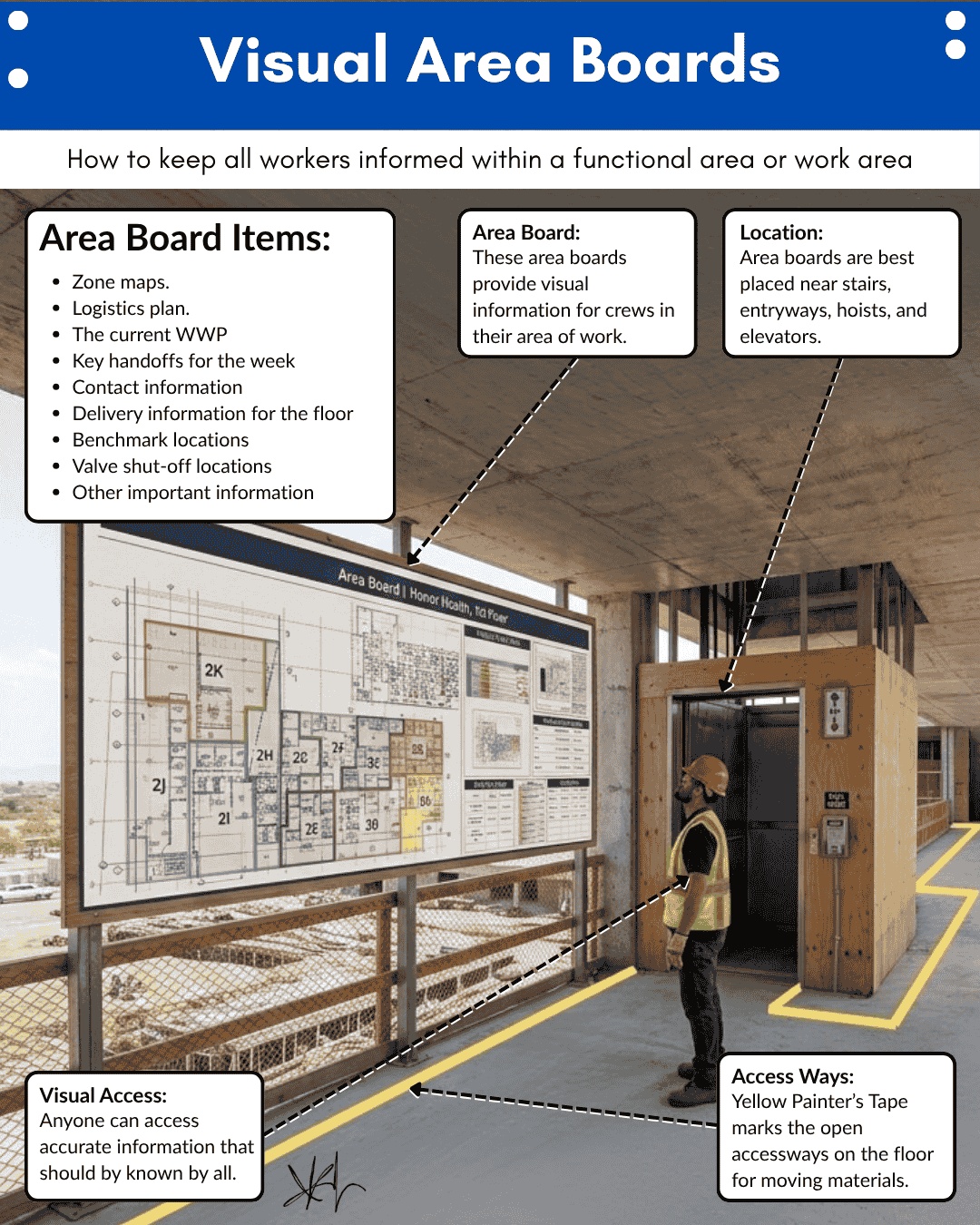
Lean Facilitation – Lean, IPD Series

Read 23 min

Why Lean Dies Without a Facilitator

Most teams try lean and quit within six weeks. They read a book. They attend a conference. They get excited about last planner or pull planning or daily huddles. And then they go back to the jobsite and try to implement it on their own. The superintendent tries to run a pull planning session without knowing how to facilitate it. The project manager tries to start daily huddles without understanding how to create buy-in. And the team resists. They roll their eyes. They say this is a waste of time. And within a month, the entire effort collapses. The team blames lean. They say it does not work in construction. But the truth is lean did not fail. The facilitation failed. And without facilitation, lean never had a chance.

Here is what happens on a typical project. Leadership decides to implement lean. They send the superintendent to a one-day training. He comes back with a binder full of materials and a head full of concepts. And then he is expected to change the culture of the entire project by himself. No support. No coaching. No facilitation. Just figure it out. So he tries. He schedules a pull planning session. But he does not know how to run it. He does not know how to ask the right questions. He does not know how to get buy-in from trades who have never done this before. And the session falls apart. People leave frustrated. They say this lean stuff is a joke. And the superintendent gives up because he was set up to fail from the beginning.

The real pain is not the failed pull planning session. It is the missed opportunity. That team had the talent to solve their own problems. They had the experience to coordinate the work better. They had the ideas to improve flow and eliminate waste. But nobody facilitated those talents out of them. Nobody created the environment where people felt safe speaking up. Nobody asked the right questions to unlock the genius that was already in the room. And the project continued operating the same chaotic way it always had because the system never gave the team the facilitation they needed to succeed.

The failure pattern is predictable. Leadership announces a lean initiative. They send one person to training. That person comes back and tries to implement lean alone. The team resists because they do not understand it or because they have been burned by poorly executed lean efforts in the past. The champion gets frustrated and gives up. And the company concludes that lean does not work for them. But the problem was never lean. The problem was the lack of facilitation. Because lean is not a set of tools you hand someone and say go implement this. Lean is a cultural shift. And cultural shifts require facilitation. They require someone who knows how to bring people together, create safety, ask powerful questions, and unlock the collective intelligence of the team.

I remember when I first started learning lean. A facilitator came to our project. He did not just hand us a book and walk away. He came out and showed us how to run last planner meetings. He showed us how to do morning huddles. He sat in our meetings and gave us feedback. He said Jason, here is how you can run this meeting better. Here is how you can get more participation. Here is how you can create buy-in. And those coaching moments were invaluable. They accelerated our learning by months. They gave us confidence. And they helped us avoid the mistakes that kill most lean implementations before they ever get started. That facilitation made the difference between success and failure.

This matters because lean works. But only when it is facilitated properly. The projects that succeed with lean are not the ones with the best tools or the fanciest software. They are the ones with facilitators who know how to bring out the best in people. Facilitators who create environments where trades feel safe speaking up. Facilitators who ask questions that unlock solutions the team already has. Facilitators who coach leaders on how to run meetings that people actually want to attend. And facilitators who stay engaged long enough for the culture to shift and the new behaviors to stick. Without that facilitation, lean is just another failed initiative that reinforces cynicism instead of creating transformation.

What Facilitation Actually Does

Facilitation is not about teaching people what to do. It is about bringing out the best in others. A facilitator does not solve problems for the team. A facilitator creates the conditions where the team can solve their own problems. And once the team learns how to solve their own problems, they do not need the facilitator anymore. That is the goal. Not dependency. Capability. The best facilitators make themselves unnecessary by building capability in the team.

The power of facilitation shows up in meetings. If you can get a team to perform well together in meetings, they can do anything. Most teams run terrible meetings. People show up late. They multitask on their phones. Sidebar conversations happen constantly. A few people dominate. Most people stay silent. And nothing gets decided. A facilitator changes that. They create structure. They set expectations. They get everyone participating. They ask open-ended questions that provoke thinking. They listen thoughtfully and paraphrase to ensure understanding. They encourage quieter voices to speak up. And they manage behavior so the meeting stays productive. Once a team experiences what a good meeting feels like, they never want to go back to the chaos.

A good facilitator also creates psychological safety. This is critical. Most construction teams operate in fear. Fear of looking stupid. Fear of being blamed. Fear of challenging authority. And that fear kills collaboration. People stay silent even when they see problems. They protect themselves instead of contributing. A facilitator breaks that pattern. They create environments where it is safe to speak up. Where questions are encouraged. Where dissent is valued. Where mistakes are learning opportunities instead of career-ending events. And once that safety exists, the team starts unlocking solutions that were always there but never surfaced because people were too afraid to share them. If your project needs superintendent coaching, project support, or leadership development, Elevate Construction can help your field teams stabilize, schedule, and flow.

Facilitators also stay neutral. They focus on process, not content. They do not push their own agenda. They serve the group’s objectives. And they have the authority to confront unproductive behavior without making it personal. When someone dominates the conversation, the facilitator redirects. When sidebar conversations derail focus, the facilitator stops them. When conflict arises, the facilitator manages it productively instead of letting it fester. This neutrality creates trust. The team knows the facilitator is there to help them succeed, not to advance a personal agenda or prove how smart they are.

Signs Your Team Needs Facilitation

Watch for these patterns that signal your team needs a facilitator to unlock their potential:

  • The team tried lean once and it failed, so now everyone is cynical about trying again
  • Meetings are chaotic with no structure, participation is low, and nothing gets decided
  • One or two people dominate every conversation while most of the team stays silent
  • Trades resist collaboration because they do not trust the process or the leadership
  • Problems surface late instead of early because people are afraid to speak up
  • The superintendent or PM is overwhelmed trying to implement lean alone without support
  • Training happened once but no one followed up to coach the team through implementation
  • The team has the talent to solve problems but no one is facilitating it out of them

These are not people problems. These are facilitation gaps. And the fix is bringing in someone who knows how to create the conditions where people can succeed.

What Good Facilitators Do

Effective facilitators demonstrate specific skills and behaviors that bring out the best in teams. Here is what separates great facilitators from mediocre ones:

  • Strong communication skills with distributed eye contact, use of participant names, and varied tone
  • Deep familiarity with the subject matter so they can ask impactful questions
  • Respect for all participants and ability to create a respectful environment
  • Asking open-ended questions that provoke thinking instead of yes-or-no answers
  • Listening thoughtfully and paraphrasing to ensure understanding before moving forward
  • Encouraging full participation from everyone, especially quieter voices who tend to stay silent
  • Demonstrating energetic and positive presence that makes people want to engage
  • Connecting with multiple learning styles so everyone can absorb the material
  • Managing the room by keeping participants focused, on task, and on time without being rigid

These skills are not innate. They are learned. And facilitators develop them through hundreds of hours of training, practice, and feedback. The best facilitators have attended certifications, read extensively, facilitated dozens of events, and received coaching themselves. They have invested in becoming excellent at bringing out the best in others. And that investment shows up in the results their teams produce.

How to Use Facilitation on Your Projects

Start by identifying what needs facilitation. Is it a pull planning session? A team meeting that has become unproductive? A conflict between trades that is affecting the project? A lean implementation that is stalling? Once you know what needs facilitation, bring in someone who has the skills and experience to create the conditions for success. Do not try to facilitate complex sessions yourself if you have never been trained. You will make mistakes that reinforce cynicism instead of creating transformation.

During the facilitated session, the facilitator should clearly state the purpose and expectations upfront. What are we trying to accomplish today? What does success look like? Then create structure. Use an agenda. Set time limits. Establish a code of conduct. Turn off phones. No sidebar conversations. Equal status for everyone to participate. And then ask powerful questions. Can you say more about that? What would it take to solve this problem? What is stopping us from moving forward? These questions unlock thinking instead of shutting it down.

After the session, the facilitator should coach the team on how to replicate the process themselves. The goal is not to create dependency on the facilitator. The goal is to build capability so the team can run these sessions on their own. Provide feedback. Point out what went well. Identify what could be improved. And give the team opportunities to practice with coaching until the new behaviors stick.

The Hard Truth about Training

Here is something that needs to be said. If your superintendents are not scheduling, not organized, and not problem-solving, they are not superintendents yet. That is not an insult. That is a reality check. Having the title does not make someone qualified. And the industry has done a terrible job of training people for these roles. So if you have someone with the superintendent title who lacks the skills, you have three choices. Train them. Do the work without them and force them to adapt. Or let them go and find someone who is interested in learning.

Training is not optional. It is foundational. And facilitation accelerates training by bringing the team along together instead of sending one person off to figure it out alone. Invest in personal organization training. Invest in scheduling training. Invest in leadership development. And invest in facilitation so the team can implement what they learn instead of letting it die in a binder on a shelf.

So here is the challenge. Stop trying to implement lean alone. Stop expecting one person to change the culture of an entire project without support. And stop accepting mediocre results because you think facilitation is too expensive or unnecessary. Bring in a facilitator who knows how to bring out the best in people. Let them create the conditions where your team can solve their own problems. And watch what happens when you unlock the collective genius that has been sitting in that room the entire time. As Bill Seed wrote in Transforming Design and Construction, facilitation is about “serving the group’s objective rather than his or her own personal objective.” That is the shift. Stop trying to be the hero. Start facilitating the team to become their own heroes. On we go.

Frequently Asked Questions

What does a facilitator actually do?

A facilitator brings out the best in others by creating conditions where teams can solve their own problems, not by solving problems for them or teaching what to do.

Why do most lean implementations fail?

They fail because one person tries to implement lean alone without facilitation, coaching, or support, and the team resists because no one created buy-in or safety.

What skills do good facilitators have?

Strong communication, deep subject knowledge, ability to ask open-ended questions, listening thoughtfully, encouraging participation, managing behavior, and staying neutral on content while focusing on process.

How do you know if your team needs facilitation?

If meetings are chaotic, participation is low, people stay silent, lean efforts failed before, or the team has talent but no one is unlocking it.

Can you facilitate your own team?

You can if you have been trained, but complex sessions require experienced facilitators who know how to create safety, ask powerful questions, and manage group dynamics effectively.

If you want to learn more we have:

-Takt Virtual Training: (Click here)
-Check out our Youtube channel for more info: (Click here) 
-Listen to the Elevate Construction podcast: (Click here) 
-Check out our training programs and certifications: (Click here)
-The Takt Book: (Click here)

Discover Jason’s Expertise:

Meet Jason Schroeder, the driving force behind Elevate Construction IST. As the company’s owner and principal consultant, he’s dedicated to taking construction to new heights. With a wealth of industry experience, he’s crafted the Field Engineer Boot Camp and Superintendent Boot Camp – intensive training programs engineered to cultivate top-tier leaders capable of steering their teams towards success. Jason’s vision? To expand his training initiatives across the nation, empowering construction firms to soar to unprecedented levels of excellence.


On we go
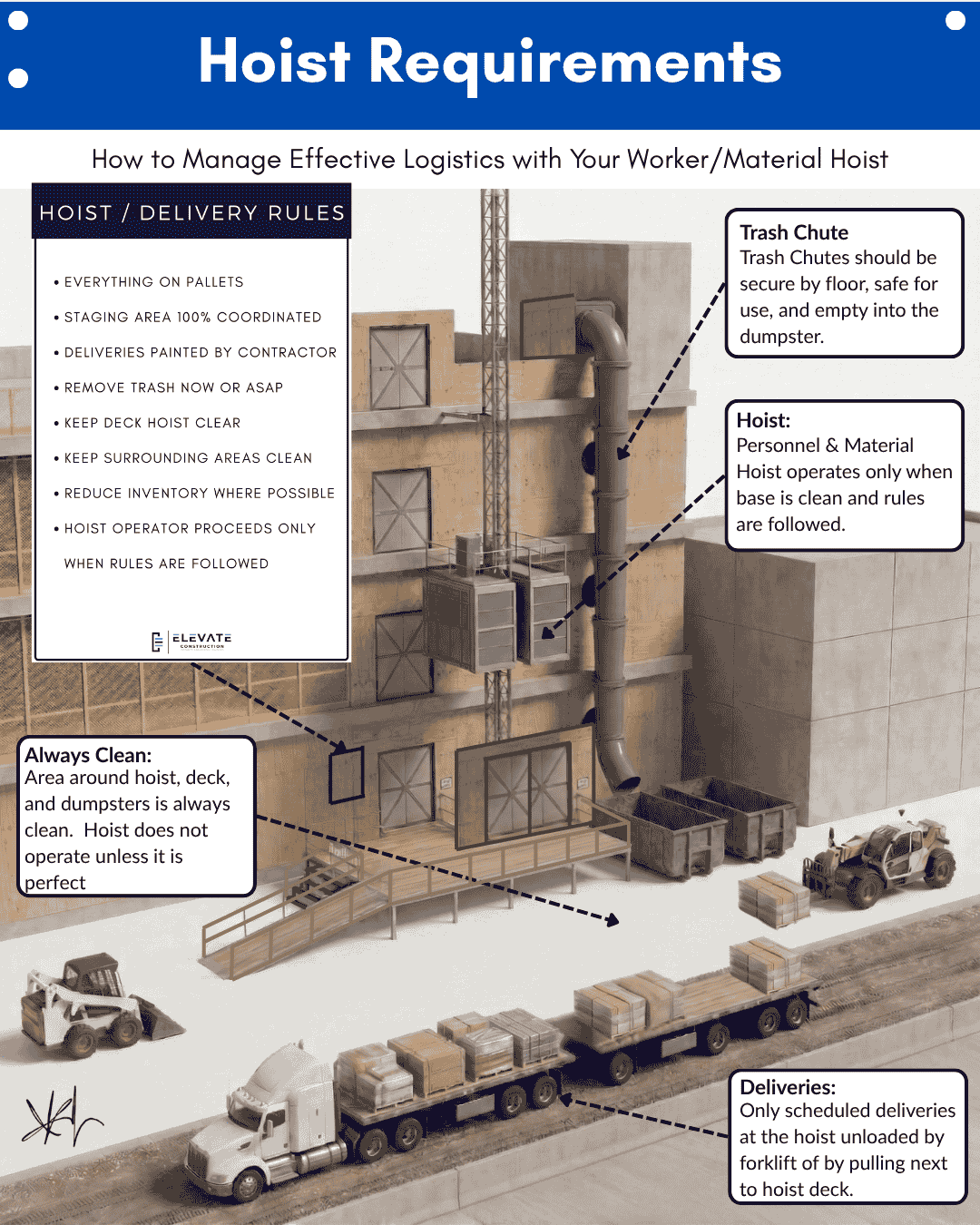
The Risk & Opportunity Register – Lean, IPD Series

Read 22 min

Why Projects Lose Money Waiting for Bad Things to Happen

Most project teams operate on hope. They hope the stone arrives on time. They hope the design does not change. They hope the trade partner delivers. They hope the materials do not escalate. And when those hopes do not materialize, they react. They scramble. They throw money at the problem. And the project bleeds budget because the team spent months hoping instead of minutes planning. This is not risk management. This is gambling. And it costs projects millions of dollars every single year.

Here is what happens on a typical project. The team meets for preconstruction. They talk through the scope. They identify some concerns. Someone mentions that the exterior stone looks complicated and the lead time might be tight. Someone else mentions that the tile package has design gaps that could cause issues later. And the team nods. They agree those are risks. And then they do nothing. They do not write them down. They do not assign dollar values. They do not assign ownership. They do not track them. And six months later, the stone arrives late and threatens the schedule. The tile package has errors and requires rework. And the project manager stands in front of the owner trying to explain why no one saw this coming. The answer is they did see it coming. They just never did anything about it.

The real pain is not the problem itself. It is the preventability. These were not surprises. They were identified risks that no one managed. The stone lead time was knowable. The tile design gaps were visible. The material escalations were predictable. But the team never translated those concerns into action. They never created a system to track risks, assign ownership, and prevent them from materializing. And when the risks became reality, the project paid the price. Schedule delays. Budget overruns. Stress. Panic. Late nights. Blame. All of it preventable if someone had taken fifteen minutes in preconstruction to create a risk and opportunity register.

The failure pattern is predictable. Teams identify risks informally. Someone mentions a concern in a meeting. Someone else agrees it could be a problem. And then the conversation moves on. The risk never gets documented. It never gets quantified. It never gets assigned. And it never gets tracked. So it sits in the back of everyone’s mind as a vague concern until it materializes as an expensive problem. And when it does, the team reacts instead of prevents. They throw money at it. They compress the schedule. They work overtime. They stress out. And they repeat the pattern on the next project because no one ever built a system to prevent the cycle. The system failed them by never teaching them that risk management is not reacting to problems. It is preventing them from happening in the first place.

I worked on a research laboratory project where we used a risk and opportunity register from day one. We identified every major risk we could think of. Scaffolding for the complex exterior. Floor flatness tolerances. Design changes for the added fourth floor. Material escalations. We wrote them down. We assigned dollar values. We assigned likelihood percentages. We projected contingency usage. And we set to work preventing those risks from materializing. We expedited long-lead items. We locked in pricing early. We coordinated design issues before they hit the field. And the project finished fantastically. On time. Under budget. With margin to spare. Not because we got lucky. Because we managed risks instead of hoping they would not happen.

Fast forward to another project. I recommended a risk and opportunity register. I told the team the exterior stone and tile were high-risk items that needed early attention. But I did not have ultimate authority. And the team did not prioritize it. So we never formalized the register. We never assigned ownership. We never tracked it. And six months later, the stone procurement was delayed and nearly affected the end date. The exact risk I had identified became the exact problem that stressed the team. And it could have been prevented if we had created a system to manage it. That failure is on me for not being more forceful. But it is also on the system for not requiring risk management as standard practice.

This matters because every project has risks. Design gaps. Long-lead materials. Weather delays. Trade partner performance. Unforeseen conditions. Price escalations. These are not surprises. They are predictable categories of risk that show up on every project. And the teams that succeed are the ones who identify those risks early, quantify them, assign ownership, and prevent them from materializing. The teams that fail are the ones who hope for the best and react when things go wrong. Hope is not a strategy. And reaction is expensive. Prevention is cheap. It takes fifteen minutes to create a risk register. It takes weeks to fix the problem that the register would have prevented.

What a Risk and Opportunity Register Actually Is

A risk and opportunity register is a simple Excel sheet or matrix that tracks every identified risk and opportunity on the project. It has columns for description, original conditions of satisfaction, probability, dollar amount, owner, and target dates. And it gets reviewed weekly in team meetings so the team can see what risks are on the horizon and take action to prevent them. This is not complicated. This is a spreadsheet. But it changes everything because it makes risks visible, quantifiable, and actionable. And once risks are visible, teams stop hoping and start managing.

The power of the register is in the quantification. When you write down a risk, it is vague. When you assign a dollar value and a probability percentage, it becomes real. If the exterior stone delay has a 60 percent likelihood of happening and a 200,000 dollar impact, the team suddenly pays attention. They calculate that risk into their financial projections. They see that if the risk materializes, the project loses margin. And they act to prevent it. Without the register, the stone delay is just a concern. With the register, it is a 120,000 dollar exposure that needs to be managed. That difference is everything.

The register also creates accountability. Every risk has an owner. Someone is responsible for monitoring it and taking action to reduce the likelihood or the impact. The owner tracks the risk weekly. They report on it in team meetings. And they implement mitigation strategies. If the stone lead time is the risk, the owner expedites procurement, locks in pricing early, and coordinates installation sequencing. The risk does not just sit there waiting to happen. Someone is actively working to prevent it. And that ownership changes outcomes. If your project needs superintendent coaching, project support, or leadership development, Elevate Construction can help your field teams stabilize, schedule, and flow.

The register should also be integrated into monthly status reports. Most projects report on financials, schedule, quality, and safety. But they do not report on risk exposure. They say we are projecting 96 percent margin. But they do not say if all identified risks materialize, we are projecting 81 percent margin. That second number is the truth. And the team needs to see it. Because if the gap between the projected margin and the risk-adjusted margin is too large, the team needs to act. They need to reduce risks. They need to increase contingency. They need to change the plan. But without visibility into risk exposure, the team operates on false confidence. They think they are fine when they are actually vulnerable. And when risks materialize, they are blindsided.

How to Build and Use a Risk and Opportunity Register

Start by creating the register in your fresh eyes meeting or preconstruction kickoff. Gather the team. Brainstorm every risk you can think of. Design gaps. Long-lead materials. Weather exposure. Trade partner performance. Unforeseen site conditions. Regulatory approvals. Material escalations. Coordination challenges. Write them all down. Do not filter. Do not dismiss. Get everything on the table. Then prioritize. Assign dollar values to each risk. Estimate the likelihood. Calculate the total exposure. And decide which risks need immediate action.

Next, assign ownership. Every risk needs a name next to it. Someone owns monitoring the stone procurement. Someone owns tracking the design coordination. Someone owns managing weather exposure. And that person reports on the risk weekly in team meetings. They update the likelihood. They update the dollar amount. They report on mitigation actions. And if the risk is no longer a concern, they remove it from the register. Ownership creates accountability. And accountability drives action.

Review the register weekly in your team meeting. Do not let it sit on a shelf gathering dust. Make it a standing agenda item. Start every meeting by reviewing risks. What changed this week? What new risks emerged? What risks were mitigated? What actions are needed? This keeps the team focused on prevention instead of reaction. And it creates a rhythm where risk management becomes habit instead of afterthought. The teams that succeed are the ones who talk about risks every single week. The teams that fail are the ones who create the register once and forget about it.

Signs You Need a Risk and Opportunity Register

Watch for these patterns that signal you are operating without proper risk management:

  • Risks are discussed informally but never documented or tracked
  • Problems surface late when they are expensive to fix instead of early when they are cheap to prevent
  • The team reacts to issues instead of preventing them from happening
  • Financial projections do not account for identified risks or contingency exposure
  • No one owns monitoring specific risks or taking action to mitigate them
  • Team meetings focus on current problems instead of future risks
  • The project gets blindsided by issues that were foreseeable and preventable

These are not bad luck. These are system failures. And the fix is simple. Create a register. Track risks. Assign ownership. Review weekly. And prevent problems before they cost money.

Integrate Risk into Financial Reporting

One of the most powerful uses of the risk register is integrating it into financial projections. Most projects report a single margin number. We are projecting 96 percent. But that number assumes nothing goes wrong. It assumes all risks stay theoretical. And that is unrealistic. A better approach is to report two numbers. Projected margin if nothing goes wrong. And risk-adjusted margin if identified risks materialize. The gap between those two numbers is the truth. And the team needs to see it.

If your projected margin is 96 percent and your risk-adjusted margin is 81 percent, you have a problem. You have 15 percent of margin at risk. And unless you reduce those risks or increase contingency, you are vulnerable. That visibility creates urgency. The team stops operating on false confidence and starts acting to protect the project. They expedite procurement. They lock in pricing. They coordinate design. They reduce exposure. And the project finishes with margin intact because the team managed risk instead of ignoring it.

The Challenge

Walk into your next preconstruction meeting with a blank risk register template. Gather the team. Brainstorm every risk you can identify. Assign dollar values. Assign ownership. Calculate total exposure. And integrate it into your financial projections. Then review it weekly in team meetings. Track progress. Update probabilities. Remove mitigated risks. Add new ones. And watch what happens when the team shifts from reacting to problems to preventing them. As Dr. Eli Goldratt said, “Every situation can be substantially improved. Even the sky is not the limit.” Risk management is not about accepting bad outcomes. It is about preventing them. Build the register. Track the risks. Act early. And turn risks into opportunities before they turn into disasters. On we go.

Frequently Asked Questions

What is a risk and opportunity register?

A simple Excel matrix that tracks every identified risk with columns for description, probability, dollar amount, owner, and target dates, reviewed weekly to prevent risks from materializing.

How do you quantify risks on the register?

Assign a dollar value for the potential impact and a percentage for likelihood, then multiply them to calculate total exposure and integrate into financial projections.

How often should the risk register be reviewed?

Weekly in team meetings as a standing agenda item, with owners reporting on changes, mitigation actions, and updated probabilities for each risk.

What should be included in the risk register?

Design gaps, long-lead materials, weather exposure, trade performance, unforeseen conditions, regulatory approvals, material escalations, and coordination challenges.

How does the risk register integrate with financial reporting?

Report both projected margin assuming no issues and risk-adjusted margin if identified risks materialize, showing the gap and creating urgency to mitigate exposure.

If you want to learn more we have:

-Takt Virtual Training: (Click here)
-Check out our Youtube channel for more info: (Click here) 
-Listen to the Elevate Construction podcast: (Click here) 
-Check out our training programs and certifications: (Click here)
-The Takt Book: (Click here)

Discover Jason’s Expertise:

Meet Jason Schroeder, the driving force behind Elevate Construction IST. As the company’s owner and principal consultant, he’s dedicated to taking construction to new heights. With a wealth of industry experience, he’s crafted the Field Engineer Boot Camp and Superintendent Boot Camp – intensive training programs engineered to cultivate top-tier leaders capable of steering their teams towards success. Jason’s vision? To expand his training initiatives across the nation, empowering construction firms to soar to unprecedented levels of excellence.


On we go

    faq

    General Training Overview

    What construction leadership training programs does LeanTakt offer?
    LeanTakt offers Superintendent/PM Boot Camps, Virtual Takt Production System® Training, Onsite Takt Simulations, and Foreman & Field Engineer Training. Each program is tailored to different leadership levels in construction.
    Who should attend LeanTakt’s training programs?
    Superintendents, Project Managers, Foremen, Field Engineers, and trade partners who want to improve planning, communication, and execution on projects.
    How do these training programs improve project performance?
    They provide proven Lean and Takt systems that reduce chaos, improve reliability, strengthen collaboration, and accelerate project delivery.
    What makes LeanTakt’s training different from other construction courses?
    Our programs are hands-on, field-tested, and focused on practical application—not just classroom theory.
    Do I need prior Lean or takt planning experience to attend?
    No. Our programs cover foundational principles before moving into advanced applications.
    How quickly can I apply what I learn on real projects?
    Most participants begin applying new skills immediately, often the same week they complete the program.
    Are these trainings designed for both office and field leaders?
    Yes. We equip both project managers and superintendents with tools that connect field and office operations.
    What industries benefit most from LeanTakt training?
    Commercial, multifamily, residential, industrial, and infrastructure projects all benefit from flow-based planning.
    Do participants receive certificates after completing training?
    Yes. Every participant receives a LeanTakt Certificate of Completion.
    Is LeanTakt training recognized in the construction industry?
    Yes. Our programs are widely respected among leading GCs, subcontractors, and construction professionals.

    Superintendent / PM Boot Camp

    What is the Superintendent & Project Manager Boot Camp?
    It’s a 5-day immersive training for superintendents and PMs to master Lean leadership, takt planning, and project flow.
    How long does the Superintendent/PM Boot Camp last?
    Five full days of hands-on training.
    What topics are covered in the Boot Camp curriculum?
    Lean leadership, Takt Planning, logistics, daily planning, field-office communication, and team health.
    How does the Boot Camp improve leadership and scheduling skills?
    Yes. You’ll learn how to run day huddles, team meetings, worker huddles, and Lean coordination processes.
    Who is the Boot Camp best suited for?
    Construction leaders responsible for delivering projects, including Superintendents, PMs, and Field Leaders.
    What real-world challenges are simulated during the Boot Camp?
    Schedule breakdowns, trade conflicts, logistics issues, and communication gaps.
    Will I learn Takt Planning at the Boot Camp?
    Yes. Takt Planning is a core focus of the Boot Camp.
    How does this Boot Camp compare to traditional PM certification?
    It’s practical and execution-based rather than exam-based. You learn by doing, not just studying theory.
    Can my entire project team attend the Boot Camp together?
    Yes. Teams attending together often see the greatest results.
    What kind of real-world challenges do we simulate?
    Improved project flow, fewer delays, better team communication, and stronger leadership confidence.

    Takt Production System® Virtual Training

    What is the Virtual Takt Production System® Training?
    It’s an expert-led online program that teaches Lean construction teams how to implement takt planning.
    How does virtual takt training work?
    Delivered online via live sessions, interactive discussions, and digital tools.
    What are the benefits of online takt planning training?
    Convenience, global accessibility, real-time learning, and immediate application.
    Can I access the virtual training from anywhere?
    Yes. It’s fully web-based and accessible worldwide.
    Can I access the virtual training from anywhere?
    Yes. It’s fully web-based and accessible worldwide.
    What skills will I gain from the Virtual TPS® Training?
    Macro and micro Takt planning, weekly updates, flow management, and CPM integration.
    How long does the virtual training program take?
    The program is typically completed in multiple live sessions across several days.
    Can I watch recordings if I miss a session?
    Yes. Recordings are available to all participants.
    Do you offer group access or company licenses for the virtual training?
    Yes. Teams and companies can enroll together at discounted rates.
    How does the Virtual TPS® Training integrate with CPM tools?
    We show how to align Takt with CPM schedules like Primavera P6 or MS Project.

    Onsite Takt Simulation

    What is a Takt Simulation in construction training?
    It’s a live, interactive workshop that demonstrates takt planning on-site.
    How does the Takt Simulation workshop work?
    Teams participate in hands-on exercises to learn the flow and rhythm of a Takt-based project.
    Can I choose between a 1-day or 2-day Takt Simulation?
    Yes. We offer flexible formats to fit your team’s schedule and needs.
    Who should participate in the Takt Simulation workshop?
    Superintendents, PMs, site supervisors, contractors, and engineers.
    How does a Takt Simulation improve project planning?
    It shows teams how to structure zones, manage flow, and coordinate trades in real time.
    What will my team learn from the onsite simulation?
    How to build and maintain takt plans, manage buffers, and align trade partners.
    Is the simulation tailored to my specific project type?
    Yes. Scenarios can be customized to match your project.
    How do Takt Simulations improve trade partner coordination?
    They strengthen collaboration by making handoffs visible and predictable.
    What results can I expect from an onsite Takt Simulation?
    Improved schedule reliability, better trade collaboration, and reduced rework.
    How many people can join a Takt Simulation session?
    Group sizes are flexible, but typically 15–30 participants per session.

    Foreman & Field Engineer Training

    What is Foreman & Field Engineer Training?
    It’s an on-demand, practical program that equips foremen and engineers with leadership and planning skills.
    How does this training prepare emerging leaders?
    By teaching communication, crew management, and execution strategies.
    Is the training on-demand or scheduled?
    On-demand, tailored to your team’s timing and needs.
    What skills do foremen and engineers gain from this training?
    Planning, safety leadership, coordination, and communication.
    How does the training improve communication between field and office?
    It builds shared systems that align superintendents, engineers, and managers.
    Can the training be customized for my team’s needs?
    Yes. Programs are tailored for your project or company.
    What makes this program different from generic leadership courses?
    It’s construction-specific, field-tested, and focused on real project application.
    How do foremen and field engineers apply this training immediately?
    They can use new systems for planning, coordination, and daily crew management right away.
    Is the training suitable for small construction companies?
    Yes. Small and large teams alike benefit from building flow-based leadership skills.

    Testimonials

    Testimonials

    "The bootcamp I was apart of was amazing. Its was great while it was happening but also had a very profound long-term motivation that is still pushing me to do more, be more. It sounds a little strange to say that a construction bootcamp changed my life, but it has. It has opened my eyes to many possibilities on how a project can be successfully run. It’s also provided some very positive ideas on how people can and should be treated in construction.

    I am a hungry person by nature, so it doesn’t take a lot to get to participate. I loved the way it was not just about participating, it was also about doing it with conviction, passion, humility and if it wasn’t portrayed that way you had to do it again."

    "It's great to be a part of a company that has similar values to my own, especially regarding how we treat our trade partners. The idea of "you gotta make them feel worse to make them do better" has been preached at me for years. I struggled with this as you will not find a single psychology textbook stating these beliefs. In fact it is quite the opposite, and causing conflict is a recipe for disaster. I'm still honestly in shock I have found a company that has based its values on scientific facts based on human nature. That along with the Takt scheduling system makes everything even better. I am happy to be a part of a change that has been long overdue in our industry!"

    "Wicked team building, so valuable for the forehumans of the sub trades to know the how and why. Great tools and resources. Even though I am involved and use the tools every day, I feel like everything is fresh and at the forefront to use"

    "Jason and his team did an incredible job passing on the overall theory of what they do. After 3 days of running through the course I cannot see any holes in their concept. It works. it's proven to work and I am on board!"

    "Loved the pull planning, Takt planning, and logistic model planning. Well thought out and professional"

    "The Super/PM Boot Camp was an excellent experience that furthered my understanding of Lean Practices. The collaboration, group involvement, passion about real project site experiences, and POSITIVE ENERGY. There are no dull moments when you head into this training. Jason and Mr. Montero were always on point and available to help in the break outs sessions. Easily approachable to talk too during breaks and YES, it was fun. I recommend this training for any PM or Superintendent that wants to further their career."

    agenda

    Day 1

    Foundations & Macro Planning

    day2

    Norm Planning & Flow Optimization

    day3

    Advanced Tools & Comparisons

    day4

    Buffers, Controls & Finalization

    day5

    Control Systems & Presentations

    faq

    UNDERSTANDING THE TRAINING

    What is the Virtual Takt Production System® Training by LeanTakt?
    It’s an expert-led online program designed to teach construction professionals how to implement Takt Planning to create flow, eliminate chaos, and align teams across the project lifecycle.
    Who should take the LeanTakt virtual training?
    This training is ideal for Superintendents, Project Managers, Engineers, Schedulers, Trade Partners, and Lean Champions looking to improve planning and execution.
    What topics are covered in the online Takt Production System® course?
    The course covers macro and micro Takt planning, zone creation, buffers, weekly updates, flow management, trade coordination, and integration with CPM tools.
    What makes LeanTakt’s virtual training different from other Lean construction courses?
    Unlike theory-based courses, this training is hands-on, practical, field-tested, and includes live coaching tailored to your actual projects.
    Do I get a certificate after completing the online training?
    Yes. Upon successful completion, participants receive a LeanTakt Certificate of Completion, which validates your knowledge and readiness to implement Takt.

    VALUE AND RESULTS

    What are the benefits of Takt Production System® training for my team?
    It helps teams eliminate bottlenecks, improve planning reliability, align trades, and reduce the chaos typically seen in traditional construction schedules.
    How much time and money can I save with Takt Planning?
    Many projects using Takt see 15–30% reductions in time and cost due to better coordination, fewer delays, and increased team accountability.
    What’s the ROI of virtual Takt training for construction teams?
    The ROI comes from faster project delivery, reduced rework, improved communication, and better resource utilization — often 10x the investment.
    Will this training reduce project delays or rework?
    Yes. By visualizing flow and aligning trades, Takt Planning reduces miscommunication and late handoffs — major causes of delay and rework.
    How soon can I expect to see results on my projects?
    Most teams report seeing improvement in coordination and productivity within the first 2–4 weeks of implementation.

    PLANNING AND SCHEDULING TOPICS

    What is Takt Planning and how is it used in construction?
    Takt Planning is a Lean scheduling method that creates flow by aligning work with time and space, using rhythm-based planning to coordinate teams and reduce waste.
    What’s the difference between macro and micro Takt plans?
    Macro Takt plans focus on the overall project flow and phase durations, while micro Takt plans break down detailed weekly tasks by zone and crew.
    Will I learn how to build a complete Takt plan from scratch?
    Yes. The training teaches you how to build both macro and micro Takt plans tailored to your project, including workflows, buffers, and sequencing.
    How do I update and maintain a Takt schedule each week?
    You’ll learn how to conduct weekly updates using lookaheads, trade feedback, zone progress, and digital tools to maintain schedule reliability.
    Can I integrate Takt Planning with CPM or Primavera P6?
    Yes. The training includes guidance on aligning Takt plans with CPM logic, showing how both systems can work together effectively.
    Will I have access to the instructors during the training?
    Yes. You’ll have opportunities to ask questions, share challenges, and get real-time feedback from LeanTakt coaches.
    Can I ask questions specific to my current project?
    Absolutely. In fact, we encourage it — the training is designed to help you apply Takt to your active jobs.
    Is support available after the training ends?
    Yes. You can access follow-up support, coaching, and community forums to help reinforce implementation.
    Can your tools be customized to my project or team?
    Yes. We offer customizable templates and implementation options to fit different project types, teams, and tech stacks.
    When is the best time in a project lifecycle to take this training?
    Ideally before or during preconstruction, but teams have seen success implementing it mid-project as well.

    APPLICATION & TEAM ADOPTION

    What changes does my team need to adopt Takt Planning?
    Teams must shift from reactive scheduling to proactive, flow-based planning with clear commitments, reliable handoffs, and a visual management mindset.
    Do I need any prior Lean or scheduling experience?
    No prior Lean experience is required. The course is structured to take you from foundational principles to advanced application.
    How long does it take for teams to adapt to Takt Planning?
    Most teams adapt within 2–6 weeks, depending on project size and how fully the system is adopted across roles.
    Can this training work for smaller companies or projects?
    Absolutely. Takt is scalable and especially powerful for small teams seeking better structure and predictability.
    What role do trade partners play in using Takt successfully?
    Trade partners are key collaborators. They help shape realistic flow, manage buffers, and provide feedback during weekly updates.

    VIRTUAL FORMAT & ACCESSIBILITY

    Can I access the virtual training from anywhere?
    Yes. The training is fully accessible online, making it ideal for distributed teams across regions or countries.
    Is this training available internationally?
    Yes. LeanTakt trains teams around the world and supports global implementations.
    Can I watch recordings if I miss a session?
    Yes. All sessions are recorded and made available for later viewing through your training portal.
    Do you offer group access or company licenses?
    Yes. Teams can enroll together at discounted rates, and we offer licenses for enterprise rollouts.
    What technology or setup do I need to join the virtual training?
    A reliable internet connection, webcam, Miro, Spreadsheets, and access to Zoom.

    faq

    GENERAL FAQS

    What is the Superintendent / PM Boot Camp?
    It’s a hands-on leadership training for Superintendents and Project Managers in the construction industry focused on Lean systems, planning, and communication.
    Who is this Boot Camp for?
    Construction professionals including Superintendents, Project Managers, Field Engineers, and Foremen looking to improve planning, leadership, and project flow.
    What makes this construction boot camp different?
    Real-world project simulations, expert coaching, Lean principles, team-based learning, and post-camp support — all built for field leaders.
    Is this just a seminar or classroom training?
    No. It’s a hands-on, immersive experience. You’ll plan, simulate, collaborate, and get feedback — not sit through lectures.
    What is the focus of the training?
    Leadership, project planning, communication, Lean systems, and integrating office-field coordination.

    CURRICULUM & OUTCOMES

    What topics are covered in the Boot Camp?
    Takt planning, day planning, logistics, pre-construction, team health, communication systems, and more.
    What is Takt Planning and why is it taught?
    Takt is a Lean planning method that creates flow and removes chaos. It helps teams deliver projects on time with less stress.
    Will I learn how to lead field teams more effectively?
    Yes. This boot camp focuses on real leadership challenges and gives you systems and strategies to lead high-performing teams.
    Do you cover daily huddles and meeting systems?
    Yes. You’ll learn how to run day huddles, team meetings, worker huddles, and Lean coordination processes.
    What kind of real-world challenges do we simulate?
    You’ll work through real project schedules, logistical constraints, leadership decisions, and field-office communication breakdowns.

    LOGISTICS & FORMAT

    Is the training in-person or virtual?
    It’s 100% in-person to maximize learning, feedback, and team-based interaction.
    How long is the Boot Camp?
    It runs for 5 full days.
    Where is the Boot Camp held?
    Locations vary — typically hosted in a professional training center or project setting. Contact us for the next available city/date.
    Do you offer follow-up coaching after the Boot Camp?
    Yes. Post-camp support is included so you can apply what you’ve learned on your projects.
    Can I ask questions about my actual project?
    Absolutely. That’s encouraged — bring your current challenges.

    PRICING & VALUE

    How much does the Boot Camp cost?
    $5,000 per person.
    Are there any group discounts?
    Yes — get 10% off when 4 or more people from the same company attend.
    What’s the ROI for sending my team?
    Better planning = fewer delays, smoother coordination, and higher team morale — all of which boost productivity and reduce costs.
    Will I see results immediately?
    Most participants apply what they’ve learned as soon as they return to the jobsite — especially with follow-up support.
    Can this replace other leadership training?
    In many cases, yes. This Boot Camp is tailored to construction professionals, unlike generic leadership seminars.

    SEO-BASED / HIGH-INTENT SEARCH QUESTIONS

    What is the best leadership training for construction Superintendents?
    Our Boot Camp offers real-world, field-focused leadership training tailored for construction leaders.
    What’s included in a Superintendent Boot Camp?
    Takt planning, day planning, logistics, pre-construction systems, huddles, simulations, and more.
    Where can I find Lean construction training near me?
    Check our upcoming in-person sessions or request a private boot camp in your city.
    How can I improve field and office communication on a project?
    This Boot Camp teaches you tools and systems to connect field and office workflows seamlessly.
    Is there a training to help reduce chaos on construction sites?
    Yes — this program is built specifically to turn project chaos into flow through structured leadership.

    agenda

    Day 1

    Agenda

    Outcomes

    Day 2

    Agenda

    Outcomes

    Day 3

    Agenda

    Outcomes

    Day 4

    Agenda

    Outcomes

    Day 5

    Agenda

    Outcomes