The Takt Production System – Part 14

Read 34 min

Are You Rolling Sixes and Ones or Consistent Threes?

The parade of trades simulation. Red team has normal six-sided die rolling numbers one through six representing variation. Blue team has modified die rolling only twos, threes, and fours representing reduced variation. Results after running simulation: Red team finishes in 26 weeks with 380 workers on site costing $21.7 million. Blue team finishes in 21 weeks with 280 workers on site costing $12.9 million. That’s an $8.8 million difference. Same project. Different approach. Red team tried rolling sixes to get out fast creating variation. Week looks like 6552211 representing attempt to move quickly at first followed by slowdown because of interruption eventually ending up stuck. Blue team maintained flow. Week looks like 4434322 representing steady consistent work without overwhelming rush from rolling six or painful crawl of one. When variation is eliminated, work flows from one end to the other without getting held up. The lesson: flow has very little variation. Movement doesn’t equal production. All this movement is actually waste. People start pushing and creating variation because it makes them feel good. Gives impression of progress. But requires twice as much material, 100 more people, and five more units of material inventory. Everything slows down because part of workforce is dedicated to managing, moving, inventorying, fixing, replacing, reordering, and organizing materials instead of installing work. Don’t roll sixes and ones when you can roll threes.

Here’s what most teams miss. They think pushing equals progress. Getting out of ground fast. Being aggressive with complex areas. Advancing schedule whenever possible. Bringing all materials now. Keep pushing everything for schedule. These people are trying to roll sixes in parade of trades which will later cause mess of ones. What if you told superintendent to slow down a little and keep steady flow and even pace? He might say you know absolutely nothing about construction and should get another job. And yet the data shows he will finish in 26 weeks with 380 people on site with material inventory of 10 like red team. This happens because people think movement equals production which is not the case. All this movement is actually waste. It gives impression of progress but requires twice as much material, 100 more people, and more inventory. The blue team rolling consistent threes and fours finishes five weeks earlier with 100 fewer people and $8.8 million less cost. Flow beats pushing. Data proves it.

The challenge is most superintendents were taught to push. Get work done fast. Start as early as possible. Bring materials now. Don’t slow down anything. Have workers working everywhere on site with no empty areas. But that’s exactly what destroys flow creating variation extending duration increasing costs. When superintendent won’t keep flow on schedule and hold dates, trades keep more people on site and more materials on site. When materials pile up, production slows down. Workforce dedicated to managing materials instead of installing work. CPM pushes as much work to start as early as possible putting too much work in process that must be managed, maintained, checked, monitored. When work in process increases, capacity of team and project resources reduced causing rework and eight wastes. But if you finish as you go, you have capacity to focus on work in process and complete it right first time. Don’t roll sixes and ones. Roll consistent threes.

Leveling Out Around Bottlenecks as Strategy

Some may be very concerned about our comment to slow down certain resources. But consider what happens when after we have optimized and sped up all bottlenecks, we continue to let the faster trades continue to go fast.

What happens? People are stacked in certain areas without flow, without geographical control, burying certain scopes, installing too early, which increases the amount of defects and use of resources such as the project management team’s time. This affects the trades that really need the help. There’s little merit to going faster than the general throughput.

The law of bottlenecks states that throughput time is primarily affected by the process that has the longest cycle time. In construction, the overall throughput of the phase is mostly affected by the process with the longest duration within the system.

Best practice is to first optimize the bottlenecks for the slower installations and then to even out the throughput of the remaining work. Therefore, the entire system. Because CPM does not allow us to see our bottlenecks, we cannot optimize them so the system ends up with a longer overall project duration, overproduced areas, fluctuating worker and material inventory levels, and a number of detrimental starts and stops.

The tricky thing with bottlenecks is that new ones will show up when you optimize the first ones or the largest ones so it’s a continual game of increasing flow by adjusting the throughput of the system. This is the key to achieving the shortest overall duration with the smallest crew sizes with the most minimal inventory levels and a visual system that identifies problems when they happen in a continuous flow that allows an evenness the team can use to focus their attention on the removal of roadblocks.

Finish as You Go

For Takt to work well, we have to finish as we go. Historically, superintendents have attempted to accelerate the project to gain time at the end to fix all the mistakes from going too fast and not installing it right the first time. With Takt, we cannot have and should not need to have that excessive buffer time for an excessive punch list.

With Takt, and while working to prevent roadblocks, the team, and especially the engineers, will be inspecting work, identifying punch list items, and working with trades to correct as they go. Meaning, finish as they go. Before a trade leaves the area or the project, they should not only install the production work, but they should finish the scope in its entirety.

This will take a mindset shift for most of our leaders in construction, but when this path is taken, we will see a better quality product delivered to the customer sooner.

Limiting Work in Process

This inherently ensures work in process is limited. CPM pushes as much work to the start as early as possible. That is a normal thought and concept, but it does something that is detrimental to our construction operations. It puts too much work in process.

Work in process that must be managed, maintained, checked, monitored, supported, and which utilizes precious resources. When work in process increases needlessly, the capacity of the team and the project resources are reduced, which causes rework and a number of the other eight wastes. It also causes unevenness and overburden.

The goal is to keep the project management team balanced, healthy, with workers going at a reasonable speed, and trade resources working in a flow and not over capacity, so the team can continue preparing and executing work with quality at the source.

When we increase work in process, the team is so focused on handling the overburden on the project and the project resources, they do not see roadblocks and remove them ahead of the work. Their ability to prepare work diminishes, and more defective work is passed through the system.

But if we finish as we go, we will have the capacity to focus on the work that is in process and complete it right the first time. Then, quality at the source becomes a culture.

Quality at the Source

Quality at the source is a concept that states a culture and condition in which each employee and worker is held responsible for ensuring the quality of products at the place of work or when the work is produced. To do this, the culture and project systems must include standardized work, self checks, peer checks, visual management, mistake proofing, and continuous improvement of the system.

The Law of the Effect of Variation

The law of the effect of variation is that throughput time and, in effect, the overall project duration is affected as variation increases. Variation has a higher effect on throughput time as the process gets closer to 100% utilization.

For construction, this means that variation is detrimental to flow. Variation comes in two forms:

  • Inevitable variation: This type of variation comes from sources that are not under the control of the project team or the contractor. Examples of this would be weather, acts of God, or customer change requests.
  • Non-inevitable variation: This type of variation comes from sources that are under the control of the project team or the contractor. Examples of these would be defects that cause delays, RFIs that slow the work, and interruptions in trade flow.

When we assert that Takt planning creates stability and reduces variation, the frequent response is: things change on a construction site. How can you reduce variation? The answer is we reduce non-inevitable variation. We don’t want everything changing, especially if we are unable to respond. What do we do? We stabilize what we can so we can focus where we need to.

The Parade of Trades Simulation Explained

The parade of trades simulation proves flow beats pushing. The tricky secret is that the red team had a regular six-sided die with numbers ranging from 1 to 6. The blue team had a die that could only roll 4s, 3s, and 2s.

A week with a normal die would be something like 6552211 and would represent an attempt to move quickly at first, followed by a slowdown because of an interruption and eventually ending up stuck. A week with the blue team’s die might look like 4434322.

This is synonymous with the concept of maintaining the flow of work. A flow has very little variation. When that variation is eliminated, the chips, or the work, could flow from one end to the other without getting held up by the overwhelming rush from rolling a 6 or the painful crawl of a 1.

The Current State of Our Industry

We often hear people say: we need to get out of the ground fast when we can influence a fewer number of contractors. This is correct. We also hear that we need to be aggressive with complex and unknown areas and scopes on our projects. This is also correct.

Sometimes, though, well-meaning folks will apply both of those concepts to the entire project and say things like: advance the schedule whenever possible, or I want all my materials here now, or just bring it, or I’m a pusher, or keep pushing everything that you can for the schedule. These people are trying to roll 6s in the parade of trades, which will later cause a mess of 1s.

Consider this: What if we told a superintendent to slow down a little and keep a steady flow and an even pace? What would he say? He might say we know absolutely nothing about construction and should go get another job, and yet the data shows he will finish in 26 weeks with 380 people on site with a material inventory of 10 like the red team parade of trades.

This happens because people think movement equals production, which is not the case. All this movement is actually a waste. People start pushing and creating variation because it makes them feel good. It gives an impression of progress, but it requires twice as much material, 100 more people, and 5 more units of material inventory in a week.

What Happens When You Don’t Keep Flow

What happens when a superintendent won’t keep a flow on the schedule and hold dates? If you’re a trade partner, how would you react? You would possibly keep more people on site and most definitely keep more materials on site.

What happens when materials pile up on site? You guessed it. Production slows down. Everything slows down because part of our workforce is dedicated to managing, moving, material inventorying, fixing, replacing, reordering and organizing materials.

The Factory Analogy

Imagine a factory with an assembly line that produces a certain number of finished items every hour. The throughput is the rate at which the factory can process the raw materials into finished items. Say you have 4 machines in the factory that work together to produce the final finished product.

The first machine can work on 4 items per hour, the second at 2 items per hour, and both the third and fourth machines produce 4 items per hour. What is the throughput of the system per hour? The answer is 2 because of the bottleneck.

But here is the moment. The throughput in the example where we had all machines working at full efficiency, even though they were going different speeds, is likely going to be 1.25 or 1.5 finished items per hour, not 2.

Consider what happens between the first and second machines. An inventory of materials begins to pile up. Manpower is then allocated to manage the material inventory. Space in the factory diminishes. People who would otherwise be running machines are now managing the machines and the material inventory. Workers down the line are waiting, and more resources are needed to manage materials on the third and fourth machines.

Waste increases and the speed of the system decreases. Therefore, the throughput is 1.5 or fewer finished items per hour instead of 2. They would have been better off to increase the 2 part per hour machine to a 4 part per hour machine or slow everything down to 2.

The Cost Difference

The cost associated with variation is staggering. Compare just this little example the cost difference between the red team and the blue team:

  • Red team: 26 weeks with 380 workers = 380 people × $55 per hour × 40 hours per week × 26 weeks = $21.7 million
  • Blue team: 21 weeks with 280 workers = 280 people × $55 per hour × 40 hours per week × 21 weeks = $12.9 million

This is an $8.8 million difference. This ratio can be scaled for whatever size project we are talking about. The difference is in the man hours spent in waste because of a lack of flow. Pushing literally destroys projects, and our industry superintendents must protect us from this.

The System Failed You

Let’s be clear. When superintendents push instead of creating flow, it’s not entirely their fault. The system failed by teaching that movement equals production when actually movement is waste. Nobody showed the parade of trades simulation proving flow beats pushing. Nobody explained that red team rolling sixes and ones finishes in 26 weeks with 380 workers costing $21.7 million while blue team rolling consistent threes and fours finishes in 21 weeks with 280 workers costing $12.9 million. That’s $8.8 million difference on same project. The system taught push when actually flow beats push every time.

The system also failed by not teaching to finish as you go. If your project needs superintendent coaching, project support, or leadership development, Elevate Construction can help your field teams stabilize, schedule, and flow. Historically, superintendents accelerate project to gain time at end to fix mistakes from going too fast and not installing right first time. With Takt, cannot and should not need excessive buffer time for excessive punch list. Team inspects work, identifies punch, corrects as they go. Before trade leaves area, should install production work AND finish scope in entirety. Mindset shift but delivers better quality product sooner. The system taught create buffer for rework when actually finish as you go prevents rework.

The system fails by teaching to push work to start as early as possible putting too much work in process. Work in process must be managed, maintained, checked, monitored, supported utilizing precious resources. When work in process increases, capacity of team and project resources reduced causing rework and eight wastes. Team so focused on handling overburden they don’t see roadblocks and remove them ahead of work. Ability to prepare work diminishes. More defective work passed through system. The system taught maximize work in process when actually limiting work in process creates capacity to complete work right first time.

The Challenge

Here’s your assignment. Stop rolling sixes and ones. Start rolling consistent threes and fours.

Understand the data. Red team (variation) finishes in 26 weeks with 380 workers costing $21.7 million. Blue team (flow) finishes in 21 weeks with 280 workers costing $12.9 million. $8.8 million difference. Flow beats pushing. Movement doesn’t equal production. Movement is waste.

Level out around bottlenecks. First optimize bottlenecks for slower installations. Then even out throughput of remaining work. Little merit to going faster than general throughput. When faster trades continue going fast, people stacked in areas without flow, burying scopes, installing too early, increasing defects.

Finish as you go. Don’t accelerate project to gain time at end to fix mistakes. Inspect work, identify punch, correct as you go. Before trade leaves area, install production work AND finish scope in entirety. Delivers better quality product sooner.

Limit work in process. Don’t push as much work to start as early as possible. Too much work in process must be managed, maintained, checked, monitored. When work in process increases, capacity of team and project resources reduced. If you finish as you go, have capacity to focus on work in process and complete right first time.

Reduce non-inevitable variation. Stabilize what you can so you can focus where you need to. Don’t want everything changing especially when unable to respond. Variation is detrimental to flow. Variation has higher effect on throughput time as process gets closer to 100% utilization.

Stop pushing. If you hear someone ask to create variation in schedules and flow, be skeptical. If you hear folks ask for increase of material inventory, give it second look. Want to create stable environments, keep workers installing work they plan for day or week, have plan for everything.

Don’t roll sixes and ones when you can roll threes. The answer is not to push. Flow will always reduce materials, manpower, mistakes, and time it takes to do something.

On we go.

FAQ

What is the parade of trades simulation?

Red team has normal die (1-6) representing variation. Blue team has modified die (2s, 3s, 4s) representing flow. Red team finishes 26 weeks, 380 workers, $21.7 million. Blue team finishes 21 weeks, 280 workers, $12.9 million. $8.8 million difference. Flow beats pushing. Consistent threes and fours beat sixes and ones.

Why does pushing slow down production?

When materials pile up on site, part of workforce dedicated to managing, moving, inventorying, fixing, replacing, reordering, organizing materials instead of installing work. Waste increases and speed of system decreases. Movement doesn’t equal production. Movement is waste creating impression of progress but requiring twice as much material, 100 more people.

What does “finish as you go” mean?

Before trade leaves area, should install production work AND finish scope in entirety. Don’t accelerate project to gain time at end to fix mistakes. Inspect work, identify punch, correct as you go. Delivers better quality product sooner. No excessive buffer time for excessive punch list.

Why limit work in process?

CPM pushes work to start as early as possible putting too much work in process that must be managed, maintained, checked, monitored. When work in process increases, capacity of team and project resources reduced causing rework and eight wastes. Team focused on handling overburden doesn’t see roadblocks. If you finish as you go, have capacity to complete work right first time.

What’s the difference between inevitable and non-inevitable variation?

Inevitable variation: not under control of project team (weather, acts of God, customer changes). Non-inevitable variation: under control of project team (defects causing delays, RFIs slowing work, interruptions in trade flow). Reduce non-inevitable variation. Stabilize what you can so you can focus where you need to.


If you want to learn more we have:

-Takt Virtual Training: (Click here)
-Check out our Youtube channel for more info: (Click here) 
-Listen to the Elevate Construction podcast: (Click here) 
-Check out our training programs and certifications: (Click here)
-The Takt Book: (Click here)

Discover Jason’s Expertise:

Meet Jason Schroeder, the driving force behind Elevate Construction IST. As the company’s owner and principal consultant, he’s dedicated to taking construction to new heights. With a wealth of industry experience, he’s crafted the Field Engineer Boot Camp and Superintendent Boot Camp – intensive training programs engineered to cultivate top-tier leaders capable of steering their teams towards success. Jason’s vision? To expand his training initiatives across the nation, empowering construction firms to soar to unprecedented levels of excellence.

On we go
The Takt Production System – Part 13

Read 31 min

Are You Obeying Production Laws or Fighting Them?

You’re fighting production laws and wondering why projects extend. Little’s Law states throughput time equals number of flow units times cycle time. In construction, duration equals number of processes times process time per unit. Only Takt allows you to calculate this. CPM doesn’t allow calculating optimal batch sizes. Doesn’t help reduce work in process. In fact, makes it easy to increase it with forward and backward paths. Doesn’t enable finishing as you go in a rhythm. CPM does not obey this scientific and mathematical law. Rather ends up fighting it. The Law of Bottlenecks says every system has at least one constraint limiting performance. Process with longest cycle time increases overall throughput time. Therefore bottlenecks must be identified, optimized, or eliminated. But CPM can’t visualize trade flow so can’t find bottlenecks let alone optimize them. Critical path focuses on longest network of activities from beginning to end rippling through different trades and different phases. Doesn’t isolate and make visual trade flow within phases. Takt, on the other hand, makes workflow, trade flow, and logistical flow easily visible. Bottlenecks easily seen and easily optimized with standard work steps packaged within Takt wagons. The Law of Variation says as variation increases, throughput times increase. Project end date extends. Must see and prevent roadblocks, create standards and consistency. CPM is so chaotic it’s difficult to see problems and takes so much management capacity there’s little time to prevent them. Takt takes one-twelfth time to manage so team focuses on making work ready and preventing roadblocks.

Here’s what most teams miss. They schedule projects without understanding the production laws governing them. They don’t know Little’s Law determining duration based on flow units and cycle time. They don’t know the Law of Bottlenecks requiring identification and optimization of constraints. They don’t know the Law of Variation showing that variation increases duration. And because they don’t know the laws, they use CPM fighting every single one. CPM can’t calculate optimal throughput times using the formula. Can’t reduce work in process by calculating ideal batch sizes. Can’t finish as you go by showing clearly when to finish sequences in rhythm. Can’t visualize trade flow to find bottlenecks. Can’t create standards reducing variation. The system fights the laws then teams wonder why projects extend and chaos reigns. Because you can’t fight production laws and win. You must obey them. And only Takt allows this.

The challenge is most teams think scheduling is art or guesswork when actually it’s science and mathematics. Production laws govern construction whether you acknowledge them or not. Little’s Law determines throughput time. The Law of Bottlenecks shows process with longest cycle time increases duration. The Law of Variation proves variation extends end dates. These are mathematical certainties, not opinions. But CPM ignores them all creating chaos instead of flow. Takt obeys them all creating predictable outcomes. The formula proves it: number of Takt wagons plus number of Takt areas minus one, sum of that multiplied by Takt time equals throughput time. That’s Little’s Law applied to construction. Scientific. Mathematical. Predictable.

Little’s Law: Throughput Time Equals Flow Units Times Cycle Time

Little’s Law is a theorem that determines the average number of items in a stationary queuing system based on the average waiting time of an item within a system and the average number of items arriving at the system per unit of time.

To simplify this, Little’s Law states that the throughput time, phase duration, or project duration in construction equals the number of flow units or process units in construction times the cycle time. That means the amount of processes in the system multiplied by the process time per unit determines the overall duration.

In construction, this is only calculated with Takt. It enables us to do the following:

  • Plan smaller batch sizes.
  • Limit work in process.
  • Finish as we go.

In Takt, the formula shows the number of Takt wagons plus the number of Takt areas minus one. The sum of that multiplied by the Takt time equals the throughput time or duration based on Little’s Law.

The only way to stabilize and optimize a project is to obey the production laws and not fight against them. Only Takt allows this.

Consider this: Does CPM allow us to calculate optimal batch sizes? No. Does CPM help us reduce work in process? No. In fact, it makes it easy to increase it with its forward and backward paths. Does CPM enable us to finish as we go? Not really. Maybe. But it definitely does not allow us to see when we need to finish in a rhythm.

CPM does not obey this scientific and mathematical law, but rather ends up fighting it.

Takt obeys this law in the following ways:

  • Takt allows us to calculate optimal throughput times and use the formula.
  • Takt allows us to reduce work in process not only by calculating ideal batch sizes, but also by putting work into a rhythm that makes work happen only when it is needed per the flow.
  • Takt allows us to finish as we go by showing clearly and visually when we need to finish sequences, and it puts materials, information, and worker counts into a consistent rhythm so we have the capacity to do so.

The Law of Bottlenecks: Find Them, Optimize Them, Start Again

The bottleneck law has its origin in the theory of constraints created by Dr. Elihu Goldratt and published in 1984 in his book The Goal. The law says that every system, regardless of how well it works, has at least one constraint, a bottleneck, that limits performance.

This law also states that when the largest constraint is optimized or removed, the other bottlenecks will show up in the system. To apply this to construction, we need to understand that the process with the longest cycle time will increase the overall throughput time or duration. Therefore, bottlenecks must be identified, optimized, or eliminated.

In the book The Bottleneck Rules by Clark Ching, the author provides an acronym that might be easy for us to remember: FOCCCUS.

  • Find the bottleneck.
  • Optimize it. Once you know where the bottleneck is, you can increase the process capacity and reduce cycle time.
  • Coordinate with other non-bottleneck work to increase the capacity of the bottleneck.
  • Collaborate with other non-bottleneck work and see if those processes can help the bottleneck process.
  • Curate the work needed for the bottleneck to reduce the demand on the process.
  • Upgrade the resources that compose the process to increase the capacity.
  • Start again finding other bottlenecks.

In order to obey the second production law, we must be able to see and optimize bottlenecks. And because bottlenecks are mainly found in the cycle time of a process, we will find most bottlenecks by visualizing trade flow, not just workflow.

CPM does not do this because you cannot see all three types of flow. You can barely see some parts of the workflow, but no one can easily see trade flow and therefore no one can easily find bottlenecks in CPM, let alone optimize them.

The very nature of a critical path focuses on the longest network of activities from beginning to end. Not only does this ripple through different trades, but it also ripples through different phases as well. CPM does not have the ability to identify bottlenecks because it does not isolate and make visual trade flow within phases.

Takt, on the other hand, gets an A-plus for this. In Takt, anyone can easily visualize workflow, trade flow, and logistical flow. And bottlenecks are easily seen and easily optimized with the standard work steps packaged within Takt wagons. Takt is the only scheduling system that obeys the law of bottlenecks.

The Law of the Effect of Variation: Variation Increases Duration

The law of variation is defined as the difference between an ideal and an actual situation. Variation or variability is most often encountered as a change in data, expected outcomes, or slight changes in production quality. Variation in construction usually comes from waste, unevenness, or an overburden on resources.

As variation increases, throughput times or duration increases. That means that as variation increases on our projects, then the project end date will extend. This means that we must see and prevent roadblocks and create standards and consistency.

CPM again fails miserably on both counts. A CPM sequence is so chaotic it is difficult to see problems within the system. It also takes so much management capacity to manage as a schedule, there is very little time to even try doing so. And for the second point, again, CPM is so inconsistent and chaotic, typical and standard work steps are not created to baseline processes and cycle times so that roadblocks can be more easily seen.

Conversely, Takt cares for both considerations. Takt takes one-twelfth of the time to manage as a scheduling system so the team’s main focus can be on making work ready and preventing roadblocks. Takt also creates a visual schedule where it is easy to see roadblocks.

Focusing on Throughput, Not Individual Efficiency

The throughput through the entire system is our focus, not individual efficiencies for trades. We want collective efficiency for trades. We want trades going at relatively the same rate of production. Stated differently, we want everyone to succeed together as a group and to optimize the project, not just their individual companies.

The throughput is defined as the rate at which a certain amount of material or items, or in this case the construction processes, pass through a system or process. More efficient that this process is as it passes through the system or building, the better our throughput.

Individual efficiency is concerned with the production or utilization of individual resources or contractors which does not always help the overall throughput. In fact, it interrupts it. We need all contractors working at relatively the same throughput according to the Takt time in order for there to be flow.

If contractors are working faster or slower than average, it might seem helpful to that individual trade partner’s productivity, but it interrupts the overall throughput, creates variation, then increases inventory levels, which increases defects.

Applying Little’s Law to Balance the System

According to Modig, Little’s Law states that the throughput time is equal to the number of flow units in the process multiplied by the cycle time. In translating this to construction, we can say that throughput time equals the number of areas needing a process multiplied by the process duration.

For example, if the throughput time for the framer equals 10 areas multiplied by 5 days, it would result in 50 days. If the in-wall electrical roughing contractor has a throughput time that equals 10 areas times 10 days, it would result in 100 days.

Let’s now say that the remaining contractors all have throughput times of 50 like the framers. That would mean we need to speed up the electrician. How do we do that? By adjusting resources to match the throughput times of the other trades. We need to get 2 crews and the formula would be as follows: throughput time equals 10 areas times 5 days with 2 crews equals 50 days.

We now have a balanced system and are all going at the same rate together. These are the types of decisions we have to make to optimize the whole of the project sometimes at the expense of individual contractor efficiencies. In some instances, we have to speed up certain resources and slow down others. This is called leveling out around bottlenecks as our strategy.

Takt Requires Discipline and Accountability

With Takt systems, we need to hold the line, keep the rhythm, and be disciplined. Otherwise, we leave the system and the project descends into chaos. Therefore, Takt planning requires project teams to hold others accountable, control the site, and hold the line.

This is very difficult for a team and can be a reason project teams may be hesitant to use the Takt system. It is also why trades may be hesitant to participate with Takt because they will be held accountable. You can be sure that weak leaders and non-accountable trades will not like Takt.

Prefabrication Supports Takt

Takt keeps the system stable and then the team can accelerate when we prefabricate as much as we can. Consistent and stable scheduling systems need to be supported by prefabrication. When a project is entirely stick built, it will generally experience uncoordinated work issues with slow and unpredictable installation rates, which will not fully enable flow.

To be as effective with Takt planning as we can be, we need to prefabricate as much as possible within the project budget. Basically, following an assembly schedule is easier when you can piece it together like Legos or IKEA furniture. We must prefabricate as much as we can to create consistency and flow, and we prefabricate to the beat or rhythm of a production schedule, namely Takt.

The System Failed You

Let’s be clear. When teams don’t understand production laws, it’s not entirely their fault. The system failed by teaching CPM without explaining that it violates Little’s Law, the Law of Bottlenecks, and the Law of Variation. Nobody showed that CPM can’t calculate optimal batch sizes, can’t reduce work in process, can’t visualize trade flow to find bottlenecks, can’t create standards reducing variation. Nobody explained that the formula for throughput time requires Takt: number of Takt wagons plus number of Takt areas minus one, multiplied by Takt time. The system taught ignore production laws when actually obeying them is what creates predictable outcomes.

The system also failed by not teaching that individual efficiency interrupts overall throughput. If your project needs superintendent coaching, project support, or leadership development, Elevate Construction can help your field teams stabilize, schedule, and flow. Contractors working faster or slower than average interrupts overall throughput, creates variation, increases inventory levels, increases defects. Need all contractors working at relatively same throughput according to Takt time for flow. But CPM encourages individual efficiency maximizing resources instead of collective efficiency optimizing system. The system taught wrong metric preventing flow from happening.

The system fails by not teaching FOCCCUS for bottlenecks. Find the bottleneck, optimize it, coordinate with non-bottleneck work, collaborate with other processes, curate work needed, upgrade resources, start again finding other bottlenecks. When largest constraint is optimized or removed, other bottlenecks show up. This is continuous improvement at system level. But CPM can’t visualize trade flow so can’t find bottlenecks. The system taught react to problems when actually identifying and optimizing bottlenecks prevents problems from limiting performance.

The Challenge

Here’s your assignment. Stop fighting production laws. Start obeying them through Takt planning.

Apply Little’s Law. Throughput time equals number of flow units times cycle time. In construction: duration equals number of processes times process time per unit. Formula: number of Takt wagons plus number of Takt areas minus one, multiplied by Takt time equals throughput time. Use this to calculate optimal batch sizes, reduce work in process, finish as you go.

Obey the Law of Bottlenecks. Find them, optimize them, start again. Use FOCCCUS: Find, Optimize, Coordinate, Collaborate, Curate, Upgrade, Start again. Process with longest cycle time increases overall throughput time. Visualize trade flow to identify bottlenecks. Optimize with standard work steps. When largest constraint is optimized, other bottlenecks show up. This is continuous improvement.

Follow the Law of Variation. As variation increases, duration increases. See and prevent roadblocks. Create standards and consistency. Use Takt taking one-twelfth time to manage enabling team to focus on making work ready and preventing roadblocks. Visual schedule makes roadblocks easy to see.

Focus on throughput, not individual efficiency. Want collective efficiency with trades going at relatively same rate of production. Everyone succeeds together as group optimizing project, not just individual companies. Balance system using Little’s Law to match throughput times. Sometimes speed up resources, sometimes slow down. Level out around bottlenecks.

Hold the line, keep the rhythm, be disciplined. Takt requires accountability. Hold others accountable, control the site, hold the line. Otherwise leave system and project descends into chaos.

Support Takt with prefabrication creating consistency and flow. Prefabricate as much as possible to beat or rhythm of production schedule. Assembly schedules easier when piecing together like Legos.

Production laws are scientific and mathematical. Not opinions. Obey them or fight them. Only one option works.

On we go.

FAQ

What is Little’s Law and how does it apply to construction?

Throughput time equals number of flow units times cycle time. In construction: duration equals number of processes times process time per unit. Formula: number of Takt wagons plus number of Takt areas minus one, multiplied by Takt time equals throughput time. Enables planning smaller batch sizes, limiting work in process, finishing as you go. CPM doesn’t allow this.

What is the Law of Bottlenecks?

Every system has at least one constraint limiting performance. Process with longest cycle time increases overall throughput time. Therefore bottlenecks must be identified, optimized, or eliminated. FOCCCUS: Find, Optimize, Coordinate, Collaborate, Curate, Upgrade, Start again. When largest constraint is optimized, other bottlenecks show up. CPM can’t visualize trade flow so can’t find bottlenecks.

What is the Law of Variation?

As variation increases, throughput times increase. Project end date extends. Must see and prevent roadblocks, create standards and consistency. CPM is chaotic making it difficult to see problems and takes too much management capacity. Takt takes 1/12 time to manage so team focuses on making work ready preventing roadblocks.

Why focus on throughput instead of individual efficiency?

Individual efficiency interrupts overall throughput. If contractors work faster or slower than average, it interrupts throughput, creates variation, increases inventory, increases defects. Need all contractors working at relatively same throughput according to Takt time for flow. Want collective efficiency optimizing project, not individual companies.

How do you balance the system using Little’s Law?

Calculate throughput time for each trade: number of areas times process duration. If one trade has longer throughput time, adjust resources to match others. Add crews to speed up. Add buffer to slow down. Result: balanced system with all trades going at same rate together. Leveling out around bottlenecks as strategy.


If you want to learn more we have:

-Takt Virtual Training: (Click here)
-Check out our Youtube channel for more info: (Click here) 
-Listen to the Elevate Construction podcast: (Click here) 
-Check out our training programs and certifications: (Click here)
-The Takt Book: (Click here)

Discover Jason’s Expertise:

Meet Jason Schroeder, the driving force behind Elevate Construction IST. As the company’s owner and principal consultant, he’s dedicated to taking construction to new heights. With a wealth of industry experience, he’s crafted the Field Engineer Boot Camp and Superintendent Boot Camp – intensive training programs engineered to cultivate top-tier leaders capable of steering their teams towards success. Jason’s vision? To expand his training initiatives across the nation, empowering construction firms to soar to unprecedented levels of excellence.

On we go
The Takt Production System – Part 12

Read 30 min

Are You Building Boats or Building Trains?

You’re floating on a river. The current takes you where it wants. You react to obstacles appearing suddenly. You can’t control the flow. You hope for the best in the moment. That’s most lean scheduling systems encouraging reactionary planning at the moment. It’s a lot like floating on a river you can’t control. Conversely, creating a railroad, creating a system of control is akin to Takt where you make your own destiny and control the work. So don’t build boats when you can build trains and railways. Takt is a collaborative system where you predict as much of what should take place in your future as possible and prepare for success instead of hoping for the best in the moment. On construction projects today, you need stability rather than reduction of resources. Stability is created when you start tasks on time, build them right, and finish as you go. Just like a train must leave the station on time, drive at the right speed, not have any accidents, and arrive at the destination on time. This stability, these trains, and Takt relies heavily on rhythm. And rhythm is smooth and smooth is fast. Rushing takes longer than going at the right rate.

Here’s what most teams miss. They think the decision is between going fast and finishing early versus going at the right rhythm and finishing later. But that’s wrong. The decision is between going fast and failing versus going at the right rhythm and finishing at the soonest possible moment. The decision is between going fast and finishing late versus going at the right rhythm and finishing on the earliest possible date. Rushing creates chaos preventing flow extending duration. Rhythm creates stability enabling flow reducing duration. The Navy SEALs say slow is smooth and smooth is fast. In Takt we say rhythm is smooth and smooth is fast. Because rhythm determined by capacity is the pace at which you can actually complete work. Faster than capacity fails. At capacity succeeds. And that rhythm is what brings problems to the surface. Takt shows what should be done based on capacity and flow. CPM guesses what will be done based on projections. When work doesn’t meet rhythm, you see deviation immediately and correct it immediately. When work doesn’t meet CPM path, you just make another path, then another, then another until only options remaining result in crash landing.

The challenge is most teams never learned why Takt works. They know CPM. They’ve heard about location-based scheduling. But they don’t understand that Takt is fundamentally different because it’s visual showing everyone the plan enabling them to see as group, know as group, and act as group. If you could get all people in an organization rowing in the same direction, you could dominate any industry in any market against any competition at any time. That’s what Takt does. It allows everyone to see the plan making collaboration real instead of theoretical. And it brings problems to surface faster in visible way enabling teams to see and fix problems as they go instead of responding to massive issues when it’s almost too late. Plus it takes about one-twelfth the time to manage a project with Takt as with CPM. The genius is it’s visual and easy to use once understood and created.

The Railroad vs. River Analogy

A railway is intentionally made. A river is based on circumstances at the moment. Think about it. Most lean scheduling systems encourage reactionary planning at the moment, which is a lot like floating on a river you can’t control. Conversely, creating a railroad, creating a system of control is akin to Takt where we may make our own destiny and control the work.

So don’t build boats when you can build trains and railways. It should be noted that Takt has nothing to do with siloed leadership or old-time command-and-control systems. Takt is a collaborative system where we predict as much of what should take place in our future as possible and prepare for success instead of hoping for the best in the moment.

On construction projects today, we need stability rather than the reduction of resources. Stability is created when we start tasks on time, build them right, and finish as we go. Just like a train must leave the station on time, drive at the right speed, not have any accidents, and arrive at the destination on time.

This stability, these trains, and Takt relies heavily on rhythm.

Rhythm Is Smooth and Smooth Is Fast

There’s a famous saying from the US Navy SEALs: slow is smooth and smooth is fast. We would like to repurpose it as rhythm is smooth and smooth is fast.

The point is that rushing takes longer than going at the right rate. The decision is not between going fast and finishing early versus going at the right rhythm and finishing later. The decision is between going fast and failing versus going at the right rhythm and finishing at the soonest possible moment.

The decision is between going fast and finishing late versus going at the right rhythm and finishing on the earliest possible date.

Rhythm is key. It is the pace at which processes work or work is completed within the project. It represents the stagger between the start of Takt trains or sequences per the Takt time. Rhythm is a key consideration to the concept of flow, and that rhythm is determined by capacity.

The rate at which we can complete buildings is determined by the capacity of resources in the local market and how many professional workers are available. It is determined by how many materials can be produced, how many trained workers are available, and how much money an owner will pay for the project. Each of these resources have a capacity.

It is critical to understand that capacity and adjust the Takt time, rhythm, and throughput time and incorporate it into the overall plan. There’s little merit to just making a plan to fit the stipulated end date when there’s no capacity to do it.

Four Considerations for Flow

We increase our capacity and capability on a project within resource constraints when we increase consistency. All four of these considerations are important for flow:

  • Rhythm: The pace at which processes work or work is completed. The stagger between start of Takt trains per Takt time.
  • Capacity: The rate at which resources can perform determined by local market, materials production, trained workers, and owner budget.
  • Consistency: The leveling of materials, information distribution, crew counts, equipment needs, and other resource needs throughout system and throughput time. Enables consistent and standardized work without overburdening of context switching, increased communication complexity, overproduction.
  • Continuity: The flow of work within a sequence in uninterrupted flow without efficiency gaps. When work is done on rhythm consistently with stable crew sizes and inventory levels, team is able to fully support flow.

These four stabilize work and allow processes to flow through construction. They also answer the question: why does Takt bring problems to the surface?

Why Takt Brings Problems to the Surface

Takt brings problems to the surface because stable rhythms, capacities, consistent workflows, and workflows with continuity occur. It shows what should be done (Takt) and stops trying to project or guess what will be done (CPM).

If you want to know you are off course, you have to know the correct course. If you simply compare your course with another possible course, then it becomes a matter of opinion. Only Takt maps out a scientific flow for the project through simulation. It shows the most ideal synchronous flow for all sequences working together.

When a work step within a work package does not meet that production rhythm, the team sees it as a deviation immediately and is able to correct it immediately with the smallest amount of latency or time delay.

When problems show up in CPM, it is seen as a deviation to the current path only. Therefore teams simply make another path by adjusting logic in a silo, then another one, and another one, and another one until the only remaining options result in a crash landing.

To see a problem you need the following things:

  • Know the target.
  • See the deviation where it is.
  • See the deviation in what it affects.
  • See the deviation within five to 48 hours of occurrence.

Only Takt does the following:

  • You can see the target clearly on a single page schedule.
  • Each Takt wagon with its work packages and work steps are tracked daily so you can see any deviations.
  • The Takt trains move with the deviation so you can see what happens to the system to maintain flow.
  • You are able to see this real time without waiting two weeks to update a schedule and hit F9 or run the forward and backward pass in CPM.

The Two Genius Elements of Takt

Here’s the genius of Takt:

First genius: It is visual and other scheduling systems are not yet in the long term. Takt is a great communication tool for the project team to see what needs to be done and when. If we can all see that, we can make decisions and collaborate with common knowledge and therefore act or head in the same direction together.

As Patrick Lencioni quoted in his book The Five Dysfunctions of a Team: “If you could get all the people in an organization rowing in the same direction, you could dominate any industry in any market against any competition at any time.”

This is what Takt planning does for us. Takt, along with Scrum and Last Planner, help us to move in the same direction by allowing us to see as a group, know as a group, and act as a group. Seeing the plan is powerful. This is the main reason Takt is better for the team.

The fact that Takt planning and Takt control brings problems to the surface faster in a visible way is the very reason it is better for the team. The team is able to see and fix problems as they go instead of responding to massive issues when it is or is almost too late.

This increases capacity by reducing the load on the team dealing with massive issues too late. Additionally, it improves morale. When the team feels helpless in overcoming or getting ahead of issues, the enjoyment and fulfillment is reduced on the project which decreases the productivity of the team.

Second genius: Takt planning and Takt control are easier systems to manage. It takes about one-twelfth of the time to manage a project with Takt as with CPM.

You can always tell the difference between a non-Takt project weekly work planning meeting and daily huddle meeting and a Takt-centered meeting system. In the non-Takt system, the team will be focused on when things should be happening and coordinating trades together within the week or day. In a Takt-centered system, the team already knows when things should be happening and then they focus on making work ready and removing roadblocks.

And the more work is made ready, the fewer problems there are to deal with. The truth is when project teams use CPM impaired with Last Planner, the team spends most of the time managing the schedule instead of making work ready. And when projects exceed sixty million dollars, the complexity of creating weekly work plans from scratch becomes too burdensome for the entire team and the system breaks down and causes more harm than good.

The only real way to create increased capacity for the team with scheduling is to implement Takt planning and Takt control and manage the deviations, not just the schedule.

The bottom line is that project teams must be balanced. They cannot be spending increased amounts of time managing a schedule and they need to have the capacity to prevent problems that will further reduce their capacity. This is the second major genius of the system. Once understood and created, it is easy to use.

The System Failed You

Let’s be clear. When teams don’t understand why Takt works, it’s not entirely their fault. The system failed by teaching CPM as standard without explaining that it guesses what will be done based on projections instead of showing what should be done based on capacity. Nobody showed that when problems show up in CPM, teams just make another path, then another, then another until only options remaining result in crash landing. Nobody explained that to see problems you need to know target, see deviation where it is, see what it affects, and see it within five to 48 hours. Only Takt does all four. The system taught react to problems when actually prevent problems beats react every time.

The system also failed by not teaching the railroad vs. river analogy. If your project needs superintendent coaching, project support, or leadership development, Elevate Construction can help your field teams stabilize, schedule, and flow. Rivers are reactionary planning you can’t control. Railroads are systems you create controlling your destiny. Don’t build boats when you can build trains. Takt is collaborative system predicting future and preparing for success instead of hoping for best in moment. But teams taught to react wonder why they’re always behind when the answer is they’re floating on rivers instead of building railroads.

The system fails by not teaching that rhythm is smooth and smooth is fast. Rushing takes longer than going at right rate. Decision isn’t between fast and early vs. rhythm and late. Decision is between fast and failing vs. rhythm and finishing soonest. Rushing creates chaos preventing flow extending duration. Rhythm creates stability enabling flow reducing duration. But teams taught to push wonder why pushing makes things worse when the answer is rhythm determined by capacity beats rushing beyond capacity every time.

The Challenge

Here’s your assignment. Stop building boats floating on rivers you can’t control. Start building trains and railways creating systems controlling your destiny.

Understand the decision. Not between going fast and finishing early vs. going at rhythm and finishing later. Between going fast and failing vs. going at right rhythm and finishing at soonest possible moment. Between going fast and finishing late vs. going at right rhythm and finishing on earliest possible date. Rhythm beats rushing.

Create the four considerations for flow. Rhythm (pace at which work completes). Capacity (rate at which resources can perform). Consistency (leveling of materials, information, crew counts, equipment). Continuity (flow without interruption). These stabilize work allowing processes to flow.

Bring problems to surface. Know the target (single page schedule showing it clearly). See deviations where they are (work packages tracked daily). See what deviations affect (trains move with deviation showing system impact). See deviations within five to 48 hours (real time not waiting two weeks to update). Only Takt does all four.

Use the two genius elements. First: visual enabling everyone to see as group, know as group, act as group. If you could get all people rowing in same direction, you could dominate any industry. Second: easy to use taking one-twelfth time to manage vs. CPM. Team focuses on making work ready and removing roadblocks instead of managing schedule.

Implement Takt creating collaborative system where you predict what should take place in future and prepare for success instead of hoping for best in moment. Create stability starting tasks on time, building right, finishing as you go. Just like train leaving station on time, driving right speed, having no accidents, arriving on time.

Rhythm is smooth and smooth is fast. Stop rushing. Start creating rhythm determined by capacity enabling flow.

On we go.

FAQ

What’s the railroad vs. river analogy?

River: reactionary planning you can’t control (most lean scheduling systems). Railroad: system you create controlling your destiny (Takt). Don’t build boats when you can build trains. Takt is collaborative system predicting future and preparing for success instead of hoping for best in moment.

What does “rhythm is smooth and smooth is fast” mean?

Rushing takes longer than going at right rate. Decision is between going fast and failing vs. going at right rhythm and finishing soonest. Rushing creates chaos preventing flow extending duration. Rhythm creates stability enabling flow reducing duration. Rhythm determined by capacity beats rushing beyond capacity.

What are the four considerations for flow?

Rhythm (pace at which work completes), capacity (rate resources can perform determined by local market), consistency (leveling of materials, information, crew counts, equipment), and continuity (flow without interruption). These stabilize work allowing processes to flow through construction.

Why does Takt bring problems to surface faster than CPM?

To see problem: know target, see deviation where it is, see what it affects, see within 5-48 hours. Takt does all four: single page showing target, work packages tracked daily, trains move with deviation showing impact, see real-time not waiting two weeks. CPM only shows deviation to current path, so teams make another path until crash landing.

What are the two genius elements of Takt?

First: visual enabling everyone to see as group, know as group, act as group. Gets all people rowing same direction. Second: easy to use taking 1/12 time to manage vs. CPM. Team focuses on making work ready and removing roadblocks instead of managing schedule.


If you want to learn more we have:

-Takt Virtual Training: (Click here)
-Check out our Youtube channel for more info: (Click here) 
-Listen to the Elevate Construction podcast: (Click here) 
-Check out our training programs and certifications: (Click here)
-The Takt Book: (Click here)

Discover Jason’s Expertise:

Meet Jason Schroeder, the driving force behind Elevate Construction IST. As the company’s owner and principal consultant, he’s dedicated to taking construction to new heights. With a wealth of industry experience, he’s crafted the Field Engineer Boot Camp and Superintendent Boot Camp – intensive training programs engineered to cultivate top-tier leaders capable of steering their teams towards success. Jason’s vision? To expand his training initiatives across the nation, empowering construction firms to soar to unprecedented levels of excellence.

On we go
CPM vs. Gantt vs. PERT vs. Takt vs. Pull Planning: The Complete Guide to Construction Scheduling Methods

Read 21 min

CPM vs. Gantt vs. PERT vs. Takt vs. Pull Planning: The Complete Guide to Construction Scheduling Methods

Walk onto five different jobsites and you will hear five different scheduling languages. One superintendent lives by the Gantt chart on the trailer wall. The project engineer is updating a P6 CPM schedule. A consultant is pushing PERT for a high-uncertainty phase. The Lean coach is running pull planning sessions with the trades. And somewhere, a Takt planner is moving crews through zones in perfect rhythm. Ninety-one percent of construction projects finish over schedule, over budget, or both. That is not primarily a labor problem. It is not a materials problem. More often than not, it is a scheduling problem specifically, the wrong scheduling method applied to the wrong situation.

The most important thing to understand before evaluating any individual method is this: your scheduling method shapes your behavior. A CPM-only schedule tends to create a push environment where work is shoved onto the next trade whether they are ready or not. A Gantt chart alone hides dependencies that cost weeks. A pull-planned schedule changes the conversation in the trailer. A Takt plan changes the flow of the entire jobsite. Choose poorly and you are fighting your own system. Choose well and the schedule starts doing the work for you.

Gantt Charts: The Display Format That Got Mistaken for a Method

Henry Gantt developed the horizontal bar chart in the early 1900s and it remains the most recognizable schedule format in the industry. Columns of time, bars of activity, positions showing start and finish any owner, architect, or field crew member can read it without training. For simple projects with limited interdependencies, a Gantt chart on the wall is often all that is needed for high-level communication and status reporting.

The breakdown happens when teams treat the Gantt chart as a scheduling methodology rather than a display format. A Gantt chart shows what and when. It does not show why. It does not tell you which tasks drive the end date, which have float, or what happens when one slips. On complex projects, a standalone Gantt chart is a picture of the plan not a tool for managing it. The important clarification: most modern schedules are displayed as Gantt charts but built using CPM, Takt, or another underlying methodology. The chart is the output. The method is the engine.

CPM: The Industry Standard With One Critical Flaw

Critical Path Method was developed in the late 1950s by DuPont and Remington Rand to manage plant shutdowns. It calculates the longest sequence of dependent activities through a project the critical path which determines the minimum possible project duration. Every activity gets a duration, predecessors and successors, early and late start and finish dates, and float. Activities on the critical path have zero float. Slip one, and the entire job slips.

CPM is essential for complex projects with clear dependencies infrastructure, industrial, high-rise construction, anywhere sequencing drives the outcome. It is the legal standard for delay claims and contractual requirements. Most public owners, major developers, and lenders require a CPM baseline. You cannot run a Time Impact Analysis without one.

The flaw is not in the method. It is in how it is applied. CPM schedules built in an office by someone who has never walked the site produce durations that have been massaged to make the end date work on paper. Industry audits routinely find that twenty to forty percent of activities in real-world CPM schedules have logic problems broken ties, open-ended activities, optimistic production rates. And the most fundamental limitation: CPM tells the field what should happen. It never asks the field whether they are actually ready. That gap is where projects fall apart.

PERT: The Right Tool for the Wrong Industry

The Program Evaluation and Review Technique was developed around the same time as CPM by the United States Navy for the Polaris missile program. It works almost identically to CPM with one key difference: instead of a single duration per activity, PERT uses three optimistic, most likely, and pessimistic weighted into an expected duration that accounts for uncertainty.

For research and development work, first-of-a-kind construction, or experimental facilities where crews genuinely cannot predict how long tasks will take, PERT is more honest than CPM’s single-point estimates. It naturally produces probability distributions for end dates rather than false precision. But for most construction where trades have established production rates and tasks repeat across similar conditions the three-point estimating adds effort without adding much accuracy. Monte Carlo risk analysis layered onto a CPM schedule has largely replaced pure PERT in modern practice. PERT is a specialized tool for genuinely high-uncertainty work, which is a smaller category in construction than most schedulers acknowledge.

Pull Planning: The Collaboration Layer CPM Was Missing

Pull planning is the scheduling engine behind the Last Planner System, developed by Glenn Ballard and Greg Howell. It inverts traditional scheduling entirely. Instead of pushing a master schedule down from a planner to the field, pull planning starts with a milestone and works backward with the last planners, the foremen and trade partners who will actually do the work, committing to what they can genuinely deliver.

The pull planning session gathers the team in front of a wall or a virtual board. Each trade writes their activities on sticky notes. Working backward from the milestone, trades place their activities in sequence and negotiate handoffs with the trades before and after them. Coordination conflicts, long durations, and missing predecessors surface immediately in the room, before they surface in the field at maximum cost. The output is a schedule that the people doing the work actually believe in because they built it.

Here are the conditions where pull planning produces its greatest value:

  • Complex MEP-heavy interior phases where handoff precision between trades determines whether the zone clears on time
  • Hospital renovations and occupied-building work where coordination failures have immediate operational consequences
  • Projects where trade trust has been low and commitments have not been honored pull planning makes commitments visible and peer-to-peer rather than imposed from above
  • Six-week and weekly planning cycles where short-interval reliability is the difference between flow and firefighting

Pull planning is the collaboration layer. It fixes CPM’s biggest structural weakness the field was never asked. It does not replace CPM for controls and claims purposes, and it requires skilled facilitation to produce genuine commitments rather than a sticky-note exercise.

Takt Planning: The Production System That Changes Everything

Takt time planning, borrowed from the Toyota Production System, is the closest thing construction has to a manufacturing-grade production system. The word Takt is German for rhythm or beat. The core idea is to divide the project into zones apartments, floors, bays, rooms and establish a fixed Takt time for crews to move through those zones in sequence. A framing crew spends one week in zone one, then moves to zone two while drywall enters zone one. Trades flow through the building in rhythm, handing off on time, every time, in one-process flow.

Where Takt planning transforms project performance is in repetitive work multifamily housing, hotels, hospitals, data centers, healthcare anywhere floors, rooms, or zones repeat in predictable configurations. Trades know exactly where they will be next week, next month, and the month after. Crew sizes level out. Material deliveries align to the rhythm. Supervision attention focuses on roadblock removal rather than daily firefighting. The production system does what CPM always promised but never delivered: predictable, on-time, on-budget execution.

The breakdown happens when Takt is applied without the pre-planning it requires. Takt does not tolerate scope creep or half-finished design. Trades accustomed to getting ahead on their own schedule must learn to work in rhythm with the trades around them. Superintendents and project managers must understand both the planning and the control discipline that keeps the Takt plan alive in the field which is why hands-on training with simulations and real-project application develops the capability that reading about Takt cannot.

The Layered System That Actually Works

Here is what the best schedulers will tell you: the question is not which method to use. The question is how to layer them correctly for the project at hand. The mistake teams make is picking one method and forcing every problem into it. CPM alone gives a legally defensible schedule that the field ignores. Takt alone gives beautiful flow that does not hold up in a claim. Pull planning alone gives excellent collaboration with no controls infrastructure. Each method answers a different question. The layered system answers all of them.

Here is what the layered system looks like on a well-run modern project:

  • CPM as the contractual baseline and controls backbone required for legal protection, delay analysis, and owner reporting
  • Takt planning as the production system driving daily and weekly field execution the engine that keeps trades flowing zone to zone
  • Pull planning at the six-week and weekly level to align trades, surface constraints, and build the commitments the Takt plan depends on
  • Gantt chart views for owner and stakeholder communication the display layer everyone can read
  • PERT-style three-point estimating on the handful of genuinely high-uncertainty activities where single-point estimates would be dishonest

If your project needs superintendent coaching, project support, or leadership development, Elevate Construction can help your field teams stabilize, schedule, and flow.

Walk your next project and ask which scheduling language the field actually uses to make decisions and whether the controls team and the production team are looking at the same plan. If the answer reveals a gap, that gap is where schedule days are being lost. Build the layered system. Connect the planning to the production to the controls. The teams winning right now are not better at CPM they have built a complete production system that CPM alone was never designed to deliver. 

Edwards Deming said, “It does not matter when you start, so long as you begin today. Nothing is so good that it cannot be made better.”

On we go.

Frequently Asked Questions

What is the difference between a Gantt chart and CPM? A Gantt chart is a visual display format bars on a timeline. CPM is a methodology for calculating durations, dependencies, float, and the critical path. Most CPM schedules are displayed as Gantt charts, but the chart alone does not tell you which tasks are critical or what slippage costs.

Is Takt planning better than CPM?

They answer different questions and work best together. CPM is a controls and forecasting tool excellent for tracking, delay claims, and contractual requirements. Takt is a production system excellent for executing work in the field in stable, rhythmic flow. The best projects use both.

What is the difference between Takt planning and pull planning?

Pull planning is a collaborative sequencing technique where trades build the schedule backward from milestones, negotiating handoffs and surfacing conflicts before they reach the field. Takt planning is a production system that moves trades through defined zones in synchronized rhythm. They complement each other pull planning builds the logic, Takt establishes the flow.

Why do most CPM schedules not reflect what actually happens in the field?

Because they are typically built in an office with durations optimized to hit the end date rather than reflect actual production rates and the field was never asked whether the plan is achievable. Pull planning and Takt planning both fix this by involving the people doing the work in building the plan they will execute.

Do I need special software to run Takt planning?

No. Many teams start with a spreadsheet, a Miro board, or a physical wall with sticky notes. Software helps at scale, but the most important investment is in trained leadership superintendents and project managers who understand how to design the Takt plan and control it in the field.

If you want to learn more we have:

-Takt Virtual Training: (Click here)
-Check out our Youtube channel for more info: (Click here) 
-Listen to the Elevate Construction podcast: (Click here) 
-Check out our training programs and certifications: (Click here)
-The Takt Book: (Click here)

Discover Jason’s Expertise:

Meet Jason Schroeder, the driving force behind Elevate Construction IST. As the company’s owner and principal consultant, he’s dedicated to taking construction to new heights. With a wealth of industry experience, he’s crafted the Field Engineer Boot Camp and Superintendent Boot Camp – intensive training programs engineered to cultivate top-tier leaders capable of steering their teams towards success. Jason’s vision? To expand his training initiatives across the nation, empowering construction firms to soar to unprecedented levels of excellence.

On we go
Tips For Written Communication In Construction

Read 18 min

Written Communication in Construction: Seven Practices That Keep You Out of Trouble and In Flow

The legal counsel who came to do a training at Hensel Phelps made a joke that was not entirely a joke. If they could get rid of email entirely, they would because it gets companies in so much trouble. The examples they showed the room were not of fraud or malicious intent. They were superintendents writing things in an email that they never would have said the same way face to face. Frustrated tones. Dismissive phrasing. “Try again.” Words that looked fine in the heat of a difficult moment and looked catastrophic in a conference room or a courtroom.

That training delivered a principle that shapes everything about how written communication in construction should be approached: never write anything in an email or text that you would not feel comfortable saying in court. That single standard eliminates most of the written communication problems that construction teams create for themselves. It does not eliminate email. It changes what goes into it.

The Philosophy: Less Documentation, Done Better

There is a spectrum in how construction professionals approach documentation. At one end are the professional documenters everything goes in writing, every interaction becomes a record, every conversation spawns a follow-up email. At the other end are the teams that document almost nothing, relying on relationships and verbal communication to carry the project. Neither extreme serves the project or the people on it.

The right position is closer to the less documentation end but with a critical qualifier. Some things must be documented, and when they are, they must be done professionally, accurately, and completely. The documentation that exists on a well-run project is sharp. It is precise. It does exactly what it was designed to do and nothing else.

The principle for internal communication is direct: default to no email. Teams, WhatsApp, Asana, Monday, ClickUp, meetings, verbal, text whatever platform the team has standardized on for quick internal exchange. Fast, direct, low friction. If an email must be sent, it is external only. The belief that everything must be documented for legal protection is not entirely true and the defensive documentation spiral it produces often does more damage than it prevents.

What does deserve documentation? The trade partner preparation sequence: contract execution, pre-mobilization meetings, pre-construction meetings, follow-up inspections, final inspections, quality sign-offs. Anything that touches the contractual agreement, establishes expectations, or creates a record of shared understanding. These get documented well. Everything else gets communicated effectively.

Here is the diagnostic that reveals how a project is actually running: if the job is going well, there will be fewer RFIs, fewer reworked submittals, and less administrative overhead. The documentation that exists will be accurate and professional. A project drowning in defensive documentation has problems and the documentation is usually making those problems worse, not better.

Eight Practices for Written Communication That Actually Works

The first practice is knowing why something is going in writing before writing a word. Every written communication serves one of two purposes: to clearly communicate, or to clearly document from a risk standpoint. Both have legitimate value. Confusing them produces documents that do neither well communication written so defensively it fails to communicate, and documentation so casual it provides no protection. Know which one you are doing. Then do it cleanly.

The second practice is stating the purpose immediately. The first line of any written communication should tell the reader exactly what this document is and why it exists. “This email documents the installation requirements for the overhead MEP in zones three through six.” Or: “This email confirms the conditions needed for your crew to mobilize Monday morning.” The reader should know within five seconds what this is, why it was sent, and what they need to do with it. If they have to read three paragraphs to figure that out, the communication has already failed.

The third practice is maintaining tone discipline under all circumstances. Emotions do not belong in written construction communication. Not urgency, not frustration, not sarcasm none of it. AI tools are genuinely useful here. Draft the substance, use an AI assistant to check the tone, and send something that reads professionally regardless of how the situation feels. The test is not whether the email accurately reflects your frustration. The test is whether you would be comfortable reading it aloud in a formal setting.

The fourth practice is treating RFIs, submittals, and meeting minutes with the seriousness they carry. These documents have contractual weight. RFIs must be precise not vague requests that invite misinterpretation or that are actually doing design work that belongs elsewhere. Submittals must follow the proper process and must not become a vehicle for redesigning through the submittal cycle. Meeting minutes and daily reports must be accurate, complete, and written without language that would be damaging if read back to the people who were in the room.

These four practices address what to write and how to write it. The next four address the system around the writing.

The fifth practice is building communication around the goal of preventing claims, not winning arguments. The point is not to pin something on somebody. The point is to communicate so clearly and so early that there is nothing to pin. Ask of every written communication: is it effective? Is it visual? Is it clear? Is it accessible to the person who needs to act on it? Not: did I send it? Not: is it buried in one of thirty-five folders in the project management application? Is it working?

Here are the don’ts that consistently make written construction communication worse rather than better:

  • Emotional tone in any form it converts professional documentation into evidence of a broken culture
  • Vague language “can you put that wall up Tuesday?” communicates nothing, creates confusion, and generates the RFIs you were trying to avoid
  • Missing context assuming the recipient knows what you are referring to without establishing the reference produces misunderstandings that cost more time and money to unwind than the original communication would have taken to write clearly

The sixth practice which is closely related is understanding that the communication system on a construction project is its nervous system. Text, radio, meetings, field coordination, office alignment: when these channels are functioning, information reaches the right people at the right time in the right form. When they break down through adversarial documentation, siloed platforms, or teams that have stopped trusting each other enough to communicate directly the project loses the coordination it needs to flow.

A military principle applies directly: the first objective in defeating an enemy is to shut down their communications. Construction teams should not do this to themselves by turning their internal communication into a legal exercise. Embrace the communication system. Protect it. Make it strong enough that no disconnect is possible between the field and the office.

The seventh practice is establishing standard work for written communication. Set up templates for RFIs, meeting minutes, pre-mobilization documentation, and the other recurring written communication forms. Set those standards not just for yourself but for every person on the team. When the whole team writes from the same standards and the same habits, the quality of the documentation rises and the individual burden of producing it well falls.

Here are the signals that written communication is supporting the project rather than complicating it:

  • Every external email states its purpose in the first sentence
  • Internal communication flows through fast, direct tools rather than email chains
  • RFIs are clear, specific, and traceable back to a genuine information need
  • Meeting minutes and daily reports are accurate and professionally written
  • The team can locate every relevant document without hunting through multiple systems

Connecting to the Mission

The connection between written communication and production flow is direct and underappreciated. A project that generates fewer RFIs is a project where the design was coordinated, the trades were prepared, and the pre-construction process was done well. A project with professional, accurate meeting minutes is a project where decisions are made clearly and commitments are tracked honestly. Written communication is not a separate administrative function it is the information layer that either supports or undermines the production system running in the field.

If your project needs superintendent coaching, project support, or leadership development, Elevate Construction can help your field teams stabilize, schedule, and flow.

Take thirty minutes this week and audit one category of written communication on your project RFIs, meeting minutes, or your internal email volume. Ask honestly: is this communication serving the project, or is it protecting individual positions? If it is the latter, the production system has a problem the documentation is hiding rather than solving. Find it. Fix the system. Reduce the paper.

Jason Schroeder said, “The goal is not to be excellent at documenting problems. The goal is to build systems good enough that the problems don’t happen.”

On we go.

Frequently Asked Questions

Why is the internal default for communication “no email” on a well-run project?

Because email is slow, creates adversarial documentation culture, and generates communication overhead that fast, direct tools eliminate. Internal communication needs to be immediate and frictionless. Email is for external communication and for formal documentation that needs to exist as a retrievable professional record.

What categories of communication always deserve formal documentation?

The trade partner preparation sequence: contracts, pre-mobilization meetings, pre-construction meetings, follow-up inspections, final inspections, and quality sign-offs. Anything that establishes contractual expectations or creates a record of shared understanding deserves to be documented professionally.

Why do projects with more documentation often have more problems?

A well-run project generates less documentation because the conditions that produce RFIs, change orders, and claims are being managed proactively through strong planning and clear communication.

What is the most damaging type of written communication error in construction?

Emotional tone. It converts professional documentation into evidence of a problematic culture, creates legal exposure, and damages the relationships that collaborative production depends on. Once it is in writing, it exists permanently, discoverably, and exactly as damaging in a conference room as it was intended in a frustrated moment.

How does standard work apply to written communication?

By establishing templates and consistent practices for recurring document types RFIs, meeting minutes, pre-mobilization checklists, daily reports so that every person on the team produces documents to the same quality standard.

If you want to learn more we have:

-Takt Virtual Training: (Click here)
-Check out our Youtube channel for more info: (Click here) 
-Listen to the Elevate Construction podcast: (Click here) 
-Check out our training programs and certifications: (Click here)
-The Takt Book: (Click here)

Discover Jason’s Expertise:

Meet Jason Schroeder, the driving force behind Elevate Construction IST. As the company’s owner and principal consultant, he’s dedicated to taking construction to new heights. With a wealth of industry experience, he’s crafted the Field Engineer Boot Camp and Superintendent Boot Camp – intensive training programs engineered to cultivate top-tier leaders capable of steering their teams towards success. Jason’s vision? To expand his training initiatives across the nation, empowering construction firms to soar to unprecedented levels of excellence.

On we go
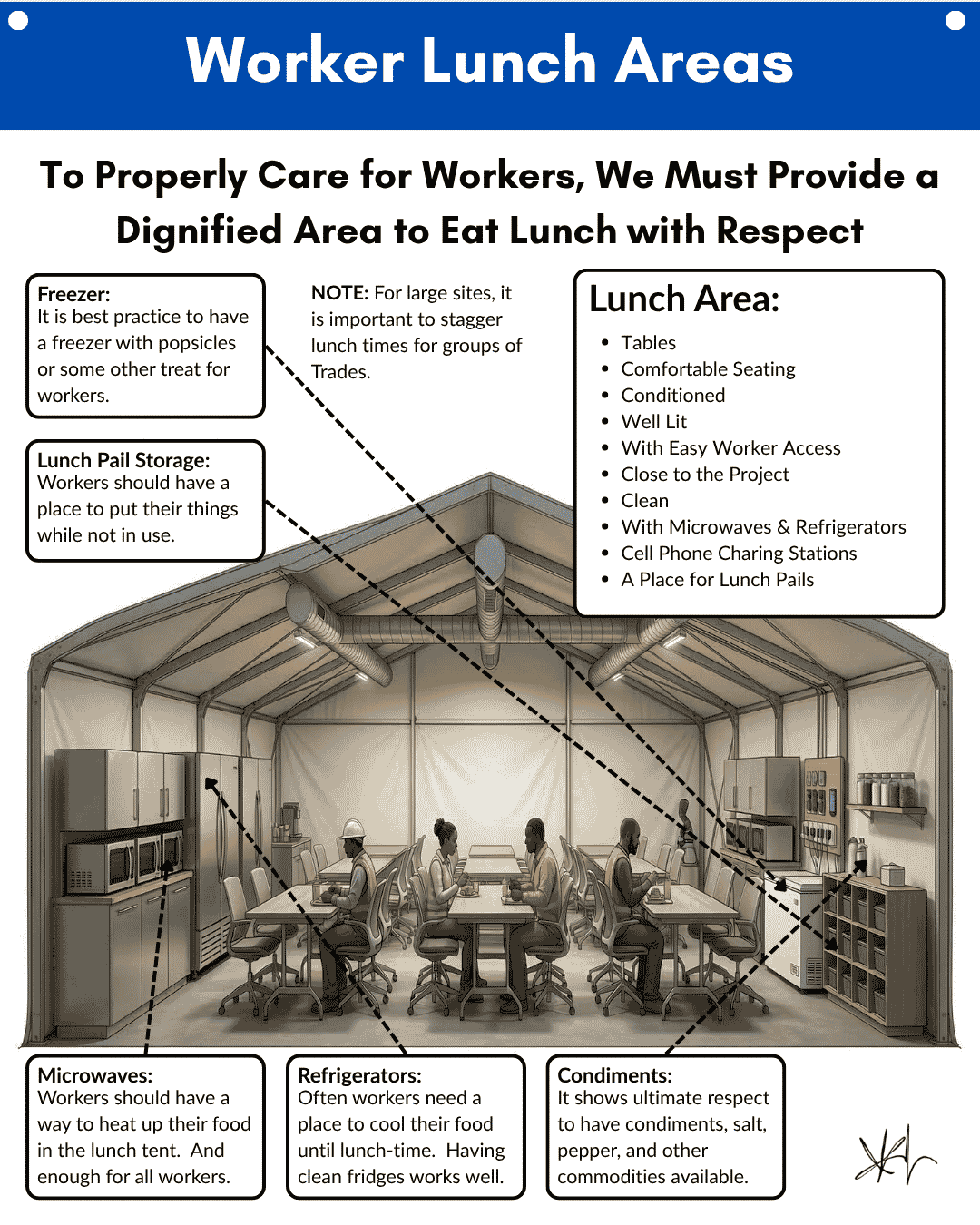
The Takt Production System – Part 11

Read 26 min

Are You Implementing the Toyota Way or Just Talking About It?

You say you’re lean. You talk about respect for people. Continuous improvement. Flow. But you’re not implementing the 14 principles of the Toyota Way. Principle four says level out the workload, work like the tortoise not the hare. But you’re pushing hard, crashing schedules, working like the hare. Principle two says create continuous process flow to bring problems to the surface. But you’re using CPM creating chaos hiding problems until they explode. Principle three says use pull systems to avoid overproduction. But you’re pushing materials onto site based on projections and guesses creating excess inventory. Principle six says standardized tasks and processes are the foundation for continuous improvement. But you have no standard work, no rhythm, no predictable sequence. And here’s the realization Jason had reading these principles: there is no other system other than Takt that will implement these. There is no other system out there that adheres to these. You really can’t understand Takt planning until you understand these fundamental principles of the Toyota Way. Because Takt is how you actually implement them, not just talk about them.

Here’s what most teams miss. They learn lean concepts. Respect for people. Eight wastes. Stop call and wait principle. 3S for cleanliness and organization. Pull versus push. Just-in-time deliveries. And they try implementing them with CPM scheduling. But CPM fights every principle. It left justifies activities to early start dates instead of leveling workload. It pushes activities through network as fast as possible instead of pulling based on readiness. It creates chaos instead of continuous process flow. It hides problems in critical path instead of bringing them to surface. You can’t implement Toyota Way with CPM. You need Takt. Because Takt levels the workload creating rhythm. Creates continuous process flow bringing problems to surface. Uses pull systems avoiding overproduction. Standardizes tasks and processes as foundation for continuous improvement. Takt is the vehicle implementing Toyota Way in construction, not just discussing it.

The challenge is most teams think they’re lean when actually they’re just talking about lean while using systems preventing lean from working. They respect people in theory but put them in chaotic environments preventing them from doing good work. They want continuous improvement but don’t create stable environments with flow enabling teams to see and fix problems. They talk about total participation but don’t create visual systems showing everyone what winning looks like daily. They pursue quality but don’t build culture of stopping to fix problems to get quality right first time. The concepts sound good. But without Takt creating the stable foundation, they remain theory instead of practice. Takt turns lean concepts from aspirations into systems.

The Four Foundations of Lean in Construction

Everything starts with four foundations:

  • Respect for people and resources: Everything we do must align with highest standards of respect for people and psychological safety. Also respect for resources. Cannot be wasteful simply because we live in economy of abundance.
  • Stable environments with flow and culture that sees and fixes problems: Stable environments with standardization of flow are the only environments that will bring problems and issues to surface real time so teams can fix them, resolve them, and remove them.
  • Total participation with visual systems: Continuous improvement is only supported when entire project site is participating in lean culture and can see what winning looks like daily at their place of work.
  • Continuous improvement and fanatical quality: If respect, stability, and total participation are present in culture, project culture can begin efforts to continuously improve flow of supply chains, processes, and systems. Everyone sees and fixes problems every day.

These four foundations build on each other. Respect creates foundation. Stability enables seeing problems. Total participation engages everyone. Continuous improvement drives daily progress. Without all four, the system fails.

Flow Is the Single Most Important Condition

Flow is the single most important condition to strive for in construction. It is the most value-added effort on our journey to increase safety, customer delight, profits, employee satisfaction, and reduce production durations. We focus on three types of flow:

  • Workflow: The flow of work through areas without interruption.
  • Trade flow: The flow of trades through zones in predictable sequence.
  • Logistical flow: The flow of materials, information, and resources supporting work.

Enabling flow drives the most appropriate continuous improvement efforts. To do this we need to differentiate between resource efficiency versus flow efficiency:

  • Resource efficiency: Maximize use of individual resources and attach work to resources (people, equipment, crews, tools).
  • Flow efficiency: Focus on flow of product to customer or customer to their end goal and attach resources to flow units.

We always attempt to achieve both in harmony. In construction we utilize one process flow instead of one piece flow because the process flows through a stationary project site. As we optimize flow for areas and processes we need to optimize the bottlenecks.

A bottleneck is any resource whose capacity is equal to or less than the demand placed upon it by the entire system or a slowdown in flow of work. We look for and increase capacity of bottlenecks to improve flow. Once this is done, bottlenecks will show up in other locations and will become our new focus.

The Eight Wastes We Must Eliminate

We are looking for the eight wastes:

  • Overproduction.
  • Excess material inventory.
  • Transportation.
  • Motion.
  • Defects.
  • Overprocessing.
  • Waiting.
  • Not using wisdom or experience of team.

Overproduction and inventory are the mother and father of all wastes. Typically in construction when we overproduce, we have excess inventory which then needs to be transported and which causes excess motion. The distraction and process of moving inventory creates defects or allows us to ignore them. Defects then need to be fixed which causes overprocessing and that creates waiting and lost crew hours. It is all waste because we know better and could have worked as a team.

In addition to waste, we need to watch out for overburden and unevenness:

  • Overburden: When workers are made to work too fast or a floor is stocked with too much material or when project management team has to process too much paperwork. Occurs when a resource is utilized over 100% of its reasonable capacity.
  • Unevenness (Mura): Non-uniformity or irregularity in construction. Variation in flow of work or variation in resources available to do the work. Causes waste because it causes variation.

Stop, Call, and Wait Principle

This principle relies on four steps:

  • Discover an abnormality.
  • Stop the process.
  • Fix the immediate problem.
  • Investigate and solve the root cause.

We create environments where people and teams can see as a group, know as a group, and act as a group to see, stop, fix the problem, and prevent it in the future. We must see what winning looks like as we work.

3S: Creating Clean, Organized, Enjoyable Environments

3S is a standard practice all teams and crews perform daily:

  • Sort: Remove what is not needed.
  • Straighten: Organize what remains.
  • Sweep or shine: Clean your area in detail.

3S creates cleanliness, organization, and enjoyment. It results in ability to find and see problems so they can be fixed. We are able to observe these at the place of work. We do not focus on numbers and reports from a distance. We observe numbers and reports and observe at the place of work close to the work. We determine if we are winning as close to place of work as possible with total participation with people doing the work.

Pull vs. Push Systems

Pull is where we bring material onto the project when it is needed. It is based on demand. Push is where the material arrives based on projections and guesses. Pull prevents overproduction. Push creates excess inventory.

Just-in-time deliveries are a strategy synchronizing orders from suppliers by production areas and standard delivery schedules to project site in right amounts at right time to supply material inventory buffers. This is pull, not push.

The 14 Principles of the Toyota Way

We follow the following principles of the Toyota Way:

  • Base management decisions on long-term philosophy even at expense of short-term financial goals.
  • Create continuous process flow to bring problems to surface.
  • Use pull systems to avoid overproduction.
  • Level out the workload, work like the tortoise not the hare.
  • Build culture of stopping to fix problems to get quality right first time.
  • Standardized tasks and processes are foundation for continuous improvement and employee empowerment.
  • Use visual control so no problems are hidden.
  • Use only reliable, thoroughly tested technologies that serve your people and process.
  • Grow leaders who thoroughly understand the work, live the philosophy, and teach it to others.
  • Develop exceptional people and teams who follow your company’s philosophy.
  • Respect your extended network of partners and suppliers by challenging them and helping them improve.
  • Go and see for yourself to thoroughly understand the situation.
  • Make decisions slowly by consensus, thoroughly considering all options. Implement decisions rapidly.
  • Become learning organization through relentless reflection and continuous improvement.

Jason’s realization: There is no other system other than Takt that will implement these. There is no other system out there that adheres to these. Level out the workload, work like the tortoise not the hare. Build culture of stopping to fix problems. Use pull systems. Create continuous process flow. Standardize tasks. This is all Takt.

Workers Make the Money in Construction

Workers make the money in construction. They are the heroes. We optimize and stabilize their environment first. Information, materials, layout, quality expectations, equipment, permissions, and safety planning should be prioritized in steady flow to create safe, clean, organized, and productive environment for the worker.

We do not lose money while crews are working. We lose money when flow of work or crews are interrupted. Our focus should be on clearing the path for work to progress. We do not track production while crews are in flow. We track interruptions to flow and continuously improve to create more flow.

The System Failed You

Let’s be clear. When teams talk about lean but don’t implement it, it’s not entirely their fault. The system failed by teaching lean concepts without teaching the scheduling system enabling those concepts to work. Nobody showed that you can’t implement Toyota Way with CPM. Nobody explained that leveling workload requires Takt creating rhythm, not CPM left justifying to early start dates. Nobody demonstrated that continuous process flow bringing problems to surface requires stable environment Takt creates, not chaotic critical paths CPM generates. The system taught concepts without vehicles implementing them.

The system also failed by not teaching that overproduction and excess inventory are mother and father of all wastes. If your project needs superintendent coaching, project support, or leadership development, Elevate Construction can help your field teams stabilize, schedule, and flow. When you overproduce, you create excess inventory needing transportation causing motion creating defects requiring overprocessing producing waiting. The chain reaction starts with overproduction. But CPM encourages overproduction by pushing activities to early start dates. Takt prevents overproduction by pulling based on readiness and leveling workload. The system taught push when actually pull prevents the waste cascade.

The system fails by not teaching that workers are heroes we optimize for, not resources we maximize. Workers make the money in construction. We optimize and stabilize their environment first. But resource efficiency thinking maximizes utilization of workers instead of creating stable flow enabling them to work productively. Flow efficiency focuses on product flow to customer attaching resources to flow units. This respects workers by creating conditions enabling them to do good work instead of squeezing maximum utilization from them regardless of conditions. The system taught wrong efficiency metric preventing respect for people from becoming reality.

The Challenge

Here’s your assignment. Stop just talking about lean. Start implementing the 14 principles of the Toyota Way through Takt planning.

Level out the workload. Work like the tortoise not the hare. Use Takt creating rhythm and predictable pace instead of CPM pushing to early start dates creating chaos.

Create continuous process flow bringing problems to surface. Stable environments with standardization of flow bring problems to surface real time enabling teams to fix them. CPM hides problems in critical paths until they explode.

Use pull systems avoiding overproduction. Pull brings materials when needed based on demand. Push brings materials based on projections creating excess inventory. Just-in-time deliveries synchronized with production areas prevent overproduction.

Build culture of stopping to fix problems getting quality right first time. Stop call and wait principle: discover abnormality, stop the process, fix immediate problem, investigate and solve root cause. Create environments where teams see as group, know as group, act as group.

Standardize tasks and processes as foundation for continuous improvement. Takt creates standardized work with rhythm. Each Takt wagon has work packages. Each work package has work steps. This standardization enables improvement.

Implement 3S daily. Sort (remove what’s not needed). Straighten (organize what remains). Sweep (clean your area). Creates cleanliness, organization, and ability to see problems enabling fixing them.

Eliminate the eight wastes starting with overproduction and excess inventory. They are mother and father of all wastes creating transportation, motion, defects, overprocessing, waiting, and underutilizing team wisdom.

Respect workers by optimizing and stabilizing their environment first. Information, materials, layout, quality expectations, equipment, permissions, and safety in steady flow creating safe, clean, organized, productive environment. Workers are heroes making money in construction.

Track interruptions to flow, not production while in flow. We lose money when flow is interrupted, not while crews are working. Focus on clearing path for work to progress.

You really can’t understand Takt planning until you understand fundamental principles of Toyota Way. And you can’t implement Toyota Way without Takt. They go together.

On we go.

FAQ

Why is Takt the only system implementing the Toyota Way?

Principle four: level workload (Takt creates rhythm). Principle two: continuous process flow (Takt creates stable flow). Principle three: pull systems (Takt pulls based on readiness). Principle six: standardized tasks (Takt creates standardized work packages and steps). CPM fights these principles. Takt implements them.

What are the four foundations of lean in construction?

Respect for people and resources. Stable environments with flow and culture seeing and fixing problems. Total participation with visual systems showing what winning looks like daily. Continuous improvement and fanatical quality. These build on each other creating conditions enabling lean to work.

What are the eight wastes?

Overproduction, excess material inventory, transportation, motion, defects, overprocessing, waiting, and not using wisdom/experience of team. Overproduction and inventory are mother and father of all wastes. When you overproduce, you create excess inventory needing transportation causing motion creating defects requiring overprocessing producing waiting.

What’s the difference between pull and push?

Pull brings material when needed based on demand. Push brings material based on projections and guesses. Pull prevents overproduction. Push creates excess inventory. Just-in-time deliveries synchronized with production areas are pull. CPM pushing to early start dates is push.

What is the stop, call, and wait principle?

Four steps: discover abnormality, stop the process, fix immediate problem, investigate and solve root cause. Create environments where teams see as group, know as group, act as group to see, stop, fix problem, and prevent it in future. Requires culture valuing quality over speed.


If you want to learn more we have:

-Takt Virtual Training: (Click here)
-Check out our Youtube channel for more info: (Click here) 
-Listen to the Elevate Construction podcast: (Click here) 
-Check out our training programs and certifications: (Click here)
-The Takt Book: (Click here)

Discover Jason’s Expertise:

Meet Jason Schroeder, the driving force behind Elevate Construction IST. As the company’s owner and principal consultant, he’s dedicated to taking construction to new heights. With a wealth of industry experience, he’s crafted the Field Engineer Boot Camp and Superintendent Boot Camp – intensive training programs engineered to cultivate top-tier leaders capable of steering their teams towards success. Jason’s vision? To expand his training initiatives across the nation, empowering construction firms to soar to unprecedented levels of excellence.

On we go
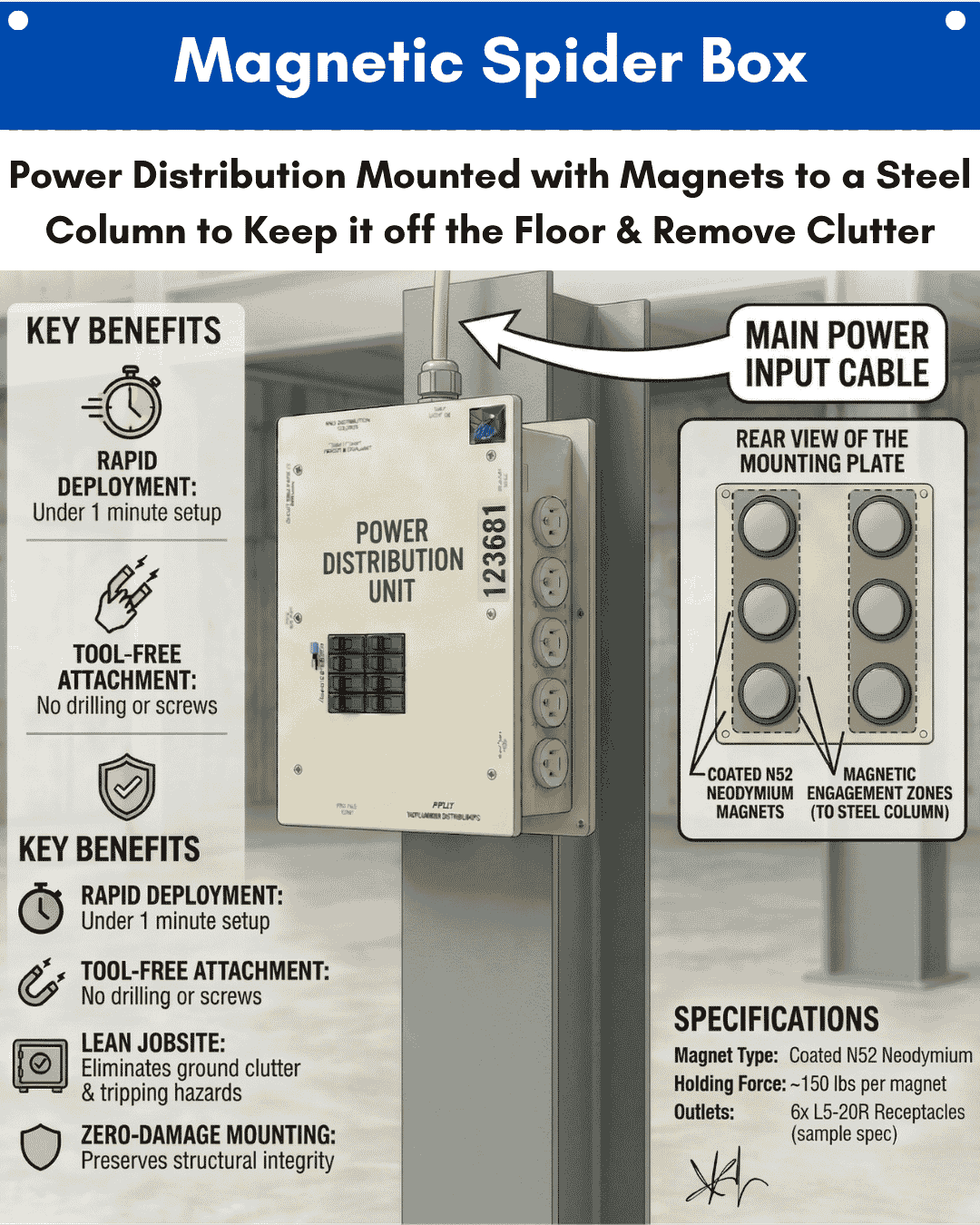
The Takt Production System – Part 7

Read 27 min

Are You Pushing When You Need to Be Flowing?

You think the problem is the foremen. A few bad attitudes. Some people not buying in. They need to fall in line. Get on board. Just get it done. So you push harder. Push the job to completion. Push through obstacles. Push everyone in the room to work harder. And it feels like throwing away seven years of work when someone suggests changing the approach. You’ve always gotten through stuff like this before. Now one owner complains about setbacks and you’re willing to back down and change everything? It doesn’t make sense. You know what you’re doing. They need to fall in line. But here’s what you’re missing. You’re always putting foremen into impossible situations. The schedule is a moving target. Materials show up inconsistently. Coordination answers don’t arrive. And you’re pushing all the time instead of flowing. Flow where you can, pull when you can’t, and stop pushing. Right now you’re pushing constantly. Flow is the key to turning this project around. It’s not raising or lowering the water level. It’s not faster water. What you need is stable and steady flow. If you have that, you can see and then remove roadblocks. Roadblocks are what’s slowing this project down and costing you money.

Here’s what most teams miss. They’ve built systems over seven years. Implemented lean. Worked hard together. And when projects struggle, they think the solution is pushing harder. Just get it done. Everyone needs to get on board. Construction is full of impossible situations. You name a job where there aren’t scheduling and materials problems. But that’s exactly the point. You’re right that construction is full of problems. So you need to do a better job giving foremen a fighting chance at success. Instead of putting them into impossible situations and blaming them for not succeeding, create stable flow enabling them to navigate obstacles. That’s not throwing away seven years of work. It’s building on it. You’ve never run a project this size before. Consider the possibility you just need a few key pieces to expand your capability and keep going with what makes you successful. This is what winning looks like. Recognizing you’re losing a battle and changing your defense and offense so you’re fighting smarter, not just harder.

The challenge is change feels like loss. When you’ve built something over seven years and someone suggests transformation, it feels like throwing it all away. It feels like one owner complains and you back down. It feels like you’ve already lost before the job even started. But that’s the fixed mindset speaking. Growth mindset says this is what winning looks like. You recognize the current approach isn’t working. You bring in expertise. You implement new systems building on what you’ve learned. You fight smarter instead of just harder. The work you did over seven years isn’t wasted. It’s the foundation. Takt doesn’t replace Last Planner and lean. It creates the stable flow enabling those systems to work. You’re not starting over. You’re completing the system.

Brad’s Resistance: It Feels Like We’re Throwing Everything Away

Brad is annoyed and predictable. “I thought the point of this meeting was to figure out how to fix the trade partners. This sounds like we are scrapping all our current systems, everything we’ve been working on, just to cater to a few bad foremen. It doesn’t make any sense. We know what we’re doing. They need to fall in line.”

Olivia replies: “They aren’t bad foremen. I’m beginning to understand that we’re always putting them into impossible situations. We could do a better job which would enable them.”

Brad counters: “Construction is full of impossible situations. You name a job where there aren’t problems scheduling materials.”

Olivia: “You’re absolutely right, but we need to do a better job at giving them fighting chance at success.”

Brad escalates: “Olivia, I just don’t know how you can build a job by holding dates. We need to push this job to completion and our foremen and everyone in this room needs to get on board and just get it done.”

This is the classic resistance pattern. When current approach isn’t working, double down. Push harder. Demand everyone get on board. Blame the people instead of examining the system. Brad thinks he’s being strong and decisive. But he’s actually being defensive and rigid. Seven years of work feels threatened. So he defends it by blaming foremen and demanding they fall in line.

David’s Intervention: Flow Where You Can, Pull When You Can’t, Stop Pushing

David interjects with one last thought. “We need to flow where we can, pull when we can’t, and stop pushing. Right now we’re pushing all the time. Flow is the key to turning this project around.”

He reminds them of the river analogy. “It’s not raising or lowering the water level that we need and we don’t need faster water. What we need is a stable and steady flow. If we have that, we can see and then remove roadblocks because roadblocks are what’s slowing this project down and costing you money.”

Flow where you can, pull when you can’t, and stop pushing. This is the fundamental principle:

  • Flow: Create stable, predictable movement enabling work to proceed unhindered.
  • Pull: When flow isn’t possible, pull work based on readiness instead of pushing based on schedule.
  • Stop pushing: Pushing creates chaos, variation, and impossible situations for foremen.

David knows he’s being presumptuous. But they aren’t paying him to make friends. His job is to see what they can’t see when they’re knee deep in it and figure out the best way to get them out of this mess and prevent the next one. Olivia appreciates his frankness.

The Pressure: Reputation on the Line

Olivia gives everyone a reason to unify. “Team, I had a difficult conversation this afternoon. Jeff spoke to Brian this morning.” Jeff is the Senior Vice President over OneCare. “We won’t be shortlisted for any future work until we’ve come up with a permanent solution to the problems we’ve been having. Evergreen’s image is suffering. Our reputations are on the line and there’s no easy way out of this.”

She sets the stakes. “I want everyone here tomorrow morning at eight ready to make a decision, weigh in, and buy in completely. I’m meeting Brian for lunch and I want to give him our plan.”

This is the leverage creating urgency. It’s not just about this project. It’s about future work. Company reputation. Individual careers. The pressure creates the opening for change. Without it, Brad’s resistance might have prevailed. With it, everyone recognizes they must transform or fail.

The Private Conversation: What Winning Looks Like

Olivia signals Brad to wait. She needs privacy to draw him out and understand his obstinance. She needs him to be supportive.

Brad: “It just feels like you’re throwing away all the work that we’ve done, everything we’ve built together for the last seven years. We’ve always gotten through stuff like this and now one owner complains about some setbacks and you’re willing to back down and change everything we do.”

Olivia responds calmly. “I’m not trying to throw away anything we’ve done. I want to build on it. Brad, you’ve never run a project of this size before. Consider the possibility that you just need a few key pieces to expand your network and keep going with what makes you successful.”

Brad takes it personally. “So you’re essentially saying I can’t figure this out.”

Olivia: “Of course not, Brad. Please don’t do that. I’m saying that I needed help so I reached out, just like when we needed lean training and we all went. Now we need Takt training so we’ll all get it and we’re going to learn it together so that should be fun, right?”

Brad expresses his fear. “It’s just that it feels like the job just started and I’ve already lost.”

Olivia reframes it. “I don’t see it that way. To me, this is what winning looks like. Recognizing that we are losing a battle and changing our defense and offense so that we are fighting smarter, not just harder. This is what we need to turn OneCare around.”

This is the breakthrough. Winning isn’t pushing harder. Winning is recognizing when current approach isn’t working and fighting smarter. This doesn’t diminish Brad’s seven years of work. It acknowledges that new challenges require new tools.

The Seagull Leader Fear

Brad commits with conditions. “Olivia, if you believe in this, I’ll commit and give it my all. I’m counting on you to make sure David isn’t a seagull though.”

Olivia: “What’s a seagull? Is that a sports reference?”

Brad chuckles. “It’s a leader that comes to the job when there’s a problem, makes a lot of quick decisions about stuff they don’t understand, then leaves the crappy mess for someone else to clean up. I don’t want David to be a seagull and I don’t want to shovel crap alone. Please don’t leave me with a mess. Tell me you are all in with me.”

This is the real fear. Not that Takt won’t work. That David will implement something Brad doesn’t understand, then leave him to deal with the consequences. That Olivia will abandon him to clean up someone else’s mess.

Olivia promises: “I’d never leave you to do a dirty job alone. I’m all in.”

That’s what Brad needed. Not arguments about Takt. Assurance that he won’t be abandoned. That they’re in this together. That trust remains intact even as approach changes.

The Commitment: All In

Next morning when David enters, the team is already gathered waiting. Juan speaks decisively. “David, we don’t want to waste any more of your time. We came in half an hour ago and decided we’re all committed to your Takt plan. What’s next?”

David: “That’s great. I love the enthusiasm. I thought we were going to decide after I got here. What changed?”

Juan: “Yeah, we were going to decide during this meeting, but we’ve talked about it enough. We all know this is the right thing and it’s time to move forward.”

This is the transformation. Yesterday, resistance. Today, commitment. They talked it through. They recognized the truth. They’re ready to move forward. Not because they were beaten down. Because they chose growth over defensiveness. Smarter over harder. Flow over push.

David is in his element. “All right. Let’s do this. The first step is to establish a plan with flow and then get everyone on the same page.”

The System Failed You

Let’s be clear. When teams resist change feeling like they’re throwing away years of work, it’s not entirely their fault. The system failed by not teaching that building on success requires adding capabilities, not abandoning foundations. Nobody showed that Takt doesn’t replace Last Planner and lean but completes the system. Nobody explained that stable flow enables collaboration instead of competing with it. Nobody demonstrated that fighting smarter beats fighting harder. The system created the belief that change means loss instead of growth.

The system also failed by teaching push mentality as standard. If your project needs superintendent coaching, project support, or leadership development, Elevate Construction can help your field teams stabilize, schedule, and flow. Construction is full of impossible situations. But that’s exactly why you need stable flow giving foremen fighting chance at success instead of putting them in impossible situations and blaming them for not succeeding. The system taught push harder when projects struggle instead of teaching create stable flow enabling navigation of obstacles.

The system fails by not teaching what winning looks like during transformation. Winning isn’t defending past approaches. Winning is recognizing when current approach isn’t working and changing defense and offense to fight smarter. Brad thought he was being strong resisting change. But strength is admitting when you need help and implementing solutions even when they feel uncomfortable. The system taught defend your position instead of teaching grow your capability.

The Challenge

Here’s your assignment. Stop pushing when you need to be flowing. Recognize when fighting harder means you need to fight smarter.

Flow where you can, pull when you can’t, and stop pushing. Create stable, steady flow enabling you to see and remove roadblocks. Roadblocks are what’s slowing projects and costing money. Not bad foremen. Not people not buying in. Systemic problems requiring systemic solutions.

When someone suggests change after you’ve built something over years, don’t interpret it as throwing away your work. Interpret it as building on your foundation. You need a few key pieces to expand capability. This completes the system instead of replacing it.

Recognize what winning looks like. Not defending past approaches when they’re not working. Recognizing you’re losing a battle and changing defense and offense to fight smarter, not just harder. This is strength, not weakness.

Give foremen a fighting chance at success. Stop putting them in impossible situations then blaming them for not succeeding. Create stable flow. Make schedules predictable. Get materials arriving consistently. Provide coordination answers. Then foremen can commit and perform.

Don’t be a seagull leader. Don’t come to projects when there’s a problem, make quick decisions about stuff you don’t understand, then leave crappy mess for someone else to clean up. Be all in. Never leave people to do dirty jobs alone. Commit completely to transformation.

The first step is establishing a plan with flow and getting everyone on the same page. Not pushing harder. Creating stable foundation enabling success.

On we go.

FAQ

Why does change feel like throwing away past work?

Seven years building systems creates attachment. When someone suggests transformation, it feels like those years were wasted. But Takt doesn’t replace Last Planner and lean. It creates stable flow enabling those systems to work. You’re not starting over. You’re completing the system by adding the foundation it needs.

What does “flow where you can, pull when you can’t, stop pushing” mean?

Flow creates stable, predictable movement enabling work to proceed unhindered. Pull means bringing work based on readiness instead of schedule. Pushing creates chaos, variation, and impossible situations. Right now teams push all the time. Need stable, steady flow to see and remove roadblocks.

What’s a seagull leader?

A leader who comes to the job when there’s a problem, makes quick decisions about stuff they don’t understand, then leaves crappy mess for someone else to clean up. Brad’s fear is David implementing Takt then abandoning him to deal with consequences. Solution is committing to be all in together.

What does winning look like during transformation?

Not defending past approaches when they’re not working. Recognizing you’re losing a battle and changing defense and offense to fight smarter, not just harder. Not pushing harder hoping it works. Creating stable flow enabling navigation of obstacles. This is strength, not weakness.

Why can’t you build a job by holding dates?

Brad thinks holding dates means not pushing hard enough. But pushing creates chaos preventing success. Holding dates through stable Takt flow creates predictability enabling foremen to commit and perform. It’s not about working less hard. It’s about creating conditions enabling hard work to succeed.

If you want to learn more we have:

-Takt Virtual Training: (Click here)
-Check out our Youtube channel for more info: (Click here) 
-Listen to the Elevate Construction podcast: (Click here) 
-Check out our training programs and certifications: (Click here)
-The Takt Book: (Click here)

Discover Jason’s Expertise:

Meet Jason Schroeder, the driving force behind Elevate Construction IST. As the company’s owner and principal consultant, he’s dedicated to taking construction to new heights. With a wealth of industry experience, he’s crafted the Field Engineer Boot Camp and Superintendent Boot Camp – intensive training programs engineered to cultivate top-tier leaders capable of steering their teams towards success. Jason’s vision? To expand his training initiatives across the nation, empowering construction firms to soar to unprecedented levels of excellence.

On we go
The Takt Production System – Part 5

Read 24 min

Are You Addicted to the Rush of Chaos?

You’re going too fast to see the rocks. The water is chaotic. The current is strong. The team is paddling frantically reacting to obstacles appearing suddenly in front of you. And you think the problem is you need fewer resources lowering the water level to expose rocks earlier. But that’s not it. Even with lower water, you’d still be going too fast to navigate around obstacles. The real problem isn’t resource levels. It’s pace and stability. You’re addicted to the rush of chaos. The adrenaline of dealing with constant emergencies. The feeling of being busy, productive, needed, and important. But ultimately, it’s all waste. You could raft on a clear, calm river with the same amount of water at a better pace seeing rocks and simply going around them. But that would be boring. So you stay in chaos feeling the rush while crashes multiply. Meanwhile, teams implementing Takt planning create rhythm, pace, and stability enabling them to see and remove roadblocks instead of frantically reacting after hitting them.

Here’s what most teams miss. They implement Last Planner and Scrum. They hold weekly work planning meetings. They ask for constraints and commitments. But the project still struggles. Trades don’t commit because information keeps changing. The schedule is a moving target. Coordination answers don’t arrive. Materials show up inconsistently. And leadership assumes it’s a people problem. The trades just don’t get it. They’re not buying in. They have big egos and bad attitudes. But that’s wrong. The problem isn’t people. It’s pace and flow. The team is going too fast through chaotic conditions. Like traffic where one vehicle speeds up and slows down creating chaos through the entire circle, the project creates starts and stops destroying predictability. You have plenty of time and the team is pushing hard. But they’re running into constant starts and stops just like someone stuck in traffic. The system needs stability and adjusted pace, not blame directed at trades who can’t commit to moving targets.

The challenge is teams get addicted to chaos. Going fast feels productive. Dealing with constant emergencies feels important. Being needed to solve daily fires feels valuable. The rush comes from being near the danger. Like whitewater rafting where the thrill comes from navigating chaotic water at high speed, projects create artificial chaos generating adrenaline. But calm water at stable pace would allow seeing rocks and going around them. Takt planning creates that rhythm and stability. It’s not reducing resources that allows teams to see and remove roadblocks. It’s stabilizing and adjusting the pace. When flow is stable, obstacles become visible early enough to navigate around them instead of crashing into them.

The Traffic Analogy: Starts and Stops Create Chaos

Picture Juan driving to the interview. He left at the right time. But traffic didn’t flow like it should. He hit starts and stops. One vehicle speeding up and slowing down created chaos through the entire circle. That’s exactly what’s happening on the project. The team has plenty of time and they’re pushing hard. But they’re running into constant starts and stops destroying flow.

Olivia makes the connection. Leaving early would be waste. Juan left at the right time. But he got held up because traffic didn’t flow properly. The project has the same problem. Going too fast or too slow causes irregularities. What’s the equivalent of starting and stopping on the project site? Last Planner and Scrum are implemented. The system seems functional. But something’s still wrong.

The weekly work planning meeting reveals the problem. Terrence the plumbing foreman says his constraints are the same as yesterday and nothing has changed. He still doesn’t have coordination for building B. He still needs RFIs answered to continue in area A. He entered tags for today’s meeting but can’t commit unless he gets information. Brad says trades need to commit during meetings. Terrence fires back that he’ll commit when he gets the information he needs. “The schedule always changes. How do you expect them to get that to me when it’s a moving target?”

That’s the core problem. Not people. Not attitudes. The schedule is a moving target creating constant starts and stops. Trades can’t commit to chaotic conditions. Resources keep changing. Information keeps shifting. The pace is too fast to see obstacles coming. Everyone’s reacting to fires instead of preventing them.

The River of Waste Analogy Gets Reframed

Traditional lean teaching says lower the water level to expose rocks. Reduce resources creating pressure revealing problems. Brad has always struggled with this analogy. At One Care, they’re running with minimal resources and it doesn’t help identify roadblocks. They’re still riddled with problems. And once they hit one, resources actually have to increase to get past the roadblock. Then they don’t have time to get rid of the roadblock anyway because they don’t see it in enough time.

Brad makes the rafting connection. You don’t know you’re heading towards a rock until you’re right on top of it because you can’t see it. And if you had any less water, the river would be like a stream and you couldn’t raft in the first place. David gets excited. Brad hit on something important. It’s not the level of water that needs to be adjusted. It’s the stability and flow.

Here’s the reframe:

  • You don’t want too much water (wasteful excess resources).
  • But you don’t improve teams by reducing water level (slashing resources).
  • You improve by adjusting flow and calming the water.
  • Brad couldn’t see rocks because they were going so fast that even protruding rocks were covered by speed and force.
  • Everything was too chaotic to see them, so they couldn’t prepare or avoid.
  • Even if water level was lower, they’d still be going too fast to navigate around rocks.
  • Slowing the speed and calming chaos would allow seeing rocks.
  • Clear, calm water at right pace makes obstacles visible early enough to avoid them.

This solidifies why Takt systems work. Takt creates rhythm, beat, and pace. It’s a planning method based on cycle time. It schedules the right flow and pace into the project creating stability allowing teams to focus on removing roadblocks. Not reducing resources. Stabilizing and adjusting pace. If you rafted on clear, calm river with same amount of water at better pace, you could see rocks and simply go around them.

The Addiction to Chaos and the Rush

Brad responds: “That would have been boring.” David recognizes this as the breakthrough. Olivia said earlier, “The rush comes from being near the danger.” David thinks teams get addicted to going fast and dealing with chaos because it gives them a high. And even if it’s not adrenaline, it’s the rush of feeling busy and productive, needed and important. But ultimately, it’s all waste.

This is profound. Teams don’t want calm, stable flow. It feels boring. They want the rush of chaos. The adrenaline of constant emergencies. The feeling of being needed to solve fires. The sense of importance from being indispensable fixing crises. The validation of being busy all the time. But all of it is waste.

Whitewater rafting is exciting because of danger and chaos. But construction projects aren’t entertainment. They’re production systems. Production systems need stability, not chaos. Predictability, not emergencies. Rhythm, not randomness. The addiction to chaos destroys projects while making people feel productive and important.

David wonders if the team is just going too fast and addicted to the rush of chaos. He was shocked to see how well this team works together. He’s now uncomfortable assuming the problem is with team and trade partners. The team is high-performing with strong organizational health. They understand each other’s roles, hold each other accountable, and don’t take offense when hard things are said. The problem isn’t people. It’s pace and stability.

Why Takt Planning Creates Flow Instead of Chaos

Takt is taken from an older German word meaning rhythm or beat. It describes a planning method based on cycle time or Takt time. It’s the primary scheduling system David uses. Takt schedules the right flow and pace into the project creating stability allowing teams to focus on removing roadblocks.

The key insight: it’s not reducing resources that allows teams to see and remove roadblocks. It’s stabilizing and adjusting pace. Calm, stable flow at right pace makes obstacles visible early enough to navigate around them. Fast, chaotic conditions hide obstacles until you crash into them.

This explains why Last Planner and Scrum weren’t enough. They’re collaborative planning systems. But without stable master scheduling creating predictable flow, collaboration happens around moving targets. Trades can’t commit when schedules constantly change. Foremen can’t plan when coordination keeps shifting. Teams can’t remove roadblocks when pace is too fast to see them coming.

Takt provides the stable foundation. It creates rhythm enabling collaboration. It establishes pace allowing visibility. It generates predictability making commitments possible. Then Last Planner and Scrum work beautifully on top of that stable foundation.

The System Failed You

Let’s be clear. When teams struggle despite implementing Last Planner and Scrum, it’s not entirely their fault. The system failed by teaching collaborative planning without teaching stable flow planning. Nobody showed that Last Planner needs stable master scheduling underneath it. Nobody explained that you can’t collaborate around moving targets. Nobody demonstrated that Takt creates the rhythm and stability enabling collaboration to work. The system taught tools without teaching the foundation those tools need to succeed.

The system also failed by teaching “lower the water level” as lean principle. If your project needs superintendent coaching, project support, or leadership development, Elevate Construction can help your field teams stabilize, schedule, and flow. But reducing resources doesn’t expose problems early enough to fix them. It just creates pressure and panic. The real principle is adjust the flow and calm the chaos. Create stable pace enabling visibility. That’s what Takt does. But teams never taught this keep slashing resources wondering why it makes things worse when the answer is they’re fighting the wrong problem.

The system fails by not teaching that teams get addicted to chaos. Going fast feels productive. Constant emergencies feel important. Being needed to solve fires feels valuable. But it’s all waste. Calm, stable flow at right pace would enable seeing and removing roadblocks. But that feels boring. So teams stay in chaos getting the rush while crashes multiply. The system never taught that the addiction to chaos is the enemy preventing flow.

The Challenge

Here’s your assignment. Stop going so fast you can’t see the rocks. Calm the chaos. Adjust the pace. Create stable flow.

Recognize when you’re addicted to the rush of chaos. Do you feel productive when you’re frantically dealing with emergencies? Do you feel important when you’re indispensable solving fires? Do you feel needed when you’re constantly busy? That’s the addiction. It’s waste. Calm flow would be better but feels boring.

Use Takt planning to create rhythm, beat, and stable pace. Don’t just implement Last Planner and Scrum hoping collaboration fixes everything. They need stable master scheduling underneath. Takt provides that foundation creating predictable flow enabling collaboration to work.

Stop blaming people when the problem is pace and stability. Trade partners who won’t commit to moving targets aren’t being difficult. They’re being honest. You can’t commit to chaos. Stabilize the schedule. Make it predictable. Then commitments become possible.

Reframe the river of waste analogy. It’s not about lowering water level reducing resources. It’s about adjusting flow and calming chaos. Same amount of water at stable pace with clear visibility beats less water at chaotic pace with no visibility. Create stability, not scarcity.

If you rafted on clear, calm river with same water at better pace, you could see rocks and simply go around them. That would be boring for entertainment. But for construction projects, that’s exactly what you need. Calm, stable flow at right pace enabling you to see and remove roadblocks instead of frantically reacting after hitting them.

On we go.

FAQ

Why do Last Planner and Scrum fail without stable master scheduling?

Collaboration works around stable foundations, not moving targets. When schedules constantly change, trades can’t commit. When coordination keeps shifting, teams can’t plan. Last Planner and Scrum are collaborative planning systems needing stable flow underneath. Takt creates that rhythm and predictability enabling collaboration to work.

What’s wrong with the “lower the water level” lean analogy?

Reducing resources creates pressure but doesn’t create visibility. Even with fewer resources, teams going too fast through chaos can’t see obstacles early enough to avoid them. The real principle is adjust the flow and calm the chaos. Stable pace with clear visibility beats reduced resources with chaotic pace.

How do teams get addicted to chaos?

Going fast feels productive. Constant emergencies feel important. Being needed to solve fires feels valuable. The rush comes from being near the danger. But it’s all waste. Calm, stable flow would enable seeing and removing roadblocks instead of frantically reacting to them. But that feels boring, so teams stay in chaos.

Why can’t trade partners commit to moving targets?

Trades commit when work is ready and schedules are predictable. When coordination answers keep changing, materials arrive inconsistently, and schedules shift constantly, commitments become impossible. The problem isn’t bad attitudes. It’s chaotic conditions preventing honest commitments. Stabilize the schedule and commitments become possible.

How does Takt planning create flow instead of chaos?

Takt schedules right flow and pace into projects creating stability. It’s based on rhythm and cycle time establishing predictable beat. This calm, stable flow makes obstacles visible early enough to navigate around them instead of crashing into them. It’s the foundation enabling Last Planner and Scrum to work.


If you want to learn more we have:

-Takt Virtual Training: (Click here)
-Check out our Youtube channel for more info: (Click here) 
-Listen to the Elevate Construction podcast: (Click here) 
-Check out our training programs and certifications: (Click here)
-The Takt Book: (Click here)

Discover Jason’s Expertise:

Meet Jason Schroeder, the driving force behind Elevate Construction IST. As the company’s owner and principal consultant, he’s dedicated to taking construction to new heights. With a wealth of industry experience, he’s crafted the Field Engineer Boot Camp and Superintendent Boot Camp – intensive training programs engineered to cultivate top-tier leaders capable of steering their teams towards success. Jason’s vision? To expand his training initiatives across the nation, empowering construction firms to soar to unprecedented levels of excellence.

On we go
The Takt Production System – Part 10

Read 28 min

Are You Creating Space for Roadblocks to Rise?

You tip the water jug straight down. The water pours out. But there’s a gurgling sound caused by friction of air and water fighting for space. It takes eleven seconds to empty. That’s pushing work through as fast as possible. Air blocks water creating splattering and turbulence. Now spin the jug creating a spiral in the water, a flow vortex. The center of the vortex allows air to flow into the bottle at the same time water flows out. Five seconds. Half the time. Best flow of water is developed by coordinating the water in the most optimized manner and by creating space in the center of the vortex for air to rise. Forcing the water through the opening as fast as possible is not effective and causes splattering and turbulence. This is what happens in CPM by pushing construction activities through the network of resources as fast and as soon as possible. The critical path erupts with air bubbles that interrupt flow and increase overall duration. Takt, on the other hand, with its coordinated approach and space given for occurrence of roadblocks or air is similar to the flow vortex. When all parts work together to achieve flow, water moves in steady stream while simultaneously allowing air to rise up through center. This beats the other system every time because it gives space and time for roadblocks to rise and be removed from flow of work.

Here’s what most teams miss. They think speed comes from pushing harder. Working faster. Starting sooner. Compressing schedules. Forcing activities through the network as soon as possible. But that creates the gurgling jug. Air and water fighting for space. Splattering and turbulence. Eleven seconds instead of five. The flow vortex works because it coordinates movement in optimized manner and creates space for air to rise. Takt works the same way. It coordinates work in optimized manner and creates space for roadblocks to rise. Not by pushing through chaos. By creating steady, continuous stream with coordinated pattern and adequate space. When water flows, it runs in relatively consistent and continuous stream down an unobstructed path. When water does not flow, it’s usually due to twists and turns, obstacles, changes in elevation, or other hindrances. Takt removes the hindrances by creating space for them to rise and be removed before they interrupt flow.

The challenge is most teams never learned what Takt actually is. It’s a detailed one-page, one-process flow schedule focusing on throughput, bottlenecks, and creating flow. It’s accompanied by lean practices to be the most effective scheduling tool in the industry because it creates stable construction environments, enables total participation, and provides basis to improve all aspects of construction. In German, Takt means beat, frequency, or regularity with which something gets done. When used with lean, it means standardization, predictability, and heartbeat of the project’s production system. To be a Takt plan by definition, it must be visual schedule clearly showing time and space and how they relate to workflow, trade flow, and logistical flow. It creates geographical, rhythmic flow from area to area making it location-based management system. And it gives space for roadblocks to rise instead of forcing work through creating turbulence.

What Is Takt Planning?

Takt planning is a detailed one-page, one-process flow schedule that focuses on throughput, bottlenecks, and ultimately creating flow. It is accompanied by lean practices to be the most effective scheduling tool in the industry for construction because it creates stable construction environments, enables total participation, and provides the basis upon which to improve all aspects of construction.

In German, the word Takt means beat, frequency, or the regularity with which something gets done. When used with lean, it means standardization, predictability, and the heartbeat of the project’s production system.

To be a Takt plan by definition, it must be a visual schedule that clearly shows time and space and how they relate to workflow, trade flow, and the logistical flow of the project. Takt creates geographical, rhythmic flow from area to area, making it a location-based management system.

It also has to be planned with the right buffer management and one that stabilizes the pace of work with what is called one-process flow that limits work in process. And lastly, it has to have a reasonable overall project duration. These are the basics to meet the definition.

Takt also means cycle time. It symbolizes the need for a responsible rhythm of work in certain production areas, otherwise known as Takt zones, as opposed to the left justifying of activities to their early start dates in CPM’s famous forward and backward paths.

To a builder, Takt communicates the need for flow.

The Water Vortex Explanation of Flow

Consider two gallon jugs of water. The first jug is tipped over and pointed straight down allowing the water to pour out without squeezing the jug. As the water pours out, there is a gurgling sound caused by the friction of the air and water fighting for space as the jug empties in a time span of eleven seconds.

In contrast, the second jug is turned over and the bottle is spun in a circle which creates a spiral in the water or flow vortex. As the water spins, the center of the vortex allows for the air to flow into the bottle at the same time as water flowing out. It only takes five seconds to empty the second jug with the use of the flow vortex.

The best flow of water is developed by coordinating the water in the most optimized manner and by creating space in the center of the vortex for air to rise. Forcing the water through the opening as fast as possible is not effective and causes splattering and turbulence.

This is what happens in CPM by pushing construction activities through the network of resources as fast and as soon as possible. The critical path will erupt with air bubbles that interrupt the flow and increase the overall duration of the project.

Takt, on the other hand, with its coordinated approach and space given for the occurrence of roadblocks or air is similar to the flow vortex. When all parts are working together to achieve flow, the water can move in a steady stream while simultaneously allowing air to rise up through the center of the flow vortex.

This will beat the other system every time because it gives space and time for roadblocks to rise and be removed from the flow of work.

Why Flow Is a Priority for Construction

The ultimate question for any successful schedule system is: Does the system enable a visual and coordinated flow? And does the system bring problems to the surface quickly so they do not interrupt the flow?

Flow is a priority for construction. Why? Because flow enables the very long supply chains upon which we rely in construction by holding to consistent dates. It reduces the material inventory levels and worker counts on a project site at the end of that supply chain by allowing us to bring out materials just in time.

This is important because the reduction of material inventory is essentially the reduction of overproduction in construction which then reduces all other wastes. When overproduction and excess material inventory are reduced, the need for fixing defects, overprocessing, waiting, transportation, and motion are reduced because we are using the genius and capabilities of the team, maintaining a consistent schedule and flow, one process or one Takt process at a time.

The effect that waste, variation, and roadblocks have on the production and the field are widely recognized and accepted, and at a minimum, they culminate in wait times and prevent good flow. If we maintain flow, prepare our work, stabilize our supply chains, and hold our dates according to a good Takt time, we will have a good flow of information, worker counts, and materials because the dates, rhythm, targets, and expectations all remain consistent, steady, and continuous, just like when water flows.

Why Scrum and Last Planner Need Takt

Scrum and the Last Planner System also advocate and support flow, but are not able to maintain it fully when based on a CPM system of milestones because they are not receiving materials on time within the chaotic and non-visible CPM system.

Takt is the best companion to these systems because it can properly identify key milestones within a flowable system. Takt levels the workload to the point that agile systems like Scrum and Last Planner have a fighting chance in the short interval.

You can take the best basketball players in the world and encourage them to make slam dunks after placing the hoops 25 feet in the air, but they will fail in their endeavors. That does not reduce the effectiveness of the players. It means the game itself was impossible.

When CPM puts Scrum and Last Planner into a game with unrealistic end dates, non-contextual and rhythmic milestones, and non-transparent plan visualization, we are setting our hoops 25 feet in the air.

Takt brings us a game where we can win, with rules we can follow, and the autonomy to meet the short interval schedule targets.

The Three Main Considerations in Takt Planning

In Takt planning there are three main considerations:

  • Continuity: The flow of work within a Takt train or sequence without interruption or efficiency gaps.
  • Rhythm: The repetition of work, specifically Takt trains, in a repeatable time interval. Flow here would mean each process works through Takt zones at the same rate or rhythm.
  • Consistency: Consistency means that materials and worker counts are leveled and consistent, allowing for standard work, just-in-time deliveries, and stable crew compositions.

These three considerations create the conditions enabling flow. Continuity prevents stops and starts. Rhythm creates predictability. Consistency stabilizes resources. Together they create the flow vortex enabling work to move while roadblocks rise and get removed.

Key Definitions for Understanding Takt

Understanding Takt requires knowing key terms:

  • Takt Time: The measurable beat time, rate time, or heartbeat. The duration of the time scale into which Takt wagons are fit.
  • Takt Zone: A production area determined by its repeatability and ability to fit into rhythm with other areas to balance overall production schedule.
  • Takt Train: A series of wagons in a Takt zone. Also sometimes called a Takt sequence.
  • Takt Wagons: One or more work packages or scopes of work packaged into a single cell in a Takt train.
  • Work Packages: Features of work or scopes within a Takt wagon.
  • Work Steps: The tasks in the installation process within the work package.
  • Flow: When something moves together along a steady, continuous stream with a lack of resistance or turbulence. Three types: workflow, trade flow, and logistical flow.
  • Roadblocks: Anything that has the potential to impact work in construction that can be identified ahead of time and can be removed before the work begins.
  • Constraints: A condition on or around the project that limits or restricts something or someone. These are typically permanent and cannot be removed.
  • Bottlenecks: Any resource whose capacity is equal to or less than the demand placed upon it by the entire system.

The System Failed You

Let’s be clear. When teams don’t understand what Takt actually is, it’s not entirely their fault. The system failed by teaching CPM as standard without explaining that it pushes activities through as fast as possible creating turbulence and air bubbles interrupting flow. Nobody showed the water vortex principle that coordinating work in optimized manner with space for roadblocks to rise beats forcing work through opening as fast as possible. Nobody explained that five seconds beats eleven seconds because flow vortex allows air and water to move simultaneously instead of fighting for space. The system taught push-based scheduling when actually coordinated flow creates speed.

The system also failed by teaching that Scrum and Last Planner work with CPM. If your project needs superintendent coaching, project support, or leadership development, Elevate Construction can help your field teams stabilize, schedule, and flow. But Scrum and Last Planner can’t maintain flow fully when based on CPM system of milestones because they’re not receiving materials on time within chaotic and non-visible CPM system. CPM sets hoops 25 feet in air creating impossible game. Takt brings game we can win with rules we can follow. But teams never taught this keep blaming players when the game itself was impossible.

The system fails by not teaching the three main considerations: continuity, rhythm, and consistency. Continuity prevents stops and starts. Rhythm creates predictability enabling steady stream. Consistency stabilizes resources enabling standard work and just-in-time deliveries. Together they create conditions enabling flow. But teams never taught this wonder why projects struggle when the answer is they lack continuity, rhythm, and consistency creating the foundation for flow.

The Challenge

Here’s your assignment. Stop forcing work through as fast as possible. Start creating space for roadblocks to rise.

Use the water vortex principle. Coordinate work in optimized manner. Create space in center of vortex for air to rise. Don’t fight for space creating turbulence. Allow work and roadblocks to move simultaneously. Five seconds beats eleven seconds every time.

Understand what Takt actually is. Detailed one-page, one-process flow schedule focusing on throughput, bottlenecks, and creating flow. Visual schedule clearly showing time and space relating to workflow, trade flow, logistical flow. Creates geographical, rhythmic flow from area to area. Planned with right buffer management stabilizing pace with one-process flow limiting work in process.

Create the three main considerations. Continuity preventing interruptions. Rhythm creating repeatable time intervals. Consistency leveling materials and worker counts. These create conditions enabling flow instead of fighting flow.

Stop using CPM setting hoops 25 feet in air. Implement Takt creating game we can win with rules we can follow. Give Scrum and Last Planner the fighting chance they need by providing stable foundation enabling them to work.

Recognize that flow enables long supply chains by holding consistent dates. Reduces material inventory and worker counts through just-in-time deliveries. Reduces overproduction reducing all other wastes. Maintains consistent schedule and flow one process at a time. Uses genius and capabilities of team instead of creating chaos preventing their success.

The water vortex beats pushing every time. Create space for roadblocks to rise and be removed from flow of work instead of forcing activities through creating turbulence.

On we go.

FAQ

What is Takt planning?

Detailed one-page, one-process flow schedule focusing on throughput, bottlenecks, and creating flow. Visual schedule clearly showing time and space relating to workflow, trade flow, logistical flow. Creates geographical, rhythmic flow from area to area. Planned with right buffer management stabilizing pace with one-process flow. In German, Takt means beat, frequency, heartbeat of production system.

How does the water vortex explain flow?

Jug tipped straight down: water and air fight for space, gurgling sound, eleven seconds. Jug spun creating vortex: water flows out while air flows in simultaneously, five seconds. Best flow developed by coordinating in optimized manner and creating space for air to rise. Forcing through fast creates turbulence. Same principle in construction with roadblocks.

What are the three main considerations in Takt planning?

Continuity (flow without interruption), rhythm (repetition in repeatable time intervals), and consistency (leveled materials and worker counts enabling standard work and just-in-time deliveries). Together they create conditions enabling flow instead of fighting flow. These three considerations beat chaos every time.

Why do Scrum and Last Planner need Takt?

They advocate and support flow but can’t maintain it fully when based on CPM system because they’re not receiving materials on time within chaotic non-visible CPM system. Takt levels workload giving them fighting chance. CPM sets hoops 25 feet in air creating impossible game. Takt creates game we can win with rules we can follow.

What’s the difference between roadblocks and constraints?

Roadblocks can be identified ahead of time and removed before work begins. Temporary and removable. Examples: missing information, defective parts, coordination issues, procurement issues. Constraints are permanent conditions limiting or restricting something. Cannot be removed. Examples: adjacent geographical features, weather, lack of space, municipal restrictions. Must plan within constraints while removing roadblocks.

If you want to learn more we have:

-Takt Virtual Training: (Click here)
-Check out our Youtube channel for more info: (Click here) 
-Listen to the Elevate Construction podcast: (Click here) 
-Check out our training programs and certifications: (Click here)
-The Takt Book: (Click here)

Discover Jason’s Expertise:

Meet Jason Schroeder, the driving force behind Elevate Construction IST. As the company’s owner and principal consultant, he’s dedicated to taking construction to new heights. With a wealth of industry experience, he’s crafted the Field Engineer Boot Camp and Superintendent Boot Camp – intensive training programs engineered to cultivate top-tier leaders capable of steering their teams towards success. Jason’s vision? To expand his training initiatives across the nation, empowering construction firms to soar to unprecedented levels of excellence.

On we go

The Takt Production System – Part 9

Read 27 min

Are You Holding the Flow or Pushing Through Chaos?

Your foremen are distracted. They spend most of their time making weekly work plans from scratch. Tracking down misaligned procurement. Orienting an influx of different people week in and week out. That’s because your schedule is not visible, stable, and working in flow. When you implement Takt, foremen can spend their time with their people in the field. With the right materials. The right information. A steady and stable crew size. A predictable sequence. They’ll be able to control the site and the safety of their workers because they have the environment and capacity to do so. And you as a project team now have the capacity to enforce it on site. You will have flow. And when you can get flow, you can get safety. That’s the transformation. From chaos to control. From distracted foremen scrambling daily to focused foremen executing systematically. From safety problems to safety excellence. From pushing harder to holding flow. Because Takt is a holding system, not a push system. When people try to keep pushing, they lose the genius of the system. Holding means flow. When you flow, you go fast much like the Navy SEAL saying slow is smooth and smooth is fast. With lean, holding is smooth and smooth is fast.

Here’s what most teams miss. They implement Takt and immediately want to push. Start earlier. Work faster. Compress the schedule. And they destroy the flow they just created. One assistant superintendent kept trying to push the schedule instead of holding the Takt start dates. It caused friction with trade foremen. After three weeks of observing and coaching, they transferred him to a different project. Within two weeks, the entire site was in sync and the team was balanced. The lesson: you can’t push and hold simultaneously. Pushing creates chaos. Holding creates flow. And flow is what enables speed. Not pushing harder. Holding the rhythm. The moment you start pushing, you lose the genius of the system. The genius is in the holding. The stability. The predictable flow enabling foremen to control their work instead of reacting to chaos.

The challenge is most leaders think holding sounds slow. Passive. Not aggressive enough. Construction is about pushing hard, getting it done, making it happen. But that’s exactly what creates the chaos preventing success. Six weeks after implementing Takt at OneCare, Jeff visited the site and saw an entirely new jobsite. Clean bathrooms. Air-conditioned lunch area. Redesigned conference room. Every contractor working from one schedule with zero dollar change order. Meeting system planning next day and daily worker huddles. Less worker counts on site due to more flow efficiency. Clean areas crews controlled as part of sequence. Project team holding people accountable. Office team able to stabilize procurement with consistent dates. That’s what holding creates. Not pushing. Holding the flow. And the results speak for themselves.

The OAC Meeting: Admitting the Flow Problem

Olivia opens the meeting: “Today most of what we’re going to discuss is our response to some of the issues we’ve been having. We have a plan and we’d like to communicate it.”

Jeff responds: “Thank you, Olivia. I appreciate your prompt response to this. It’s only been two and a half weeks since we spoke, and I’m glad to hear you found a solution.”

Olivia: “Brad will run us through the plan, but I want to preface it by saying that our issue has been a lack of flow.”

Jeff: “What do you mean by flow?”

Olivia: “What I mean is that our schedule has not been enabling flow on the project, and we, unfortunately, allowed it to get out of our control.”

This is the breakthrough. Admitting the problem isn’t people. It’s flow. The schedule wasn’t enabling flow and they allowed it to get out of control. That honesty invites critique but also opens the door to solutions.

Jeff asks about safety: “How does this tie to safety incidents? And how are you going to improve the inspection walks with our insurance carrier? For me, safety is the top priority.”

Olivia promises they’ll cover it. Brad takes them through the presentation showing where they’d been, what they developed, where they’re going. He shows flow analysis of previous CPM schedule and how it was creating variation. He expertly explains current plan and how it aligns with design, procurement, and commissioning.

Brad’s Comprehensive Presentation

Brad covers the entire integrated production control system. His presentation includes:

  • Pre-construction efforts and lean in contracts.
  • Use of Last Planner System and Scrum.
  • Prefabrication as standard approach.
  • Winning over the workforce through better conditions.
  • Team building on site and worker orientations.
  • Visual interaction spaces supporting collaboration.
  • Stable logistics and new meeting system.
  • Procurement plan aligned with rhythm.
  • Quality program and daily issue correction.
  • Roadblock removal and zero tolerance policies.
  • Contractor grading showing performance.
  • How foremen would better control production and improve based on system.

Brad specifically spends more time on winning over workforce, safety orientations, zero tolerance, and contractor grading. He wants everyone knowing how this system supports and maintains better safety standards and practices. The positive reactions during the meeting are evident.

Olivia’s Key Statement: Flow Enables Safety

Olivia makes her statement with full confidence: “Our foremen have been distracted up until now. They have been spending most of their time making weekly work plans from scratch, tracking down misaligned procurement, and orienting an influx of different people week in and week out. That is because our schedule was not visible, stable, and working in flow.”

She continues: “When we implement Takt, our foremen will be able to spend their time with their people in the field, with the right materials, the right information, a steady and stable crew size, and in a predictable sequence. They will be able to control the site and the safety of their workers because they have the environment and capacity to do so. And we as a project team now have the capacity to enforce it on site. We will have flow. And when we can get flow, we can get safety. That is our plan.”

This is profound. Flow isn’t separate from safety. Flow enables safety. When foremen are distracted making plans from scratch, tracking procurement, and orienting new people constantly, they can’t control safety. When foremen have predictable flow with stable crews and right materials, they can control the site and protect workers. The system creates the environment enabling safety instead of hoping safety happens despite chaos.

Jeff admits: “I wasn’t anticipating a response like this. I can see your point in your plan, but I’m going to be vulnerable and say that I don’t fully understand it yet, but you definitely have our support. What is the timeline to implement it?”

Brad speaks up: “If we’re aligned here today, we’ll issue a zero dollar change order tomorrow and by Monday, everyone will be heading in the same direction. You’ll see results for safety immediately on the walks and systems should be aligned and stable in three weeks.”

The Implementation: Holding vs. Pushing

Within two weeks, everyone on the project was following the Takt plan. Brad followed through with commitments. Juan continued to support. Paul kept the team on track and accountable. Despite being stretched thin by other projects, Olivia stayed connected because the project was self-sustaining and successful and required so little of her time.

There were complaints from various trades during transition to Takt. They were disgruntled at having failures pointed out and often took it personally. But very quickly they started to have wins. Area by area they began to track more closely to schedule and develop rhythm. The fab shop for mechanical trade was able to keep up with schedule. Areas stabilized with cleanliness, organization, and safety. This was largely due to implementing morning huddles with workers and enforcing zero tolerance policies after improving worker conditions.

Progress was visible to the team now that they had trade flow. Only the tower section on levels 1 and 2 were still having difficulty. One assistant super running those floors kept trying to push the schedule instead of holding the Takt start dates. It caused friction with trade foremen. After about three weeks of observing and coaching, they transferred him to a different project. Within another two weeks, the entire site was in sync and the team was balanced.

The lesson: Takt is a holding system, not a push system. When people try to keep pushing, they lose the genius of the system. Holding means flow. When you flow, you go fast much like the Navy SEAL saying slow is smooth and smooth is fast. With lean, holding is smooth and smooth is fast.

Six Weeks Later: The Transformed Jobsite

When Jeff visited the site six weeks after the OAC meeting where they began implementing their plan, he saw an entirely new jobsite:

  • Clean bathrooms.
  • Air-conditioned lunch area.
  • Redesigned conference room area.
  • Every contractor working from one schedule with zero dollar change order.
  • Meeting system planning next day and daily worker huddles.
  • Less worker counts on site due to more flow efficiency.
  • Clean areas that crews controlled as part of their sequence.
  • Project team holding people accountable.
  • Office team with more ability to stabilize procurement with consistent dates.

This transformation happened in six weeks. Not years. Not months of grinding. Six weeks of holding the flow instead of pushing through chaos. That’s the power of Takt when implemented correctly.

Scaling Company-Wide: From Project to Organization

The success at OneCare led to company transformation. Olivia was promoted to VP of Operations. Juan became VP of Scheduling. They began rolling out Takt company-wide with specific requirements for all future projects:

  • Intentional pre-construction efforts following Evergreen First Planner System.
  • Lean in contracts with Takt, LPS, and Scrum included in master subcontract agreements.
  • Last Planner System standardized with modifications merging with Takt.
  • Prefabrication as default for projects.
  • Worker bathrooms, lunchrooms, barbecues, parking, smoking areas, morning huddles as standard minimum.
  • Orientations onboarding workers and foremen to Takt, LPS, Scrum, and flow concepts.
  • Monthly foremen training on these systems.
  • Standardized interaction spaces supporting integration and collaboration.
  • Company approach to zero tolerance coordinated with field ops.
  • Contractor grading scaled generally with reporting enabling leadership to see trade performance.

David continued working with the leadership team improving organizational health and supporting the Takt journey. Early pilot projects were already seeing twenty percent time savings. Juan said: “Some of the early pilot projects are already seeing a 20% increase in time savings once they started using the formula he showed us. I’d never have thought it was possible.”

The System Failed You

Let’s be clear. When teams implement Takt and immediately start pushing instead of holding, it’s not entirely their fault. The system failed by teaching that construction is about pushing hard, getting it done, making it happen. Nobody showed that Takt is a holding system creating flow through stability, not a pushing system creating chaos through urgency. Nobody explained that slow is smooth and smooth is fast. Nobody demonstrated that holding the rhythm enables speed while pushing destroys flow. The system taught aggressive pushing as strength when actually holding flow is what creates results.

The system also failed by teaching that foremen should figure it out despite chaos. If your project needs superintendent coaching, project support, or leadership development, Elevate Construction can help your field teams stabilize, schedule, and flow. Foremen spend time making weekly work plans from scratch, tracking down misaligned procurement, and orienting constant influx of different people because schedules are not visible, stable, and working in flow. With Takt, foremen spend time with people in field with right materials, right information, steady crew size, and predictable sequence. They control the site instead of reacting to chaos. But teams never taught this keep expecting foremen to perform despite impossible conditions.

The system fails by teaching that flow and safety are separate. Flow enables safety. When foremen have environment and capacity to control the site, they can protect workers. When foremen are distracted by chaos, safety suffers. The system taught safety programs and policies when actually stable flow creates the conditions enabling safety. Without flow, safety remains reactive hope instead of proactive control.

The Challenge

Here’s your assignment. Stop pushing when you should be holding. Implement Takt as a holding system creating flow, not a pushing system creating chaos.

Hold the Takt start dates. Don’t compress them. Don’t start early because predecessors finished early. Don’t push trying to make up time. Hold the rhythm. Holding is smooth and smooth is fast. Pushing creates chaos destroying the genius of the system.

Give foremen the environment and capacity to control their work. Stop expecting them to make weekly work plans from scratch, track down misaligned procurement, and orient constant influx of people. Create visible, stable schedules working in flow. Provide right materials, right information, steady crew size, predictable sequence. Then foremen can spend time with people in field controlling the site.

Recognize that flow enables safety. It’s not separate. When you can get flow, you can get safety. Foremen can control the site and protect workers when they have environment and capacity to do so. Stable flow creates the conditions enabling safety instead of hoping safety happens despite chaos.

Implement the integrated production control system. Pre-construction efforts, lean in contracts, Last Planner/Scrum, prefabrication, winning over workforce, worker orientations, visual interaction spaces, stable logistics, new meeting systems, procurement alignment, quality programs, roadblock removal, zero tolerance, contractor grading. Create the complete system supporting flow.

Scale company-wide once you prove it works. Don’t keep success isolated to one project. Roll out Takt across organization creating consistent standards, training, and expectations. Early pilot projects see twenty percent time savings. That’s worth scaling.

Six weeks of holding flow transforms jobsites. Clean bathrooms. Organized areas. Stable crews. Predictable schedules. Controlled safety. Less worker counts. More efficiency. That’s what holding creates. Not pushing. Holding the flow.

On we go.

FAQ

What does “holding” mean in Takt planning?

Holding means maintaining the Takt start dates and rhythm instead of pushing to start early or compress schedule. It’s a holding system, not a push system. When people try to keep pushing, they lose the genius. Holding means flow. When you flow, you go fast. Slow is smooth, smooth is fast.

How does flow enable safety?

Foremen can control the site and protect workers when they have environment and capacity to do so. When foremen are distracted making plans from scratch, tracking procurement, and orienting new people constantly, they can’t control safety. Stable flow with predictable sequence, right materials, steady crews enables foremen to focus on safety instead of reacting to chaos.

How long does transformation take?

Six weeks at OneCare. Clean bathrooms, organized areas, stable crews, predictable schedules, controlled safety. Every contractor working from one schedule. Less worker counts due to flow efficiency. Project team holding people accountable. Office team stabilizing procurement. Six weeks of holding flow instead of pushing through chaos.

What happens when people push instead of hold?

One assistant super kept trying to push schedule instead of holding Takt start dates. It caused friction with trade foremen. After three weeks of observing and coaching, they transferred him to different project. Within two weeks, entire site was in sync and balanced. Pushing destroys flow. Holding creates it.

How much time savings do projects see?

Early pilot projects seeing twenty percent time savings once they started using Takt formulas. Not from pushing harder. From holding flow creating stability enabling efficient execution. Flow eliminates waste and variation that push-based approaches create.


If you want to learn more we have:

-Takt Virtual Training: (Click here)
-Check out our Youtube channel for more info: (Click here) 
-Listen to the Elevate Construction podcast: (Click here) 
-Check out our training programs and certifications: (Click here)
-The Takt Book: (Click here)

Discover Jason’s Expertise:

Meet Jason Schroeder, the driving force behind Elevate Construction IST. As the company’s owner and principal consultant, he’s dedicated to taking construction to new heights. With a wealth of industry experience, he’s crafted the Field Engineer Boot Camp and Superintendent Boot Camp – intensive training programs engineered to cultivate top-tier leaders capable of steering their teams towards success. Jason’s vision? To expand his training initiatives across the nation, empowering construction firms to soar to unprecedented levels of excellence.

On we go

    faq

    General Training Overview

    What construction leadership training programs does LeanTakt offer?
    LeanTakt offers Superintendent/PM Boot Camps, Virtual Takt Production System® Training, Onsite Takt Simulations, and Foreman & Field Engineer Training. Each program is tailored to different leadership levels in construction.
    Who should attend LeanTakt’s training programs?
    Superintendents, Project Managers, Foremen, Field Engineers, and trade partners who want to improve planning, communication, and execution on projects.
    How do these training programs improve project performance?
    They provide proven Lean and Takt systems that reduce chaos, improve reliability, strengthen collaboration, and accelerate project delivery.
    What makes LeanTakt’s training different from other construction courses?
    Our programs are hands-on, field-tested, and focused on practical application—not just classroom theory.
    Do I need prior Lean or takt planning experience to attend?
    No. Our programs cover foundational principles before moving into advanced applications.
    How quickly can I apply what I learn on real projects?
    Most participants begin applying new skills immediately, often the same week they complete the program.
    Are these trainings designed for both office and field leaders?
    Yes. We equip both project managers and superintendents with tools that connect field and office operations.
    What industries benefit most from LeanTakt training?
    Commercial, multifamily, residential, industrial, and infrastructure projects all benefit from flow-based planning.
    Do participants receive certificates after completing training?
    Yes. Every participant receives a LeanTakt Certificate of Completion.
    Is LeanTakt training recognized in the construction industry?
    Yes. Our programs are widely respected among leading GCs, subcontractors, and construction professionals.

    Superintendent / PM Boot Camp

    What is the Superintendent & Project Manager Boot Camp?
    It’s a 5-day immersive training for superintendents and PMs to master Lean leadership, takt planning, and project flow.
    How long does the Superintendent/PM Boot Camp last?
    Five full days of hands-on training.
    What topics are covered in the Boot Camp curriculum?
    Lean leadership, Takt Planning, logistics, daily planning, field-office communication, and team health.
    How does the Boot Camp improve leadership and scheduling skills?
    Yes. You’ll learn how to run day huddles, team meetings, worker huddles, and Lean coordination processes.
    Who is the Boot Camp best suited for?
    Construction leaders responsible for delivering projects, including Superintendents, PMs, and Field Leaders.
    What real-world challenges are simulated during the Boot Camp?
    Schedule breakdowns, trade conflicts, logistics issues, and communication gaps.
    Will I learn Takt Planning at the Boot Camp?
    Yes. Takt Planning is a core focus of the Boot Camp.
    How does this Boot Camp compare to traditional PM certification?
    It’s practical and execution-based rather than exam-based. You learn by doing, not just studying theory.
    Can my entire project team attend the Boot Camp together?
    Yes. Teams attending together often see the greatest results.
    What kind of real-world challenges do we simulate?
    Improved project flow, fewer delays, better team communication, and stronger leadership confidence.

    Takt Production System® Virtual Training

    What is the Virtual Takt Production System® Training?
    It’s an expert-led online program that teaches Lean construction teams how to implement takt planning.
    How does virtual takt training work?
    Delivered online via live sessions, interactive discussions, and digital tools.
    What are the benefits of online takt planning training?
    Convenience, global accessibility, real-time learning, and immediate application.
    Can I access the virtual training from anywhere?
    Yes. It’s fully web-based and accessible worldwide.
    Can I access the virtual training from anywhere?
    Yes. It’s fully web-based and accessible worldwide.
    What skills will I gain from the Virtual TPS® Training?
    Macro and micro Takt planning, weekly updates, flow management, and CPM integration.
    How long does the virtual training program take?
    The program is typically completed in multiple live sessions across several days.
    Can I watch recordings if I miss a session?
    Yes. Recordings are available to all participants.
    Do you offer group access or company licenses for the virtual training?
    Yes. Teams and companies can enroll together at discounted rates.
    How does the Virtual TPS® Training integrate with CPM tools?
    We show how to align Takt with CPM schedules like Primavera P6 or MS Project.

    Onsite Takt Simulation

    What is a Takt Simulation in construction training?
    It’s a live, interactive workshop that demonstrates takt planning on-site.
    How does the Takt Simulation workshop work?
    Teams participate in hands-on exercises to learn the flow and rhythm of a Takt-based project.
    Can I choose between a 1-day or 2-day Takt Simulation?
    Yes. We offer flexible formats to fit your team’s schedule and needs.
    Who should participate in the Takt Simulation workshop?
    Superintendents, PMs, site supervisors, contractors, and engineers.
    How does a Takt Simulation improve project planning?
    It shows teams how to structure zones, manage flow, and coordinate trades in real time.
    What will my team learn from the onsite simulation?
    How to build and maintain takt plans, manage buffers, and align trade partners.
    Is the simulation tailored to my specific project type?
    Yes. Scenarios can be customized to match your project.
    How do Takt Simulations improve trade partner coordination?
    They strengthen collaboration by making handoffs visible and predictable.
    What results can I expect from an onsite Takt Simulation?
    Improved schedule reliability, better trade collaboration, and reduced rework.
    How many people can join a Takt Simulation session?
    Group sizes are flexible, but typically 15–30 participants per session.

    Foreman & Field Engineer Training

    What is Foreman & Field Engineer Training?
    It’s an on-demand, practical program that equips foremen and engineers with leadership and planning skills.
    How does this training prepare emerging leaders?
    By teaching communication, crew management, and execution strategies.
    Is the training on-demand or scheduled?
    On-demand, tailored to your team’s timing and needs.
    What skills do foremen and engineers gain from this training?
    Planning, safety leadership, coordination, and communication.
    How does the training improve communication between field and office?
    It builds shared systems that align superintendents, engineers, and managers.
    Can the training be customized for my team’s needs?
    Yes. Programs are tailored for your project or company.
    What makes this program different from generic leadership courses?
    It’s construction-specific, field-tested, and focused on real project application.
    How do foremen and field engineers apply this training immediately?
    They can use new systems for planning, coordination, and daily crew management right away.
    Is the training suitable for small construction companies?
    Yes. Small and large teams alike benefit from building flow-based leadership skills.

    Testimonials

    Testimonials

    "The bootcamp I was apart of was amazing. Its was great while it was happening but also had a very profound long-term motivation that is still pushing me to do more, be more. It sounds a little strange to say that a construction bootcamp changed my life, but it has. It has opened my eyes to many possibilities on how a project can be successfully run. It’s also provided some very positive ideas on how people can and should be treated in construction.

    I am a hungry person by nature, so it doesn’t take a lot to get to participate. I loved the way it was not just about participating, it was also about doing it with conviction, passion, humility and if it wasn’t portrayed that way you had to do it again."

    "It's great to be a part of a company that has similar values to my own, especially regarding how we treat our trade partners. The idea of "you gotta make them feel worse to make them do better" has been preached at me for years. I struggled with this as you will not find a single psychology textbook stating these beliefs. In fact it is quite the opposite, and causing conflict is a recipe for disaster. I'm still honestly in shock I have found a company that has based its values on scientific facts based on human nature. That along with the Takt scheduling system makes everything even better. I am happy to be a part of a change that has been long overdue in our industry!"

    "Wicked team building, so valuable for the forehumans of the sub trades to know the how and why. Great tools and resources. Even though I am involved and use the tools every day, I feel like everything is fresh and at the forefront to use"

    "Jason and his team did an incredible job passing on the overall theory of what they do. After 3 days of running through the course I cannot see any holes in their concept. It works. it's proven to work and I am on board!"

    "Loved the pull planning, Takt planning, and logistic model planning. Well thought out and professional"

    "The Super/PM Boot Camp was an excellent experience that furthered my understanding of Lean Practices. The collaboration, group involvement, passion about real project site experiences, and POSITIVE ENERGY. There are no dull moments when you head into this training. Jason and Mr. Montero were always on point and available to help in the break outs sessions. Easily approachable to talk too during breaks and YES, it was fun. I recommend this training for any PM or Superintendent that wants to further their career."

    agenda

    Day 1

    Foundations & Macro Planning

    day2

    Norm Planning & Flow Optimization

    day3

    Advanced Tools & Comparisons

    day4

    Buffers, Controls & Finalization

    day5

    Control Systems & Presentations

    faq

    UNDERSTANDING THE TRAINING

    What is the Virtual Takt Production System® Training by LeanTakt?
    It’s an expert-led online program designed to teach construction professionals how to implement Takt Planning to create flow, eliminate chaos, and align teams across the project lifecycle.
    Who should take the LeanTakt virtual training?
    This training is ideal for Superintendents, Project Managers, Engineers, Schedulers, Trade Partners, and Lean Champions looking to improve planning and execution.
    What topics are covered in the online Takt Production System® course?
    The course covers macro and micro Takt planning, zone creation, buffers, weekly updates, flow management, trade coordination, and integration with CPM tools.
    What makes LeanTakt’s virtual training different from other Lean construction courses?
    Unlike theory-based courses, this training is hands-on, practical, field-tested, and includes live coaching tailored to your actual projects.
    Do I get a certificate after completing the online training?
    Yes. Upon successful completion, participants receive a LeanTakt Certificate of Completion, which validates your knowledge and readiness to implement Takt.

    VALUE AND RESULTS

    What are the benefits of Takt Production System® training for my team?
    It helps teams eliminate bottlenecks, improve planning reliability, align trades, and reduce the chaos typically seen in traditional construction schedules.
    How much time and money can I save with Takt Planning?
    Many projects using Takt see 15–30% reductions in time and cost due to better coordination, fewer delays, and increased team accountability.
    What’s the ROI of virtual Takt training for construction teams?
    The ROI comes from faster project delivery, reduced rework, improved communication, and better resource utilization — often 10x the investment.
    Will this training reduce project delays or rework?
    Yes. By visualizing flow and aligning trades, Takt Planning reduces miscommunication and late handoffs — major causes of delay and rework.
    How soon can I expect to see results on my projects?
    Most teams report seeing improvement in coordination and productivity within the first 2–4 weeks of implementation.

    PLANNING AND SCHEDULING TOPICS

    What is Takt Planning and how is it used in construction?
    Takt Planning is a Lean scheduling method that creates flow by aligning work with time and space, using rhythm-based planning to coordinate teams and reduce waste.
    What’s the difference between macro and micro Takt plans?
    Macro Takt plans focus on the overall project flow and phase durations, while micro Takt plans break down detailed weekly tasks by zone and crew.
    Will I learn how to build a complete Takt plan from scratch?
    Yes. The training teaches you how to build both macro and micro Takt plans tailored to your project, including workflows, buffers, and sequencing.
    How do I update and maintain a Takt schedule each week?
    You’ll learn how to conduct weekly updates using lookaheads, trade feedback, zone progress, and digital tools to maintain schedule reliability.
    Can I integrate Takt Planning with CPM or Primavera P6?
    Yes. The training includes guidance on aligning Takt plans with CPM logic, showing how both systems can work together effectively.
    Will I have access to the instructors during the training?
    Yes. You’ll have opportunities to ask questions, share challenges, and get real-time feedback from LeanTakt coaches.
    Can I ask questions specific to my current project?
    Absolutely. In fact, we encourage it — the training is designed to help you apply Takt to your active jobs.
    Is support available after the training ends?
    Yes. You can access follow-up support, coaching, and community forums to help reinforce implementation.
    Can your tools be customized to my project or team?
    Yes. We offer customizable templates and implementation options to fit different project types, teams, and tech stacks.
    When is the best time in a project lifecycle to take this training?
    Ideally before or during preconstruction, but teams have seen success implementing it mid-project as well.

    APPLICATION & TEAM ADOPTION

    What changes does my team need to adopt Takt Planning?
    Teams must shift from reactive scheduling to proactive, flow-based planning with clear commitments, reliable handoffs, and a visual management mindset.
    Do I need any prior Lean or scheduling experience?
    No prior Lean experience is required. The course is structured to take you from foundational principles to advanced application.
    How long does it take for teams to adapt to Takt Planning?
    Most teams adapt within 2–6 weeks, depending on project size and how fully the system is adopted across roles.
    Can this training work for smaller companies or projects?
    Absolutely. Takt is scalable and especially powerful for small teams seeking better structure and predictability.
    What role do trade partners play in using Takt successfully?
    Trade partners are key collaborators. They help shape realistic flow, manage buffers, and provide feedback during weekly updates.

    VIRTUAL FORMAT & ACCESSIBILITY

    Can I access the virtual training from anywhere?
    Yes. The training is fully accessible online, making it ideal for distributed teams across regions or countries.
    Is this training available internationally?
    Yes. LeanTakt trains teams around the world and supports global implementations.
    Can I watch recordings if I miss a session?
    Yes. All sessions are recorded and made available for later viewing through your training portal.
    Do you offer group access or company licenses?
    Yes. Teams can enroll together at discounted rates, and we offer licenses for enterprise rollouts.
    What technology or setup do I need to join the virtual training?
    A reliable internet connection, webcam, Miro, Spreadsheets, and access to Zoom.

    faq

    GENERAL FAQS

    What is the Superintendent / PM Boot Camp?
    It’s a hands-on leadership training for Superintendents and Project Managers in the construction industry focused on Lean systems, planning, and communication.
    Who is this Boot Camp for?
    Construction professionals including Superintendents, Project Managers, Field Engineers, and Foremen looking to improve planning, leadership, and project flow.
    What makes this construction boot camp different?
    Real-world project simulations, expert coaching, Lean principles, team-based learning, and post-camp support — all built for field leaders.
    Is this just a seminar or classroom training?
    No. It’s a hands-on, immersive experience. You’ll plan, simulate, collaborate, and get feedback — not sit through lectures.
    What is the focus of the training?
    Leadership, project planning, communication, Lean systems, and integrating office-field coordination.

    CURRICULUM & OUTCOMES

    What topics are covered in the Boot Camp?
    Takt planning, day planning, logistics, pre-construction, team health, communication systems, and more.
    What is Takt Planning and why is it taught?
    Takt is a Lean planning method that creates flow and removes chaos. It helps teams deliver projects on time with less stress.
    Will I learn how to lead field teams more effectively?
    Yes. This boot camp focuses on real leadership challenges and gives you systems and strategies to lead high-performing teams.
    Do you cover daily huddles and meeting systems?
    Yes. You’ll learn how to run day huddles, team meetings, worker huddles, and Lean coordination processes.
    What kind of real-world challenges do we simulate?
    You’ll work through real project schedules, logistical constraints, leadership decisions, and field-office communication breakdowns.

    LOGISTICS & FORMAT

    Is the training in-person or virtual?
    It’s 100% in-person to maximize learning, feedback, and team-based interaction.
    How long is the Boot Camp?
    It runs for 5 full days.
    Where is the Boot Camp held?
    Locations vary — typically hosted in a professional training center or project setting. Contact us for the next available city/date.
    Do you offer follow-up coaching after the Boot Camp?
    Yes. Post-camp support is included so you can apply what you’ve learned on your projects.
    Can I ask questions about my actual project?
    Absolutely. That’s encouraged — bring your current challenges.

    PRICING & VALUE

    How much does the Boot Camp cost?
    $5,000 per person.
    Are there any group discounts?
    Yes — get 10% off when 4 or more people from the same company attend.
    What’s the ROI for sending my team?
    Better planning = fewer delays, smoother coordination, and higher team morale — all of which boost productivity and reduce costs.
    Will I see results immediately?
    Most participants apply what they’ve learned as soon as they return to the jobsite — especially with follow-up support.
    Can this replace other leadership training?
    In many cases, yes. This Boot Camp is tailored to construction professionals, unlike generic leadership seminars.

    SEO-BASED / HIGH-INTENT SEARCH QUESTIONS

    What is the best leadership training for construction Superintendents?
    Our Boot Camp offers real-world, field-focused leadership training tailored for construction leaders.
    What’s included in a Superintendent Boot Camp?
    Takt planning, day planning, logistics, pre-construction systems, huddles, simulations, and more.
    Where can I find Lean construction training near me?
    Check our upcoming in-person sessions or request a private boot camp in your city.
    How can I improve field and office communication on a project?
    This Boot Camp teaches you tools and systems to connect field and office workflows seamlessly.
    Is there a training to help reduce chaos on construction sites?
    Yes — this program is built specifically to turn project chaos into flow through structured leadership.

    agenda

    Day 1

    Agenda

    Outcomes

    Day 2

    Agenda

    Outcomes

    Day 3

    Agenda

    Outcomes

    Day 4

    Agenda

    Outcomes

    Day 5

    Agenda

    Outcomes